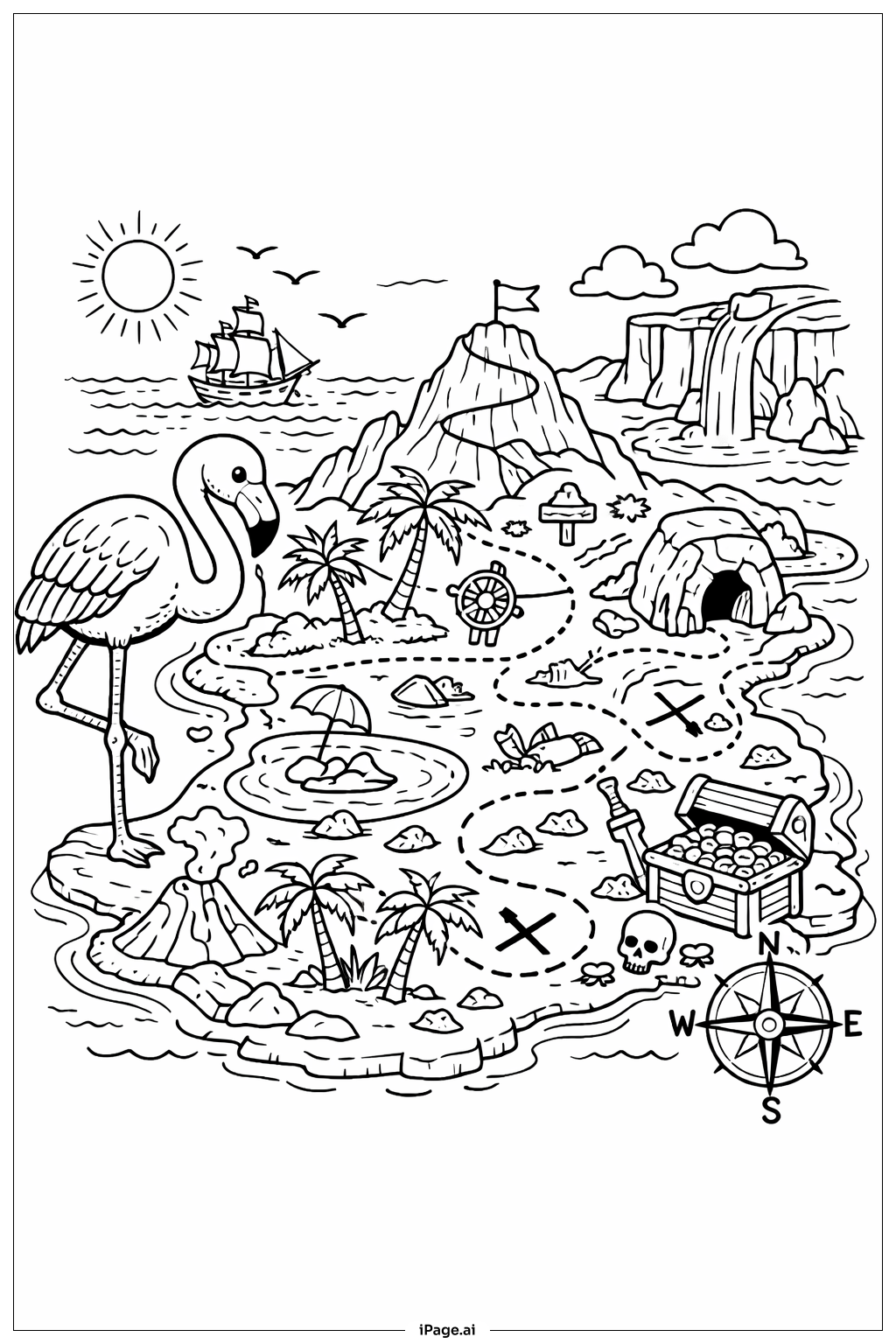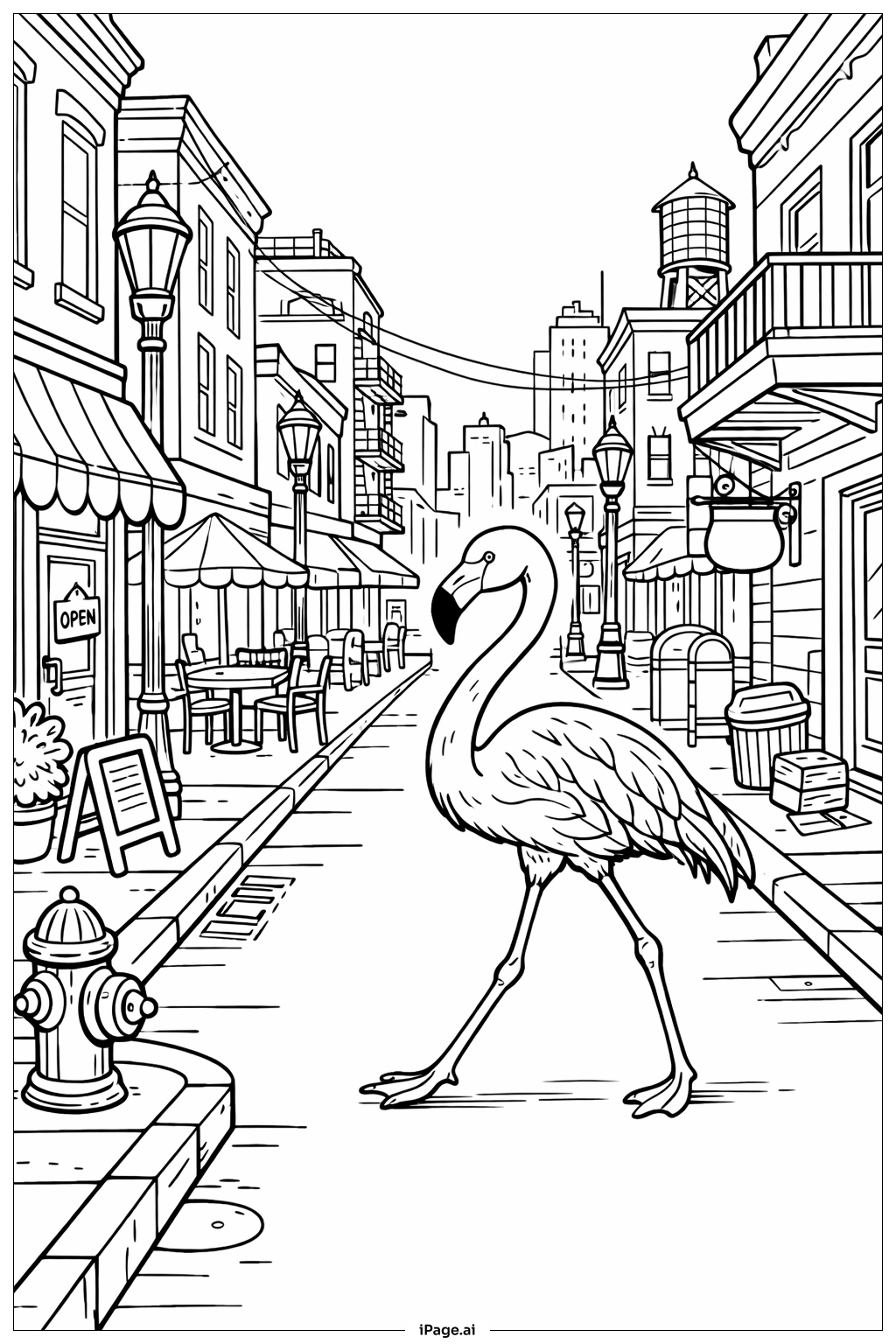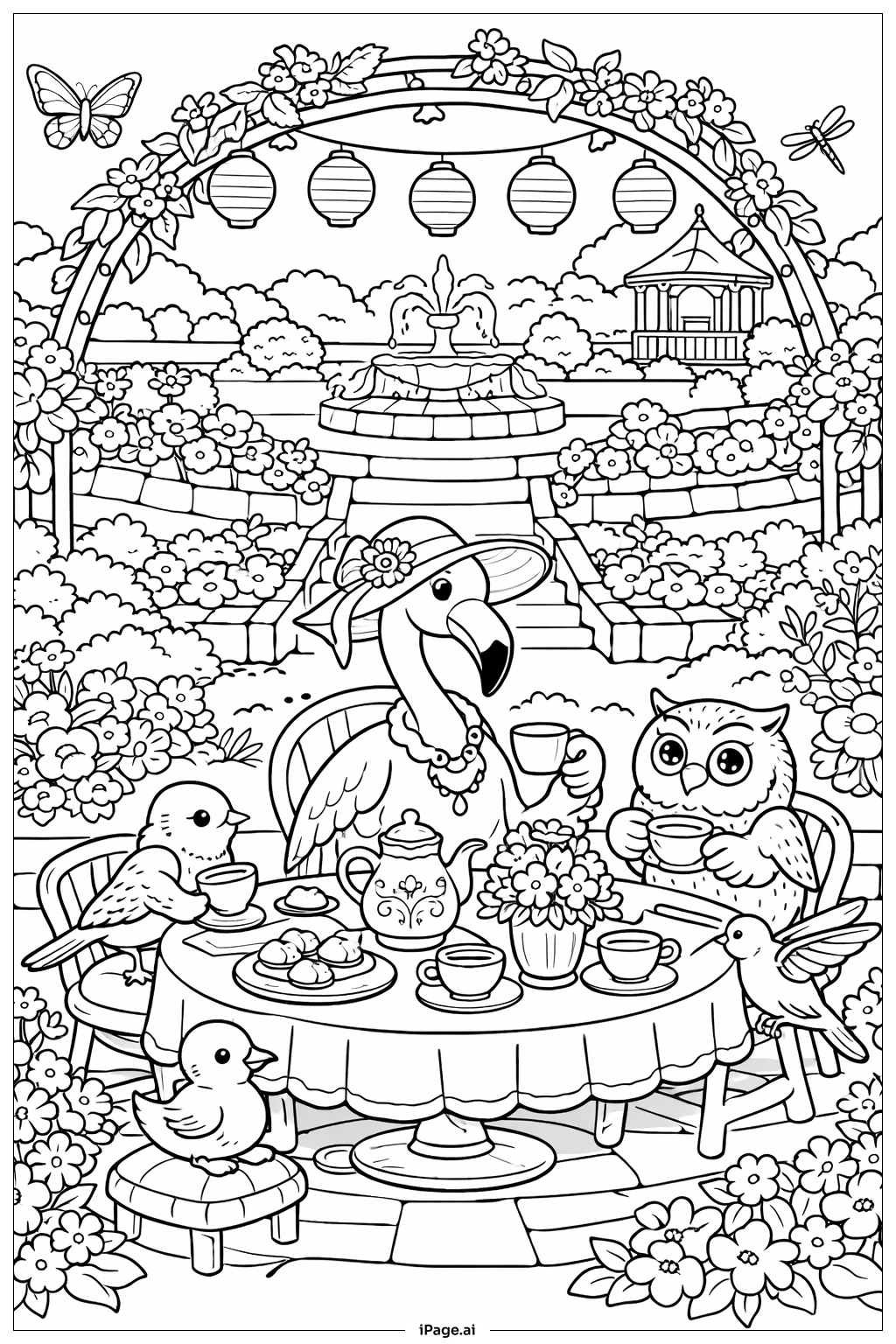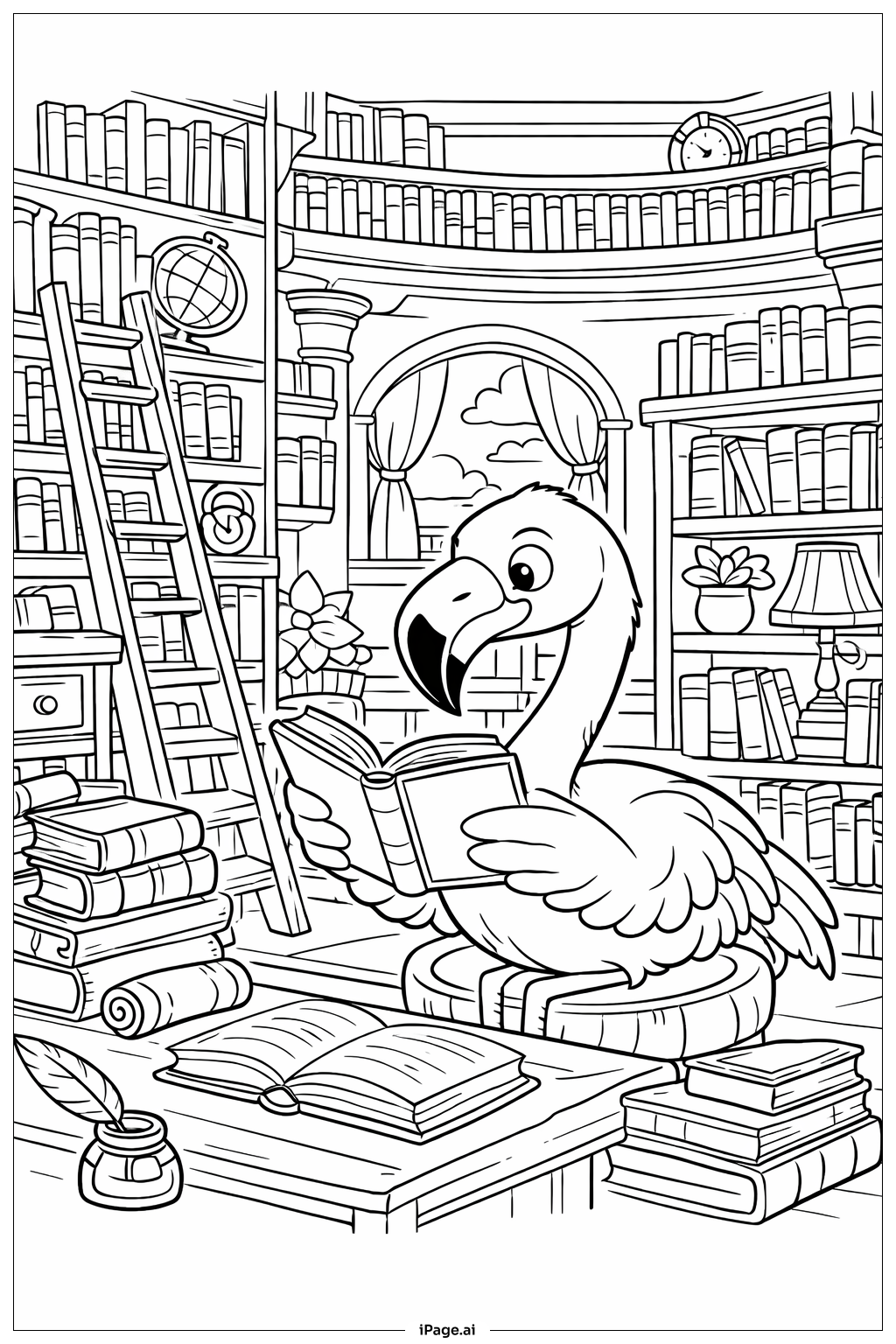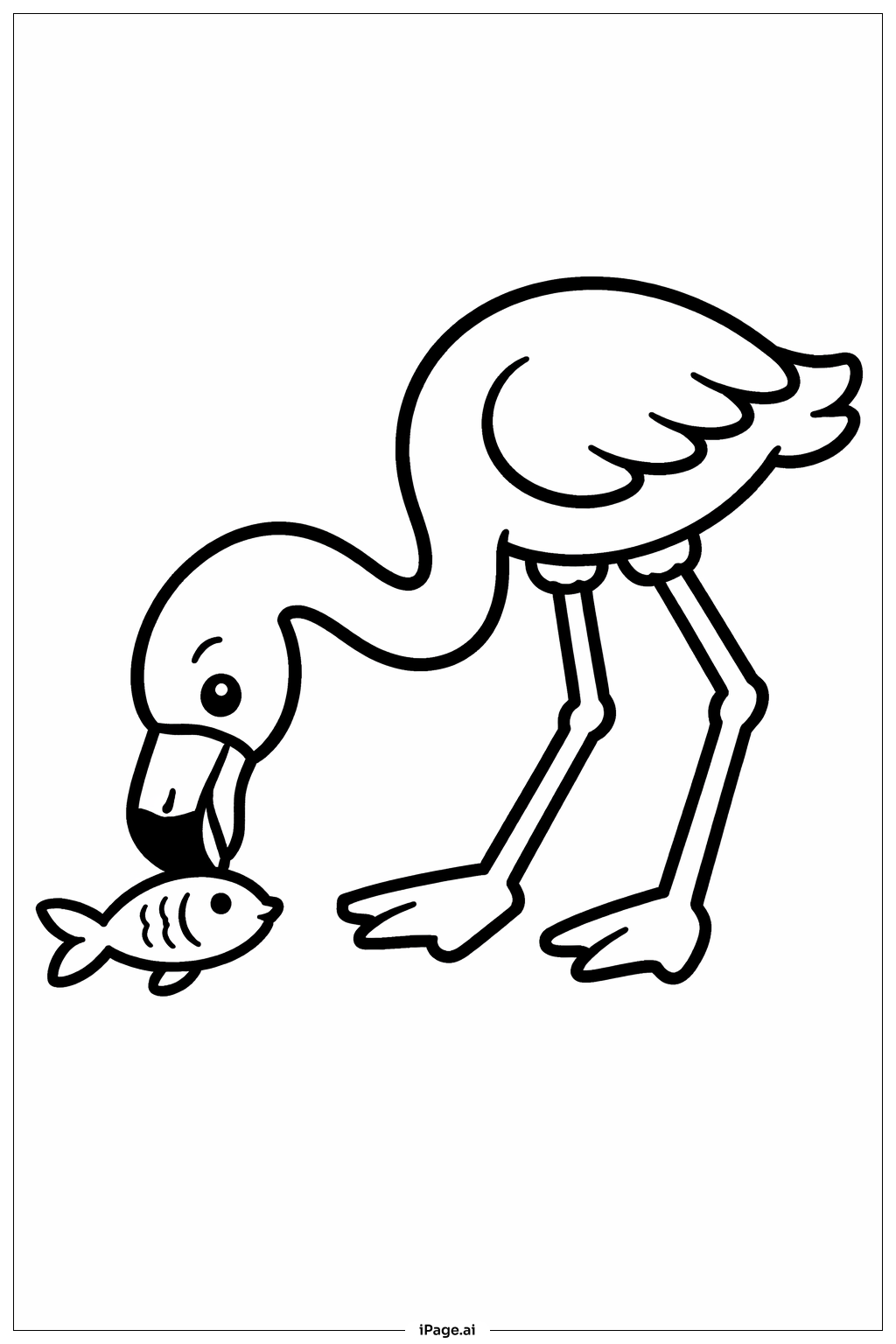
Coloring tips: How to color Flamingo Eating coloring page well?
Start with the flamingo's body. Use shades of pink — light pink for the main feathers and a deeper rose or coral pink for the wings and chest. Leave some areas near the belly lighter to show soft highlights.
For the beak, use a pale pink or white for the upper part and a dark black or dark gray for the lower tip, since flamingo beaks have a distinctive two-tone look.
Color the legs a light pink or peachy tone. Add a touch of darker pink at the joints.
The eyes can be colored bright yellow or golden with a small dark pupil at the center.
If there is water or ground beneath the flamingo, use soft blues and greens for water, or sandy browns and tans for a muddy shore.
Try blending two shades of pink together for a more natural, feathery look. Using colored pencils works great for soft gradients. Markers or crayons are perfect for bold, bright results. Have fun mixing colors to bring this beautiful bird to life!
Coloring challenges: Which parts are difficult to color and need attention for Flamingo Eating coloring page?
• Feather Texture Details: The flamingo's body is covered in layers of overlapping feathers. Coloring each layer to look soft and natural can be tricky. You need to blend light and dark shades of pink carefully so the feathers do not look flat. Try using short, light strokes that follow the direction of the feathers to create a realistic texture.
• The Curved Neck: The flamingo's long, S-shaped neck has a smooth, rounded surface. Keeping the color even along this curved shape is challenging. The inner curve may need a slightly darker shade to show depth, while the outer curve stays lighter. Going slowly and staying within the lines takes patience and a steady hand.
• The Unique Beak Shape: The flamingo's beak is bent in the middle and has two distinct color zones — a pale section and a dark tip. Coloring these two sections neatly without blending them together requires careful attention and a fine-tipped coloring tool.
• Thin Legs and Feet: The flamingo's legs are long and very slender in the drawing. Applying color to such narrow areas without going outside the lines is one of the harder parts of this page. Using a sharpened colored pencil or a fine marker will help you stay precise.
• Background and Water Details: If the image includes a background with water, mud, or shoreline plants, matching those natural tones to the flamingo without making the whole image look too busy can be a challenge. Choosing softer, cooler background colors helps the bright pink flamingo stand out clearly.
Benefits of coloring books: Advantages of drawing Flamingo Eating coloring page
Coloring this Flamingo Eating page offers many wonderful benefits for children and beginners alike.
First, it helps build fine motor skills. Carefully coloring the flamingo's thin legs, curved neck, and detailed feathers trains the small muscles in your hands and improves pencil control.
Second, it encourages focus and patience. The bird's graceful pose and layered feather details require steady, careful work. Spending time on this page helps children practice sitting still and concentrating on one task.
Third, it sparks creativity. Choosing which shades of pink, coral, or rose to use for the flamingo's feathers lets colorists express their own artistic ideas. There is no single right answer, and that freedom builds confidence.
Fourth, it introduces children to nature. Learning about how flamingos eat — dipping their curved beaks into water to filter food — connects coloring to real-world science and animal behavior in a fun, visual way.
Finally, completing the page gives a strong sense of achievement. Seeing a finished, colorful flamingo is deeply satisfying and motivates children to keep creating. Coloring is also a calming activity that reduces stress and supports emotional well-being for kids of all ages.