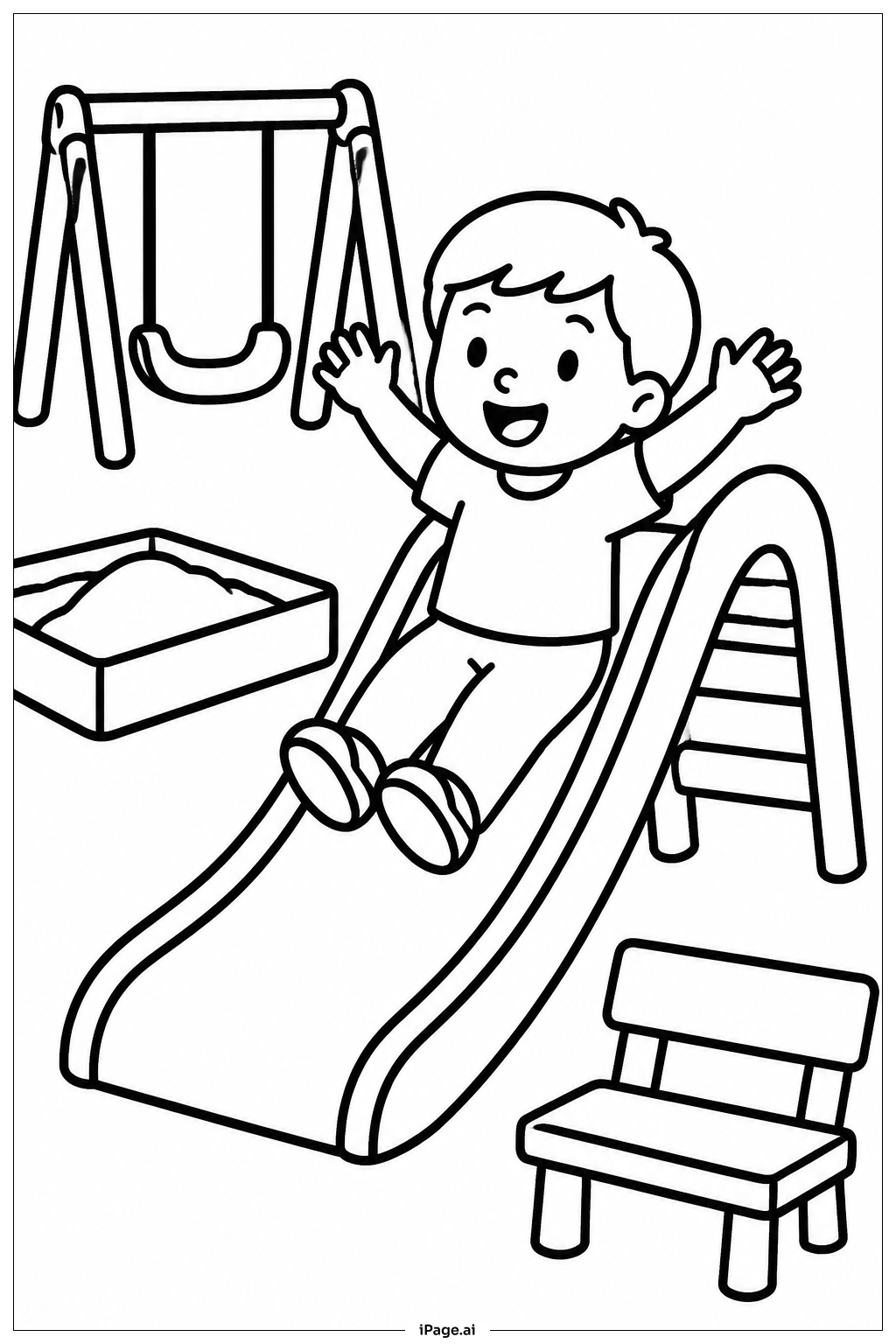
Coloring tips: How to color Field Day Playground Games coloring page well?
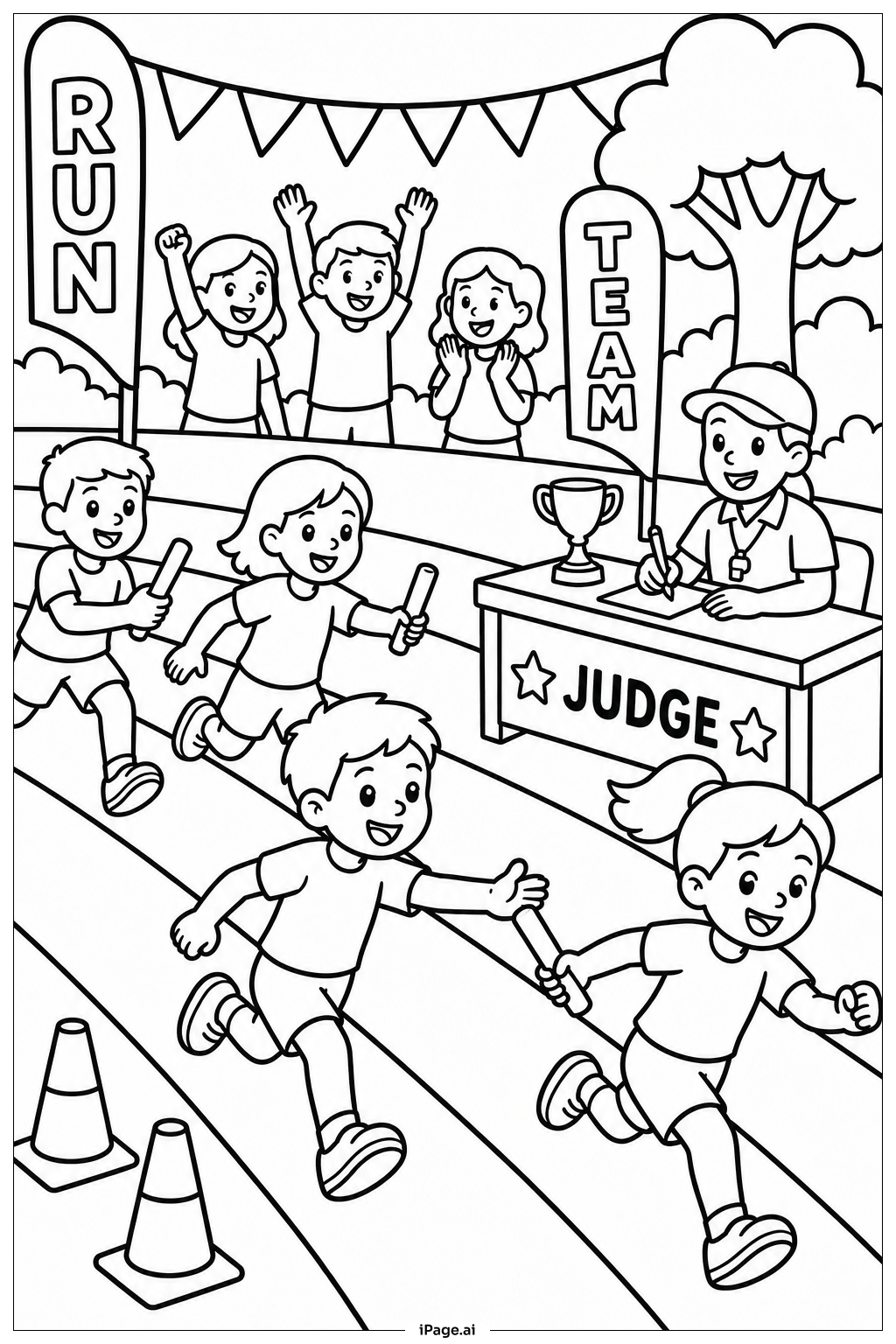
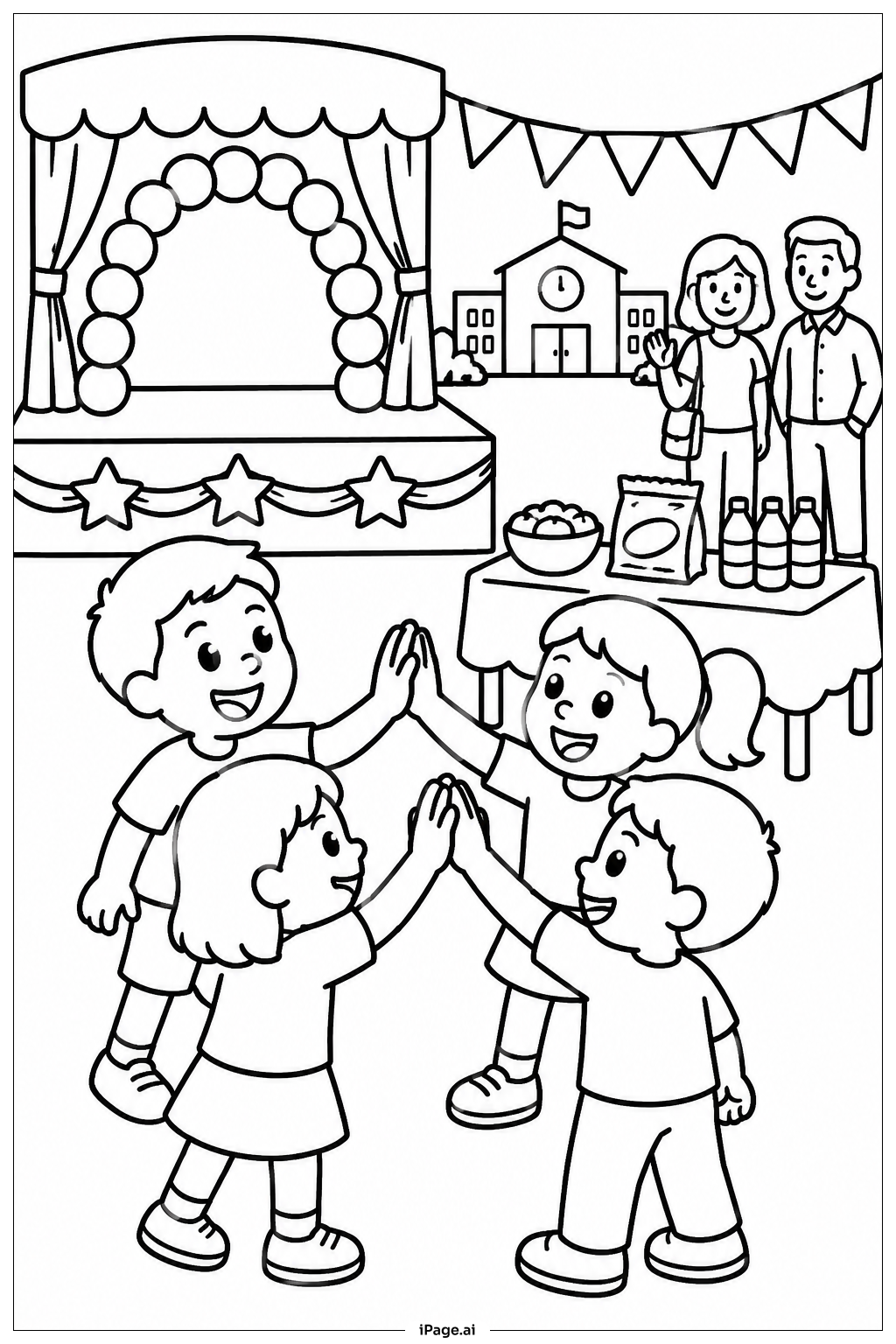
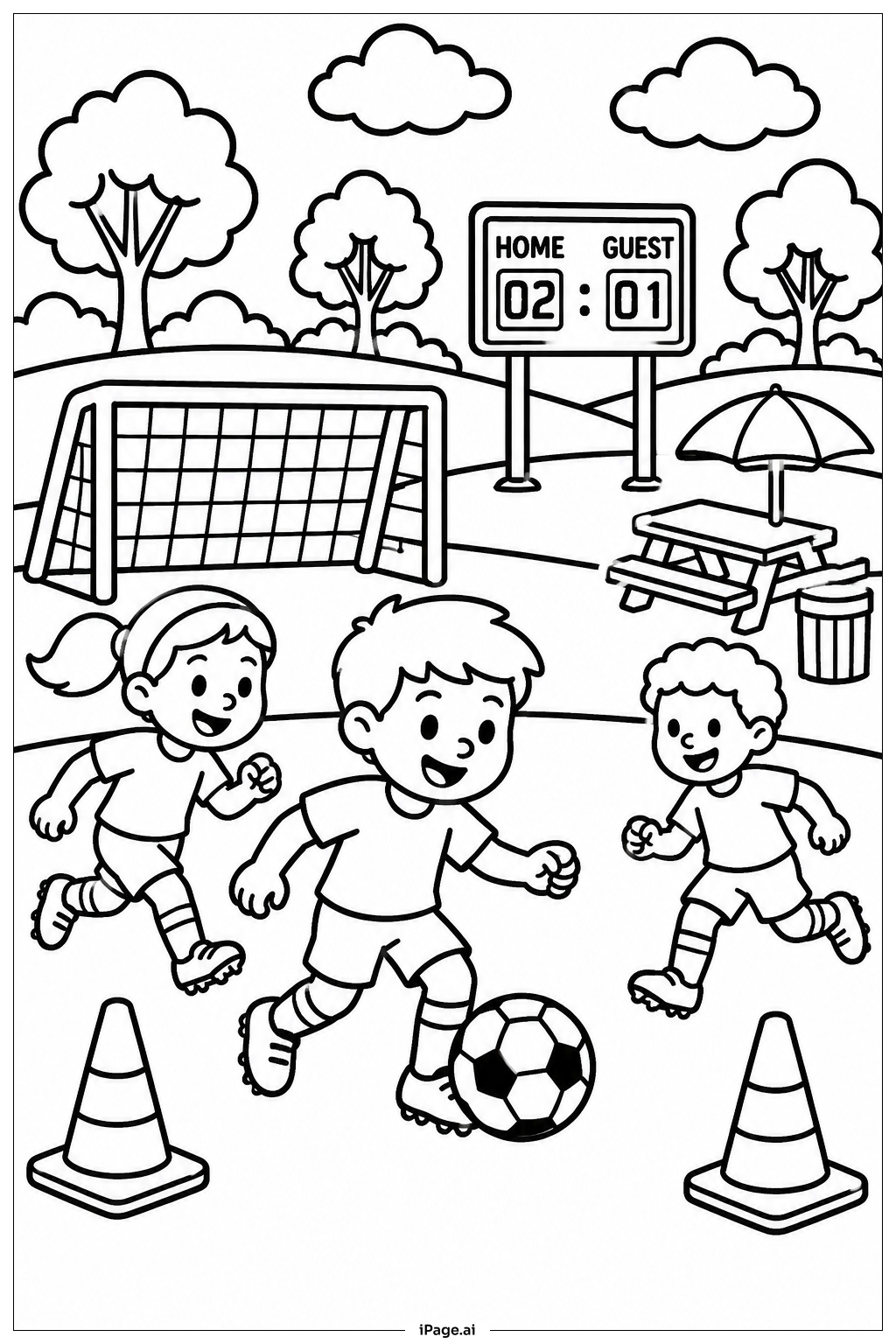
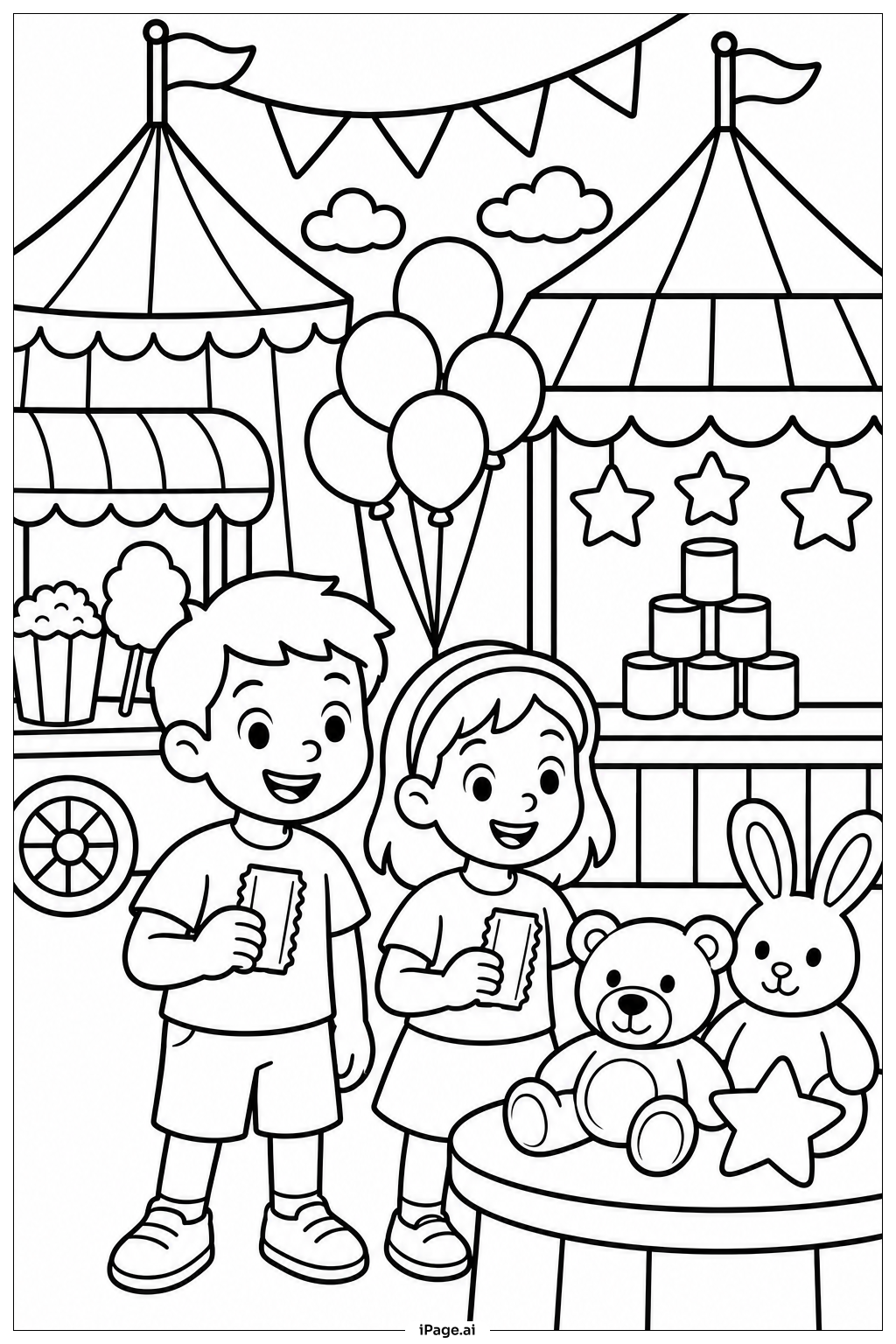
Start with the sky and grass to set a bright, cheerful outdoor mood. Use a clear sky blue for the background and a vivid green for the ground. For the pennant banners, alternate colors like red, yellow, orange, and purple to make them pop. Give each child a unique shirt color so they stand out from one another — think bold primaries like red, blue, and yellow. Use skin tones in a wide range to celebrate diversity. For the hula hoops and sacks, try bright single colors like pink, orange, or lime green. The tug-of-war rope can be a warm brown or tan. Save the brightest, most saturated colors for the foreground characters, and use slightly softer tones in the background to create a sense of depth. Have fun mixing and matching — there are no wrong color choices on Field Day!
Coloring challenges: Which parts are difficult to color and need attention for Field Day Playground Games coloring page?
• Crowded Scene Layout: The image features many characters and activities happening at the same time. Keeping each element visually separate is tricky. You will need to plan your color palette carefully so that nearby figures do not blend into each other. Using contrasting colors for adjacent characters will help keep the scene readable and lively.
• Small Character Details: Each child has facial features, clothing details, and accessories that are drawn at a small scale. Coloring these tiny areas neatly requires a fine-tipped pencil or marker. Rushing through these sections can result in colors bleeding into the wrong spaces, so take your time and use a steady hand.
• Overlapping Elements: In action scenes like this one, arms, legs, ropes, and hoops often overlap. Deciding which element sits in front and shading accordingly adds realism but can be confusing. Lightly sketching a plan before applying color helps avoid muddy or confusing overlapping zones.
• Background vs. Foreground Balance: The scene has a busy background filled with banners, sky, and grass. If these areas are colored too boldly, they can compete with the main characters. Use lighter or more muted tones for the background so the active kids in the foreground remain the visual focus.
• Consistent Lighting: Because this is an outdoor daytime scene, light comes from above. Keeping highlight and shadow directions consistent across all figures makes the image look unified. This is a small but meaningful challenge, especially for young colorists who want a polished final result.
Benefits of coloring books: Advantages of drawing Field Day Playground Games coloring page
Coloring this Field Day Playground Games page offers a wonderful mix of fun and learning. For younger children, it builds fine motor skills as they practice staying within lines and controlling their coloring tools. The busy, detail-rich scene also sharpens focus and patience.
Choosing colors for so many characters and objects encourages creative thinking and decision-making. Kids get to express their own style — there is no single right answer, which builds confidence and a love for self-expression.
The team-based theme of Field Day naturally sparks conversations about friendship, cooperation, and sportsmanship. Parents and teachers can use this page as a starting point to talk about the value of playing together and supporting teammates.
For older kids, the challenges of balancing foreground and background colors introduce early concepts of visual design and composition. It is a gentle, pressure-free way to explore artistic thinking.
Coloring is also a calming activity that reduces stress and helps children unwind after a busy school day. It gives them a screen-free creative outlet that still feels exciting and rewarding. Finishing a detailed page like this one gives kids a real sense of accomplishment — and a colorful piece of art they can be proud of.