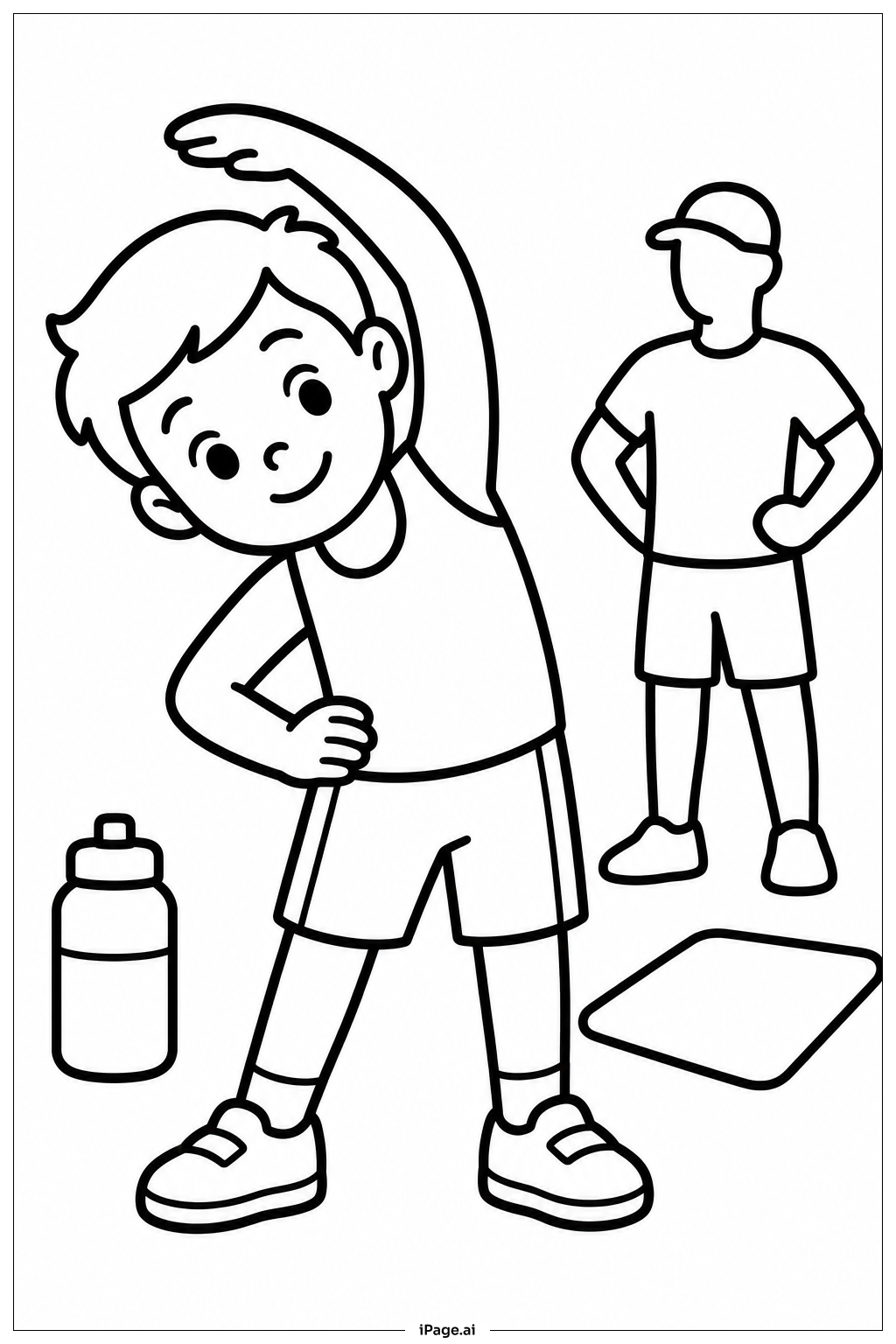
Coloring tips: How to color Field Day Kids Stretching coloring page well?
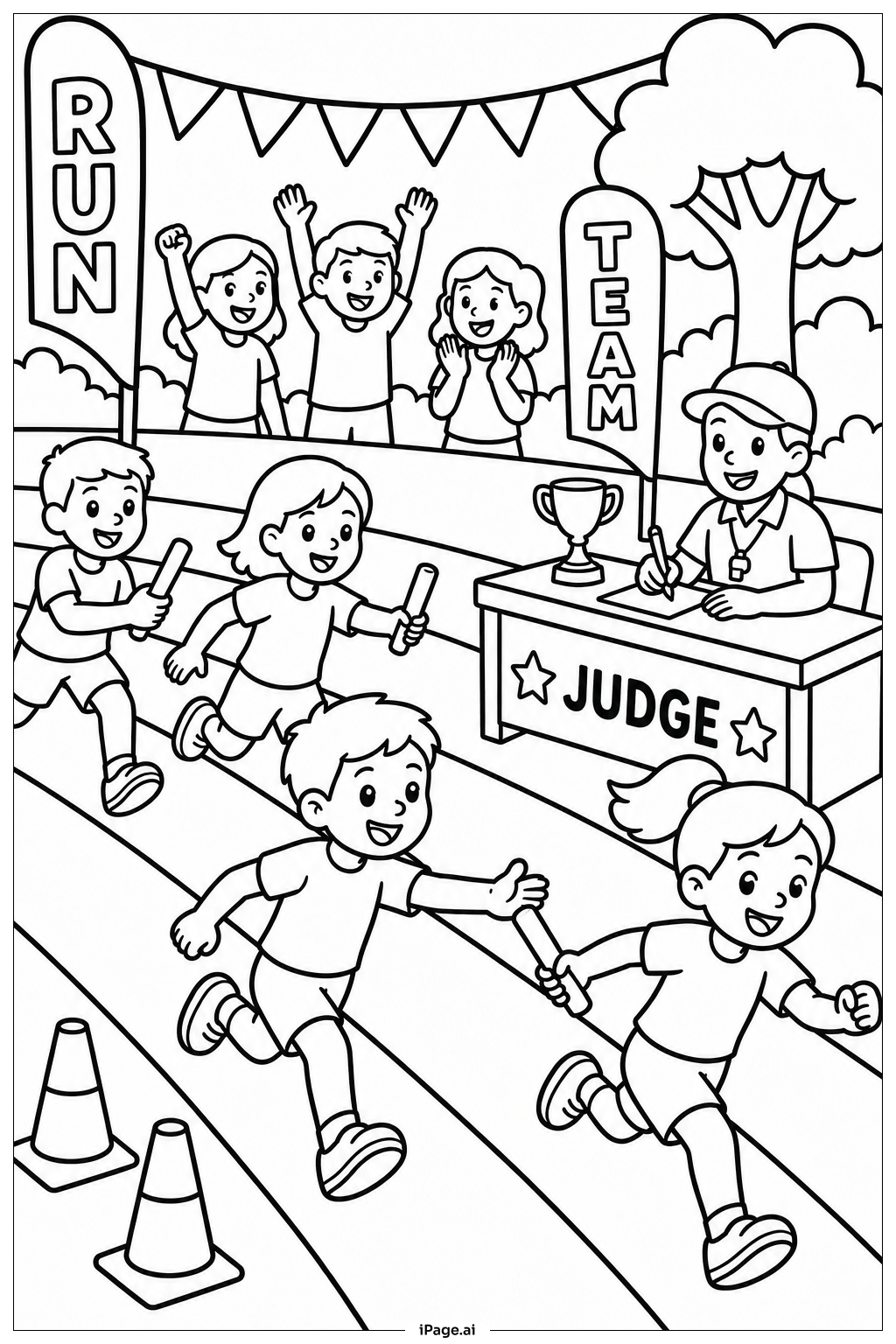
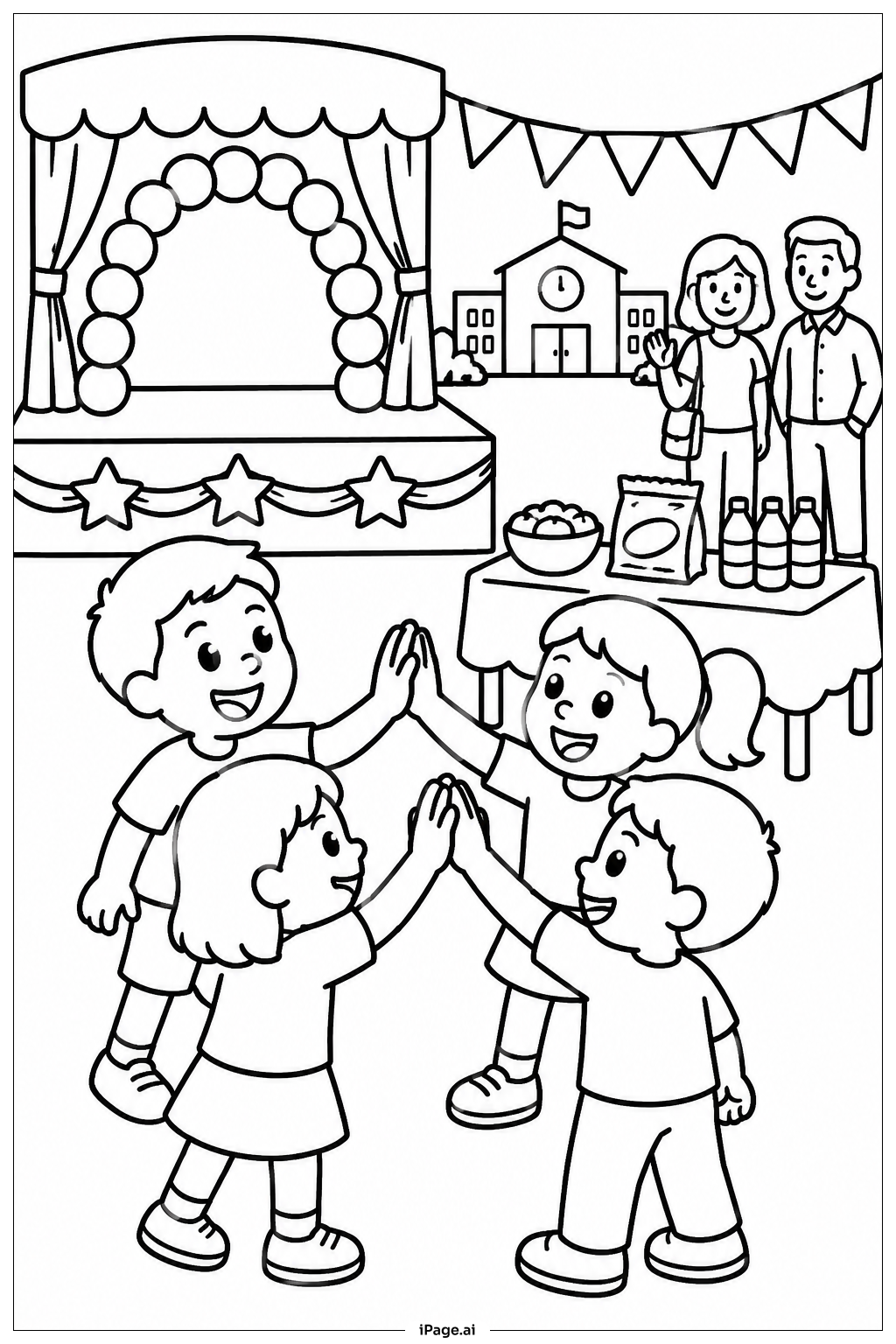
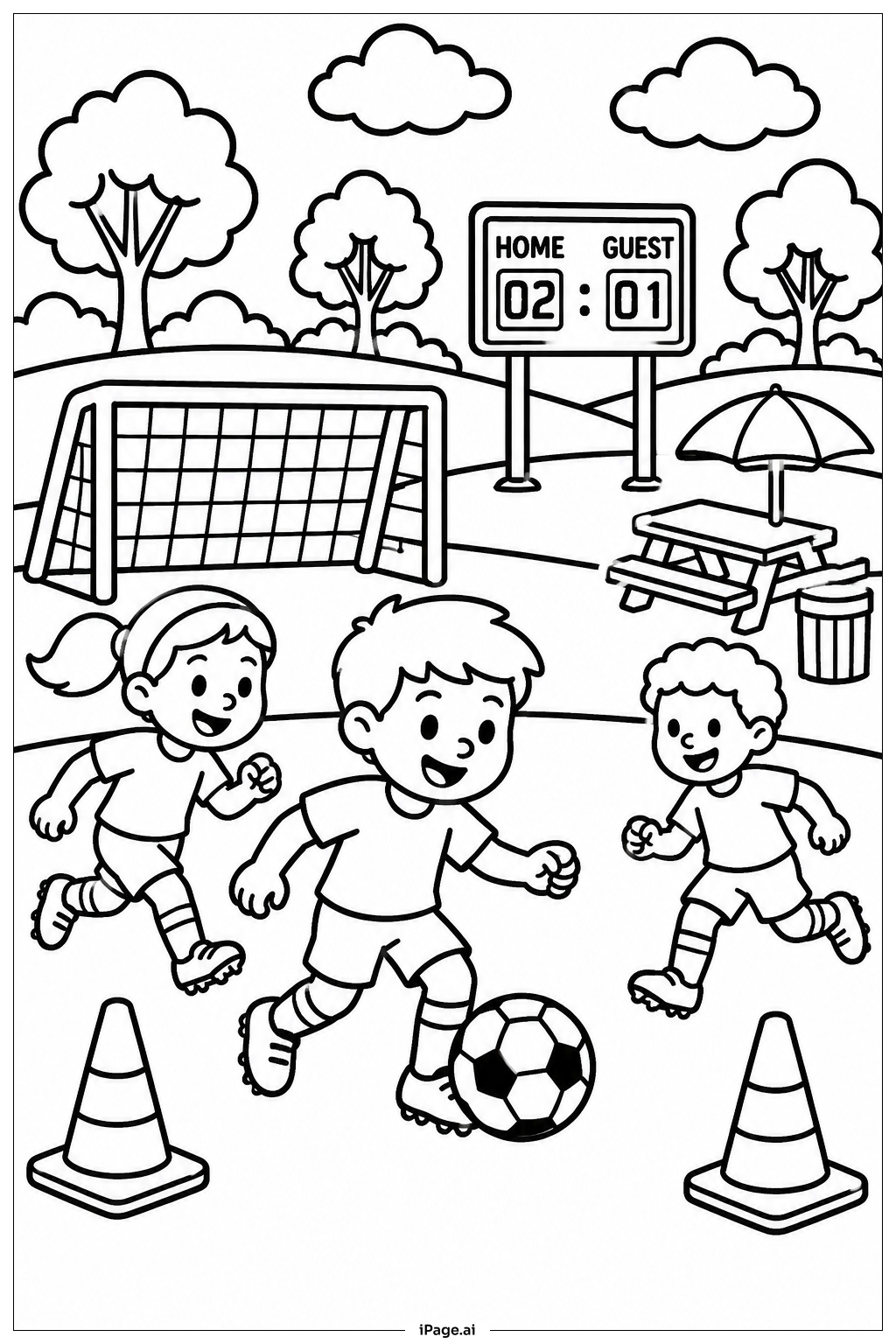
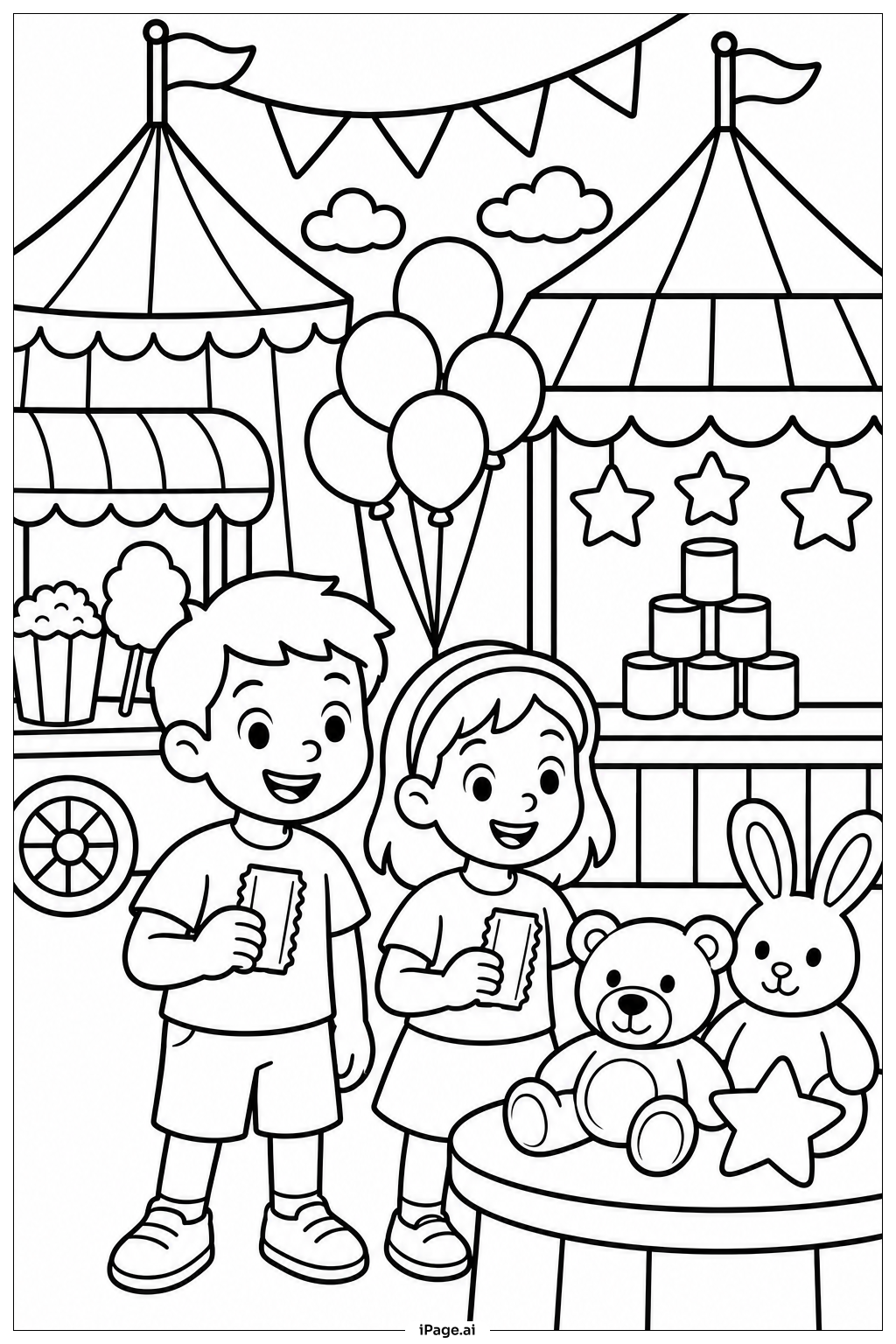
For this image, use bright and lively colors to show the energy of Field Day. You can color the kids’ T-shirts in different vibrant shades like red, blue, green, and yellow to make each child stand out. Use natural colors like green for the grass and light blue or white for the sky. For skin tones, choose a variety of warm and cool hues to reflect diversity. Sneakers can be different colors and patterns to add fun details. Keep the background simple so the focus stays on the kids stretching and getting ready for their activities. Using crayons, colored pencils, or markers will all work well.
Coloring challenges: Which parts are difficult to color and need attention for Field Day Kids Stretching coloring page?
- The children’s stretching poses include overlapping arms and legs, which can be tricky to color accurately without bleeding outside the lines.
- The different clothing styles and folds in T-shirts and shorts require careful shading to give a sense of dimension.
- Coloring diverse and realistic skin tones takes attention to detail and blending for a smooth look.
- The facial expressions are small and require steady coloring to keep the smiles and focused looks clear and sharp.
- The grassy field has many fine lines and textures that can be challenging to shade evenly, especially for younger children learning to control coloring tools.
Benefits of coloring books: Advantages of drawing Field Day Kids Stretching coloring page
Coloring this image helps children develop fine motor skills through careful coloring of details like fingers and clothes. It encourages focus and patience as they work on the different shapes and poses. Choosing colors for the kids and background builds creativity and decision-making. The image also promotes understanding and appreciation of teamwork and sportsmanship by showing kids preparing together for Field Day. Coloring scenes of active play can inspire children to enjoy outdoor activities and healthy habits. Overall, it supports both artistic growth and social-emotional learning.