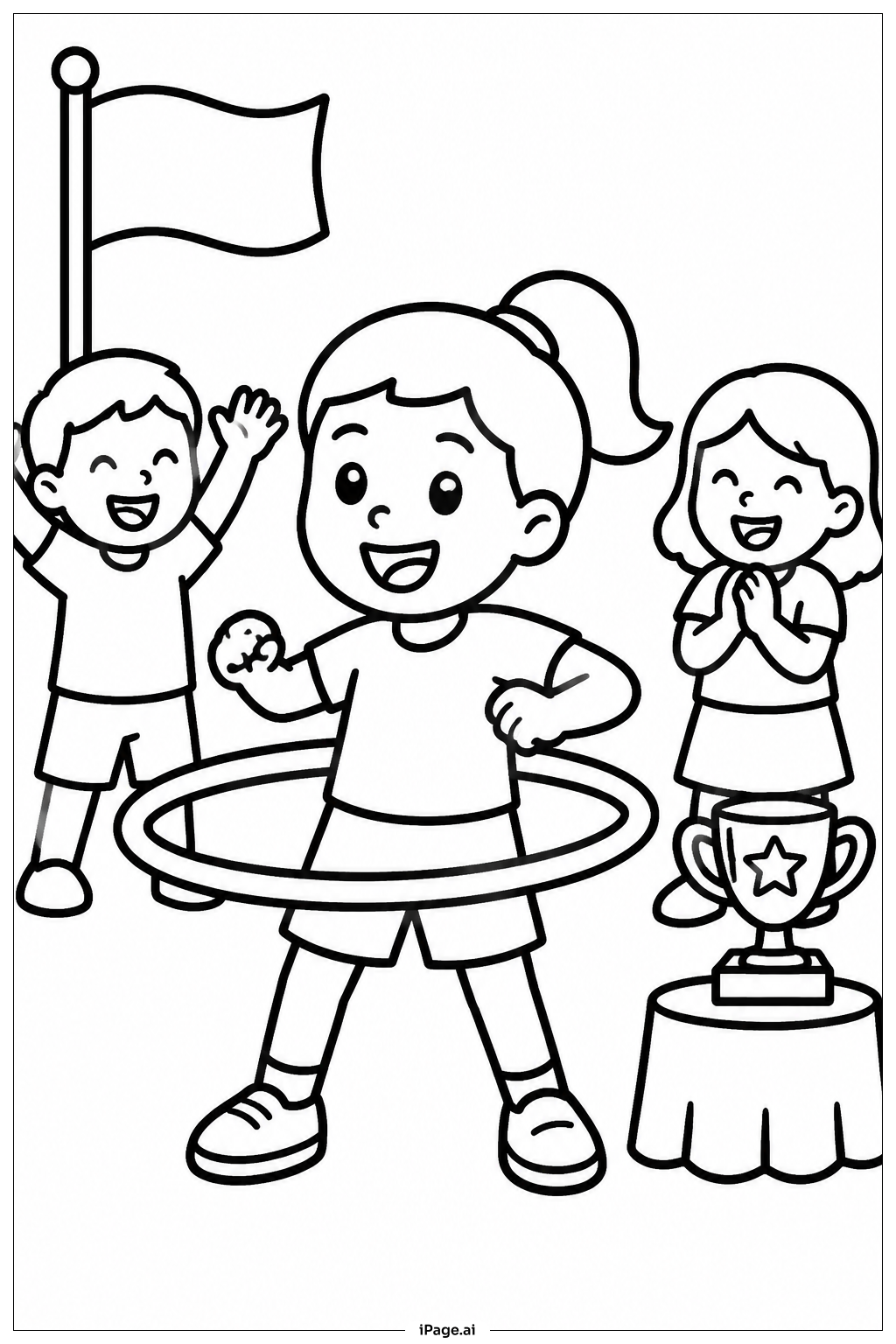
Coloring tips: How to color Field Day Hula Hoop Contest coloring page well?
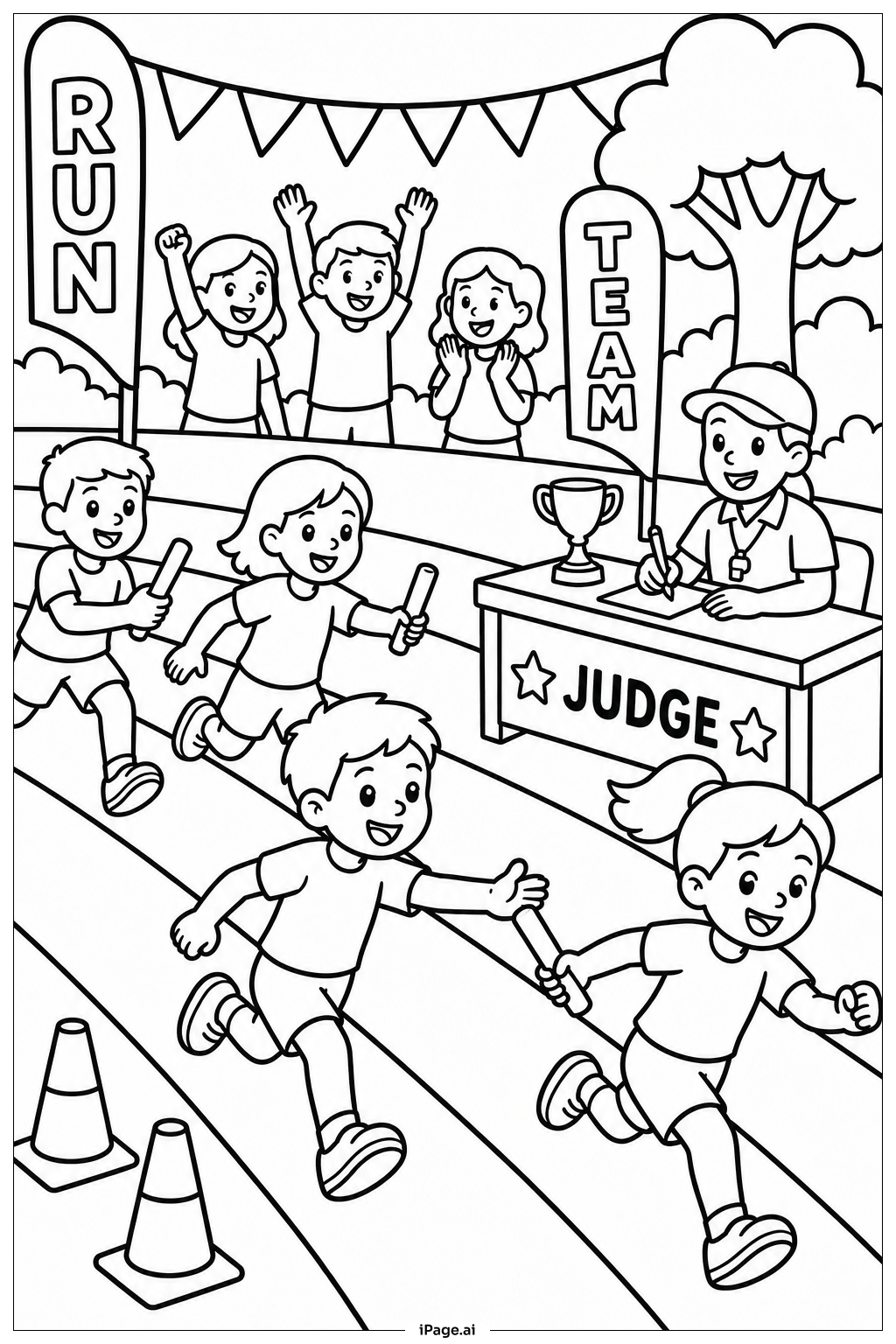
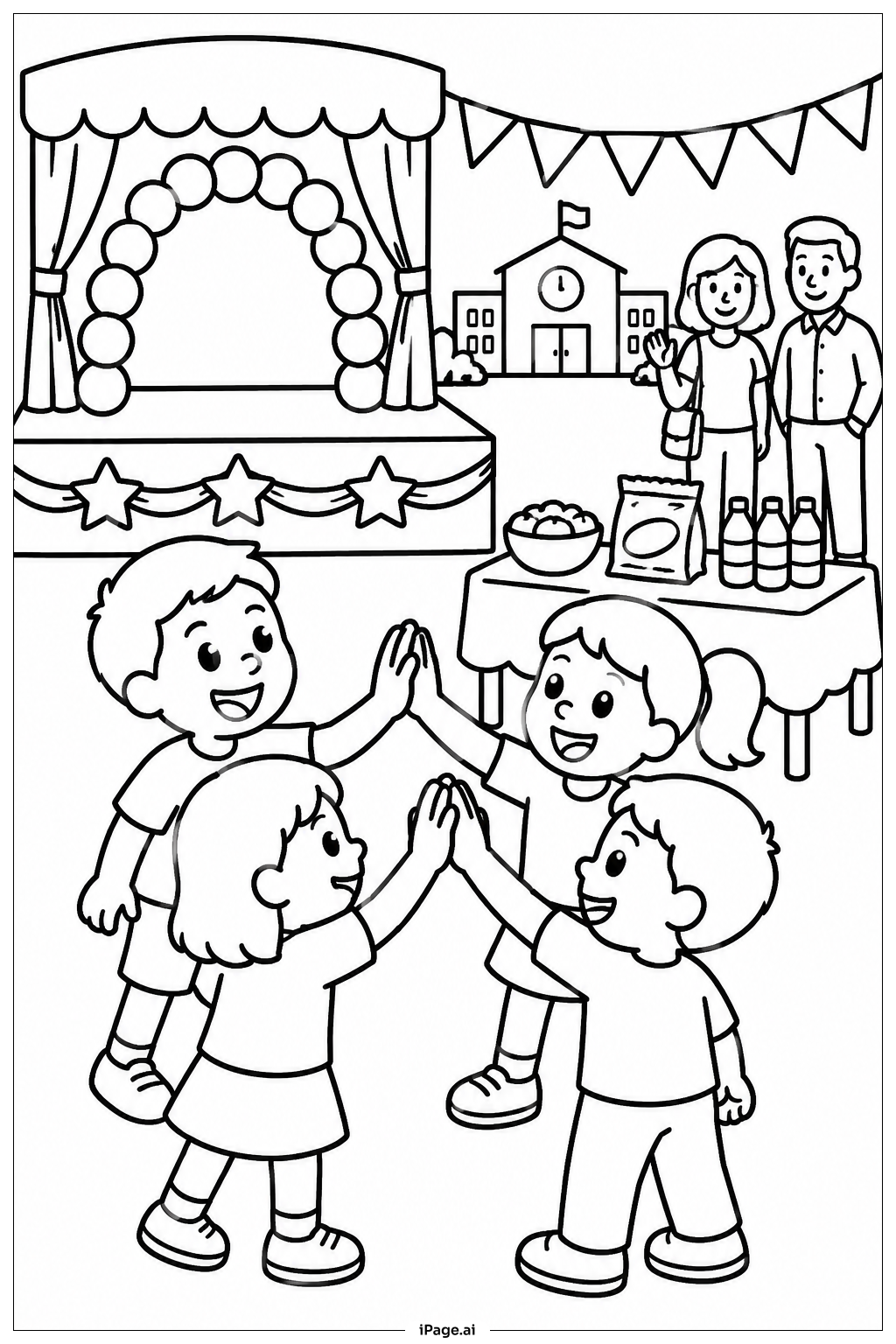
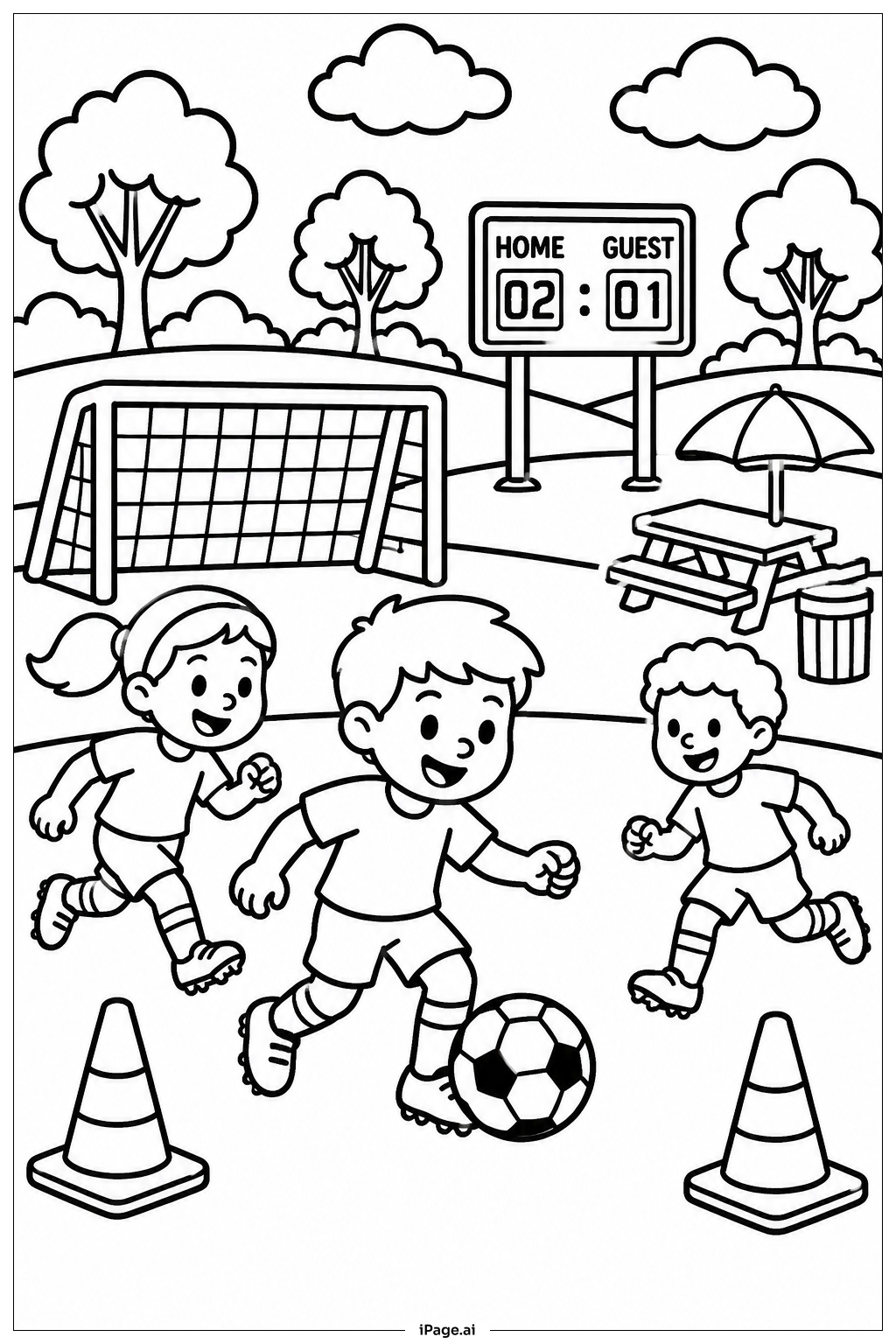
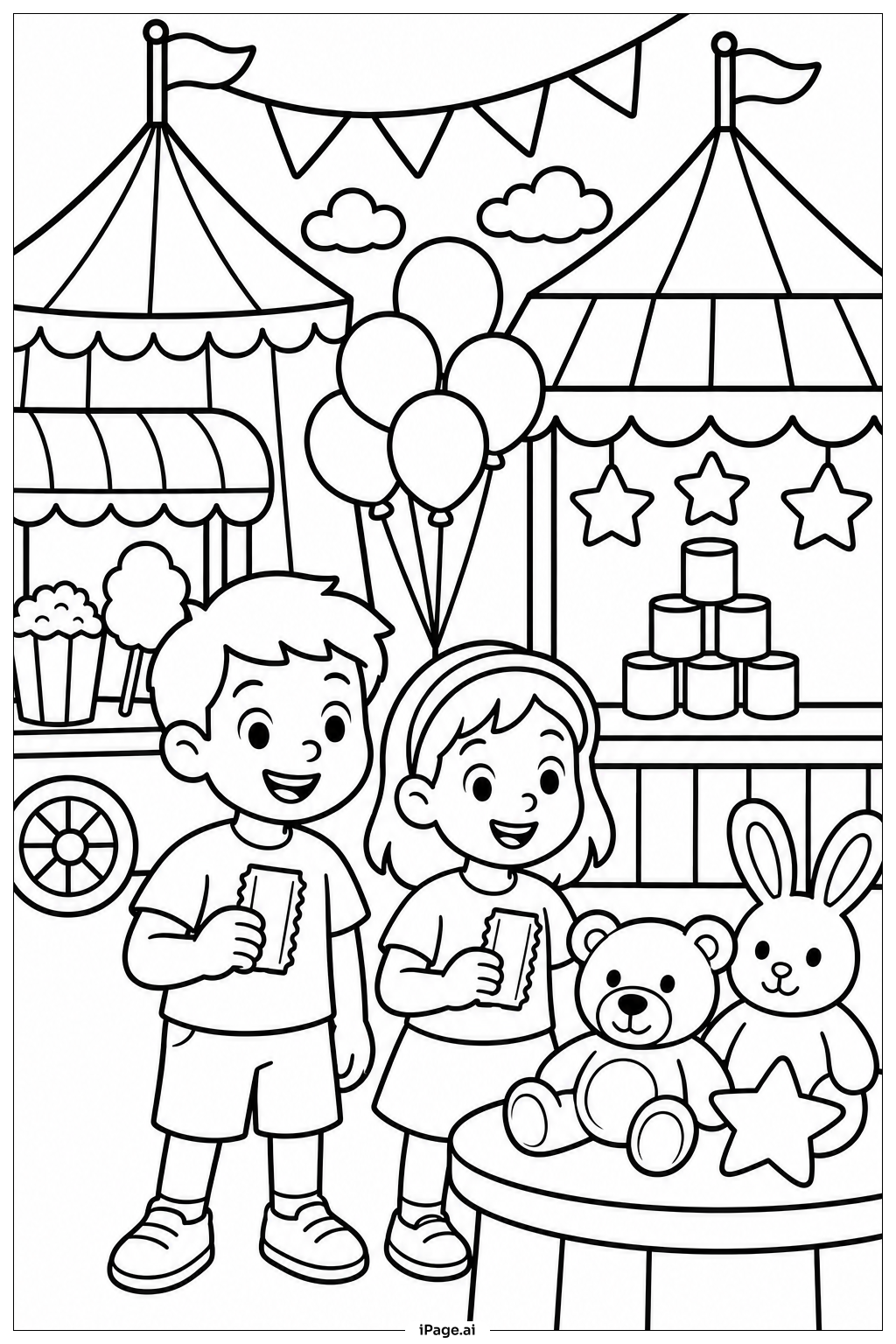
For this Field Day Hula Hoop Contest coloring page, you can use bright and cheerful colors to bring the scene to life. Try coloring the kids’ shirts in different bold colors like red, blue, yellow, and green to make each child stand out. Use a range of vibrant colors for the hula hoops such as pink, purple, orange, and turquoise to show the fun variety. The grass can be a fresh green, and the sky a light blue to highlight the nice weather. Don’t forget to color the kids’ hair in natural shades like brown, black, or blonde, or get creative with fun colors if you like! Add some shading or blending to bring depth to the clothes and hoops.
Coloring challenges: Which parts are difficult to color and need attention for Field Day Hula Hoop Contest coloring page?
• The detailed outlines of the hula hoops may be tricky to color evenly because they are thin and curved, requiring careful control to stay inside the lines.
• Coloring the children’s faces needs attention to keep expressions clear and friendly without over-coloring.
• The overlapping arms and hoops challenge spatial understanding to color each part separately without mixing colors.
• Adding realistic shading to show movement of spinning hoops and the children’s twisting bodies requires patience and some skill.
• The grassy background includes small areas around the feet and trees that need delicate coloring, which can be time-consuming for younger artists.
Benefits of coloring books: Advantages of drawing Field Day Hula Hoop Contest coloring page
Coloring this Field Day Hula Hoop Contest page helps develop fine motor skills as children practice staying inside curved lines and small details. It encourages creativity by choosing bright colors for clothes and hoops that showcase their personal style. This activity also promotes focus and attention since the picture has overlapping shapes and faces requiring careful observation. Additionally, coloring such a joyful and active scene can boost mood and inspire excitement about outdoor play and teamwork. Overall, it’s a fun way for kids aged 4 to 16 to engage their imagination while improving hand-eye coordination and artistic confidence.