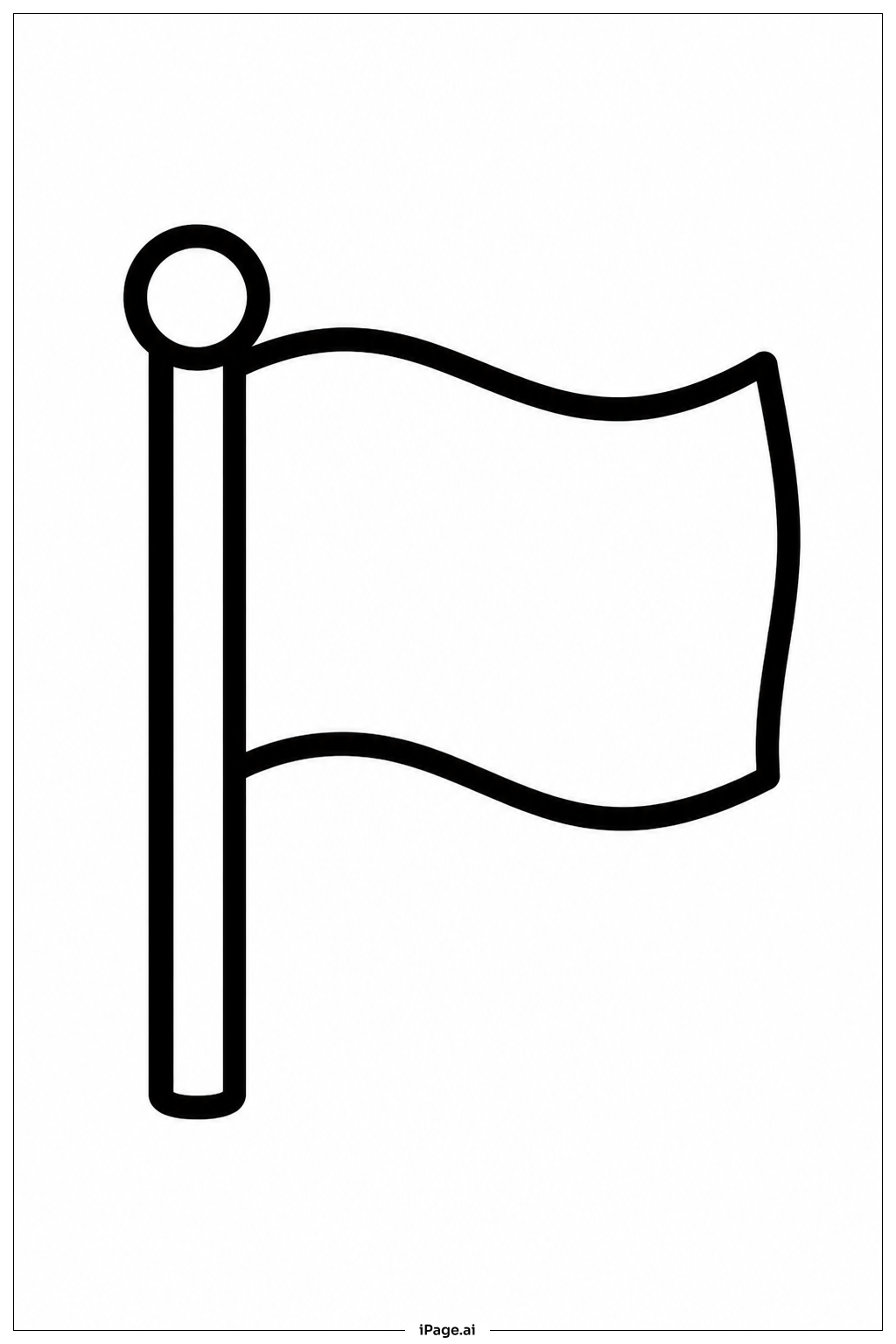
Coloring tips: How to color Field Day Flag coloring page well?
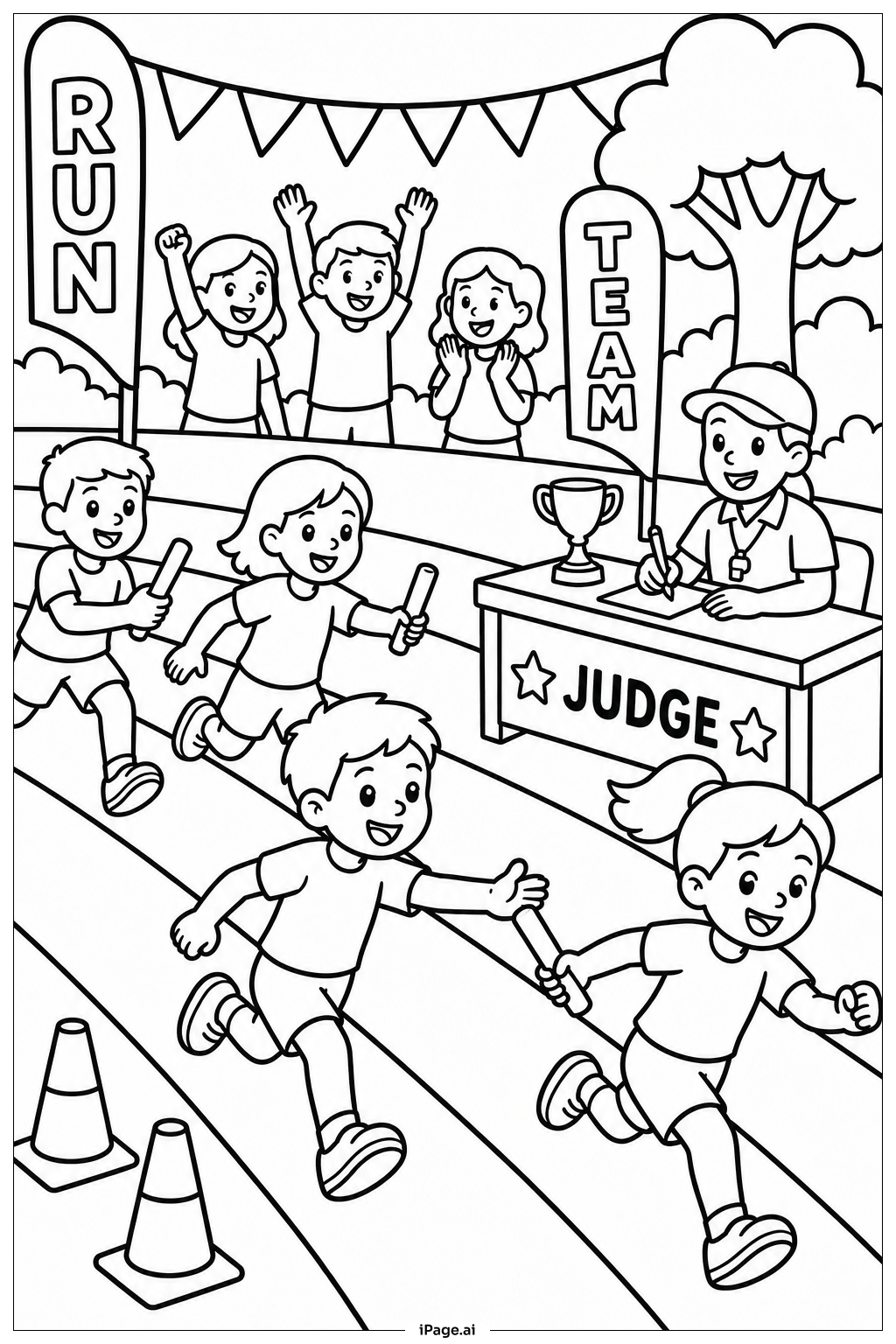
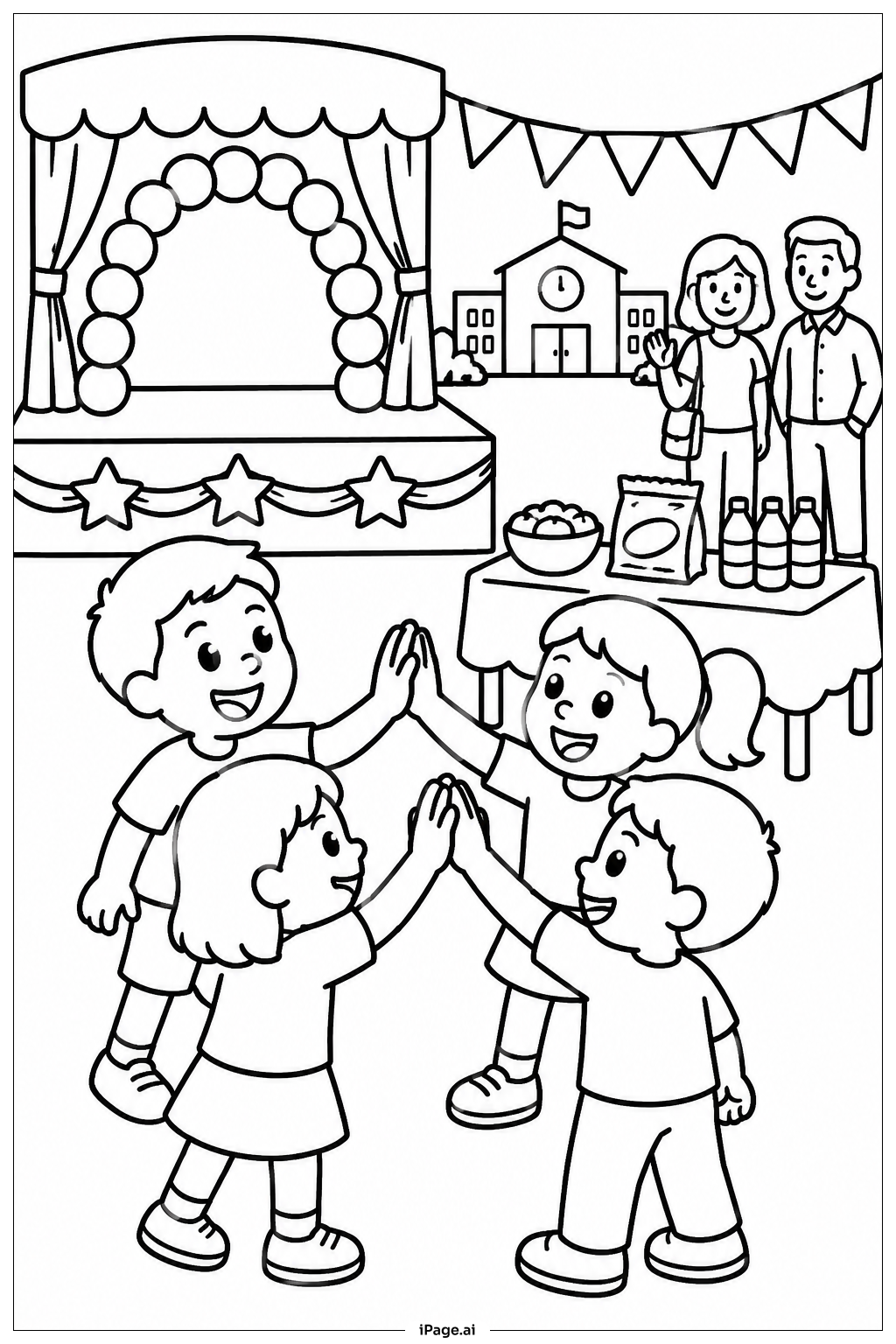
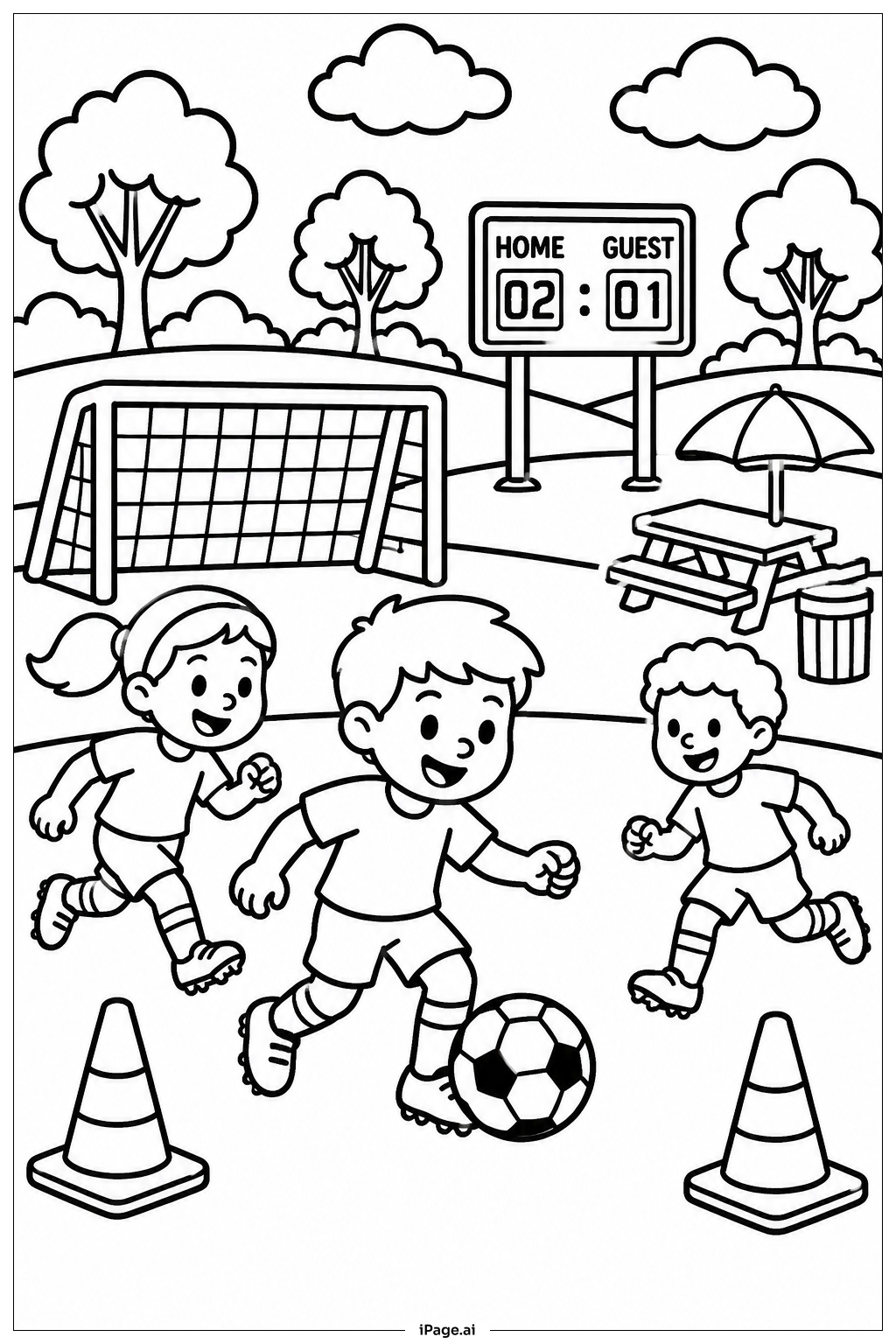
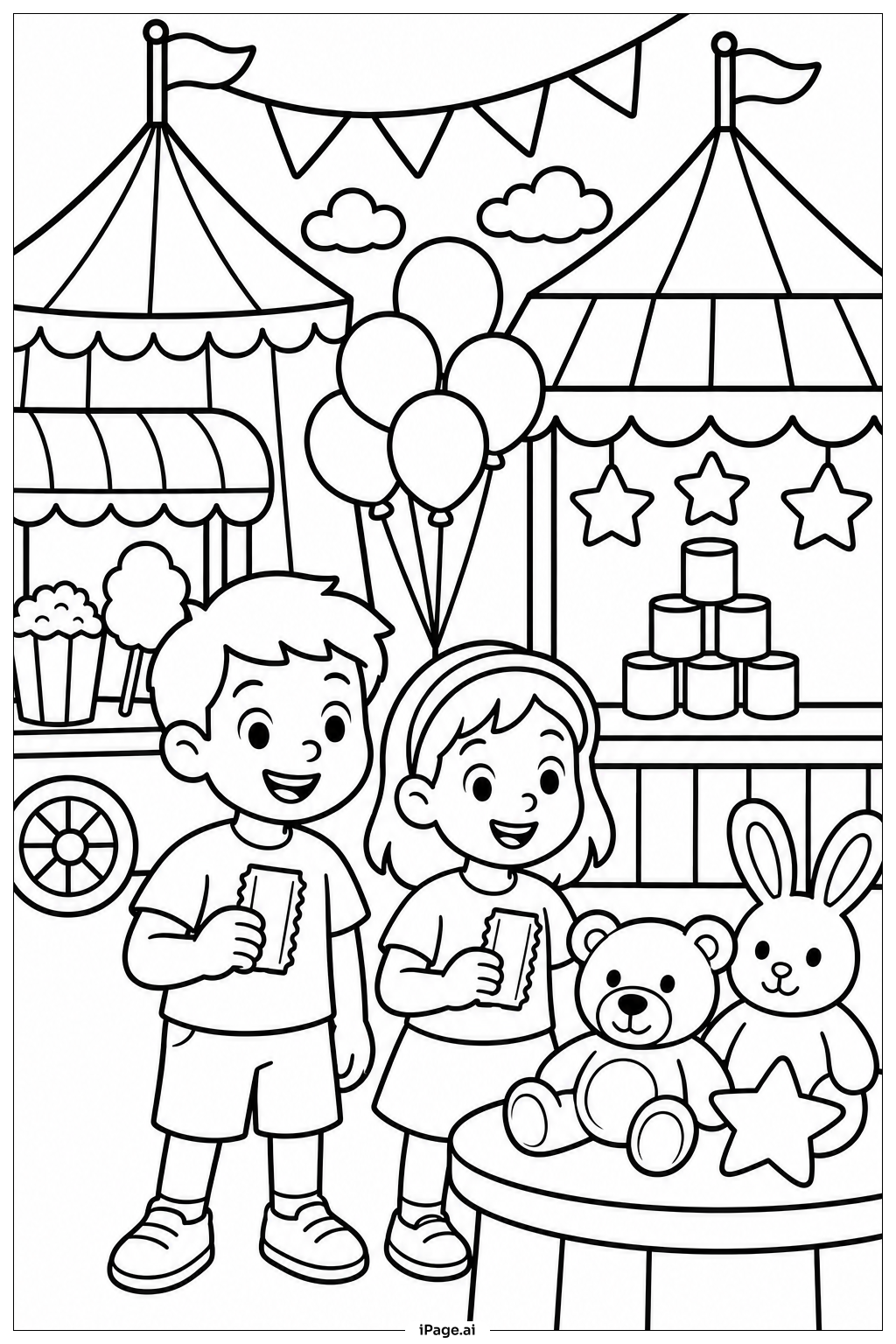
For this Field Day Flag, try using bright and cheerful colors to bring the celebration to life. Red, blue, and yellow make great choices to highlight the stripes and the star on the flag. Use green shades for the grass or background elements that suggest the outdoors. You can also add touches of orange or purple to smaller details like the little flags or sport equipment to make them stand out. Feel free to use different colors for the flagpole to give it a wooden or metallic look. Don’t forget to color the sky softly with light blue to create a fresh, sunny Field Day atmosphere!
Coloring challenges: Which parts are difficult to color and need attention for Field Day Flag coloring page?
• The flowing curves of the flag can be tricky to color evenly because of the many folds and the way it waves in the wind. Staying inside the lines while following the shape requires careful attention.
• Small details like tiny fluttering flags and sport equipment need precision to avoid coloring outside the lines.
• The star and stripes on the flag require different colors with clean separation, so it can be challenging to keep colors from blending or overlapping.
• The multiple overlapping shapes, such as silhouettes of children and the flag design, demand patience to color each area completely without mixing.
• Managing light and shadow effects on the flag to show its movement can be difficult but adds a realistic feel if done carefully.
Benefits of coloring books: Advantages of drawing Field Day Flag coloring page
Coloring this Field Day Flag helps improve children’s fine motor skills, especially hand-eye coordination, as they fill in curved and detailed shapes. It also encourages creativity by allowing kids to choose bright, energetic colors that symbolize fun and teamwork. The process promotes focus and patience through careful attention to different sections and small areas. Additionally, coloring a scene that represents outdoor activities fosters an appreciation for sportsmanship, community, and celebration. This image can inspire positive feelings about participating in events where cooperation and friendship matter most.