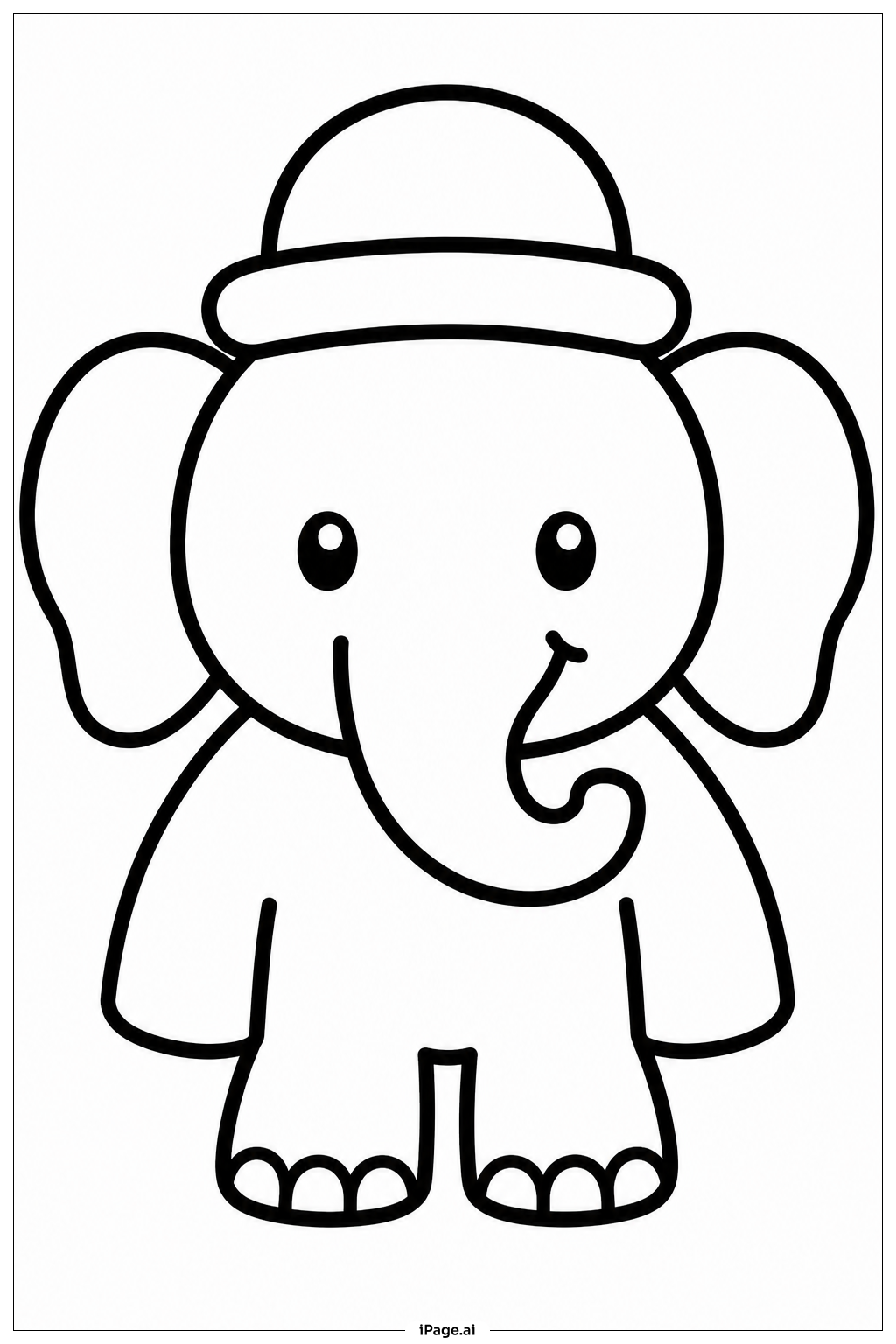
Coloring tips: How to color Elephant With Hat coloring page well?
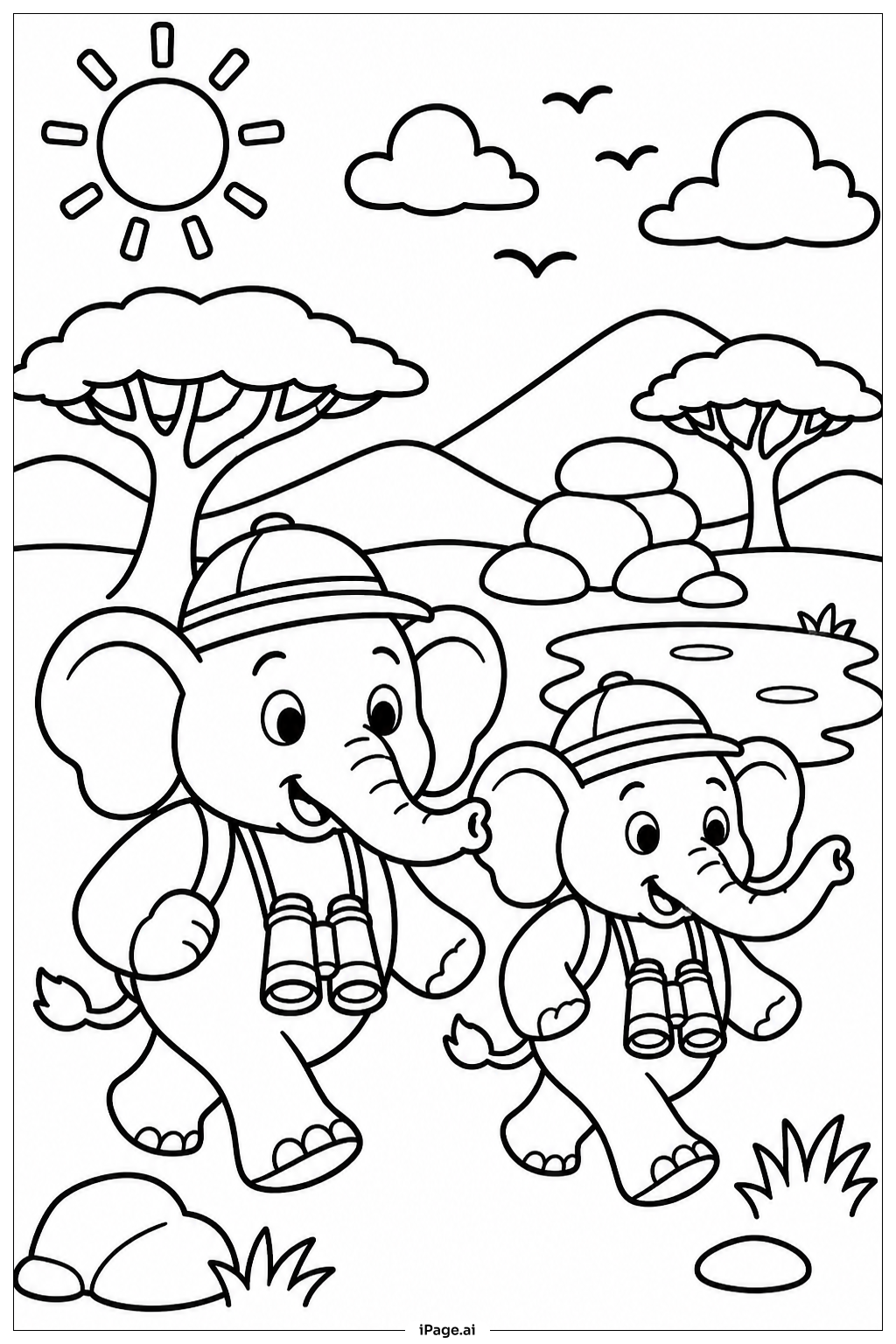
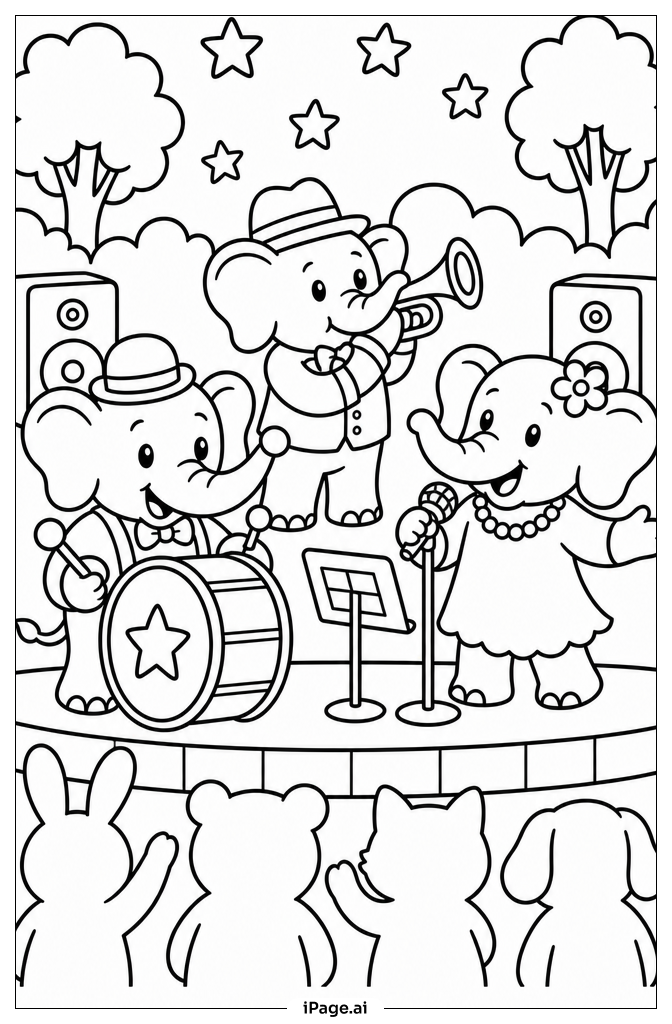
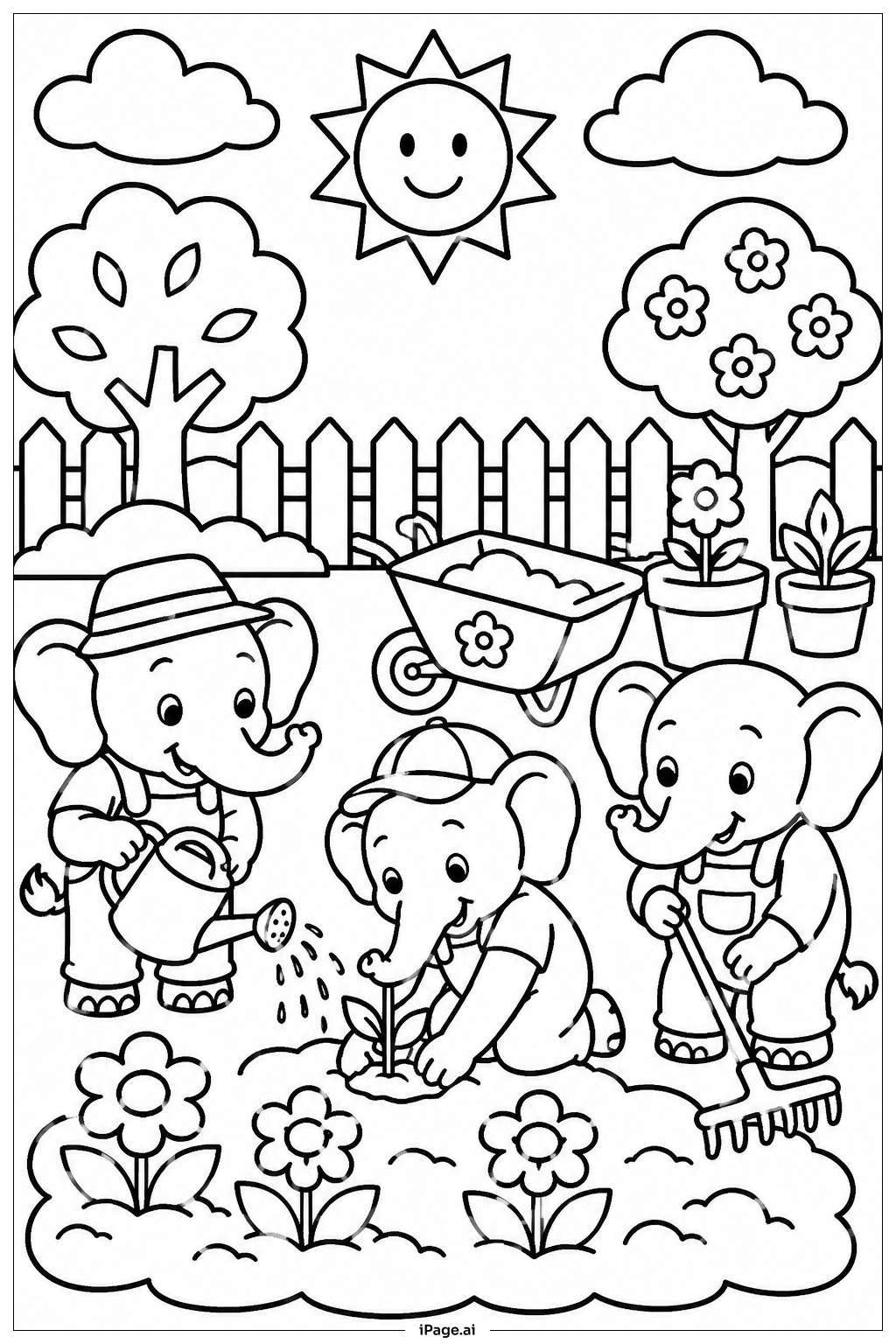
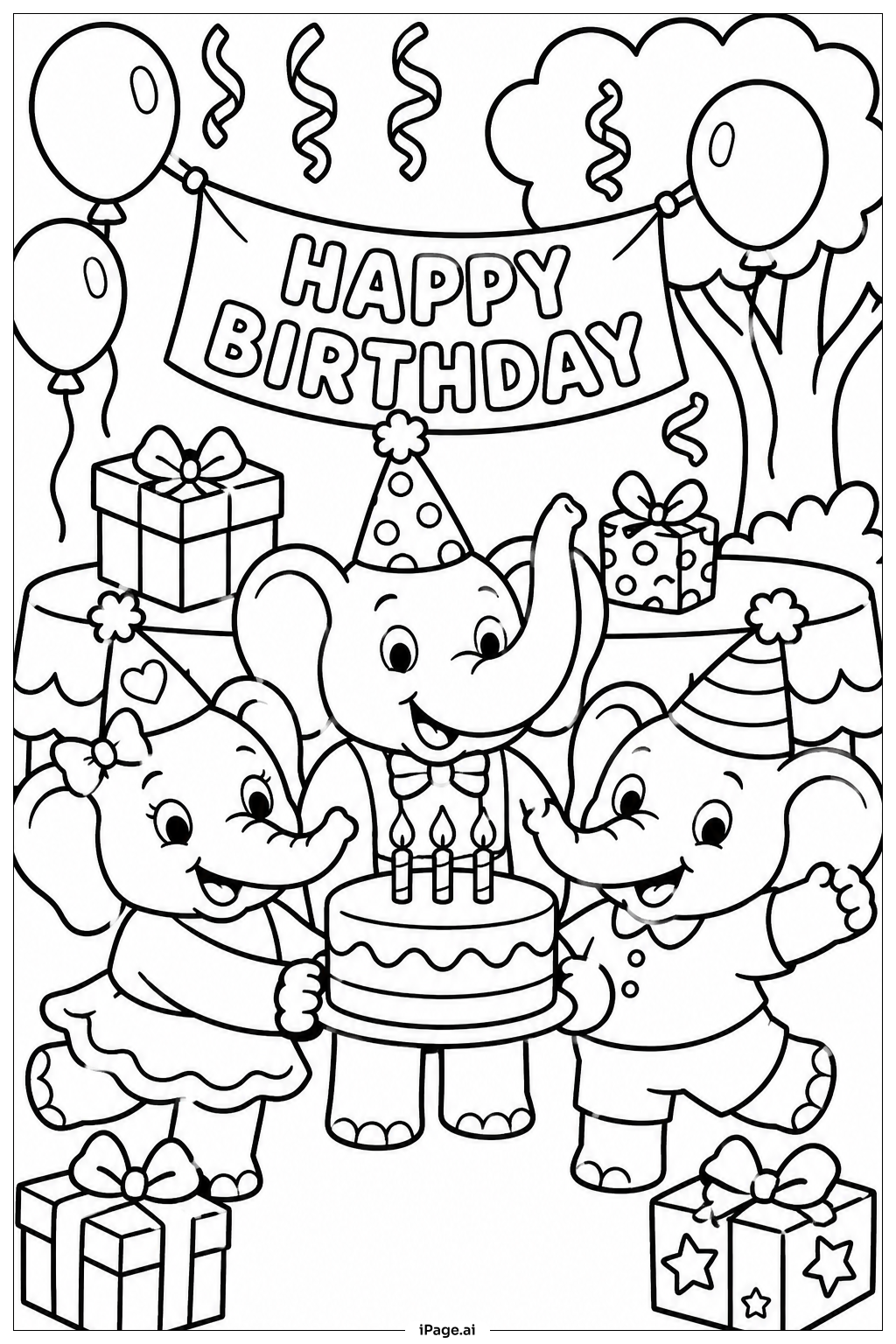
Start with the elephant's body using light gray or soft blue. These colors give the skin a natural feel. You can add darker gray along the edges of the ears and legs to show shading and depth. For the hat, try bright and cheerful colors like red, purple, or yellow to make it stand out. Color the ribbon and flower in contrasting shades, such as pink and green, to make them pop. Use a warm brown or tan for the hat brim. The eyes can be colored with dark brown or black, with a small white dot to add a sparkling effect. Feel free to add your own patterns or dots to the hat for extra creativity. Use colored pencils for fine details and markers or crayons for filling in larger areas. There are no rules — let your imagination guide your color choices and make this elephant uniquely yours.
Coloring challenges: Which parts are difficult to color and need attention for Elephant With Hat coloring page?
• Elephant Skin Texture: The elephant's body has subtle wrinkle lines and folds, especially around the trunk, ears, and legs. Staying within these fine lines while also blending colors to suggest texture can be tricky. Younger children may find it helpful to color in one direction and use lighter pressure for a smoother look.
• Hat Details and Accessories: The hat includes small decorative elements like a ribbon, a flower, and a brim with layered edges. Each of these tiny sections requires careful coloring with a sharp pencil or a fine-tipped tool. Switching between multiple colors for each accessory without going outside the lines takes patience and a steady hand.
• Ear Shading and Depth: The large floppy ears need at least two tones to look realistic — a lighter base color and a slightly darker shade near the edges and inner folds. Getting this gradient effect to look smooth without visible streaks is a common challenge, especially for beginners.
• Trunk Curves: The curling trunk has a rounded, three-dimensional shape. To make it look natural, colorists need to apply lighter color in the center and darker color along the outer edges. This technique of shading along curves requires some practice and control.
• Maintaining Color Balance: With so many elements — the large gray body, the colorful hat, and the facial features — keeping all the colors balanced so no single area overwhelms the others is a real artistic challenge. Planning your color palette before you start can help everything feel unified and visually pleasing.
Benefits of coloring books: Advantages of drawing Elephant With Hat coloring page
Coloring this Elephant With Hat page offers a wide range of benefits for children and beginners alike. First, it helps develop fine motor skills. Carefully coloring within the lines of the trunk, ears, and hat details trains hand steadiness and pencil control, which also supports handwriting development. Second, it encourages creativity. Choosing colors for the hat, flower, and ribbon lets kids express their personal style. There are no wrong answers, so every child gets to create something uniquely their own. Third, it builds focus and patience. Working through the different sections of the image, especially the small hat accessories, teaches children how to slow down, pay attention, and complete a task step by step. Fourth, it can be a calming activity. The gentle, friendly nature of the elephant makes this page inviting and stress-free. Coloring has been shown to reduce anxiety and promote a sense of calm in children. Finally, finishing the page gives a real sense of accomplishment. Seeing a completed, colorful elephant is a confidence booster that motivates kids to keep creating and exploring their artistic abilities.