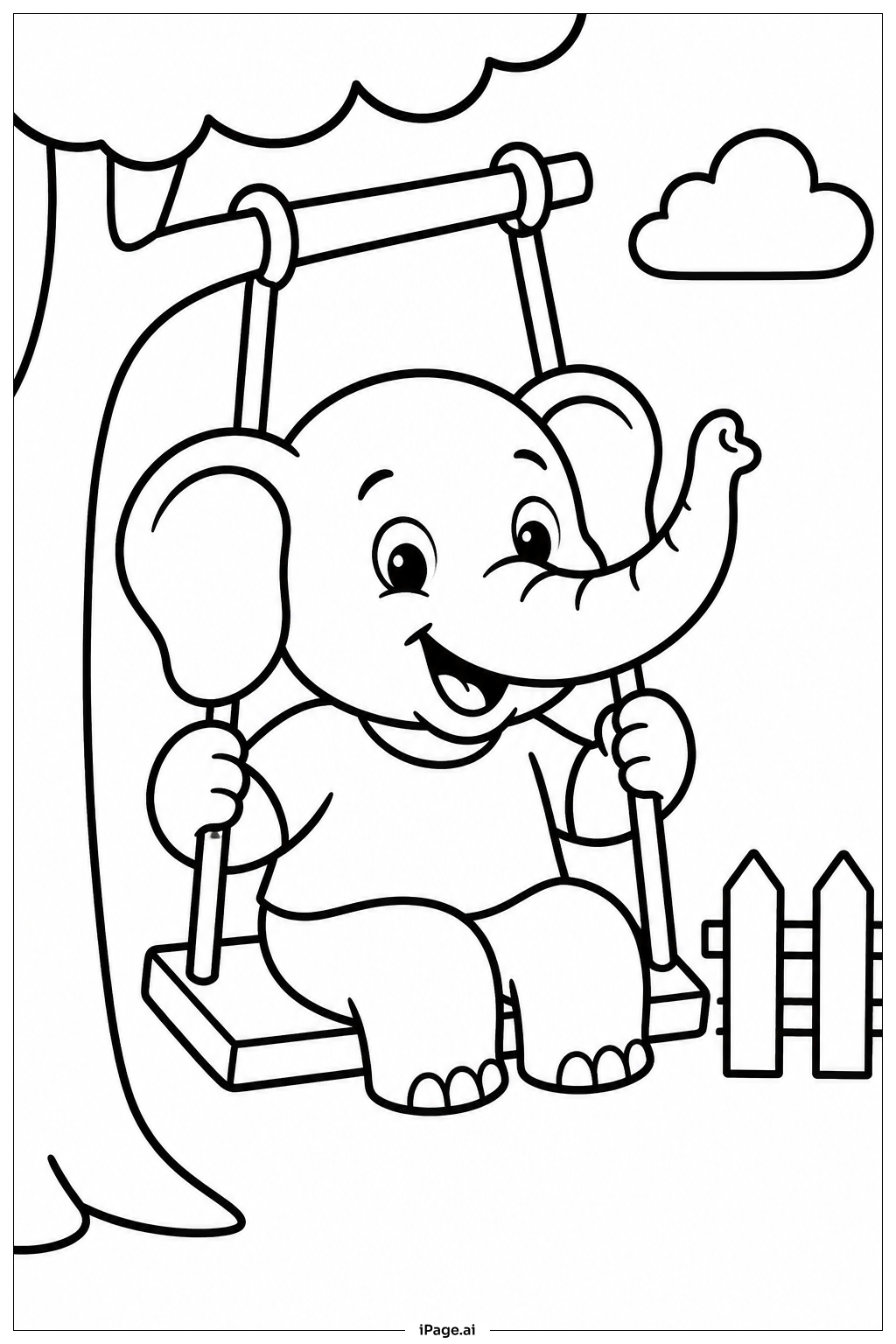
Coloring tips: How to color Elephant Swinging coloring page well?
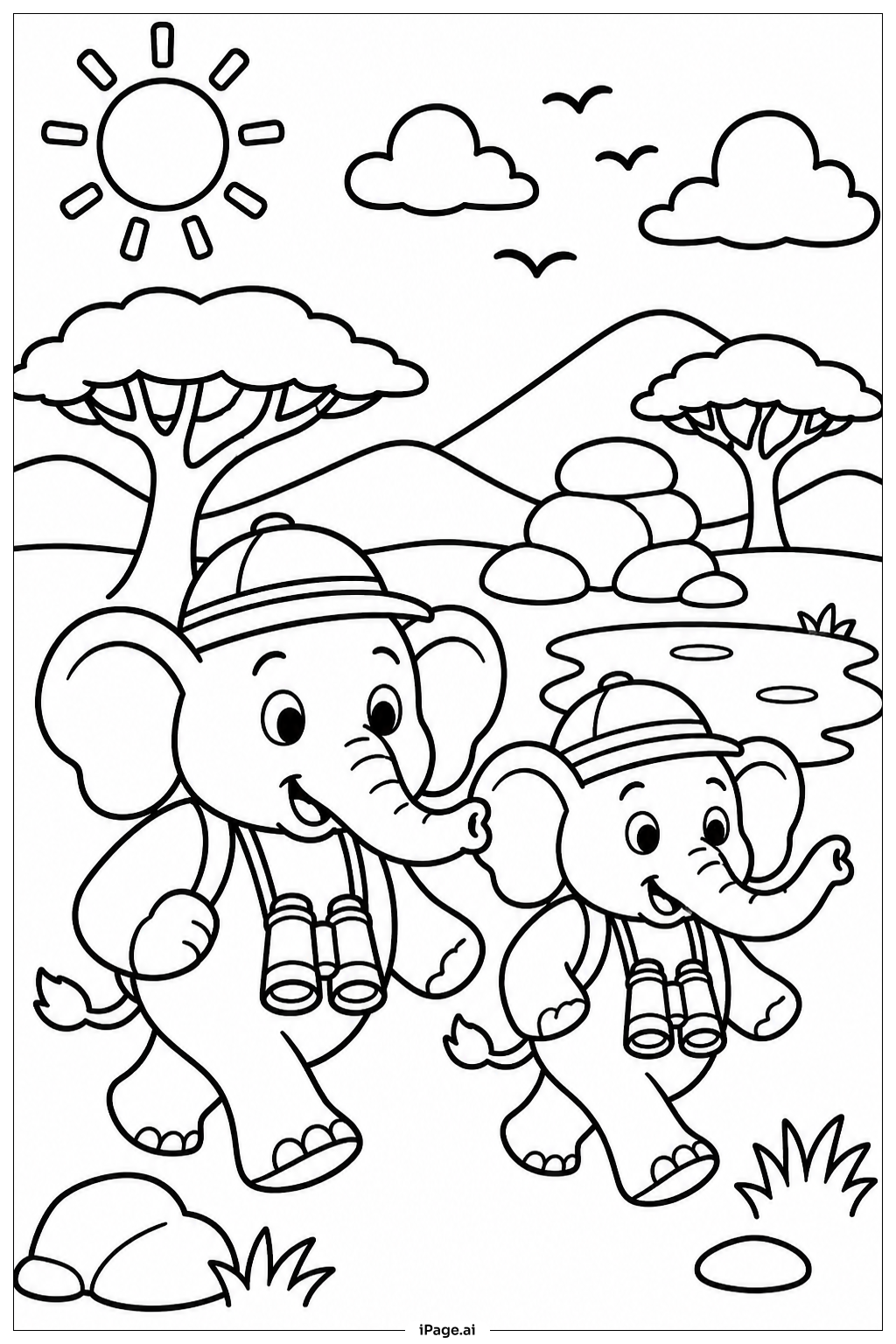
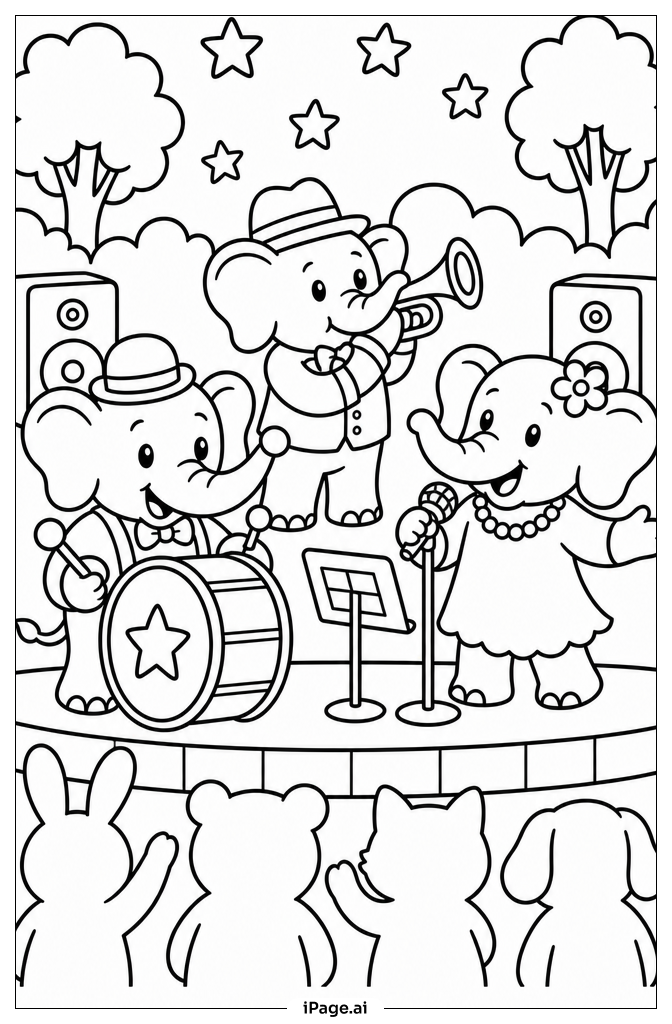
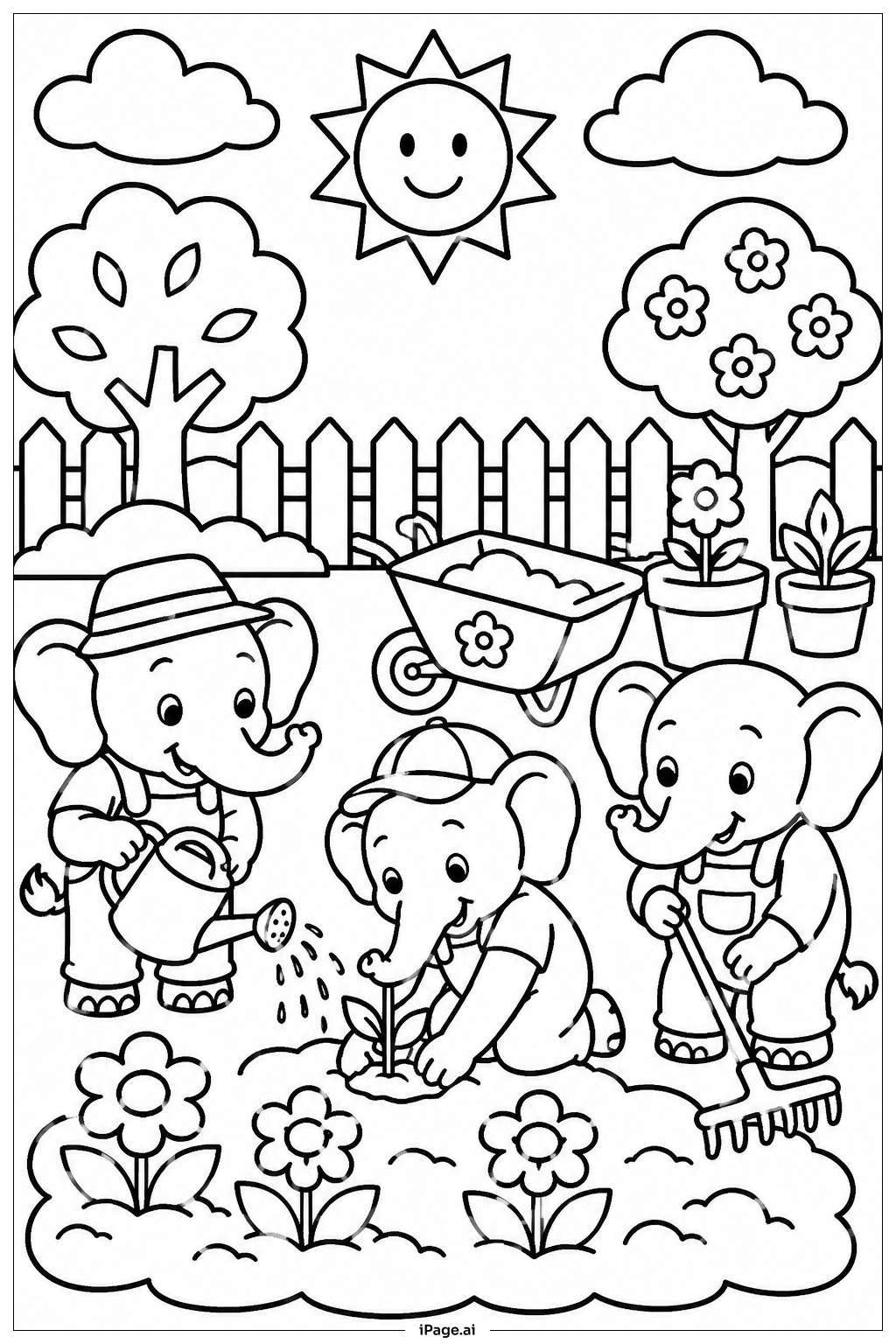
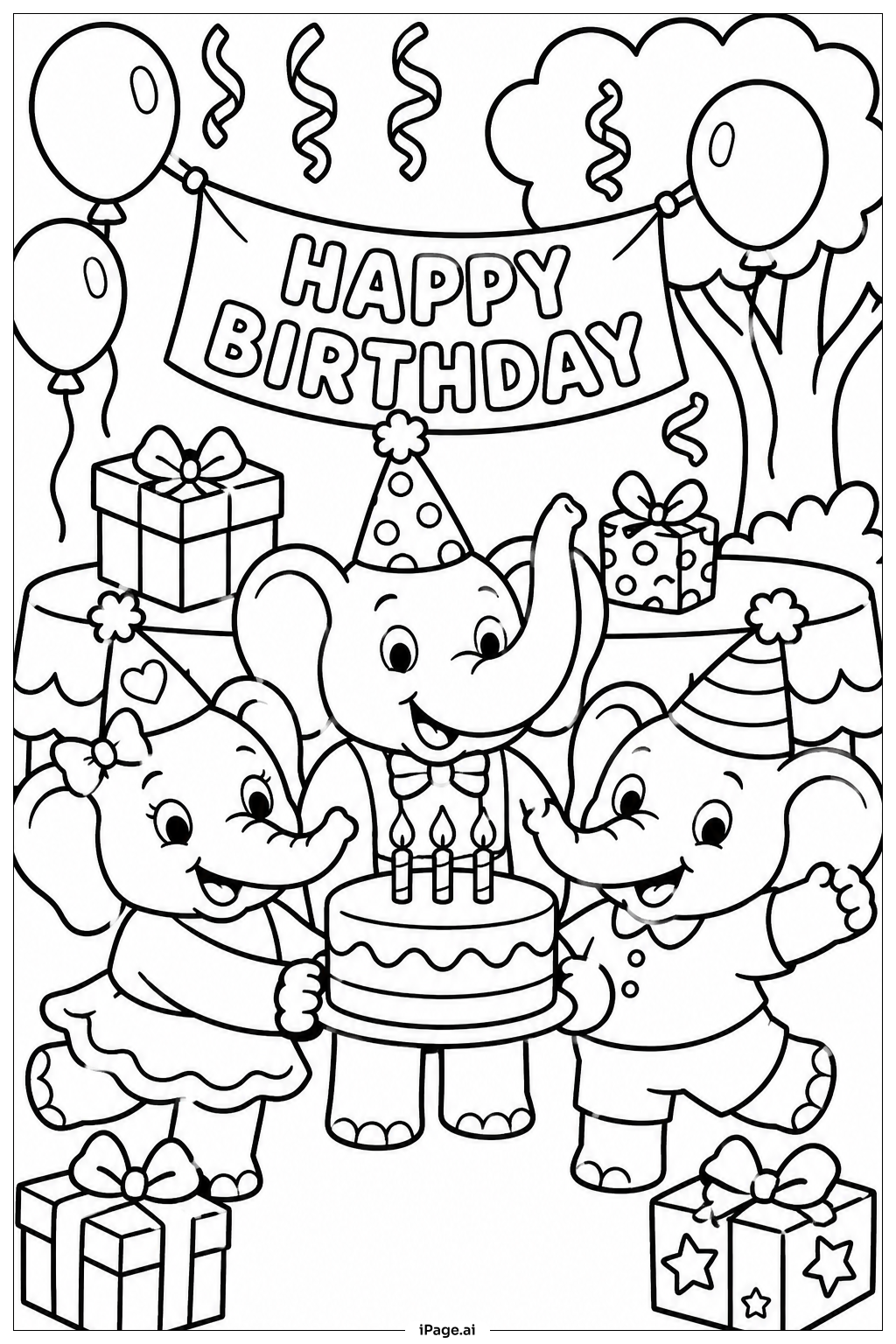
Start with the elephant's body using a medium gray or warm blue-gray tone. Use a slightly darker shade along the belly, leg folds, and ear edges to create a natural shadow effect. The large ears can be colored with a soft pink on the inner side to show delicate skin. Try light brown or beige for the toenails. For the background vines and leaves, use bright greens like lime or forest green to create a lively jungle feel. If you want to make the elephant look extra fun, try a creative approach with purple or teal for the body — kids can let their imagination run wild. Add light yellow or orange highlights to make the image pop. Use colored pencils for smooth blending on the elephant's skin wrinkles, and markers or crayons for bold background areas. Keep the overall palette bright and cheerful to match the playful swinging mood.
Coloring challenges: Which parts are difficult to color and need attention for Elephant Swinging coloring page?
• Skin Texture and Wrinkles: The elephant's body is covered with many small wrinkle lines and skin folds. Coloring inside and around these fine lines without going over them takes a steady hand and patience. Using a sharp pencil or a fine-tipped tool helps keep the details clean and neat.
• Ear Shading: The large floppy ears have two sides — an outer surface and a softer inner surface. Blending two different tones smoothly across the ear area can be tricky. Getting a gradual transition from a darker outer edge to a lighter, pinkish inner section requires careful layering of color.
• Body Proportions and Shadow: The elephant's rounded, bulky body has natural curves and shadow areas, especially where the legs meet the torso and where the belly hangs low. Adding shading in these areas to create a three-dimensional look is a challenge, especially for younger colorists who are still learning about light and shadow.
• Trunk Details: The trunk is long and curved with visible segment lines running along it. Keeping consistent color tone along the full length of the trunk while staying within the segment lines is a careful task. Slightly darker shading on the underside of the trunk adds realism.
• Background Elements: The vines, leaves, or jungle details surrounding the elephant need to be colored in a way that complements but does not overpower the main figure. Choosing the right greens and keeping clean edges where the background meets the elephant's outline is one of the more demanding parts of this coloring page.
Benefits of coloring books: Advantages of drawing Elephant Swinging coloring page
Coloring this fun elephant swinging image offers a wide range of benefits for children and beginners alike. First, it helps improve fine motor skills. Carefully filling in the elephant's wrinkles, trunk lines, and ear edges trains hand control and finger coordination. Second, it builds focus and concentration. Staying inside the lines and managing multiple color areas encourages kids to slow down and pay close attention. Third, it sparks creativity. Children get to choose their own color palette — whether they go for a realistic gray elephant or a magical rainbow one, there are no wrong answers. Fourth, it teaches basic art concepts like shading and color blending in a relaxed, pressure-free setting. Fifth, it provides emotional comfort. The playful, joyful pose of the swinging elephant creates a happy and calming coloring experience that can reduce stress and boost mood. Finally, completing the page gives children a real sense of accomplishment, building confidence and pride in their own creative work. It is a simple, screen-free activity that brings joy at any skill level.