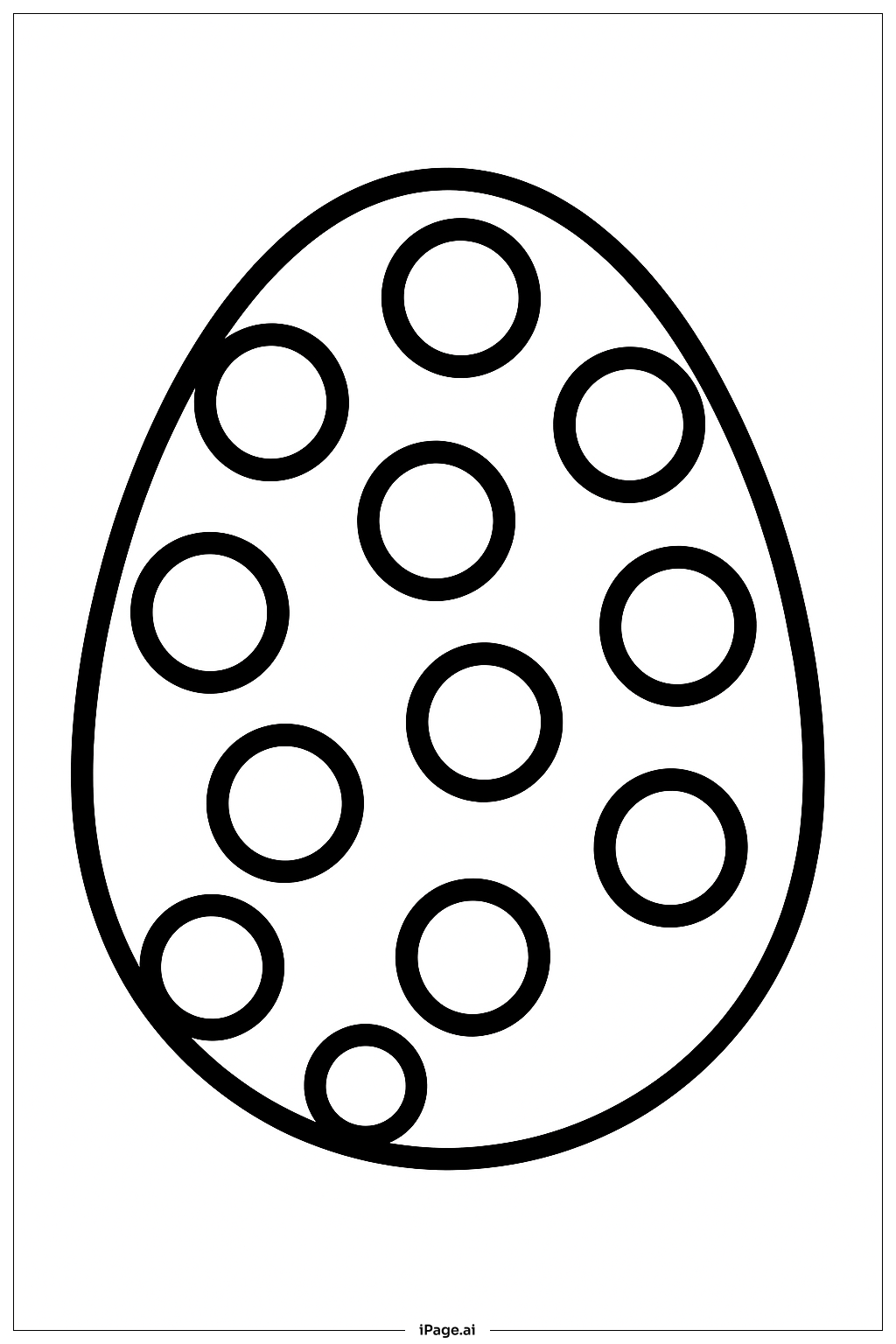
Coloring tips: How to color Polka Dot Egg coloring page well?
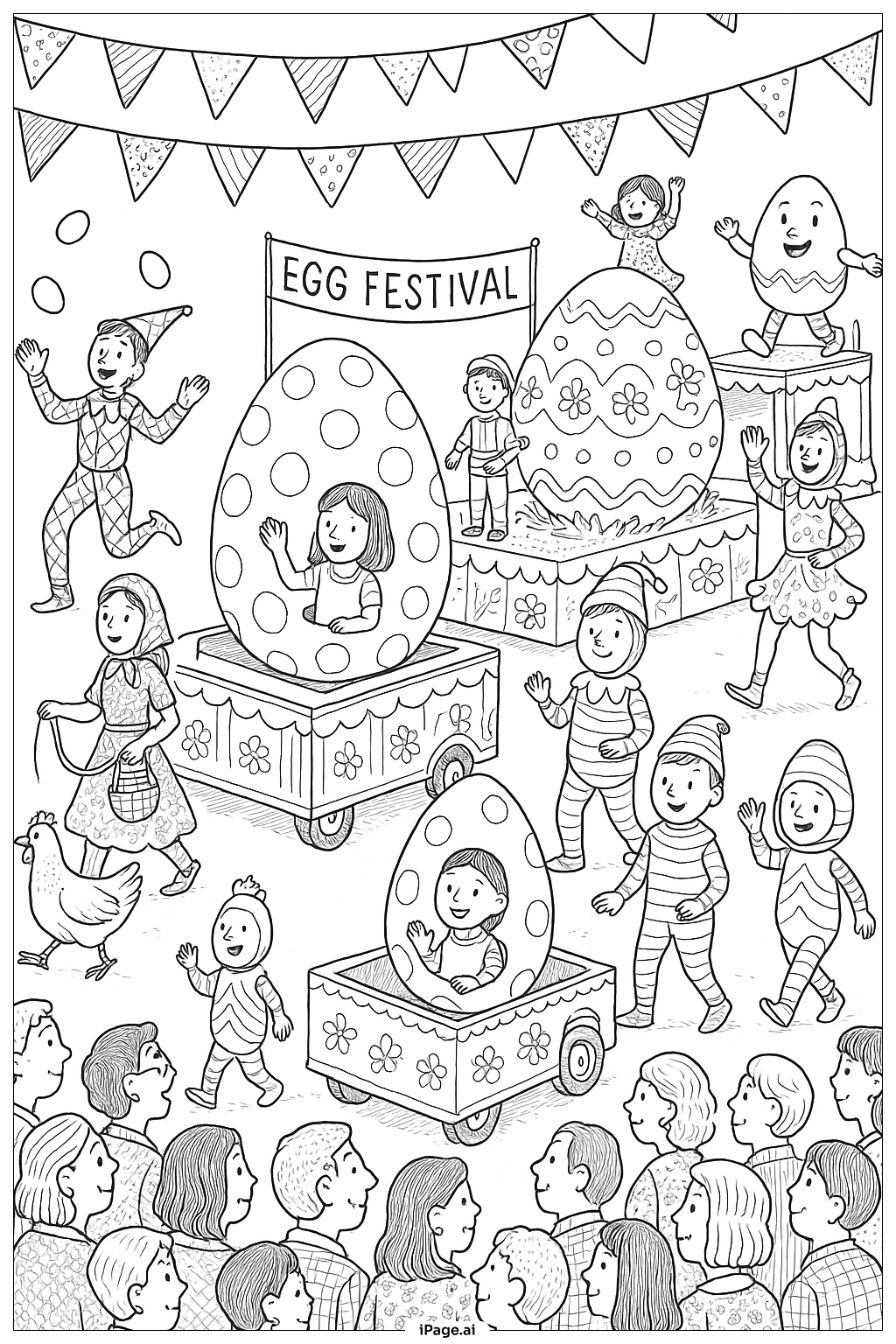
For this delightful Polka Dot Egg, start by choosing a vibrant base color for the egg itself. Consider soft pastels like lavender, mint green, or baby blue for a springtime feel, or go bold with bright yellow or coral. The polka dots offer wonderful creative opportunities - you could color each dot a different color to create a rainbow effect, or use two alternating colors for a coordinated look. Try using darker and lighter shades of the same color family to add depth and dimension. The grass base can be colored in various shades of green, from lime to forest green, or even add tiny flowers in pink or yellow for extra detail. Consider using colored pencils for smooth blending on the egg's surface, and markers or crayons for the dots to make them pop. Experiment with metallic or glitter pens on some dots for a special sparkle effect.
Coloring challenges: Which parts are difficult to color and need attention for Polka Dot Egg coloring page?
• Polka Dot Precision: The numerous polka dots of different sizes require careful attention to stay within the lines. Younger children may find it challenging to color each circular dot neatly without going over the edges, especially the smaller dots. This requires steady hand control and patience to complete all the dots individually without them blending together.
• Color Coordination Choices: Deciding on a color scheme that works harmoniously can be tricky. With so many dots to color, children need to think about whether to use a pattern, random colors, or a specific color palette. Making these decisions and sticking to a plan throughout the entire image requires planning skills and color theory understanding.
• Maintaining Consistency: If choosing to create a pattern with the dots, such as alternating colors or grouping by size, maintaining that consistency across the entire egg requires focus and memory. It is easy to lose track of the pattern, especially when coloring sessions are interrupted.
• Base Egg Coloring: Creating an even, smooth color on the large egg surface without streaks or white patches can be challenging. This is particularly difficult when using colored pencils or crayons, as it requires consistent pressure and careful strokes to achieve a professional-looking finish.
• Small Detail Work: The grass blades at the bottom, while simple, contain thin lines that require careful coloring to avoid spilling over into the egg area or leaving gaps.
Benefits of coloring books: Advantages of drawing Polka Dot Egg coloring page
Coloring this Polka Dot Egg provides excellent fine motor skill development, especially through the precise work required to fill in each circular dot. Children practice hand-eye coordination and pencil control as they carefully stay within the boundaries of both large and small circles. The repetitive nature of coloring multiple dots builds focus and concentration while remaining engaging and fun. This design encourages color recognition and experimentation as children decide how to approach the multiple dots - whether to create patterns, use complementary colors, or explore different combinations. The activity promotes decision-making skills and creative thinking. The satisfying nature of completing each dot provides a sense of accomplishment and builds confidence. Additionally, the festive egg theme can spark conversations about holidays, traditions, and nature, making it both an artistic and educational experience that combines creativity with cognitive development.