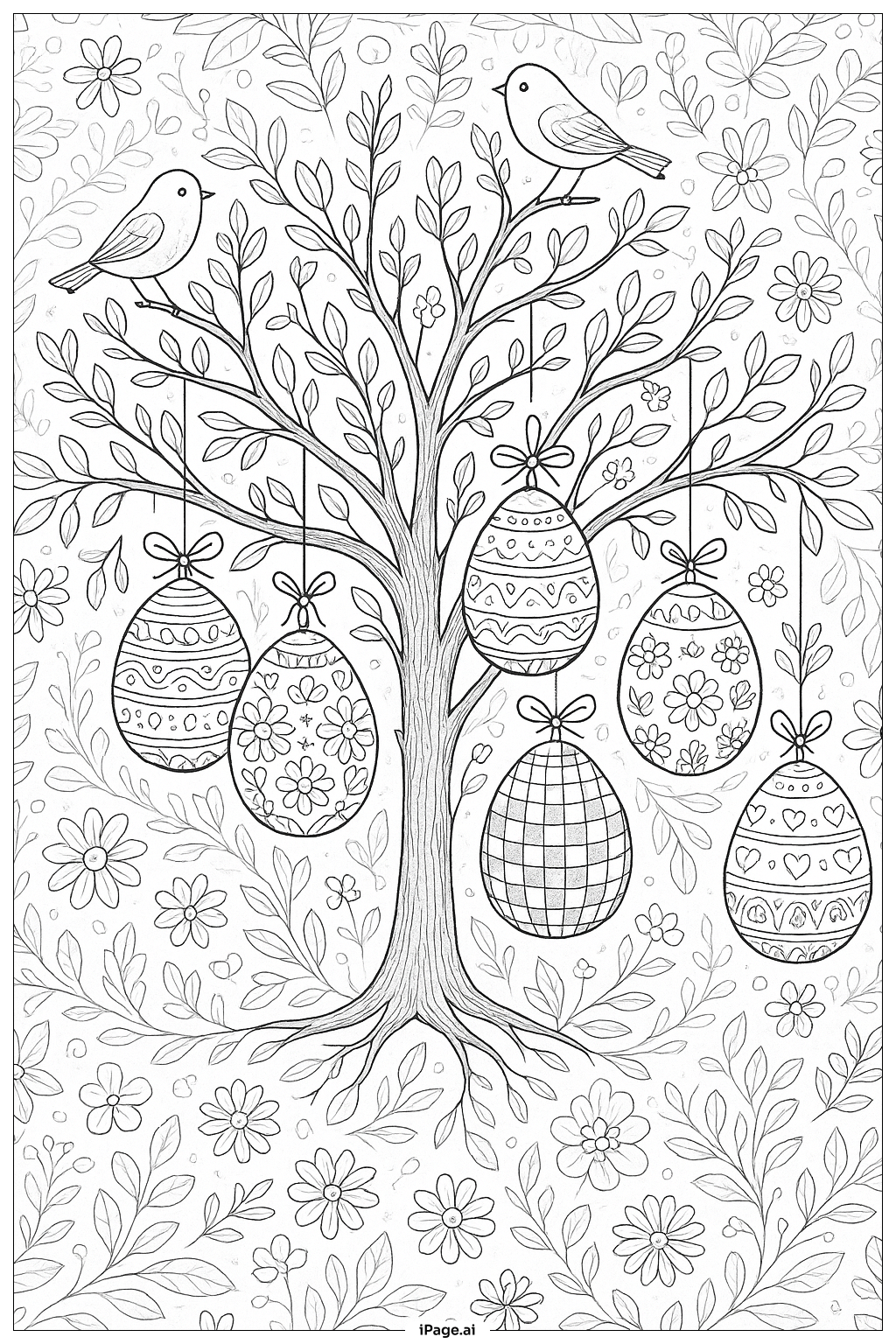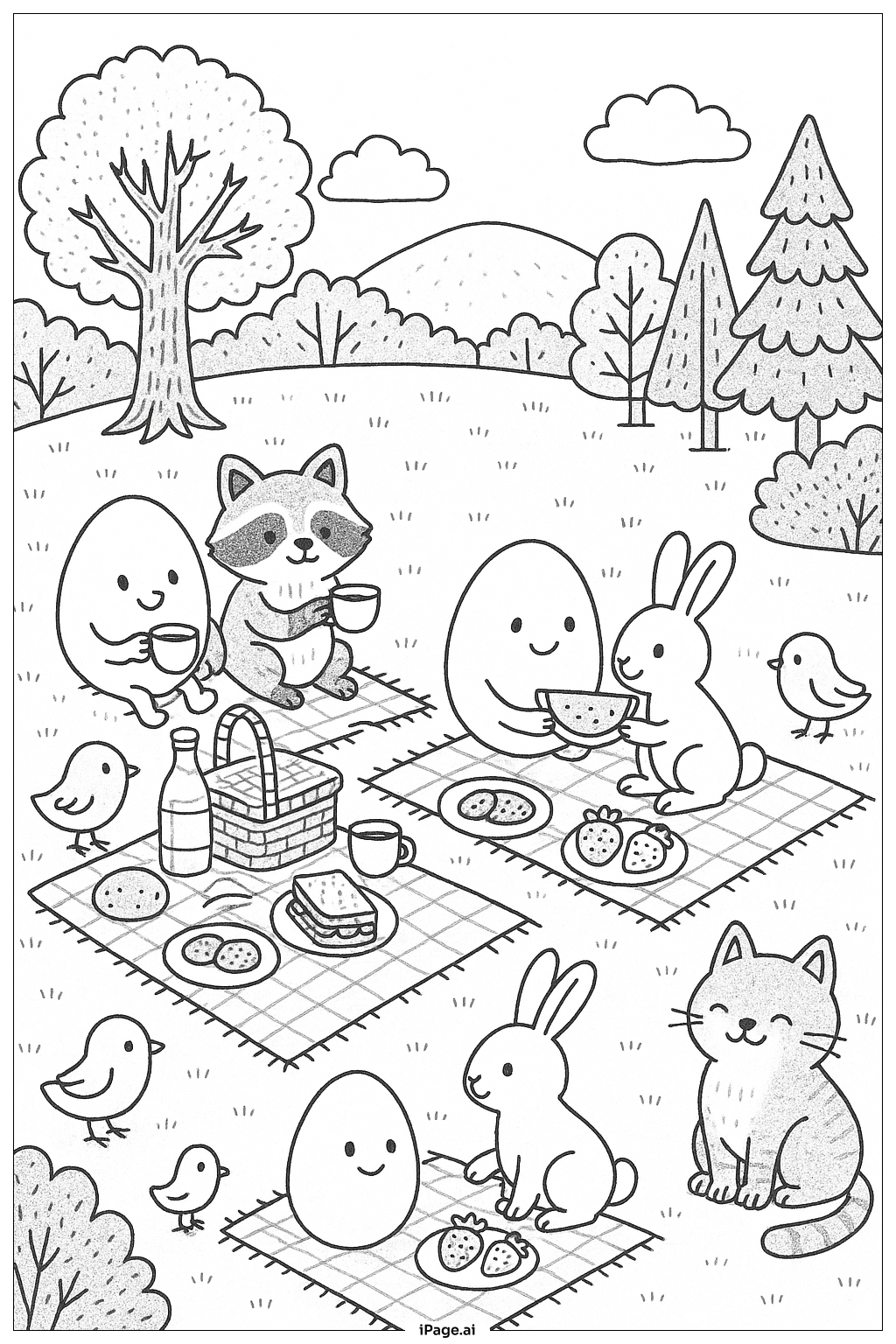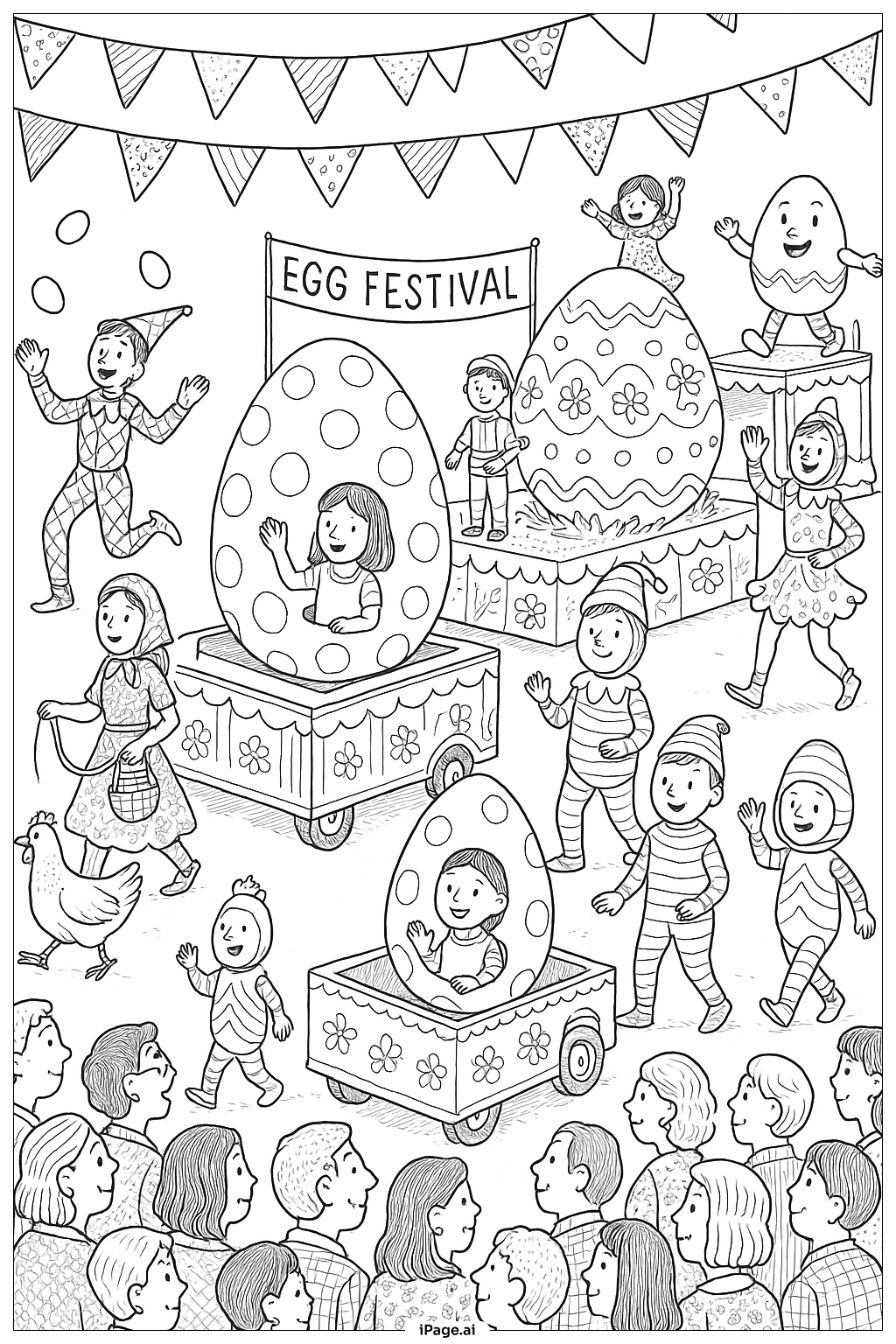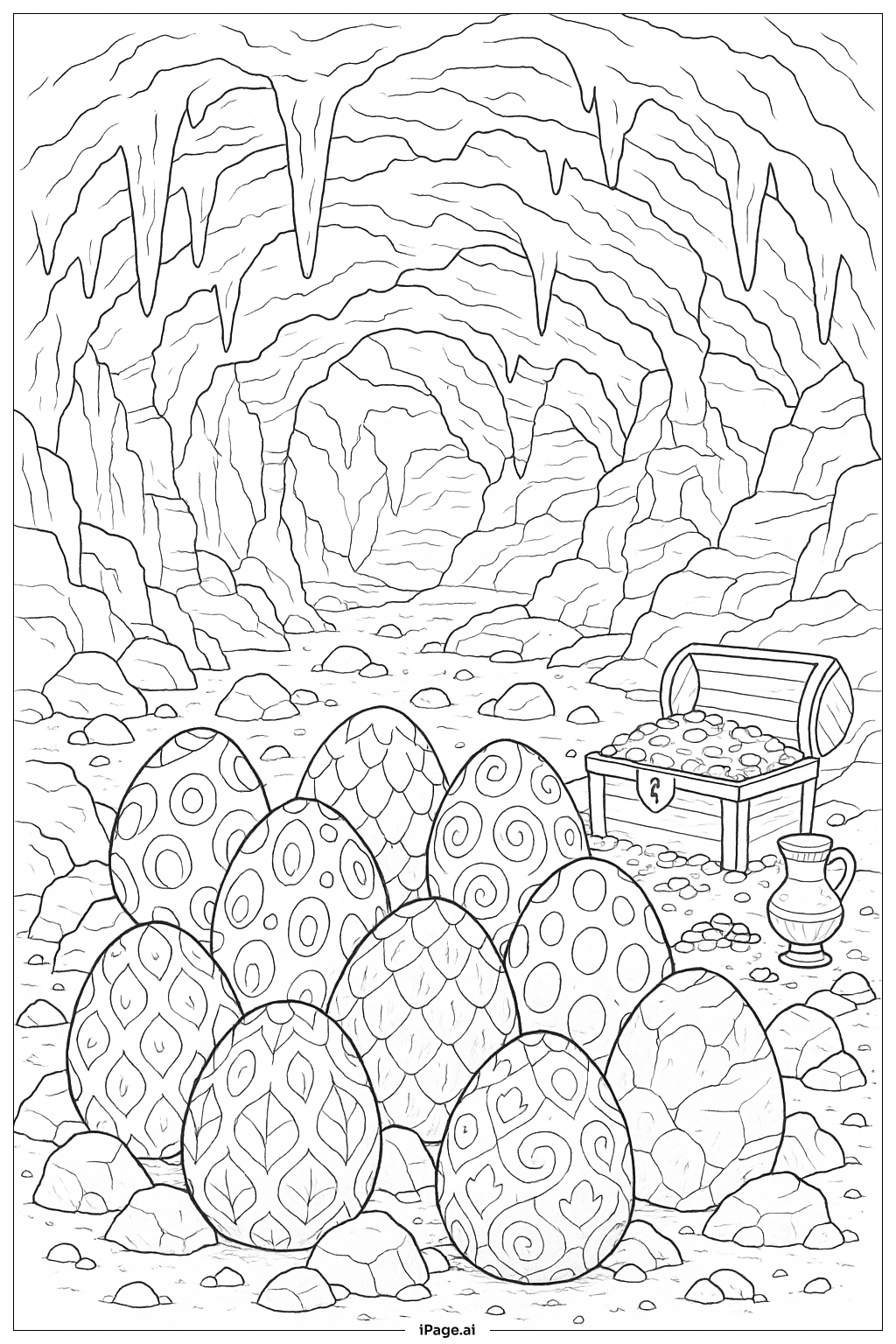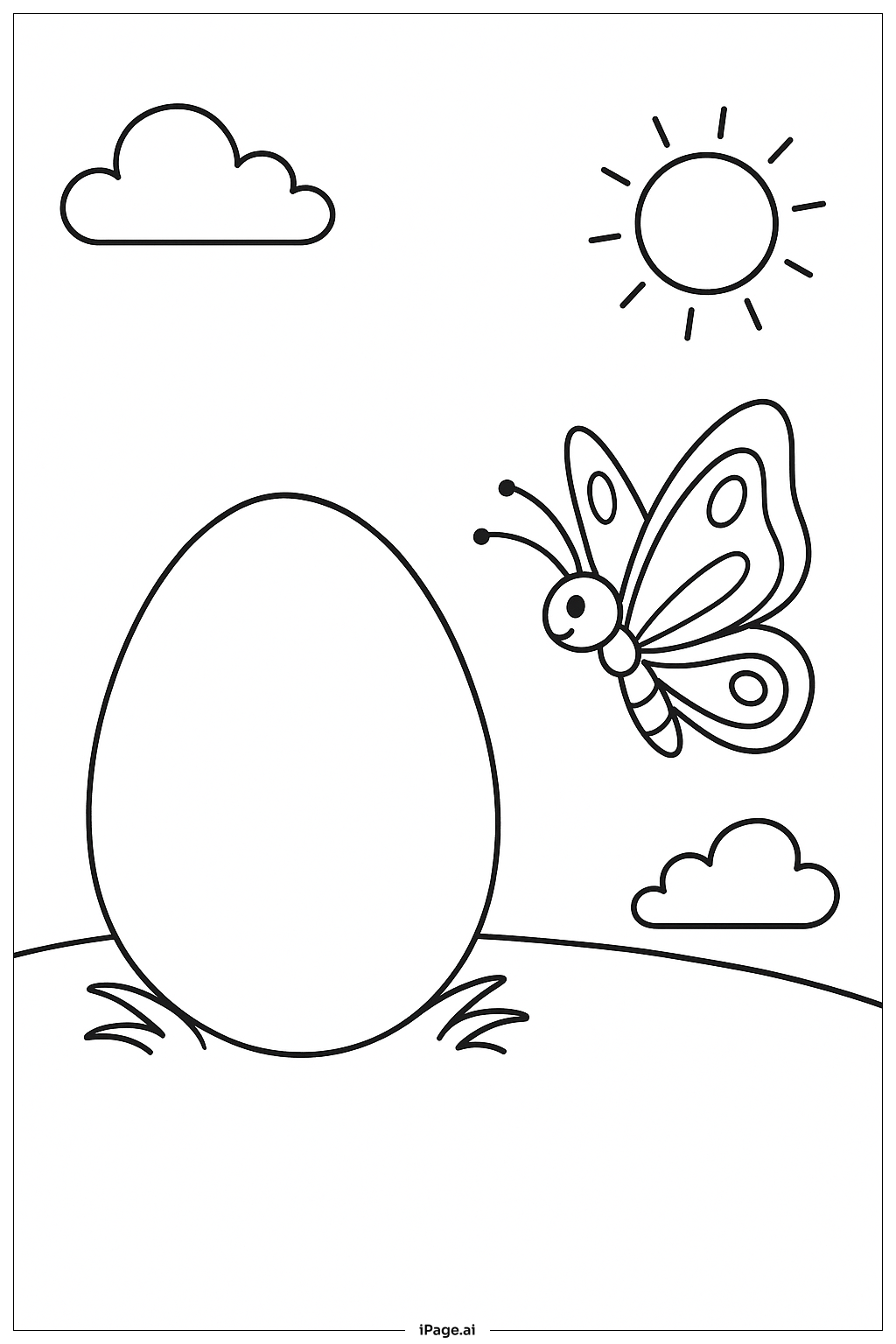
Coloring tips: How to color Egg With Butterfly coloring page well?
Start with the butterfly wings using bright, cheerful colors like orange, yellow, or purple with darker outlines to make the patterns stand out. For the egg, consider using pastel shades such as soft pink, lavender, or mint green as a base color. Add contrasting colors to the decorative patterns on the egg—try gold, silver, or bright jewel tones to make the swirls and dots pop. The surrounding flowers can be colored in vibrant reds, pinks, or blues, while the leaves work well in various shades of green. Consider using colored pencils for gentle shading to give the egg a three-dimensional appearance. You might also experiment with metallic markers or gel pens to add sparkle to special details. Remember to leave some white spaces to create highlights and depth throughout your artwork.
Coloring challenges: Which parts are difficult to color and need attention for Egg With Butterfly coloring page?
• Intricate Egg Patterns: The egg surface contains numerous small decorative elements including swirls, dots, and geometric shapes that require careful attention and steady hand control. Young children may find it challenging to stay within these tiny spaces, while the repetitive nature of the patterns demands patience and focus to maintain consistent coloring throughout.
• Butterfly Wing Details: The butterfly wings feature delicate patterns with thin lines and small segments that need precision coloring. The symmetrical nature of butterfly wings encourages colorists to match colors on both sides, which requires planning and color memory. The fine lines separating different sections can be difficult to navigate without accidentally coloring over boundaries.
• Small Surrounding Elements: The flowers and leaves around the egg base are relatively small and may overlap with each other and the egg, creating tight spaces that are tricky to color neatly. Distinguishing between different elements and choosing appropriate colors for each requires good spatial awareness and fine motor control.
• Shading and Dimension: To make the egg appear round and three-dimensional rather than flat, colorists need to understand light and shadow concepts. Applying gradual color transitions and highlights effectively requires advanced technique and an understanding of where light would naturally fall on a curved surface.
Benefits of coloring books: Advantages of drawing Egg With Butterfly coloring page
Coloring this egg and butterfly design helps children develop important fine motor skills and hand-eye coordination through the precise work required for small details. The intricate patterns encourage focus and concentration, helping to improve attention span and patience. This image also offers opportunities to learn about color theory by experimenting with complementary colors and shading techniques. The combination of geometric patterns on the egg and organic shapes in the butterfly and flowers allows children to practice different coloring approaches. The spring and nature theme can spark conversations about life cycles, butterflies, and seasonal changes, connecting art with science learning. Completing this detailed coloring page provides a strong sense of accomplishment and boosts confidence. The relaxing, meditative nature of filling in patterns can also help reduce stress and anxiety while promoting mindfulness in both children and adults.