Coloring tips: How to color Easter Basket And Single Ribbon coloring page well?
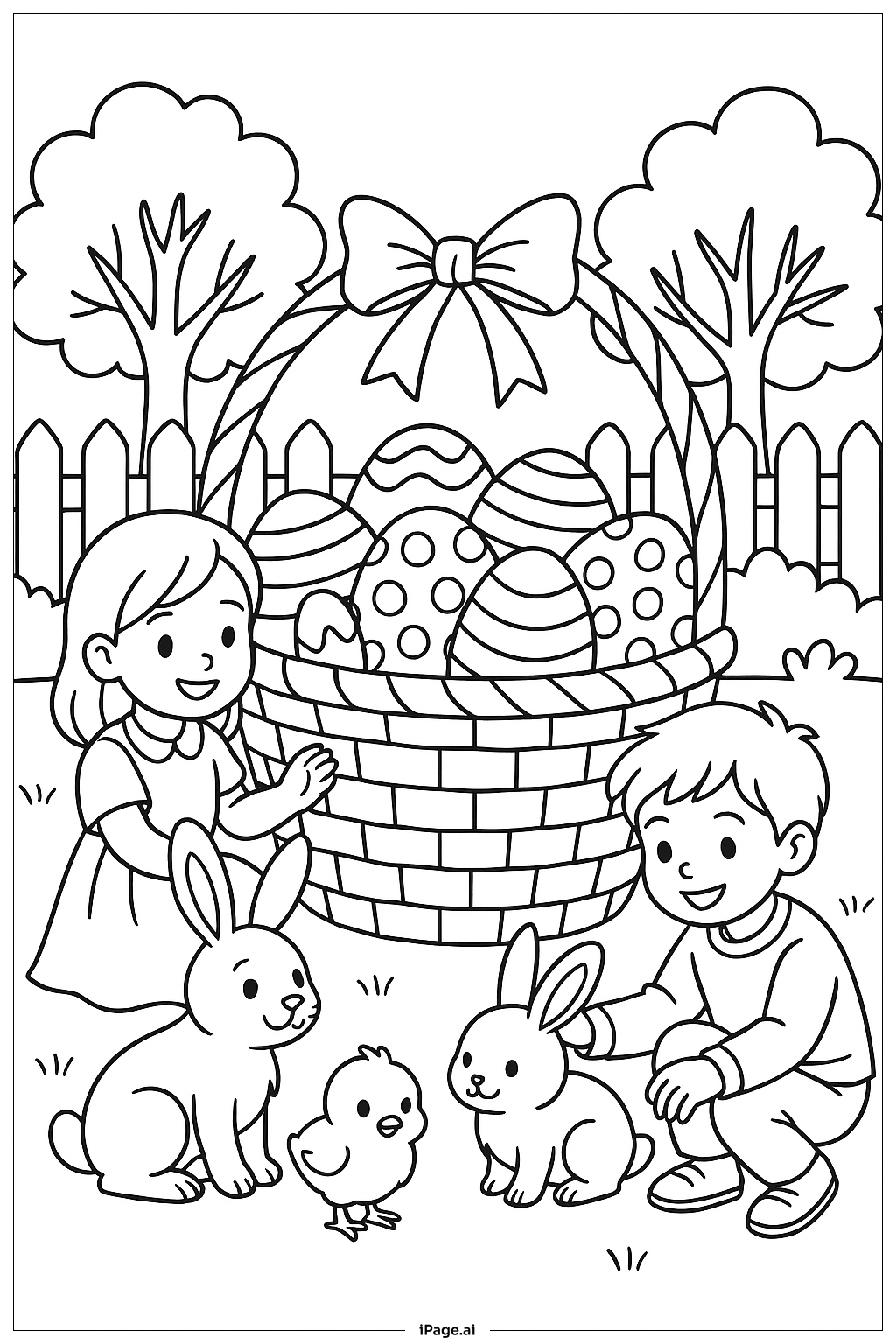
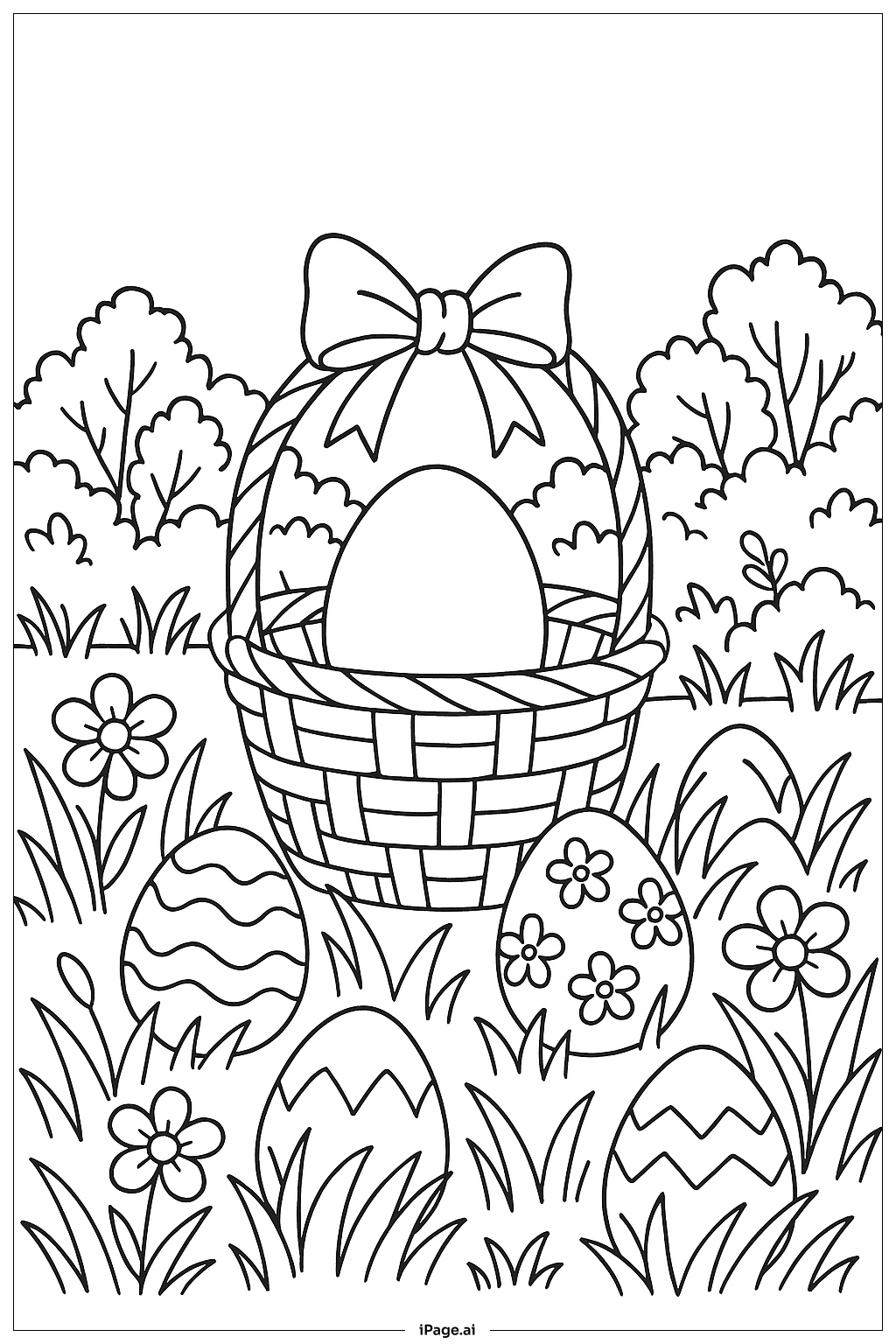
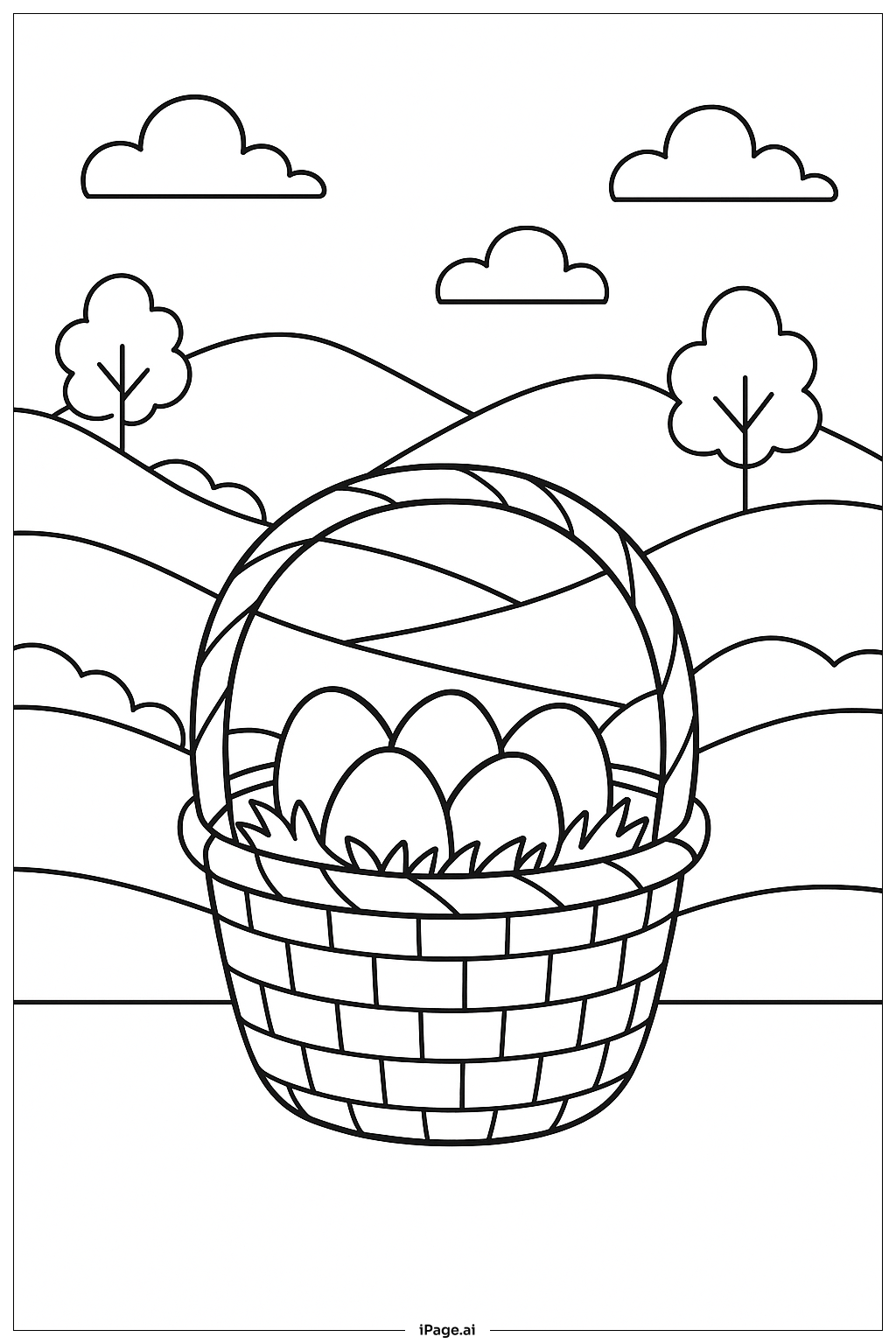
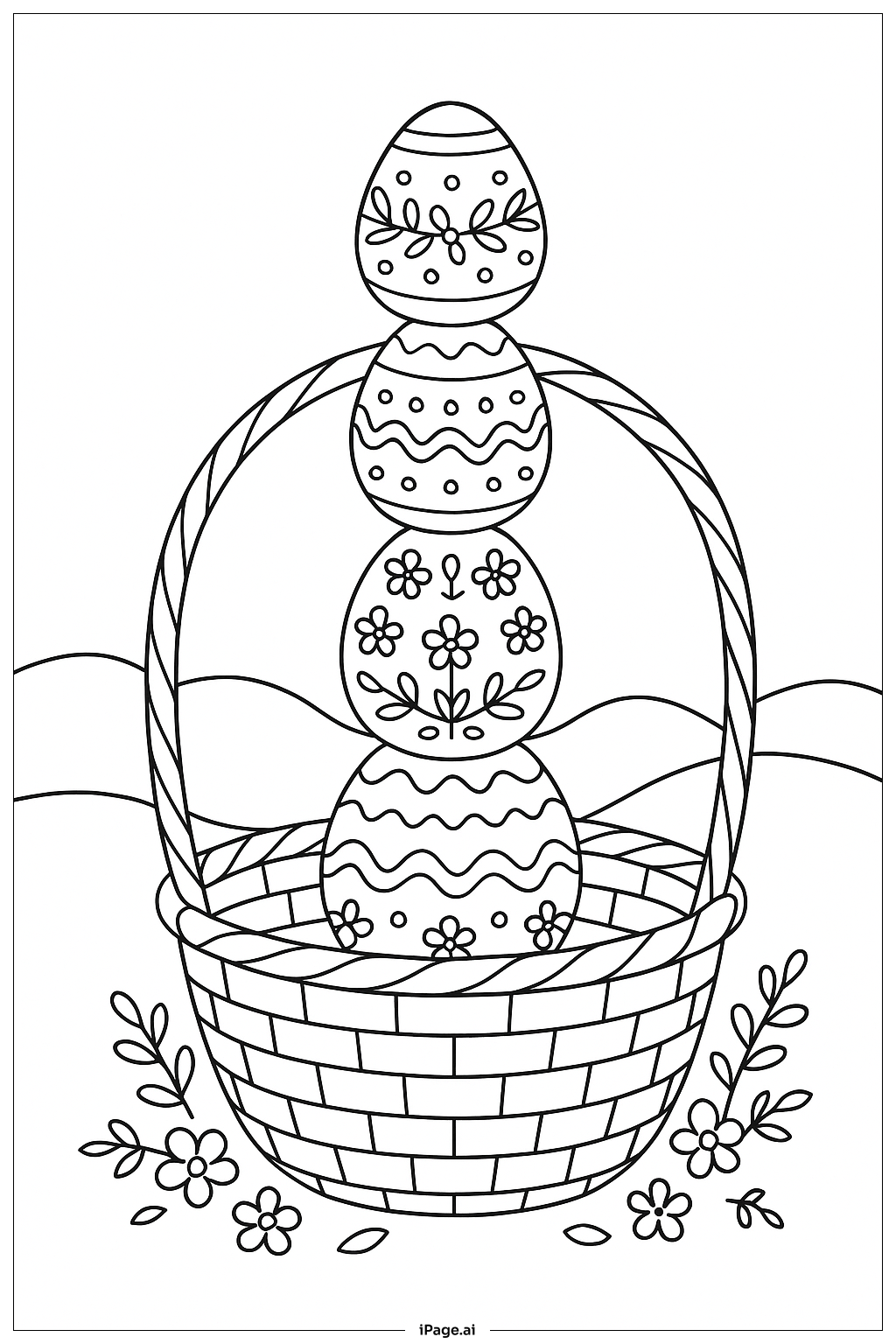
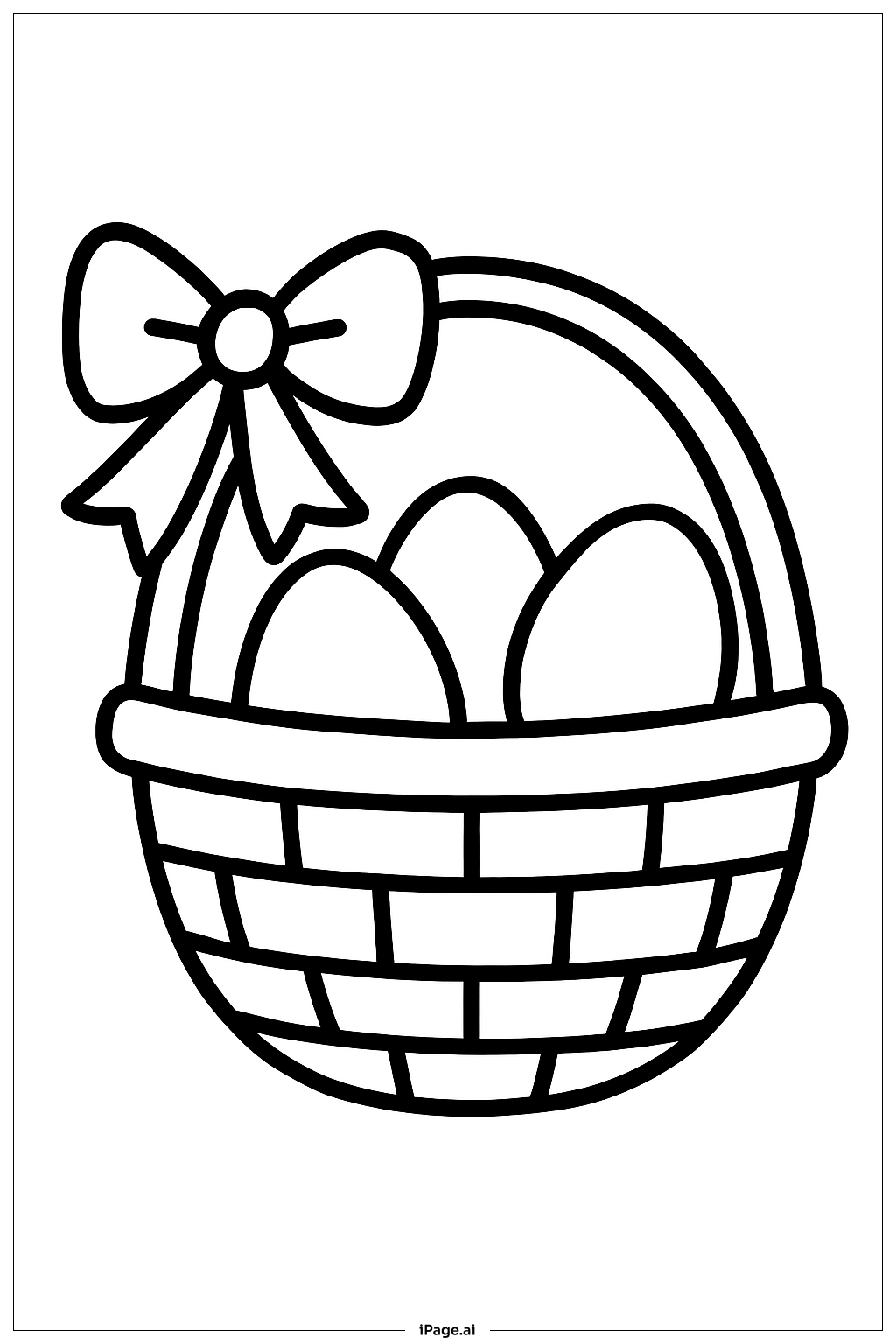
Start with the basket itself using warm brown or tan tones to create a natural woven appearance. You can alternate between light and dark browns to emphasize the lattice weaving pattern. For the Easter eggs, let your creativity shine by using a rainbow of spring colors like pink, purple, yellow, blue, and green. Consider making each egg a different color to create visual variety. The ribbon offers a wonderful opportunity to use a bold, festive color like red, bright pink, or lavender. You might add shading along one side of the ribbon to give it dimension and make it look silky. For added depth, use darker shades along the basket's edges and where eggs overlap. Light pastels work beautifully for a soft Easter feel, while bright, saturated colors create a more vibrant celebration look.
Coloring challenges: Which parts are difficult to color and need attention for Easter Basket And Single Ribbon coloring page?
• Basket Weaving Pattern: The intricate lattice weaving of the basket presents the most challenging aspect of this coloring page. The overlapping strands create numerous small spaces that require careful attention and precision. Young children may find it difficult to stay within these narrow sections. To successfully color this area, consider using the same color family but alternating between two shades to distinguish the over-and-under pattern of the weave, which helps create a realistic three-dimensional basket appearance.
• Egg Pattern Details: Each egg features different decorative patterns with stripes, dots, swirls, and geometric designs. These small details require fine motor control and patience, especially when coloring thin lines or tiny dots. Children may struggle to keep colors within these small pattern boundaries. Using fine-tipped markers or colored pencils rather than broad crayons can help achieve better precision. Taking time to carefully fill each pattern section will result in beautifully detailed eggs.
• Ribbon Flow and Dimension: The single ribbon curves gracefully, and capturing its flowing, silky appearance through coloring requires understanding of light and shadow. Creating the illusion of dimension by adding highlights on one edge and shadows on the other can be challenging for younger colorists. The ribbon's curves also create sections that need consistent coloring to avoid a patchy appearance.
• Color Coordination: With multiple eggs and decorative elements, choosing a harmonious color scheme that looks festive but not overwhelming requires planning. Deciding which colors complement each other while maintaining visual interest across all the eggs presents a creative challenge that helps develop color theory understanding.
Benefits of coloring books: Advantages of drawing Easter Basket And Single Ribbon coloring page
Coloring this Easter basket scene offers wonderful developmental benefits for children. The intricate basket weaving pattern helps improve fine motor skills and hand-eye coordination as children carefully navigate the small spaces between the woven strands. This precise work strengthens the small muscles in hands and fingers, preparing children for writing and other detailed tasks. The variety of egg patterns encourages creativity and decision-making as children choose different colors and techniques for each egg. This promotes artistic expression and color recognition skills. The seasonal theme connects to cultural traditions and celebrations, making the activity meaningful and engaging. Working on the detailed patterns teaches patience and focus, as children learn to concentrate on completing one section before moving to the next. Successfully finishing this moderately complex coloring page builds confidence and provides a sense of accomplishment. The combination of larger areas like the basket body and smaller detailed sections like the egg patterns accommodates different skill levels, making this page enjoyable for a wide age range.