Coloring tips: How to color Dr Seuss Tiny House Door coloring page well?
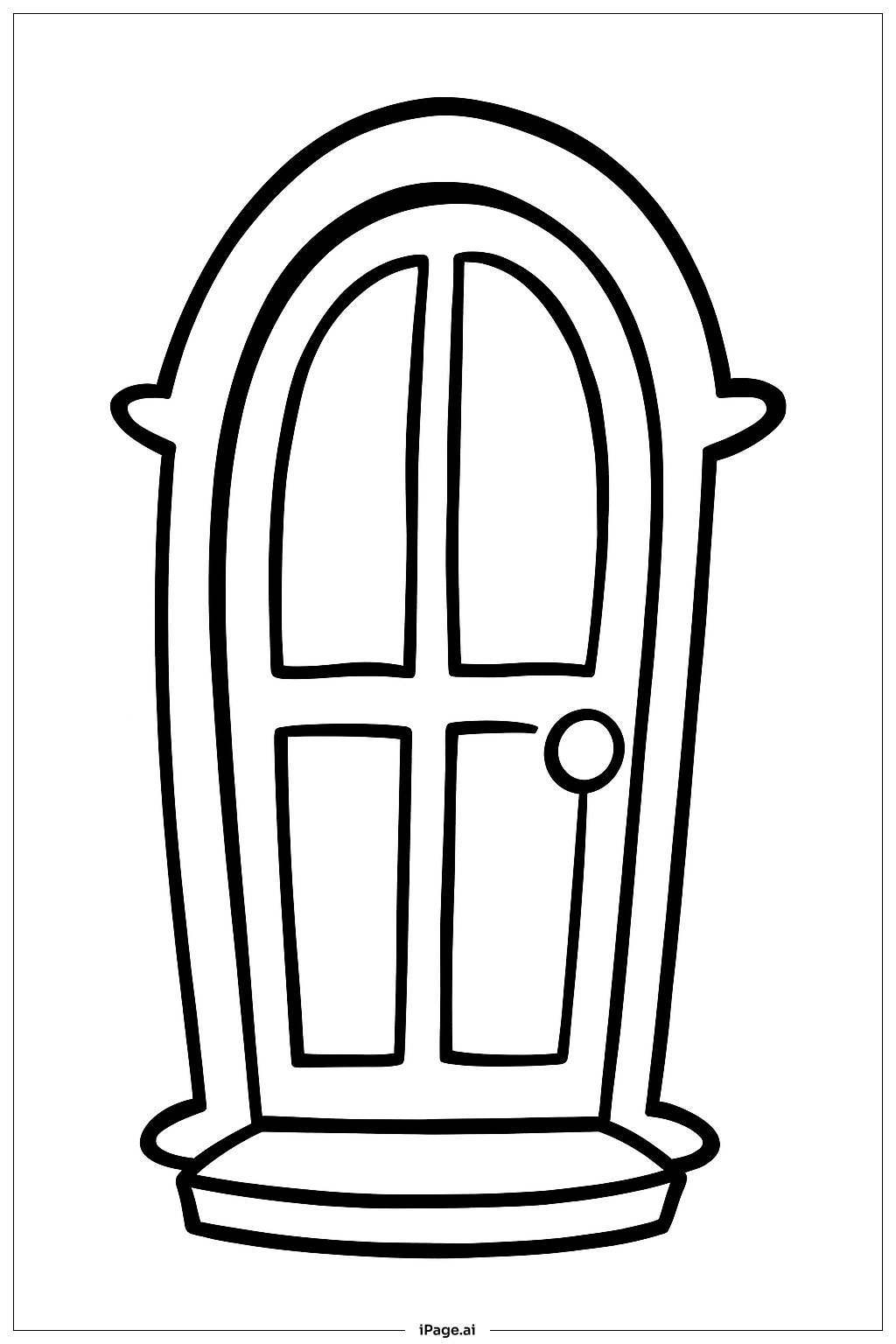
Start with the door itself using warm browns or vibrant purples to capture that magical Dr Seuss feeling. The doorknob can shine in gold or brass tones. For the surrounding house elements, embrace bold, unexpected color combinations like bright orange walls with lime green trim, or hot pink stonework with turquoise accents. The decorative swirls and patterns offer perfect opportunities for rainbow gradients or alternating bright colors. Consider using different shades of the same color family for the panels to create depth. The cobblestones at the base can be colored in varied grays, browns, or even fantasy colors like lavender and mint. Don't be afraid to mix colors that wouldn't normally go together in real life, just like Dr Seuss would do. Add extra details with colored pencils or markers to make small embellishments pop.
Coloring challenges: Which parts are difficult to color and need attention for Dr Seuss Tiny House Door coloring page?
• Curved Line Control: The whimsical, flowing curves characteristic of Dr Seuss architecture require steady hand control to stay within the lines. Young colorists may find it challenging to navigate the swooping arcs and organic shapes without crossing boundaries, especially where multiple curved elements intersect or overlap.
• Intricate Decorative Details: The door and surrounding frame contain numerous small embellishments, swirls, and ornamental patterns that demand precision coloring. These tiny spaces can be difficult for younger children to fill neatly, and require patience to avoid smudging or going outside the designated areas.
• Texture Differentiation: The image includes multiple surface types such as door panels, stonework, decorative trim, and architectural details. Deciding how to color each texture differently while maintaining visual harmony presents a creative challenge. Children must think about how to distinguish materials through color choices and shading techniques.
• Pattern Complexity: The various patterns and dimensional elements throughout the scene require attention to detail and planning. Keeping track of which sections belong to which part of the structure, and maintaining consistent color schemes across separated but related elements, tests organizational skills and focus.
Benefits of coloring books: Advantages of drawing Dr Seuss Tiny House Door coloring page
Coloring this Dr Seuss Tiny House Door page develops fine motor skills through detailed work on curves and small decorative elements. The whimsical design encourages creative color choices, helping children build confidence in artistic decision-making without fear of making mistakes, since anything goes in Dr Seuss worlds. The varied patterns and textures promote focus and concentration as young artists work to differentiate between architectural elements. This page also introduces basic concepts of depth and dimension as children consider how to make the door appear three-dimensional through shading and color contrast. The fantastical nature of the image sparks imagination and storytelling, as children wonder who might live behind such a magical door. Completing this moderately complex design builds patience and provides a sense of accomplishment, while the joyful Dr Seuss style keeps the activity fun and engaging throughout the coloring process.