Coloring tips: How to color Dr Seuss Sleepy Moon coloring page well?
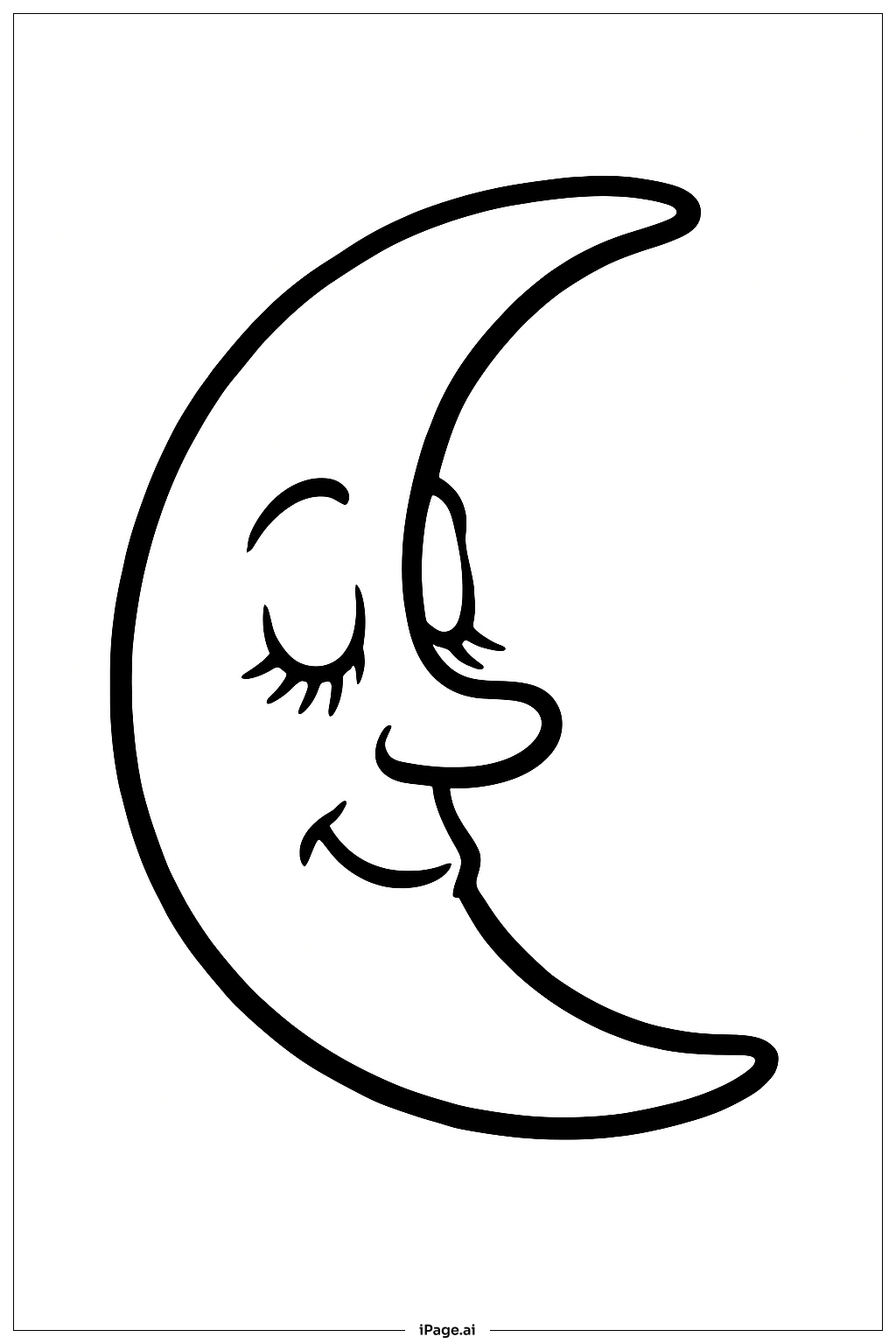
To bring this image to life, use soft blues, purples, and silvery grays for the sky and clouds to create a peaceful night atmosphere. Color the moon with warm yellows, creamy whites, or soft oranges to highlight its gentle glow. The stars can be bright yellows or sparkly metallic colors to make them stand out. You might try blending different shades lightly for the clouds to give a fluffy, dreamy effect. For details like the moon’s sleepy eyes and smile, use darker contrasting colors to make the facial features clear and expressive. Feel free to add your own creative colors to the playful elements around the moon to make your coloring page unique and magical.
Coloring challenges: Which parts are difficult to color and need attention for Dr Seuss Sleepy Moon coloring page?
• Curved Lines and Shapes: The moon and surrounding elements have many smooth, flowing curves that can be tricky to color evenly without going outside the lines.
• Small Details: The details in the moon’s face and the tiny stars require careful attention and steady hands to color accurately without smudging.
• Blending Colors: To make the night sky look soft and dreamy, blending different shades of blue and purple is recommended, which can be challenging for beginners.
• Maintaining Contrast: Balancing the bright colors of the moon and stars with the dark night sky requires thoughtful color choices to keep each part visible and vibrant.
• Consistency: Keeping a consistent style and color scheme throughout the whimsical shapes and patterns helps the whole image look harmonious but can be complicated with many small elements.
Benefits of coloring books: Advantages of drawing Dr Seuss Sleepy Moon coloring page
Coloring this image helps improve fine motor skills and hand-eye coordination, especially due to the detailed curves and small shapes. It encourages creativity by allowing you to experiment with color blending and imaginative color choices. The calm nighttime theme supports relaxation and focus, making it a soothing activity. Additionally, coloring the playful Dr Seuss style shapes can boost visual perception and attention to detail. This image can inspire storytelling and imaginative thinking, as the sleepy moon and whimsical surroundings invite you to think about magical night adventures.