Coloring tips: How to color Dr Seuss Garden With Flowers coloring page well?
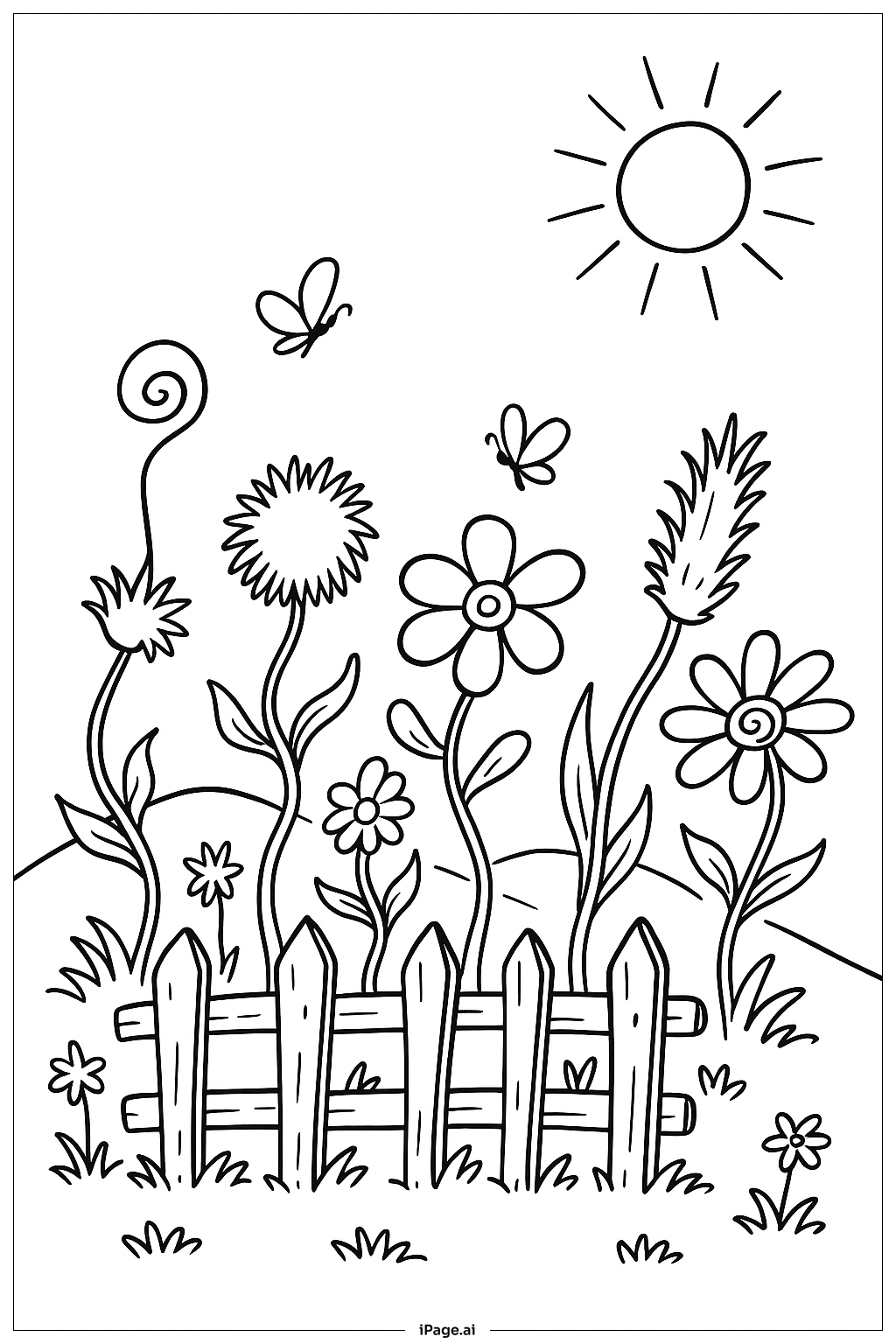
Start with the largest flowers first. Pick bold, bright colors like red, orange, yellow, and pink for the big blooms. This helps the garden feel lively and fun. Use different shades of green for the stems and leaves — light green for smaller leaves and darker green for thicker stems. Try mixing unexpected colors too, just like Dr. Seuss would! A purple flower next to a turquoise one looks amazing. For the background, a soft sky blue or warm yellow works great. Use lighter shades inside the petals and slightly darker tones along the edges to add depth. Don't worry about staying perfectly inside the lines — have fun and let your imagination guide your color choices. This garden is meant to be wild and joyful!
Coloring challenges: Which parts are difficult to color and need attention for Dr Seuss Garden With Flowers coloring page?
• Intricate Petal Shapes: The flowers in this garden have highly unusual, curving petal forms inspired by Dr. Seuss. Each bloom is different, with layered or overlapping edges that require careful attention and a steady hand to color neatly without muddying nearby sections.\n\n• Small Decorative Details: Scattered throughout the garden are tiny dots, swirls, and miniature buds tucked between larger plants. These small elements need fine-tipped markers or colored pencils to fill in accurately without accidentally coloring over the outlines.\n\n• Varied Plant Scales: The image features flowers of very different sizes — from towering blooms to tiny sprouts. Switching between tools for large areas and detailed spots can be tricky and time-consuming, especially for younger colorists.\n\n• Color Planning Across the Garden: Because so many different flower types appear close together, choosing colors that look good side by side takes thought. Using the same color for two neighboring flowers can make the image look flat and hard to read visually.\n\n• Stems and Vines Overlap: The curling stems and winding vines cross over each other in classic Seussian style. Keeping each stem a distinct color while staying inside tight, curved outline spaces is one of the trickier challenges in this scene, especially where multiple lines intersect.
Benefits of coloring books: Advantages of drawing Dr Seuss Garden With Flowers coloring page
Coloring this Dr. Seuss Garden With Flowers page offers a wonderful range of benefits for kids and creative minds of all ages. The whimsical, imaginative design encourages free thinking and creative expression, reminding colorists that there are no wrong choices when it comes to color. Children develop fine motor skills and hand-eye coordination as they carefully fill in curved petals, winding stems, and tiny details. Planning which colors to use for each unique flower also builds decision-making skills and boosts confidence. The playful Seussian style naturally sparks joy and reduces stress, making coloring a relaxing and rewarding activity. For younger children, identifying different flower shapes and sizes helps with visual recognition and attention to detail. Older kids and adults can challenge themselves with shading and blending techniques to create a more vibrant, layered garden. Overall, this page turns a simple creative task into a rich, engaging experience that celebrates imagination, patience, and the pure fun of making something colorful and beautiful.