Coloring tips: How to color Dr. Seuss Fish in Bowl coloring page well?
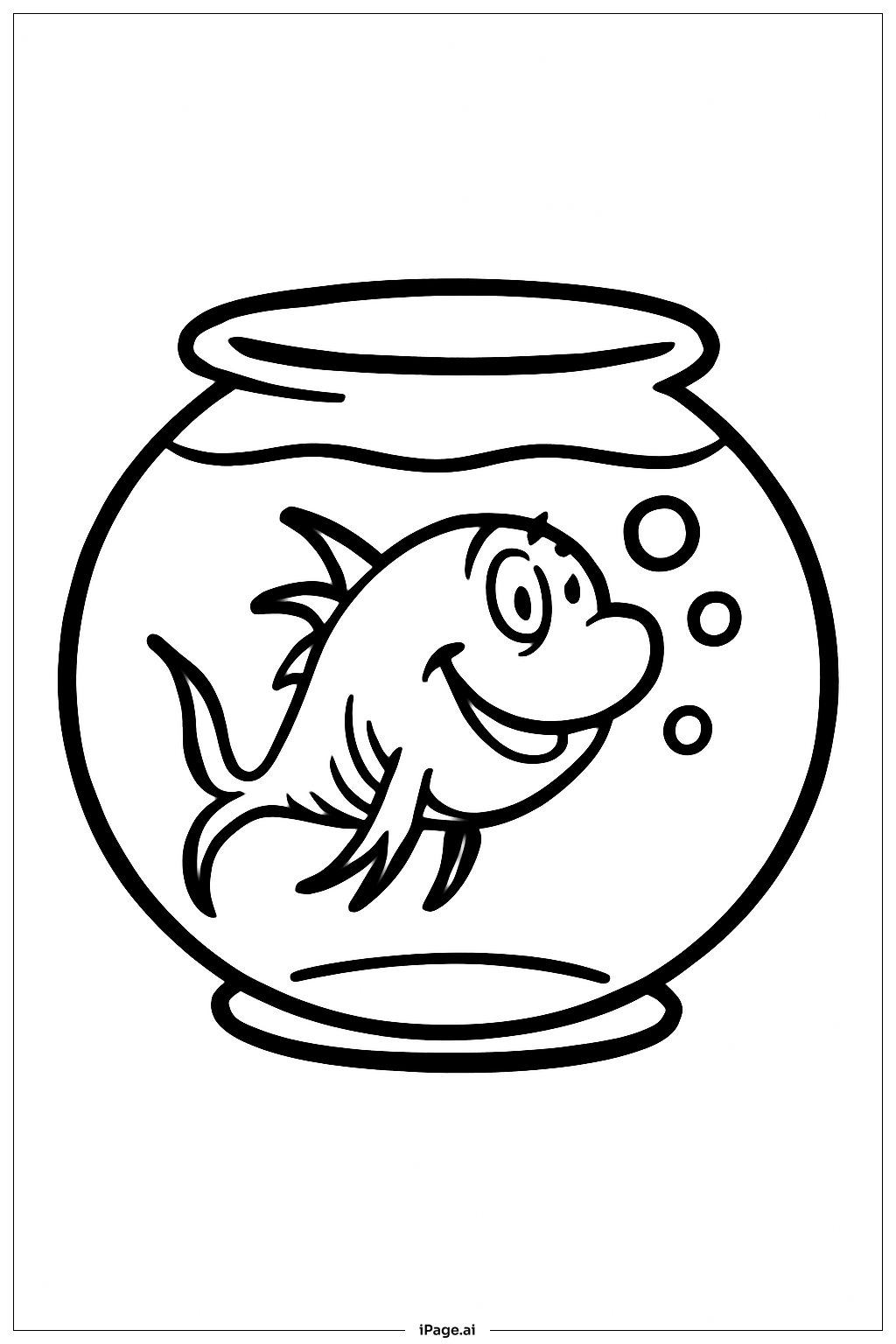
Start by coloring the fish in a bright, fun color like red, orange, or yellow to make it pop. Dr. Seuss characters are known for bold, vivid colors, so do not be afraid to go bright! Use a light blue for the water inside the bowl to give a sense of depth. You can add a darker blue near the bottom and a lighter shade near the top. Color the bubbles white or leave them uncolored with just a light blue outline. For the fishbowl itself, try a pale grey or clear glass look using very light shading. The surface the bowl rests on can be colored in a warm tan or wood tone. Use fun, unexpected colors for any Seussian swirls or decorative elements around the scene. Mix and match colors freely — in the world of Dr. Seuss, anything goes! Colored pencils work great for blending the water tones, while markers are perfect for filling in the bold outlines of the fish and bowl.
Coloring challenges: Which parts are difficult to color and need attention for Dr. Seuss Fish in Bowl coloring page?
• Coloring the Fishbowl Glass: The round fishbowl is meant to look like clear glass, which can be tricky to show with color. You need to use very light, subtle shading and leave some areas white to suggest reflection. Getting the curved shape of the glass to look realistic takes patience and a gentle touch with your coloring tool.
• Blending the Water Effect: The water inside the bowl should look smooth and watery, not flat. Blending two or three shades of blue together to create a sense of depth and movement is a challenge, especially for younger colorists. Uneven blending can make the water look patchy rather than flowing.
• Small Bubble Details: The tiny bubbles floating in the bowl are small and closely spaced. Staying inside the lines of each bubble without smudging nearby colors requires steady hands and a fine-tipped tool. Leaving them white while coloring the water around them demands careful, controlled strokes.
• Seussian Decorative Swirls: The curling, swirling Seuss-style design elements around the scene have tight curves and narrow spaces between them. These small decorative areas are hard to fill neatly, especially with markers or thick crayons. Using a sharpened colored pencil or a fine-tipped marker gives better control in these tight spots.
• Fish Fin and Scale Details: The fish has expressive fins and possibly scale-like patterns on its body. Coloring these small sections with consistent color while keeping each area distinct from the next requires focus and precision, especially when trying to create a layered, lively look on the fish's body.
Benefits of coloring books: Advantages of drawing Dr. Seuss Fish in Bowl coloring page
Coloring this Dr. Seuss Fish in Bowl page brings a wide range of fun and meaningful benefits for kids of all ages. First, it sparks creativity and imagination. The playful, fantastical style of Dr. Seuss encourages children to think beyond realistic colors and explore bold, unexpected combinations. This freedom builds confidence in making creative choices. Second, it improves fine motor skills. Staying inside the lines, shading the water, and filling in the small bubble details all require careful hand movements that strengthen the muscles and coordination needed for writing and drawing. Third, it helps with focus and concentration. Completing a detailed scene like this one trains children to sit with a task, pay attention to details, and see it through to the finish — a skill that carries over into school and everyday life. Fourth, it offers a calming, screen-free activity. Coloring is a gentle, quiet way to unwind and reduce stress, giving kids a healthy break from screens. Finally, it connects children to the joyful world of Dr. Seuss, encouraging a love of storytelling and imaginative play that can inspire a lifelong love of reading and creativity.