Coloring tips: How to color Sleeping Puppy coloring page well?
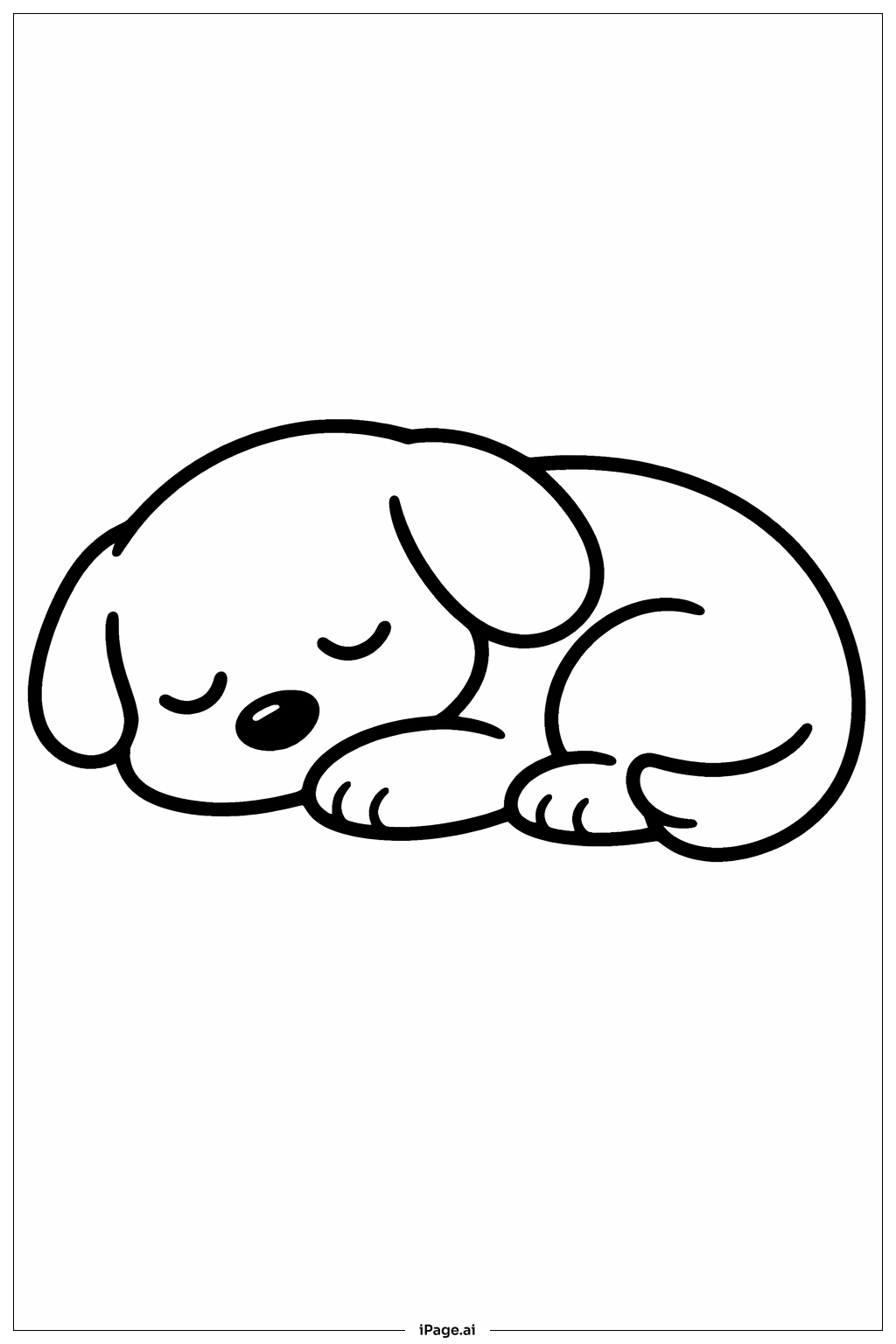
For coloring this sleeping puppy, you can use soft and warm colors like light brown, tan, cream, or pale yellow for the fur. You can also try grays or whites if you want a different breed. Color the nose black or dark brown to make it stand out. Use gentle shading on the ears and paws to add some depth. You can add a soft pink inside the ears or on the cheeks to make it look more realistic. Feel free to create a cozy background with soft green grass or a warm blanket in any color you like. Use smooth strokes to keep the picture calm and peaceful, just like the sleeping puppy.
Coloring challenges: Which parts are difficult to color and need attention for Sleeping Puppy coloring page?
1. Small details like the tiny paws need careful coloring to stay inside the lines.
2. The large areas of fur require gentle shading to create a natural look without making the colors too flat.
3. Adding soft colors inside the ears and on the nose without blending outside the lines can be tricky.
4. Balancing light and shadows to show the puppy’s shape and softness might be difficult for beginners.
5. Choosing the right colors for a realistic or imaginative look can be challenging, especially for young children.
Benefits of coloring books: Advantages of drawing Sleeping Puppy coloring page
Coloring this sleeping puppy helps improve focus and patience. It encourages children to practice careful hand movements when filling small areas. It also teaches them about colors and how to use shading to create soft textures. Coloring a calm and peaceful scene like this can help children feel relaxed and happy. It sparks creativity as they imagine the puppy’s fur and its warm surroundings. Overall, it is a fun and soothing activity that supports fine motor skills and artistic expression.