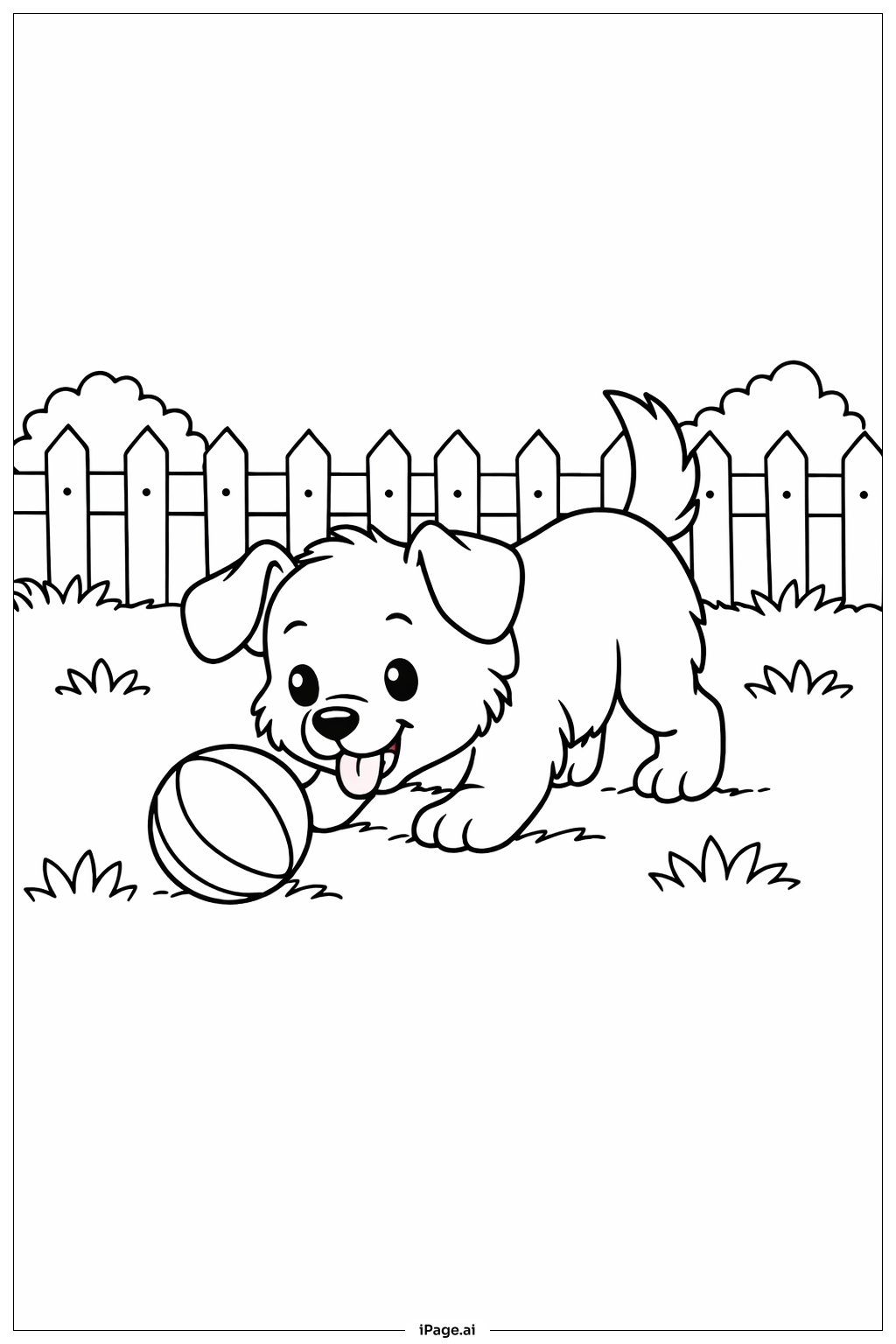
Coloring tips: How to color Puppy With Ball In Yard coloring page well?
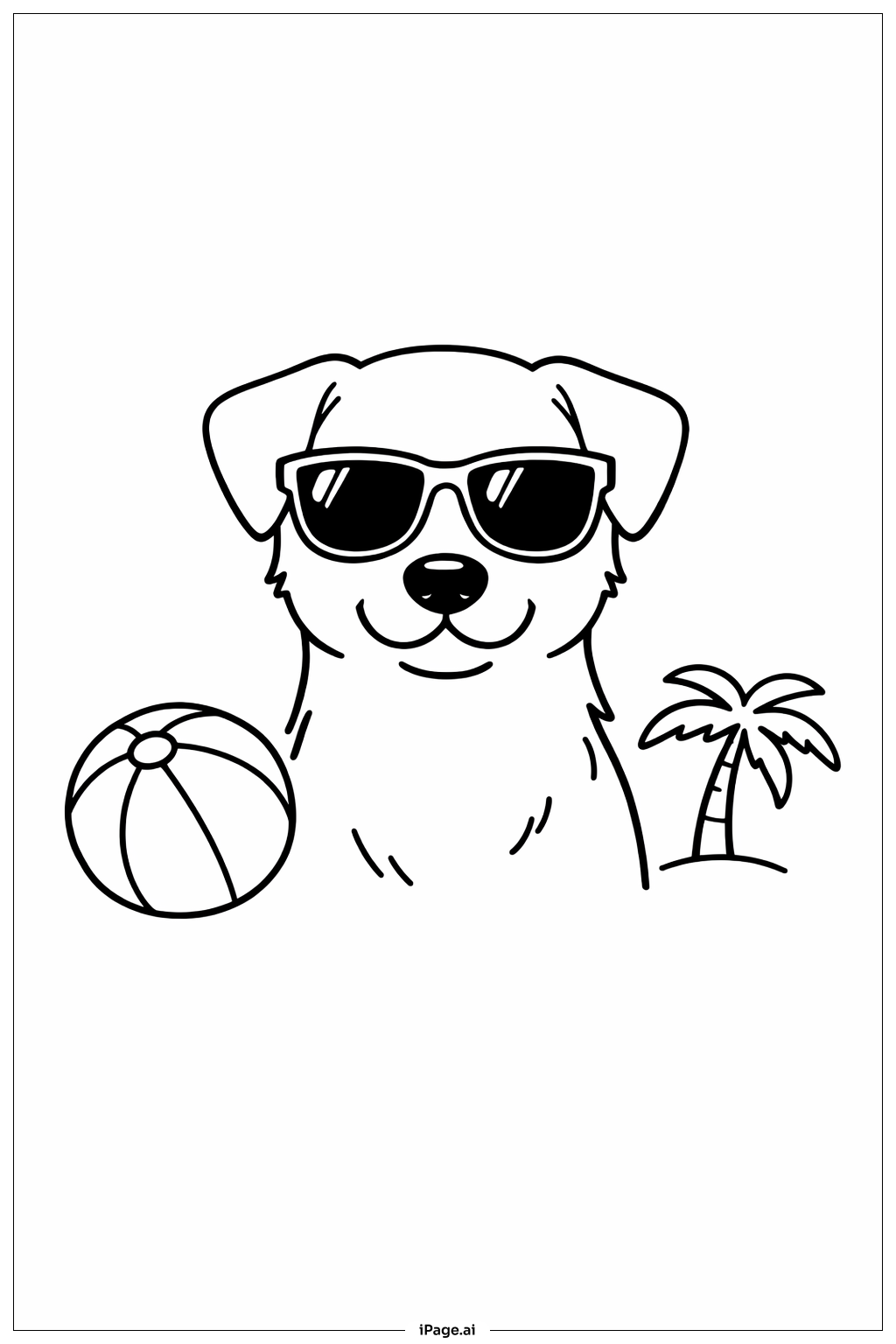
For the puppy, consider warm brown tones like golden retriever shades, chocolate browns, or even playful spotted patterns with black and white combinations. The puppy's nose can be colored black or dark brown, while the eyes might be bright brown or blue for added expression. The tongue, if visible, works well in pink or light red. For the ball, bright, eye-catching colors like red, blue, yellow, or orange will make it stand out as the focal point of play. The grass can range from light spring green to deeper summer green shades, with variations to add texture and depth. Consider adding yellow-green highlights where sunlight might hit the grass. The background can remain light or be filled with soft sky blues. For added dimension, use darker shades along the puppy's outline and in shadowed areas to create depth.
Coloring challenges: Which parts are difficult to color and need attention for Puppy With Ball In Yard coloring page?
• Fur Texture and Direction: The puppy's fur requires careful attention to create a realistic appearance. Colorists should consider using multiple shades of the same color family to build dimension and depth. Applying lighter strokes in the direction of fur growth and gradually layering darker tones in shadowed areas like under the ears, beneath the body, and around the legs will create a three-dimensional effect. Young children may find it challenging to maintain consistent pressure and direction while coloring the fur.
• Facial Expression Details: The puppy's face contains small, intricate areas including the eyes, nose, and mouth that require precision coloring. The eyes need careful work to create a sparkle or highlight that brings them to life, typically leaving a small white dot uncolored. The nose texture and the subtle curves around the mouth demand steady hand control. Children ages 4-7 may need assistance staying within these smaller boundaries.
• Grass Blade Variation: Creating natural-looking grass involves more than filling in green. Effective grass coloring requires varying shades to suggest individual blades, depth, and lighting. Alternating between light and dark greens, leaving some areas lighter to suggest sunlight, and using short upward strokes can achieve realistic texture. This technique requires patience and planning that may challenge younger or beginning colorists.
• Ball Shading and Roundness: Making the ball appear three-dimensional rather than flat requires understanding light sources and shading techniques. Colorists should identify where light hits the ball (usually top-left or top-right) and keep that area lightest, gradually darkening toward the opposite side. This gradient shading technique helps create the spherical appearance but can be difficult for those new to coloring or younger children who tend to color uniformly.
Benefits of coloring books: Advantages of drawing Puppy With Ball In Yard coloring page
Coloring this cheerful puppy scene offers numerous developmental and emotional benefits. For children, it helps develop fine motor skills and hand-eye coordination as they carefully color within the lines and navigate different areas of varying sizes. The image promotes focus and concentration, encouraging kids to complete a project from start to finish. Creatively, it allows freedom of expression through color choices for the puppy's fur pattern, the ball, and the surrounding environment. This particular image also fosters emotional connections with animals, helping children develop empathy and appreciation for pets. The playful, joyful theme can boost mood and reduce stress for colorists of all ages. For younger children, discussing the scene while coloring supports language development and storytelling skills. The varying complexity levels within the image make it suitable for different age groups, with simpler large areas for beginners and detailed sections for more advanced colorists seeking a challenge.