Coloring tips: How to color Dog Bone coloring page well?
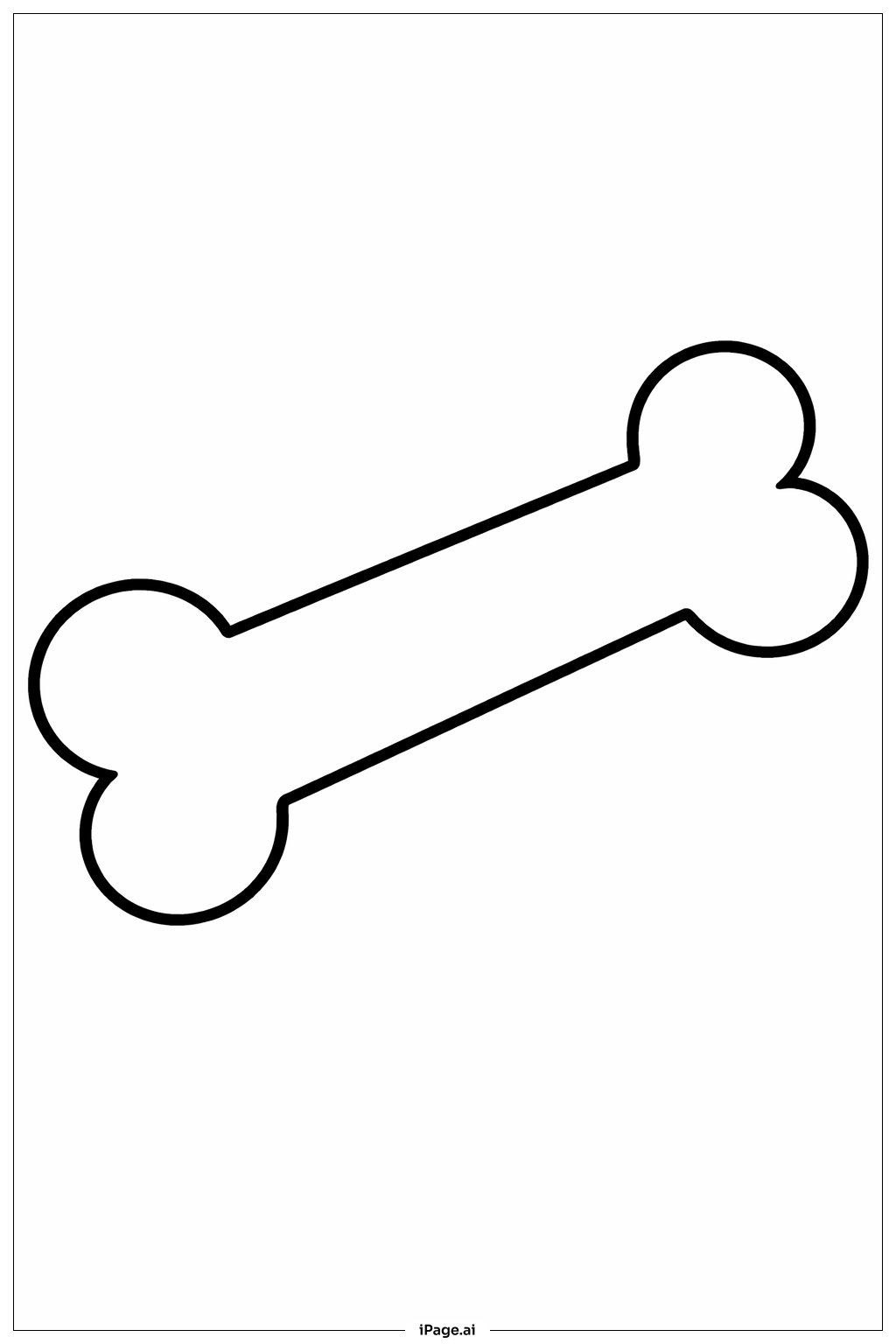
For this dog bone, consider using warm, natural tones like tan, beige, or cream to create a realistic rawhide appearance. You could also try light brown shades to give it a biscuit-like quality. For a more playful approach, experiment with bright colors like yellow, orange, or even rainbow patterns to make it extra fun. Add shading along the curved edges using darker versions of your chosen color to create depth and dimension. Consider leaving small white highlights on the rounded ends to suggest shine and texture. You might also add tiny dots or speckles to mimic a real bone's surface texture. For a cartoonish style, use a single solid color with a darker outline. Don't be afraid to get creative with unexpected colors like pink, blue, or purple for a whimsical effect.
Coloring challenges: Which parts are difficult to color and need attention for Dog Bone coloring page?
• Smooth Shading: Creating even, smooth color transitions across the bone's curved surfaces can be challenging. The rounded ends require careful blending to avoid harsh lines or uneven patches. Young colorists may need practice to achieve gradual shading that makes the bone look three-dimensional rather than flat.
• Maintaining Consistent Tone: Keeping the same color intensity throughout the entire bone requires careful control. Children might press harder in some areas and lighter in others, resulting in an uneven appearance. This is particularly noticeable with lighter colors like cream or beige where variations are more visible.
• Edge Control: Staying within the lines along the curved contours of the bone demands steady hand control and patience. The hourglass shape features both inward and outward curves that can be tricky for younger children to navigate precisely without coloring outside the boundaries.
• Adding Realistic Texture: If attempting to create a realistic bone appearance with texture, spots, or surface details, it requires planning and technique. Deciding where to place highlights and shadows, or how to add stippling effects for texture, involves more advanced coloring skills that may challenge beginners.
Benefits of coloring books: Advantages of drawing Dog Bone coloring page
Coloring this dog bone offers wonderful benefits for young artists. The simple, recognizable shape builds confidence as children can easily complete the project successfully. The smooth curves help develop fine motor skills and hand-eye coordination as they practice following the lines. The bone's symmetrical design introduces basic concepts of balance and proportion in a fun, approachable way. This image is perfect for practicing shading techniques and color blending without overwhelming detail. It encourages creativity as children can choose realistic or imaginative color schemes. For dog-loving kids, this familiar object creates an emotional connection that makes the coloring experience more engaging and meaningful. The straightforward design allows even younger children to feel accomplished while still offering opportunities for older kids to experiment with advanced techniques like texture and highlighting.