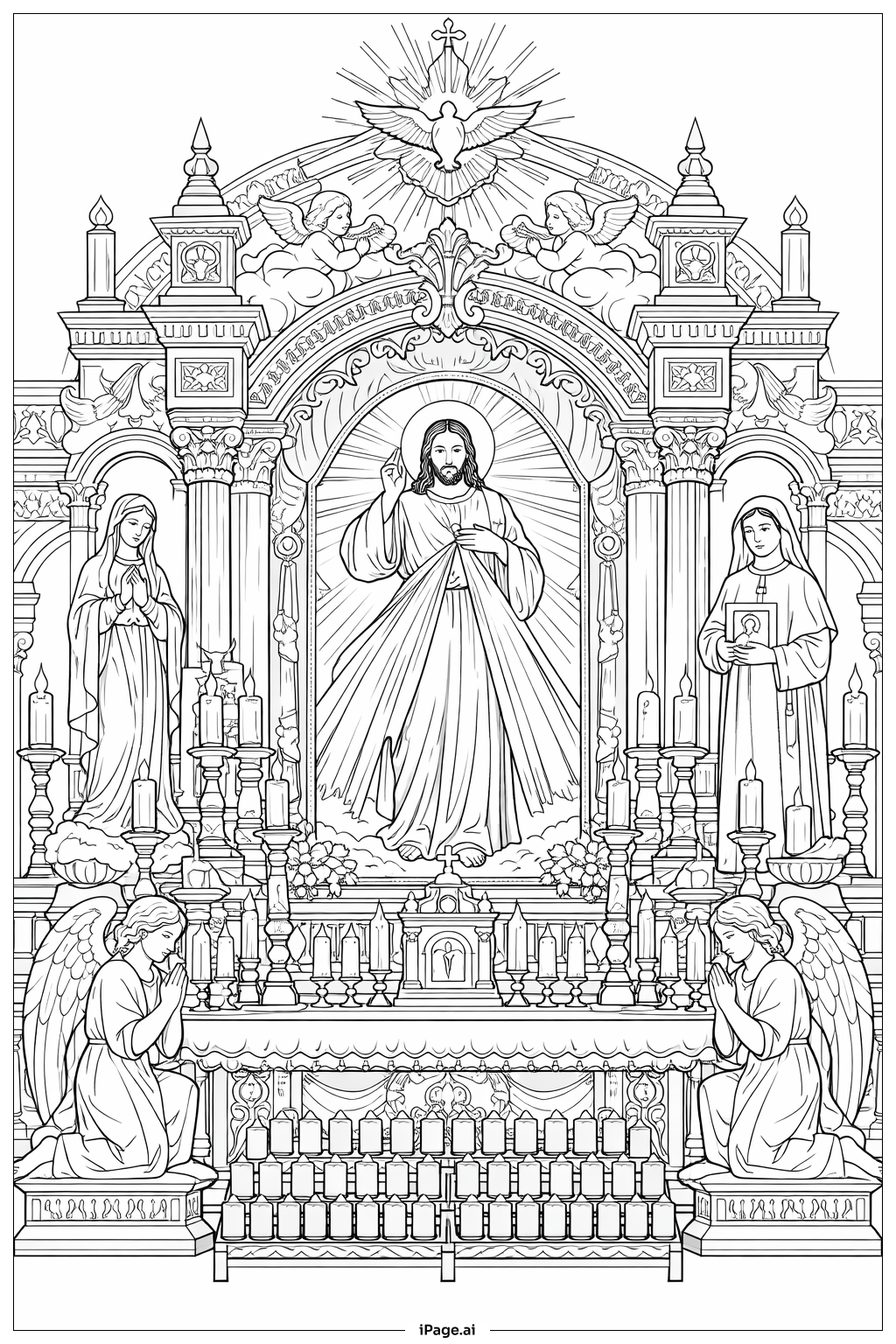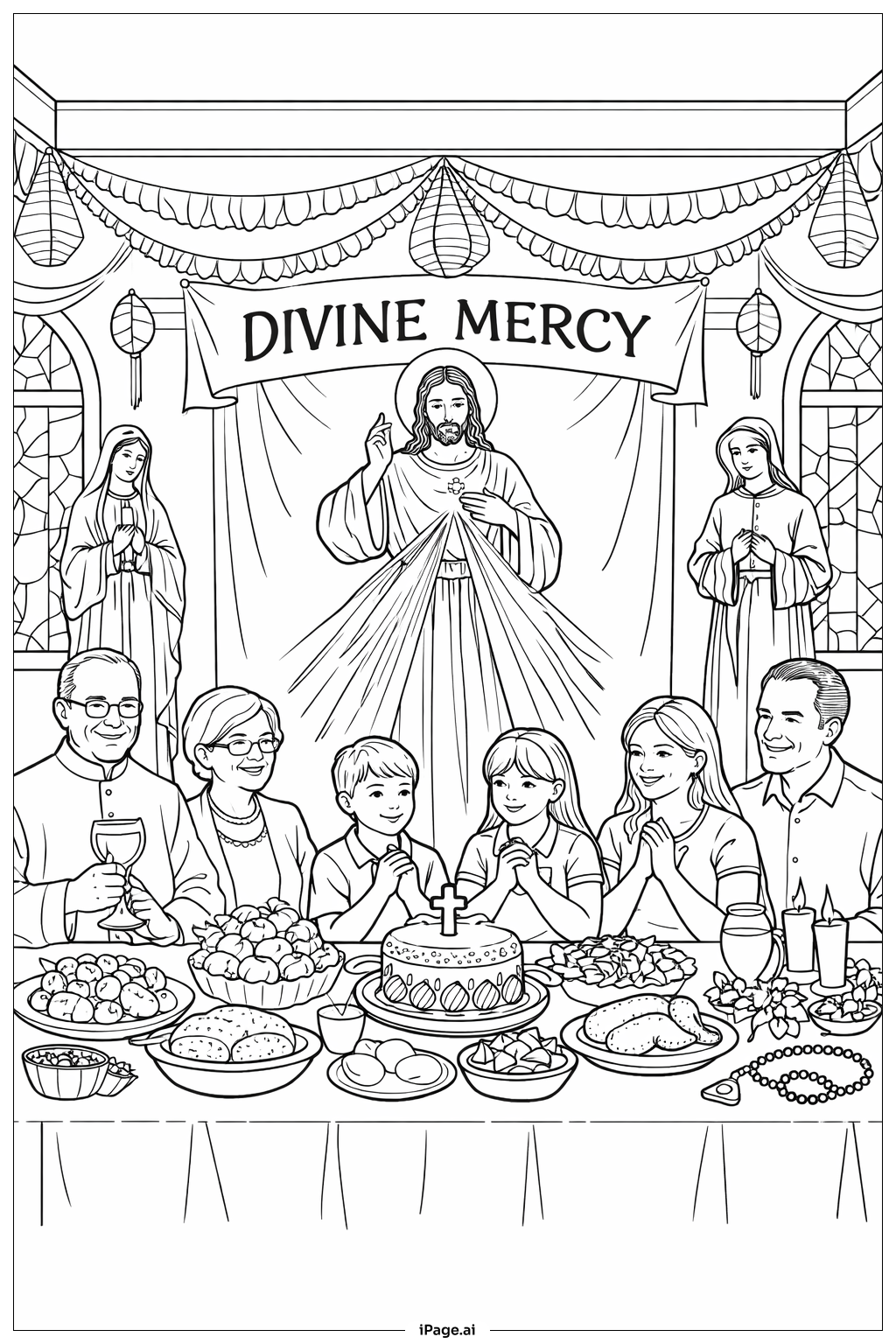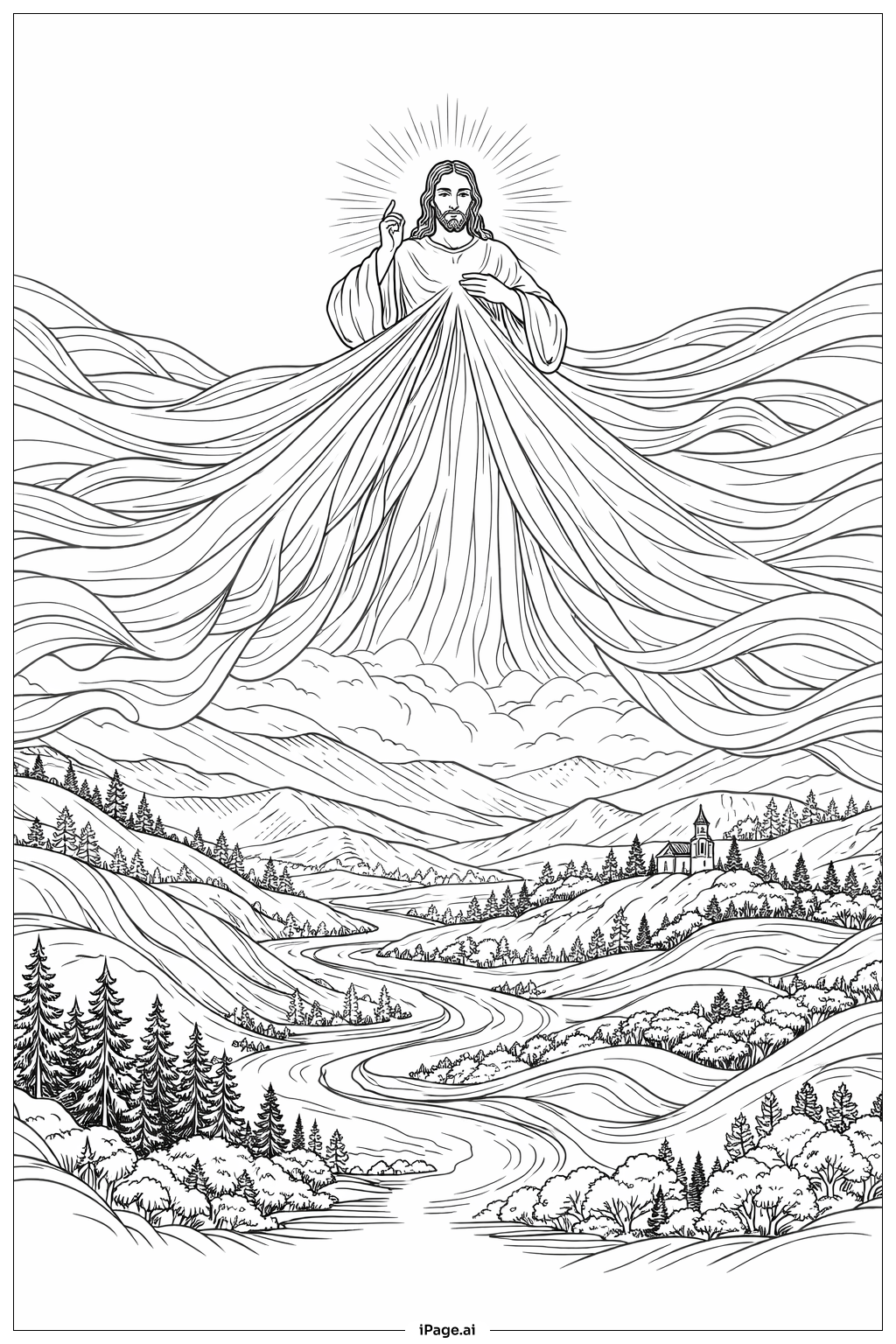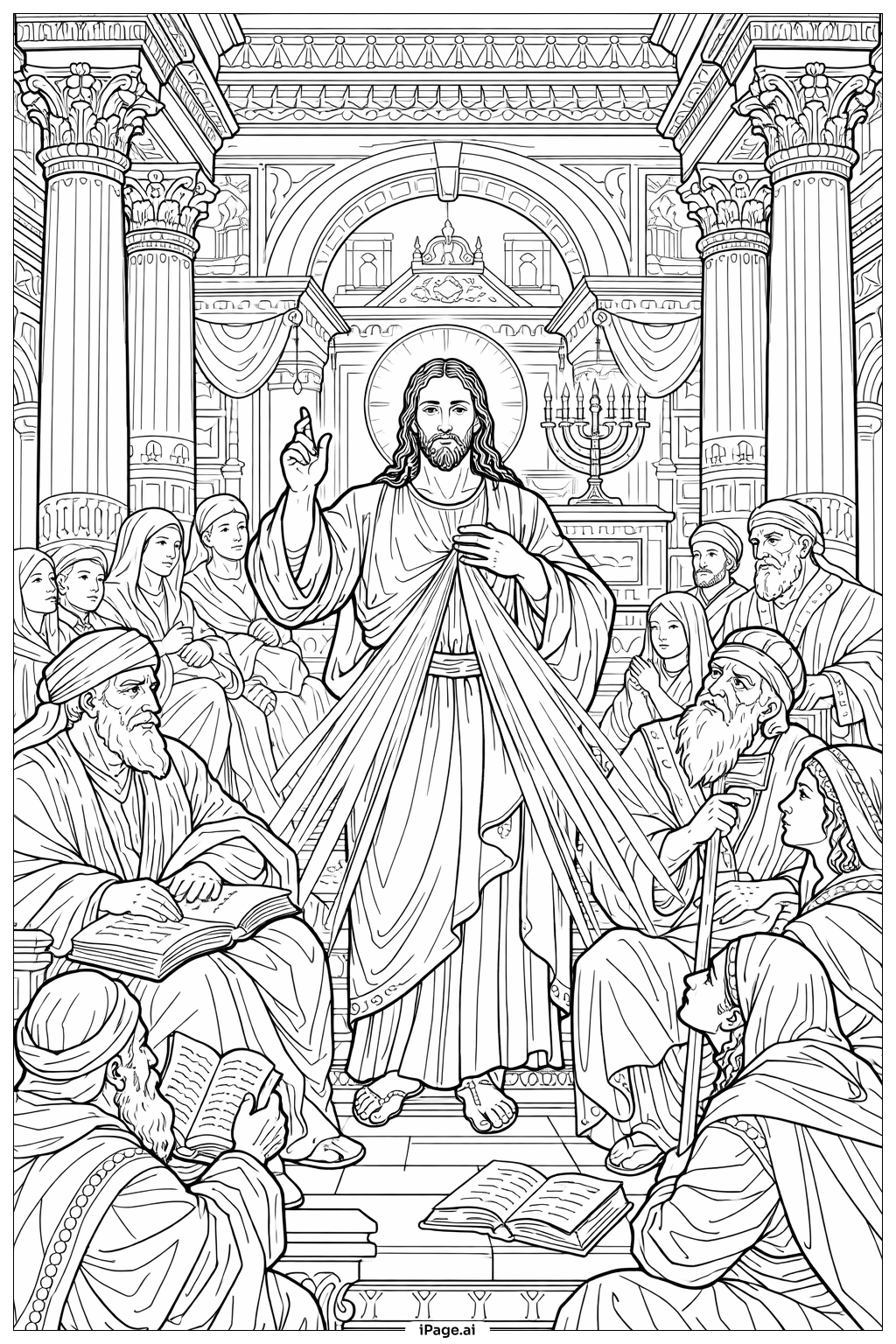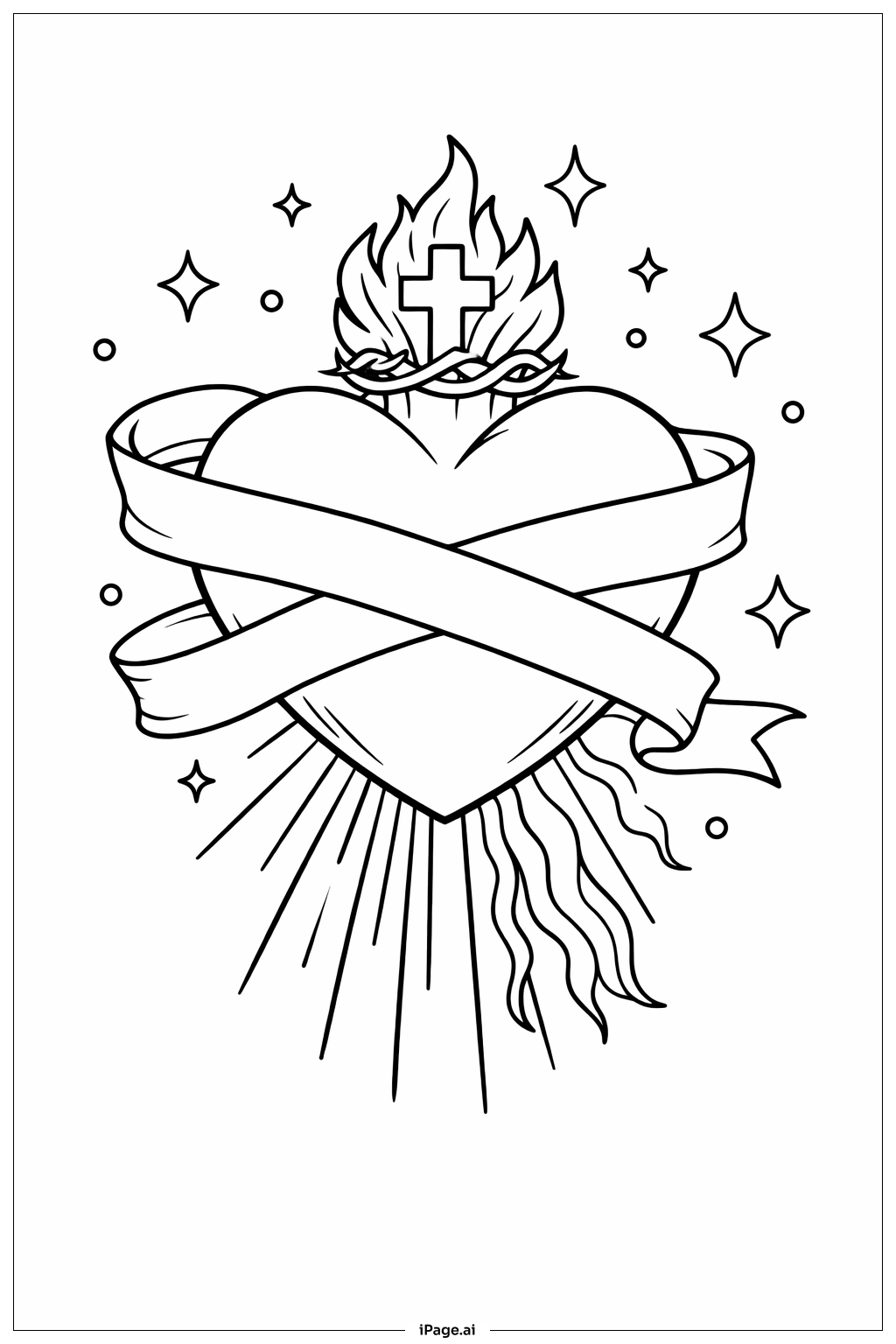
Coloring tips: How to color Divine Mercy Heart With Ribbon coloring page well?
Start with the heart itself. Use warm reds and deep crimsons to make it look full of love and life. Add lighter pink tones near the edges to create a soft glow effect.
For the ribbon, try gold or yellow to give it a heavenly feel. You can also use white with a light blue shadow to keep it gentle and pure.
The rays of light look great in bright yellow or soft orange. Blend them outward from the heart so they fade into the background naturally.
Use a pale blue or soft lavender for the background to create a peaceful, heavenly atmosphere.
For the flame on top of the heart, use orange at the base and blend into yellow and white at the tips.
Take your time with each small detail. Light pencil strokes work well before adding deeper colors. This image is a wonderful opportunity to explore shading and color blending while honoring the spirit of Divine Mercy.
Coloring challenges: Which parts are difficult to color and need attention for Divine Mercy Heart With Ribbon coloring page?
• Ribbon Details: The ribbon wraps around the heart in flowing curves, which can be tricky to color neatly. Following the curves with your coloring tool takes a steady hand. Try coloring along the direction of the ribbon rather than across it. Using a fine-tipped marker or colored pencil will help you stay within the lines and capture the ribbon's graceful movement.
• Ray Gradients: The rays of light spreading outward from the heart require smooth color blending. Transitioning from a bright center to a softer outer edge is challenging, especially for younger colorists. Layering lighter shades first and gradually building intensity toward the center can help create a natural glow effect.
• Heart Surface Texture: The heart features fine interior line patterns and texture details that are close together. Filling these small spaces with consistent color without muddying the design takes patience and careful tool control. Thin-tipped colored pencils are ideal for these tight areas.
• Flame at the Top: The flame details sitting above the heart involve multiple layers of color transitioning from deep orange to bright yellow and white. Blending these warm tones smoothly without overworking the paper can be difficult, particularly for beginners.
• Balancing the Overall Composition: Because this image has several distinct elements — the heart, ribbon, rays, and flame — keeping a balanced and harmonious color palette across all parts can be challenging. Choosing colors that complement each other before you begin will help the finished piece feel unified and visually appealing.
Benefits of coloring books: Advantages of drawing Divine Mercy Heart With Ribbon coloring page
Coloring the Divine Mercy Heart With Ribbon offers a wide range of wonderful benefits for people of all ages.
For children, it helps develop fine motor skills and hand-eye coordination as they carefully fill in the detailed lines of the heart, ribbon, and rays. It also encourages focus and patience, especially when working through the intricate textures.
For older children and teens, this image is a great way to practice color theory, shading, and blending techniques. Choosing how to color the rays and ribbon encourages creative thinking and artistic decision-making.
For Adults, coloring this sacred image can be a deeply calming and meditative experience. It offers a quiet moment to slow down, breathe, and focus on something meaningful. Many people find that coloring spiritual imagery brings a sense of inner peace and emotional grounding.
Coloring images connected to faith, like Divine Mercy, can also foster a sense of reflection and mindfulness. It creates a personal and creative way to connect with spiritual themes in a hands-on, expressive way.
Finally, completing a coloring page gives a satisfying sense of accomplishment. Whether you are a child or an adult, finishing this beautiful image is something to feel proud of and even display as a piece of personal art.