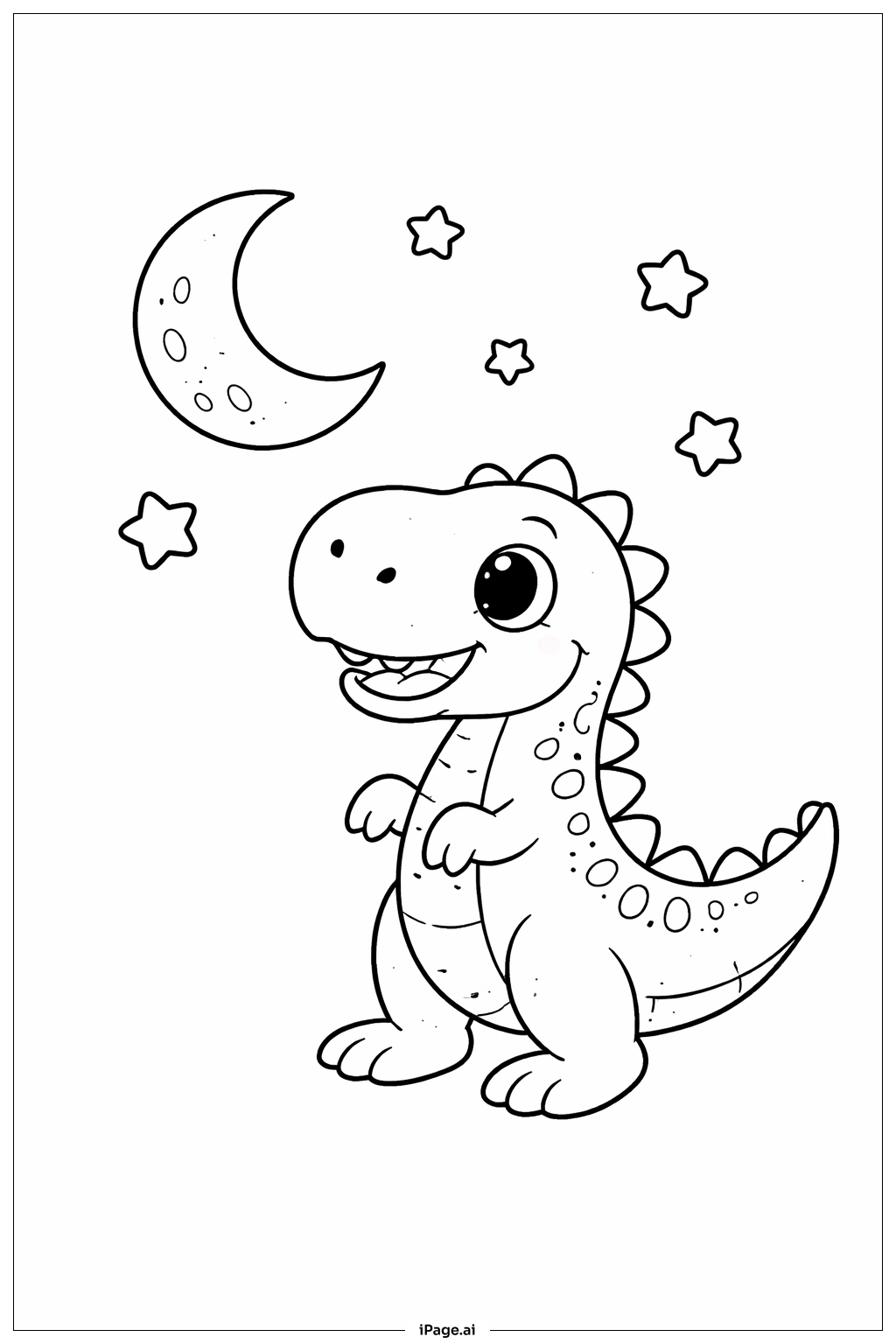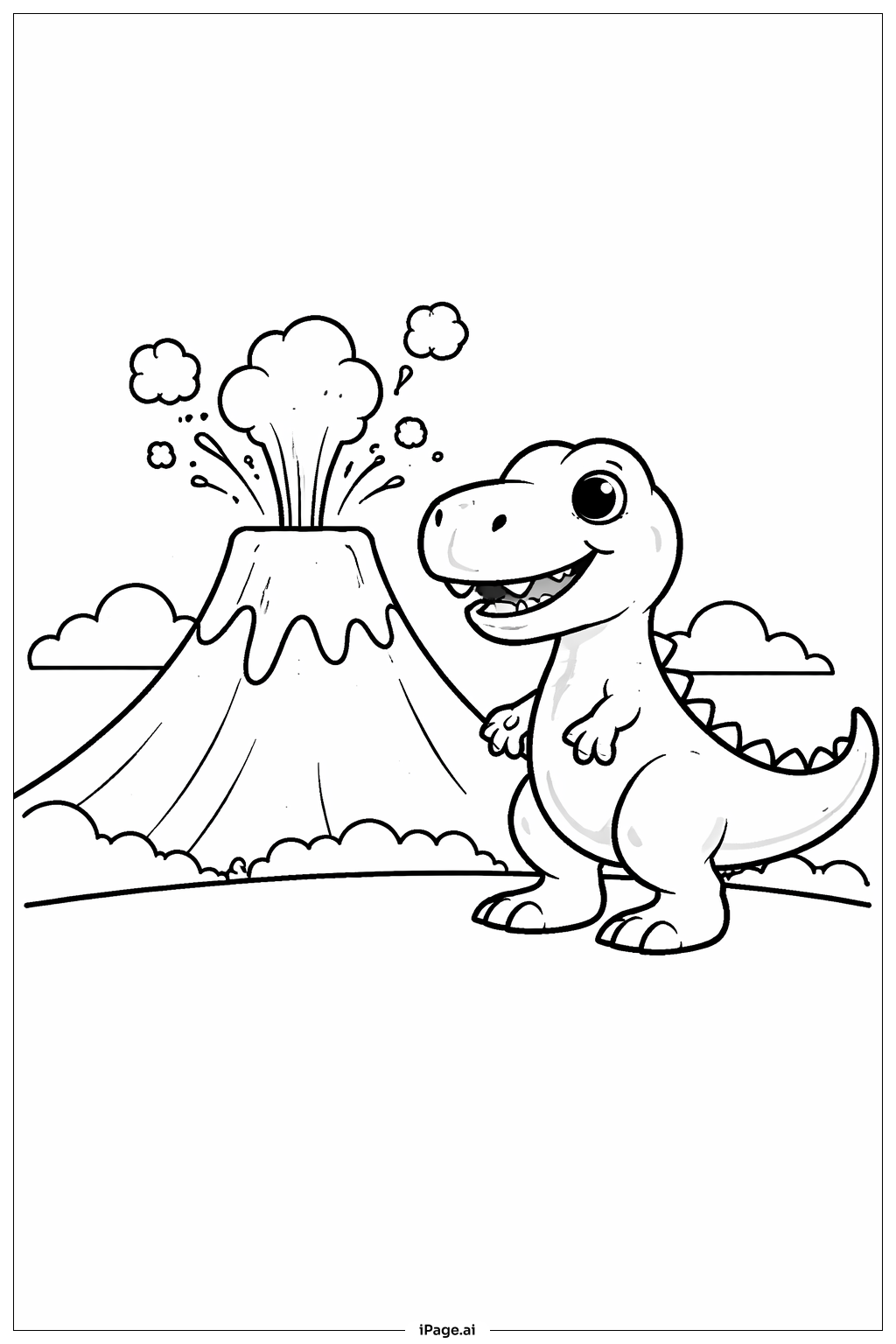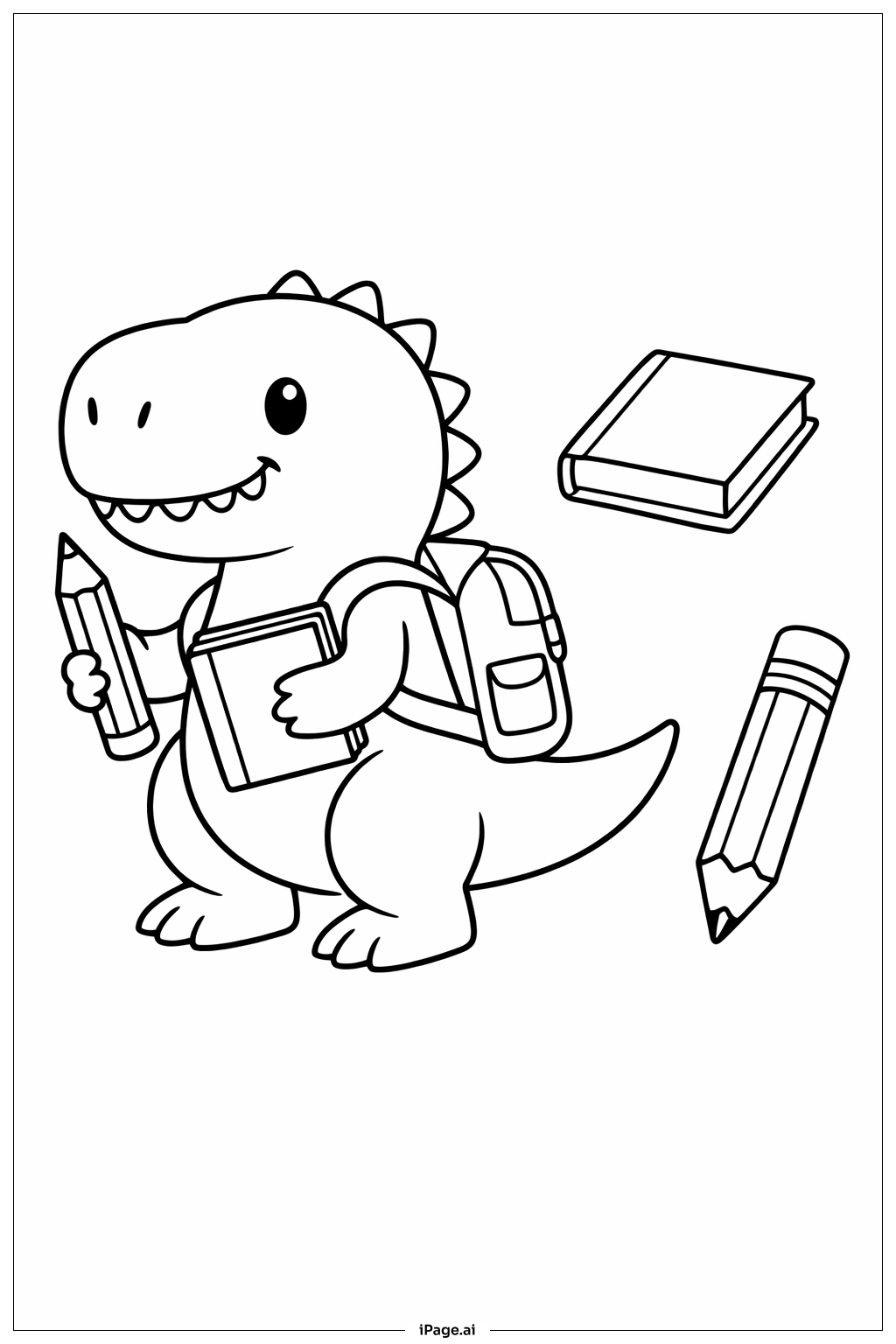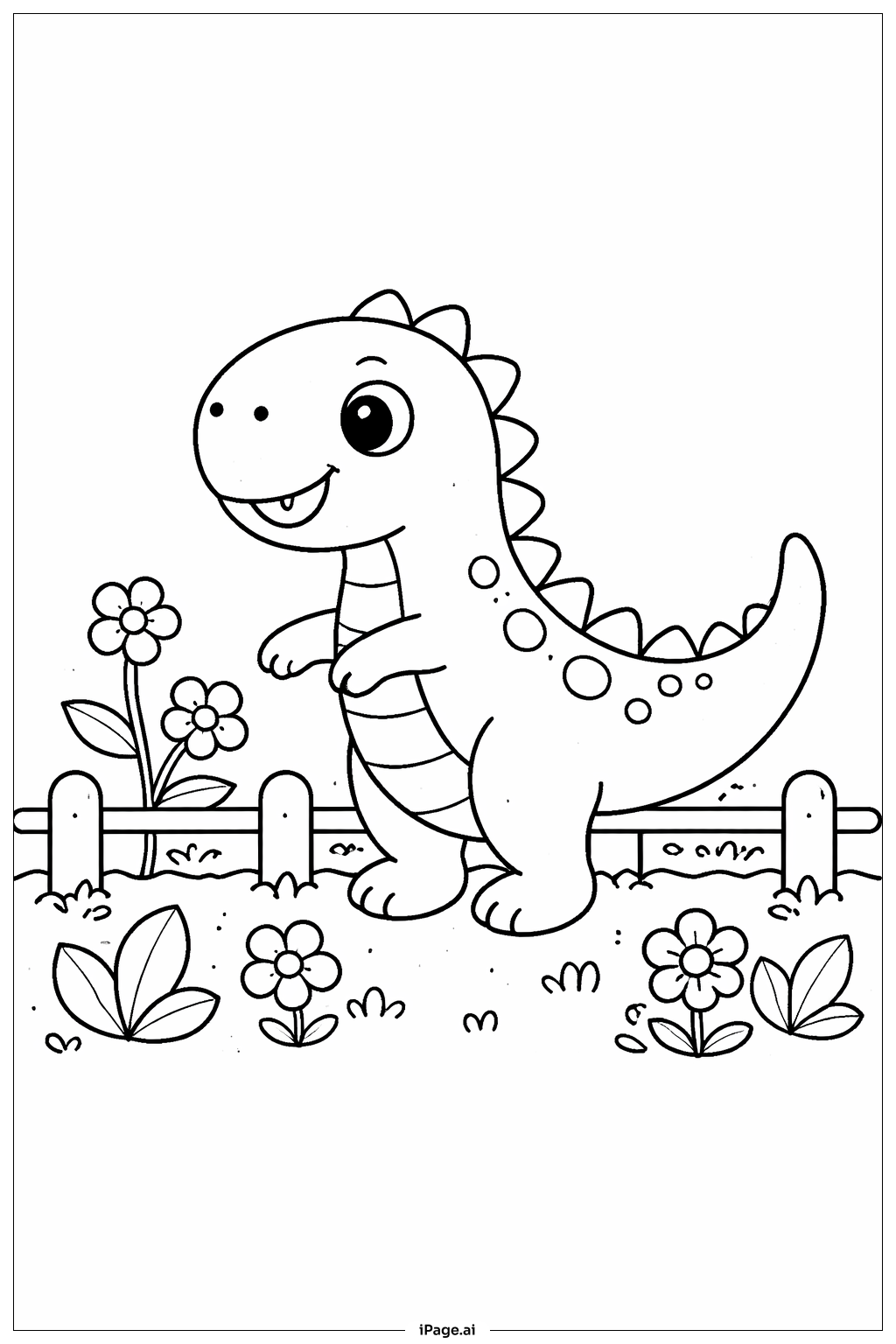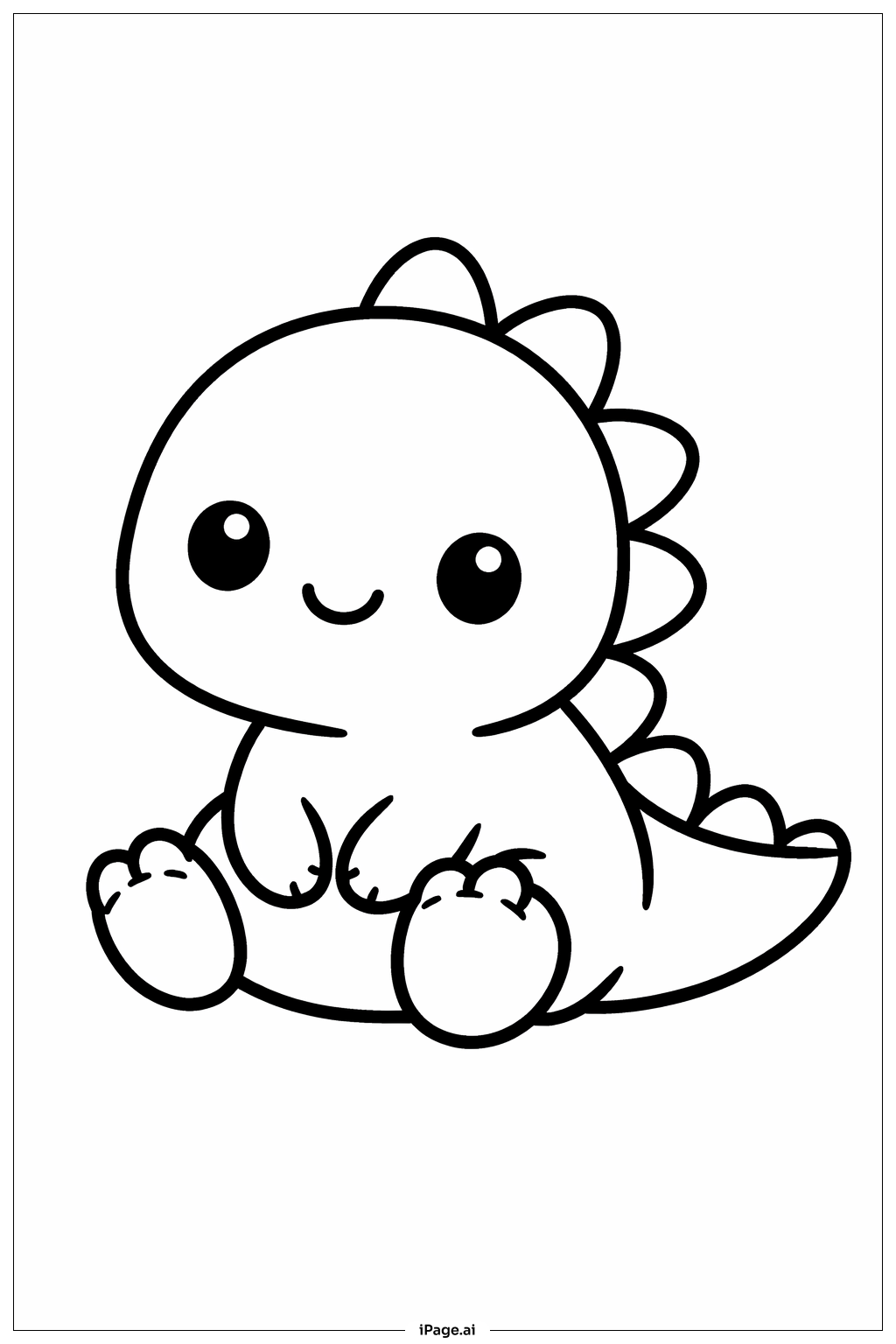
Coloring tips: How to color Baby Dinosaur coloring page well?
Start with the body of the baby dinosaur. You can make it green like a classic dinosaur, or try something fun like purple, blue, or even orange. Use a lighter shade on the belly and a darker shade on the back to give it a 3D look. Color the spines along the back a different color, like yellow or red, to make them pop. The eyes can be colored with a bright color like brown or gold, with a small white highlight to make them look shiny and alive. For the background, try a simple sky blue or a leafy jungle green to set the scene. Don't be afraid to mix colors and create your own unique dinosaur. There are no rules — just have fun and let your imagination run wild!
Coloring challenges: Which parts are difficult to color and need attention for Baby Dinosaur coloring page?
Coloring this baby dinosaur image is mostly fun and beginner-friendly, but there are a few tricky spots to watch out for:
• Scale and Skin Texture: The small scale patterns covering the dinosaur's body can be challenging to color neatly. Each scale is tiny, so using a fine-tipped colored pencil or a thin marker will help you stay inside the lines and give each scale its own color variation.
• Back Spines and Ridges: The spines running along the dinosaur's back are small and closely spaced. It can be hard to color each one separately without the colors bleeding together. Take your time with these details and use a sharp pencil tip for the best results.
• Eye Details: The eyes are one of the most expressive parts of the image. Getting the right colors for the iris, pupil, and highlight can be tricky in such a small area. A white gel pen can be very helpful for adding that shiny highlight dot at the end.
• Body Shading and Depth: The baby dinosaur's round, chubby body looks best when shading is applied to create a sense of depth. Blending two shades of the same color — lighter in the center and darker at the edges — takes practice but makes the dino look much more realistic and three-dimensional.
• Background Balance: Leaving the background too plain can make the image feel unfinished, but adding too much detail may distract from the cute dinosaur. Finding the right balance between a simple background and the main character is a creative challenge worth thinking through before you start.
Benefits of coloring books: Advantages of drawing Baby Dinosaur coloring page
Coloring this baby dinosaur page brings a wide range of wonderful benefits for kids and young artists. First, it helps build fine motor skills. Carefully coloring inside the lines of the scales, spines, and small body parts trains hand control and coordination. Second, it sparks creativity and imagination. Choosing colors for a dinosaur — an animal no one has ever truly seen — means kids are free to invent their own version of what a baby dino might look like. This boosts original thinking and confidence. Third, coloring is a calming activity. Focusing on filling in shapes helps children slow down, breathe, and find a peaceful, focused state of mind. It can reduce stress and anxiety in a gentle, enjoyable way. Fourth, learning about colors and how they blend together builds early art skills that carry into many other creative activities. Finally, completing the page gives kids a real sense of accomplishment and pride in their work. It is a simple, screen-free activity that supports learning, creativity, and emotional well-being all at once.