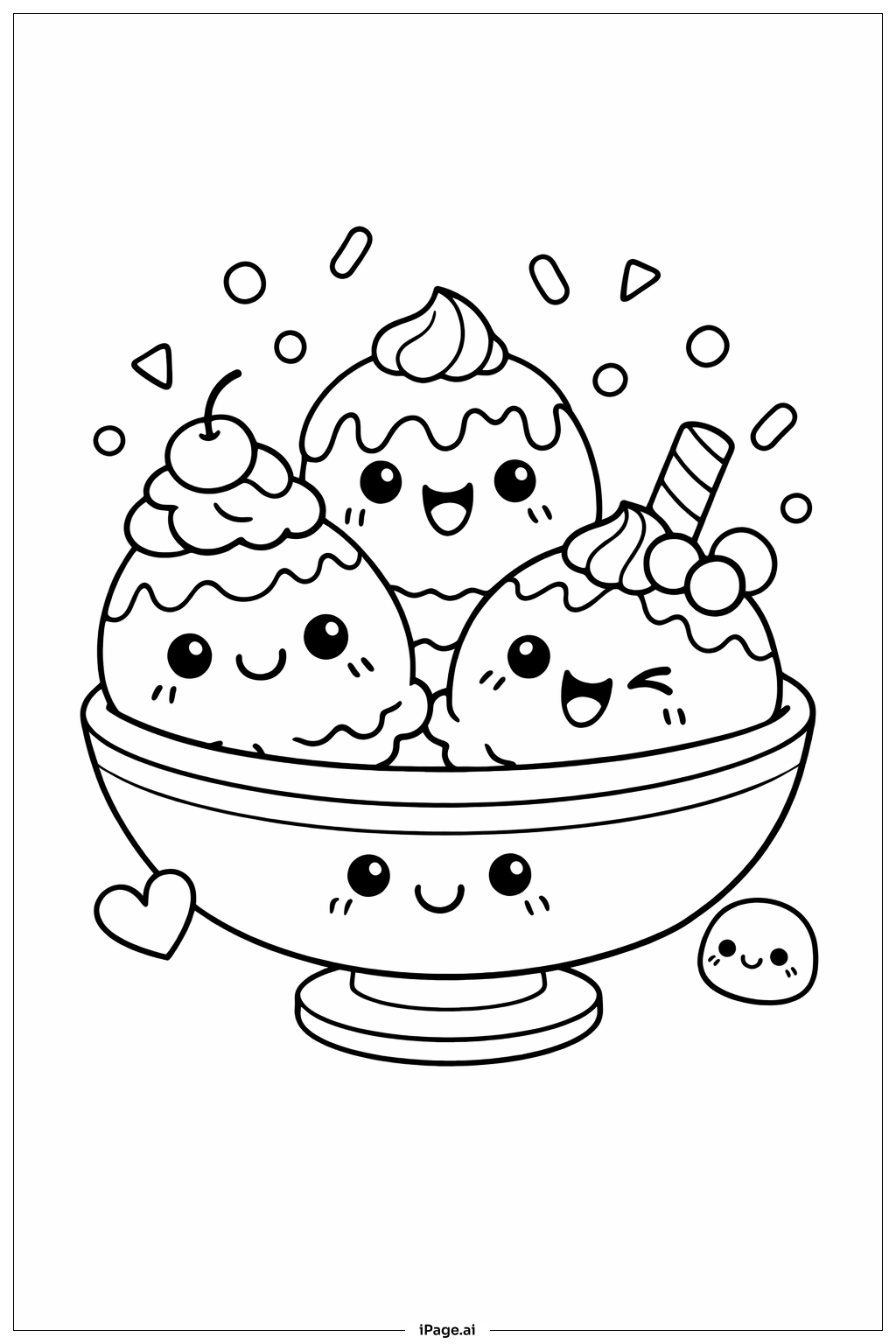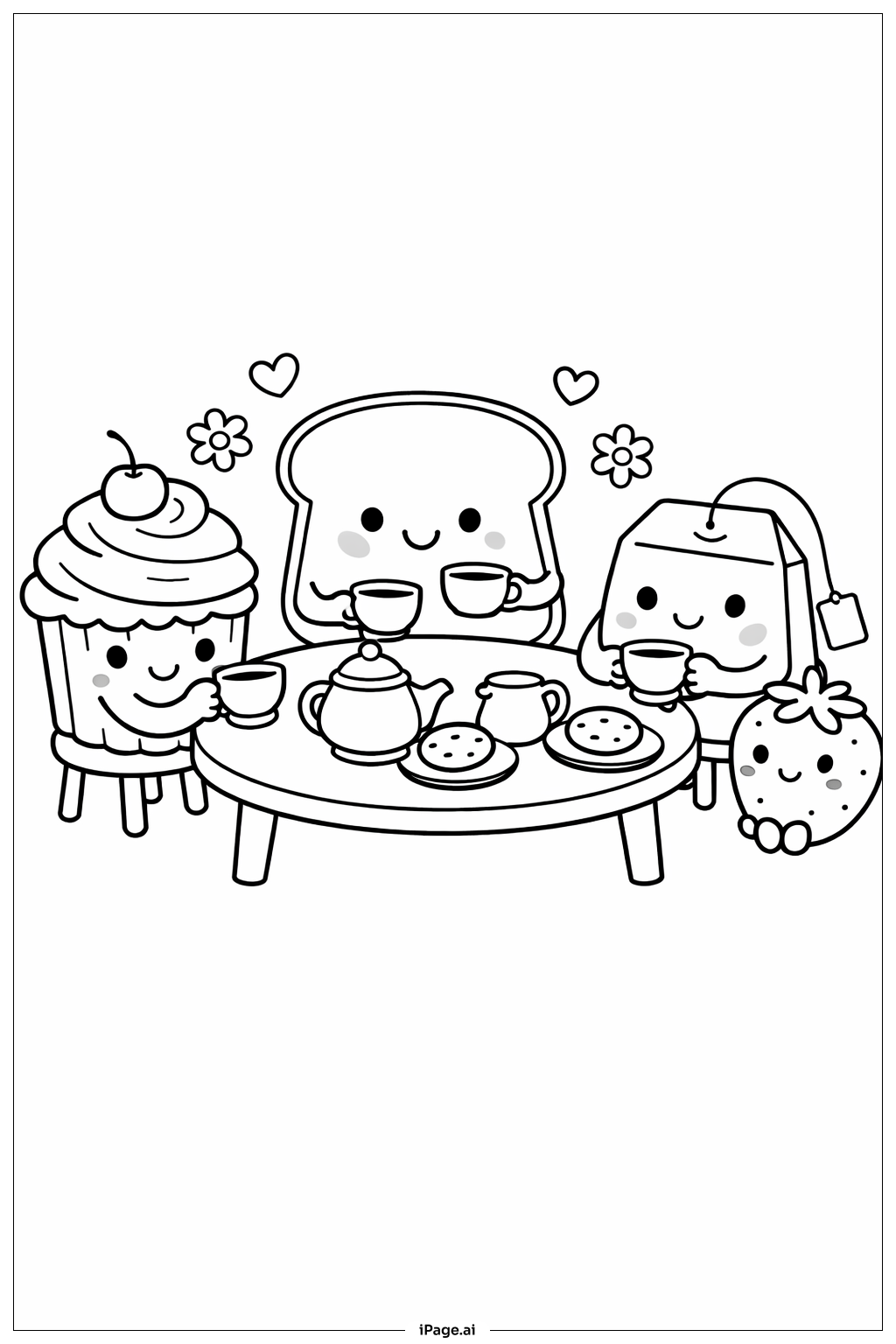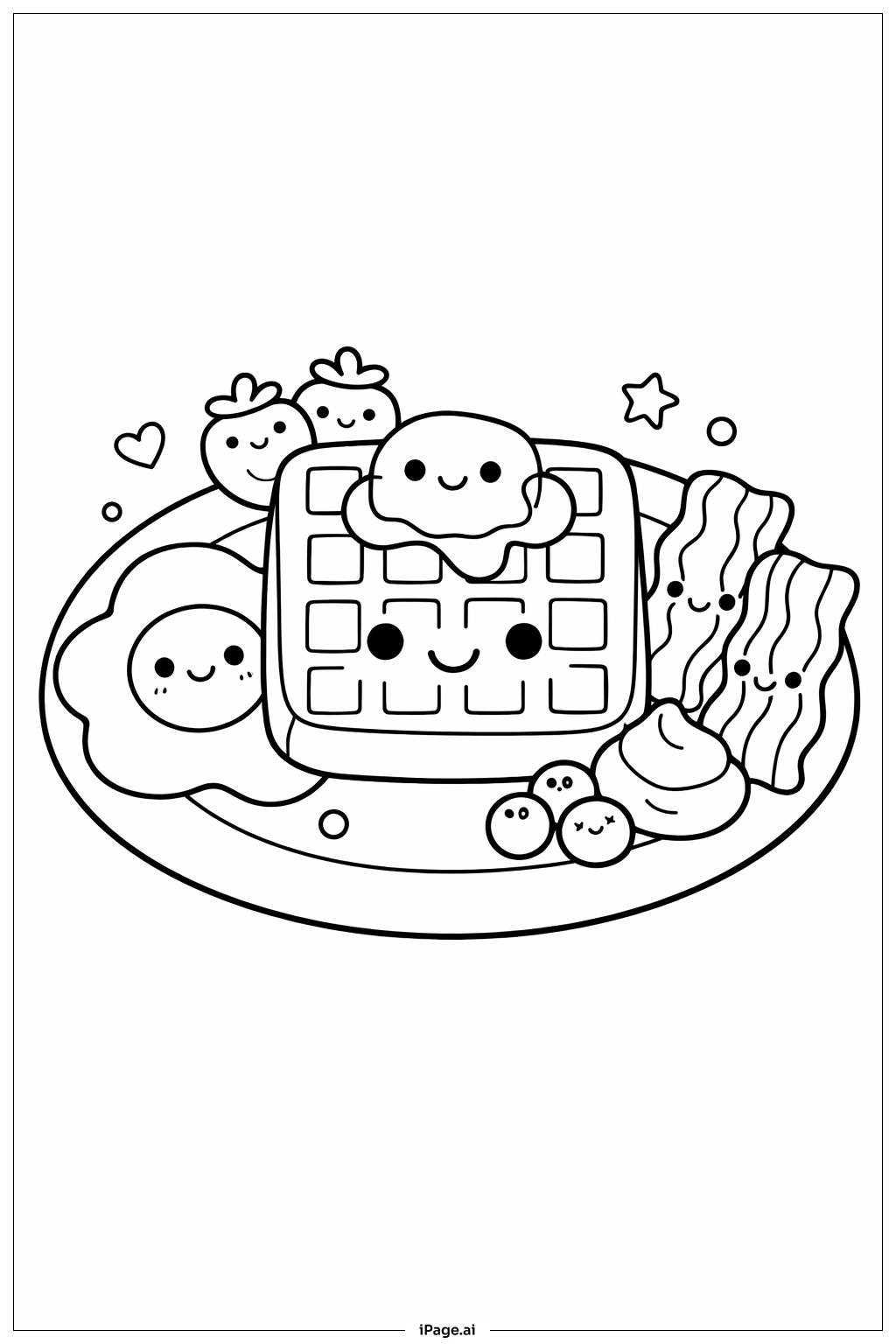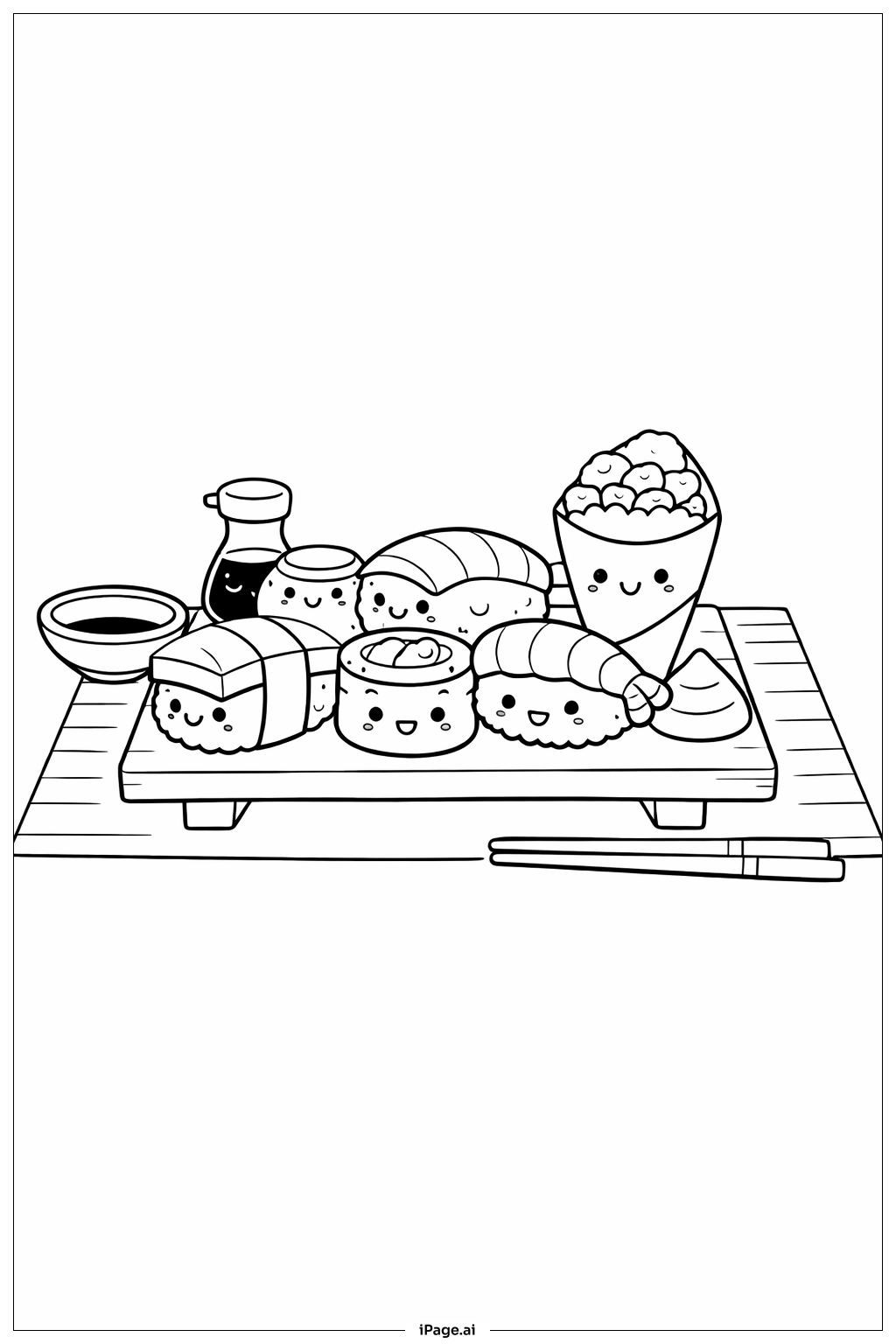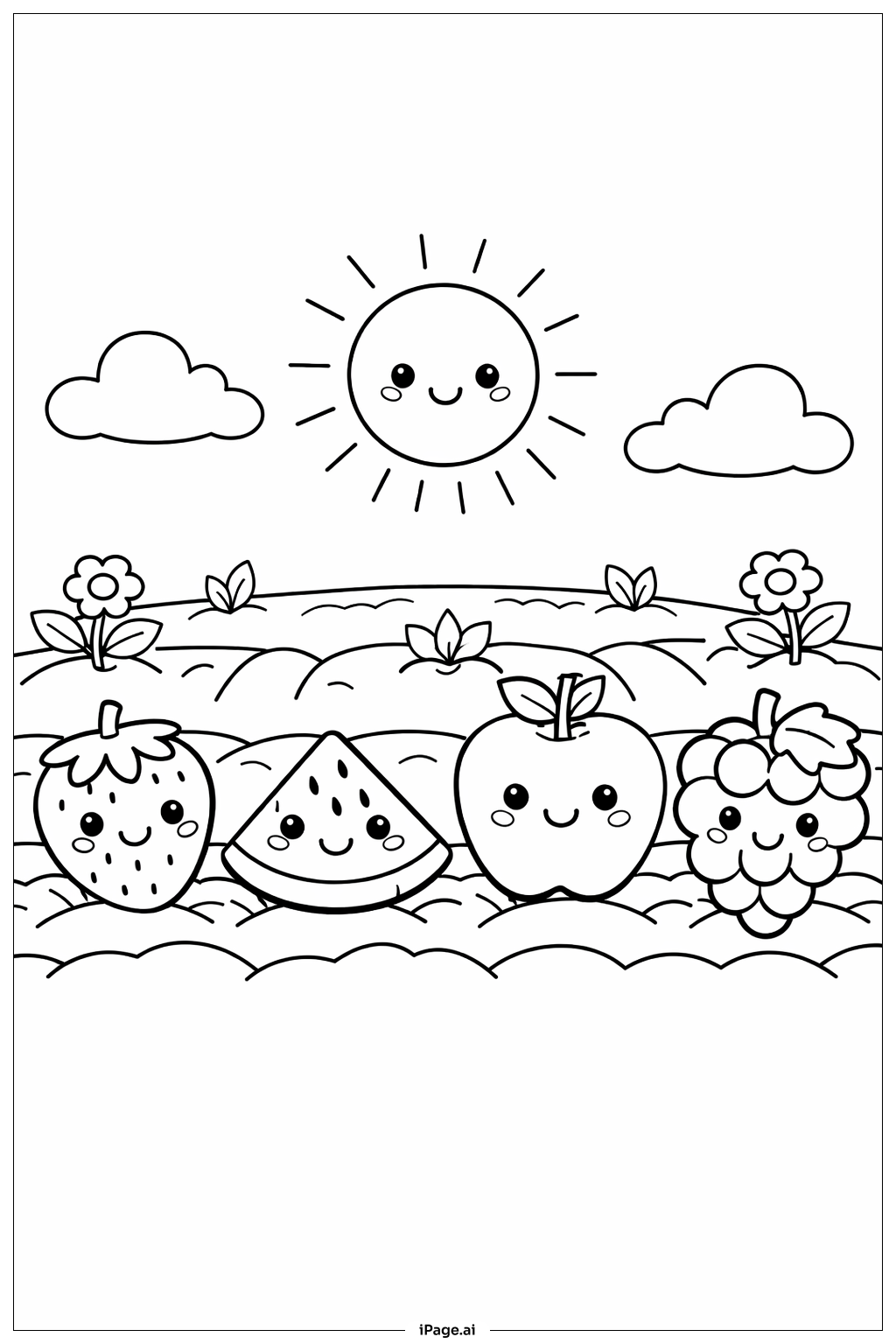
Coloring tips: How to color Cute Food Fruit Garden Patch coloring page well?
Start with the backgrounds first. Use light green for grass and soil areas. Then move on to the fruits. Give strawberries a bright red color with tiny yellow seeds. Use deep green for watermelon skin and pink or red for the inside if it appears sliced. Color apples in classic red or go fun with yellow or green. Pears look lovely in soft yellow or light green. For grapes, try purple or deep violet, with pale green for leaves. Sunflower petals should be bright yellow with a brown or orange center. Use warm browns and tans for the wooden trellis and garden path. Color the cute faces with peachy skin tones or keep them white for a simple look. Butterflies and bees can be colored with bright, contrasting colors to make them pop. Feel free to mix and match colors to make your garden extra magical and fun!
Coloring challenges: Which parts are difficult to color and need attention for Cute Food Fruit Garden Patch coloring page?
• Small Facial Details: Each fruit and food character has a tiny smiling face with small eyes, cheeks, and mouths. These details are very small and require a fine-tipped coloring tool such as a colored pencil or thin marker. Staying inside the tiny lines without smudging neighboring areas can be tricky, especially for younger children.
• Overlapping Leaves and Vines: The garden is packed with curling vines, layered leaves, and overlapping plant sections. Keeping each leaf a distinct color while avoiding bleed-through to nearby sections takes patience. It helps to let each area dry fully before moving to the section next to it.
• Grape Cluster Shading: The cluster of grapes contains many small, round shapes pressed closely together. To make each grape look round and realistic, you need to apply lighter color at the top and darker color toward the bottom of each circle. This basic shading technique can be challenging but makes a big difference in the final result.
• Trellis and Path Textures: The wooden trellis and garden path benefit from adding texture lines and grain patterns. Using two or three shades of brown layered lightly creates a more natural wood effect. Applying even pressure across narrow wooden slats without going outside the borders requires steady hand control.
• Balancing Color Variety: With so many different fruits, plants, insects, and background elements all in one scene, choosing a balanced color palette is important. Using too many bright colors close together can make the image feel cluttered. Planning your color choices before you start helps keep the final image looking organized and visually pleasing.
Benefits of coloring books: Advantages of drawing Cute Food Fruit Garden Patch coloring page
Coloring this Cute Food Fruit Garden Patch page offers a wide range of fun and developmental benefits for kids of all ages. Working through the many small details of smiling fruits and busy garden plants helps children build fine motor skills and improve hand-eye coordination. Carefully coloring inside the lines of tiny faces and curling vines trains steady hand control that supports writing and drawing skills in school.
The variety of fruits and vegetables in the scene is also a gentle way to help young children learn to identify different foods and their natural colors. This makes coloring both a creative activity and a quiet learning moment.
Choosing colors for each element encourages creative thinking and decision-making. Kids practice patience and focus as they work through a detailed scene, building concentration skills that carry over into other areas of learning.
The cheerful, whimsical characters in the image create a relaxed and joyful atmosphere. Spending calm, focused time with coloring pages helps reduce stress and anxiety, making it a great quiet-time activity after school or on weekends. Completing a colorful, finished page also gives children a real sense of pride and accomplishment.
Overall, this page turns a simple coloring session into a rich experience that nurtures creativity, learning, and emotional well-being.