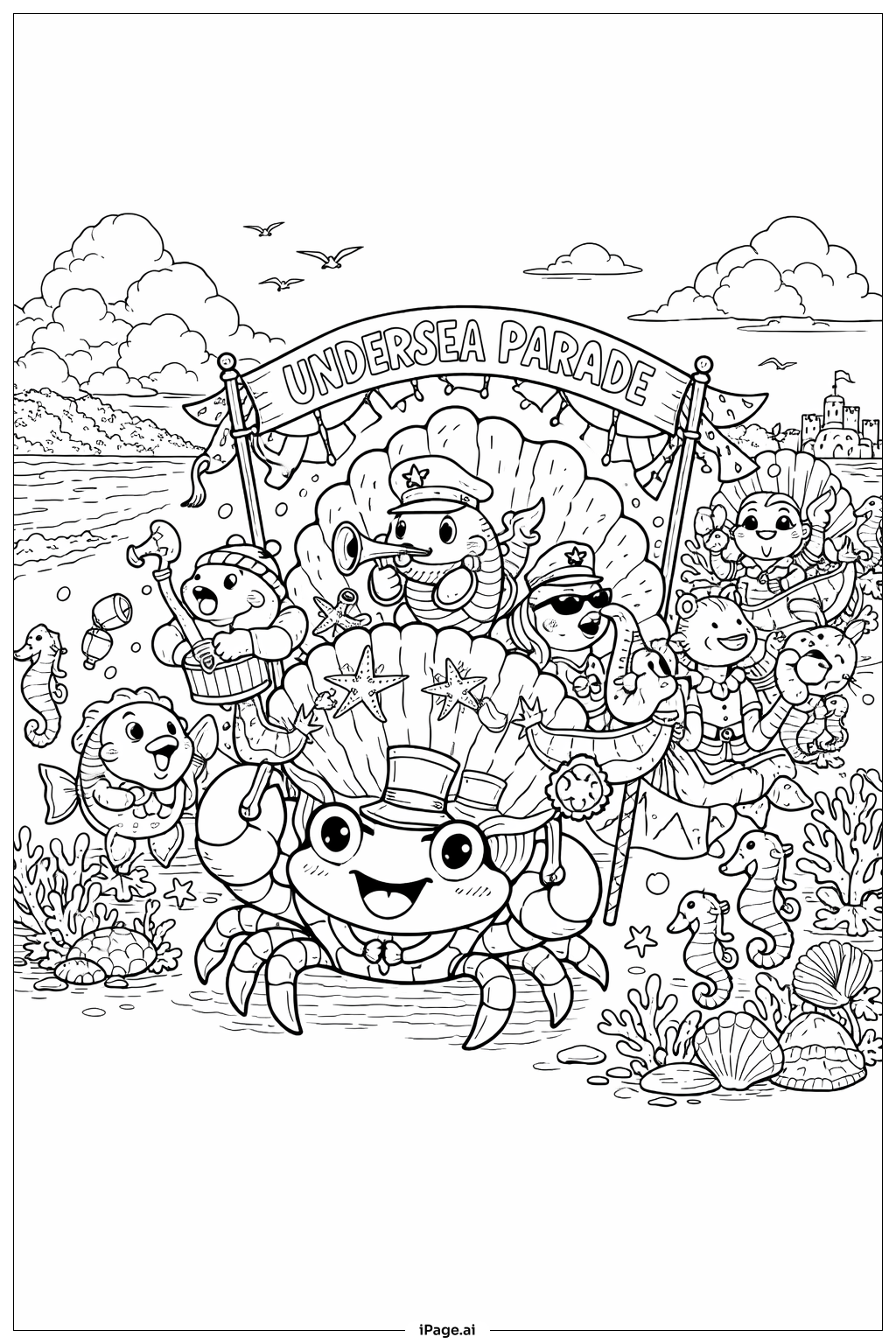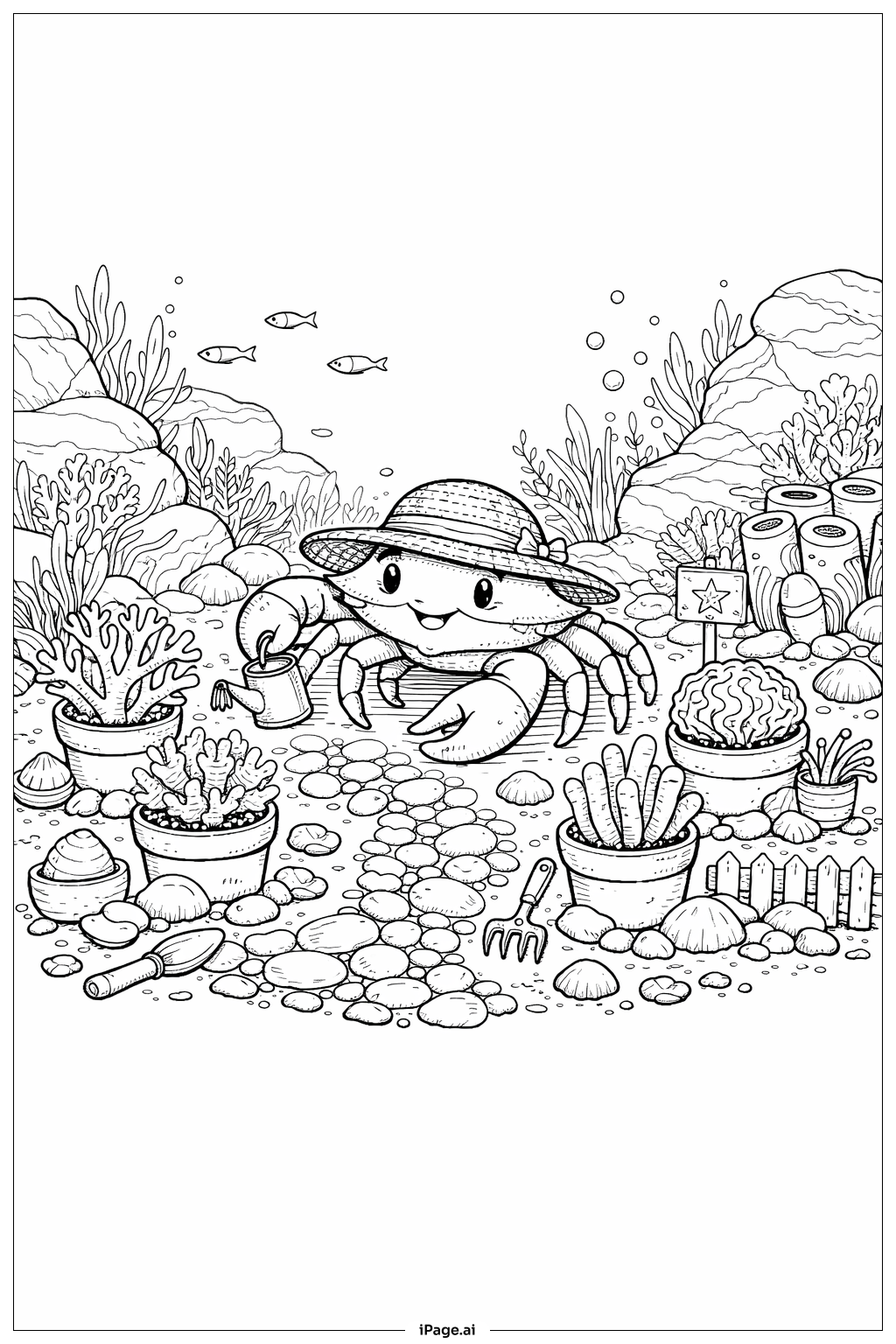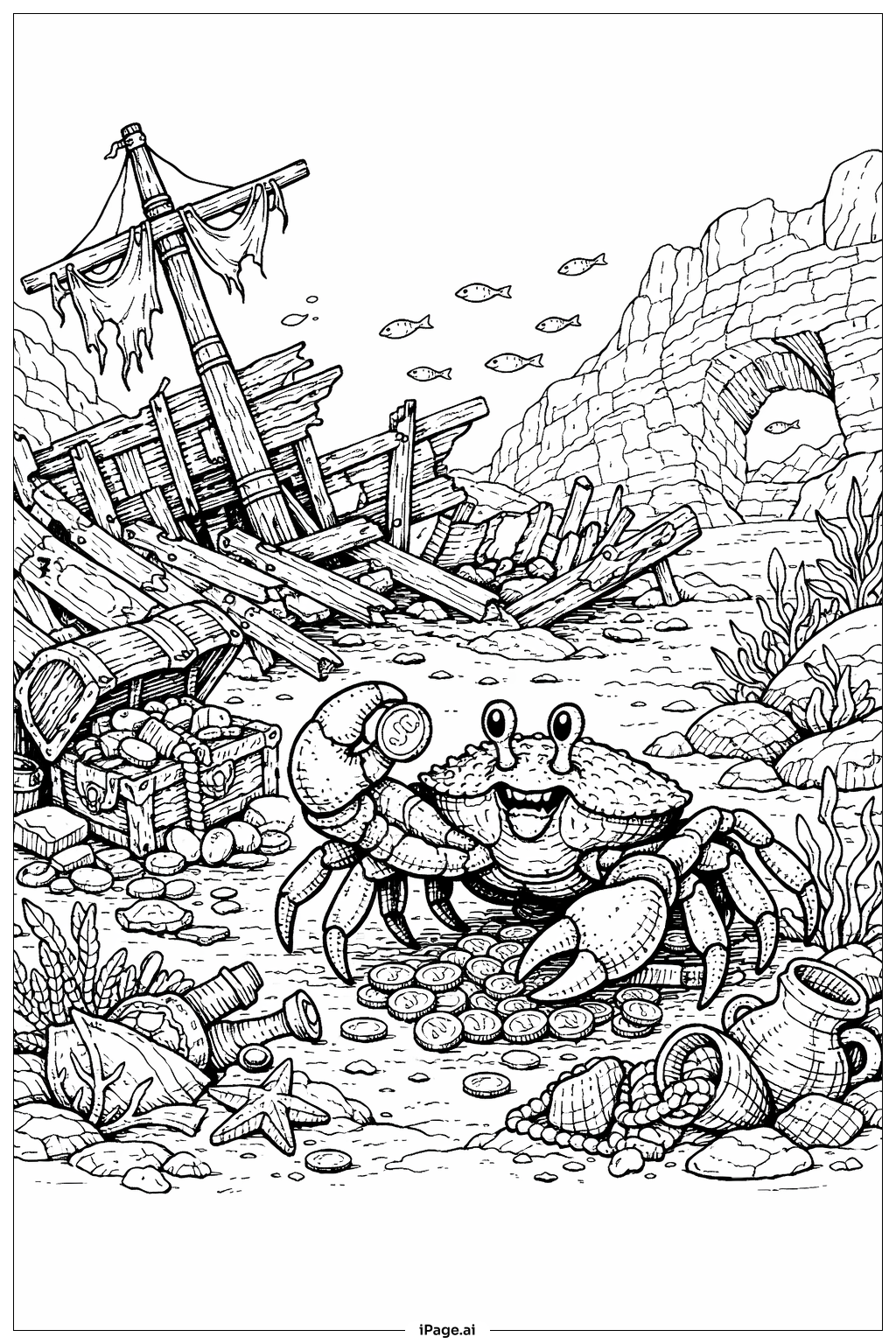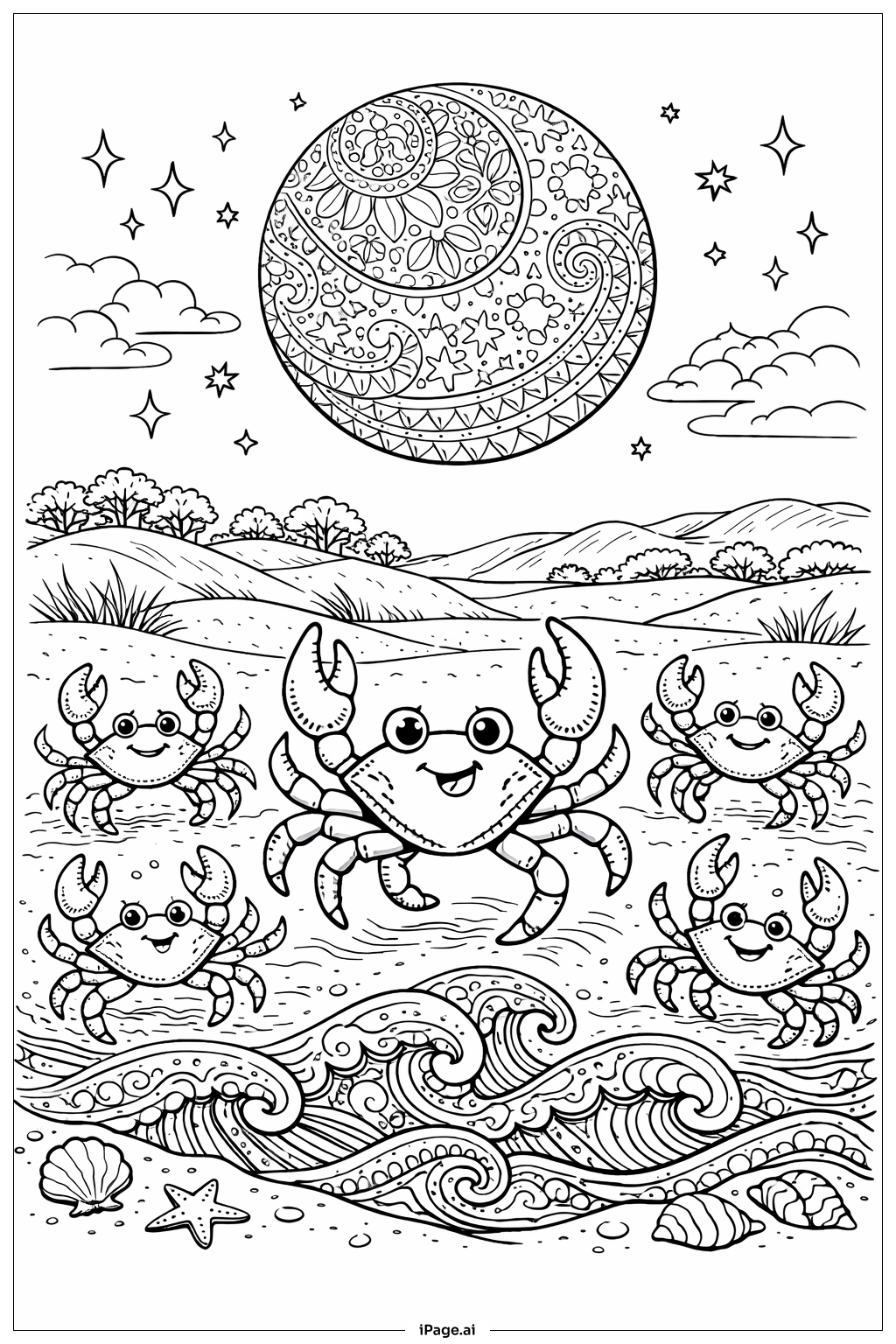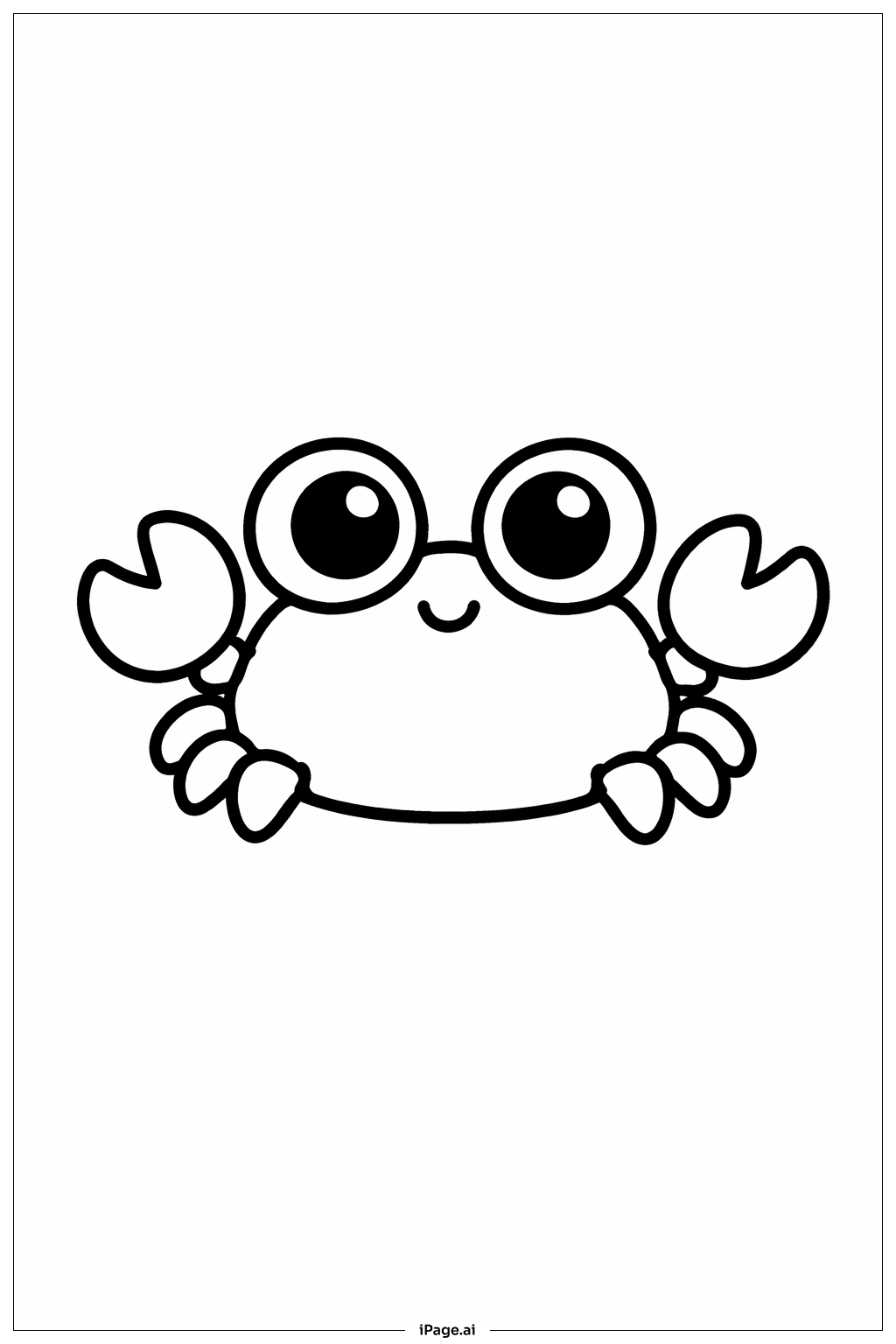
Coloring tips: How to color Tiny Baby Crab coloring page well?
Use bright and cheerful colors for this baby crab. You can try shades of orange, red, or yellow for the crab's body to make it look lively. For the eyes, use a deep black with white highlights to keep their sparkle. The claws and legs can be colored a little darker or lighter to add contrast. Feel free to add a background of blue or sandy beige to represent the sea or the beach, making the whole picture vibrant and fun.
Coloring challenges: Which parts are difficult to color and need attention for Tiny Baby Crab coloring page?
1. The crab's round eyes have small white highlights that need careful coloring to keep them clear and shiny.
2. Coloring the claws and legs separately can be tricky as they are close together; staying inside the lines requires patience.
3. The small size of the crab means details are delicate, so using the right colored tools (like fine-tipped markers or colored pencils) is important.
4. Adding shading and color variation to give the crab a three-dimensional look can be challenging but rewarding.
5. Keeping the smile neat and clear without spilling colors outside the lines needs a steady hand.
Benefits of coloring books: Advantages of drawing Tiny Baby Crab coloring page
Coloring this baby crab helps improve hand-eye coordination and fine motor skills, especially for younger kids. It encourages creativity as children choose different colors and express their ideas. The simple shapes and friendly face make it enjoyable and less intimidating, building confidence in coloring skills. Plus, it introduces kids to marine life, fostering curiosity about nature and animals. Overall, it is a fun and educational activity that supports development and learning.