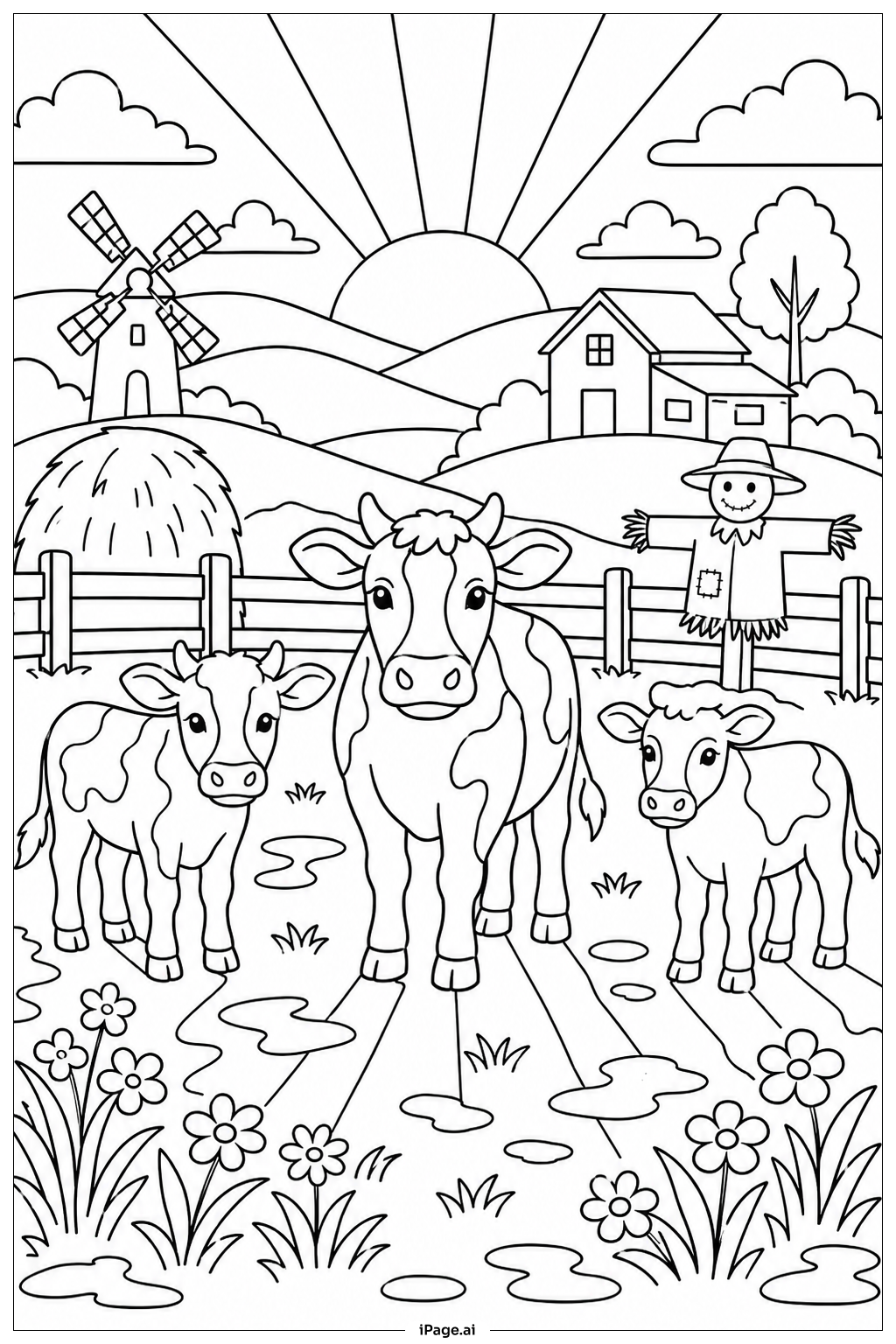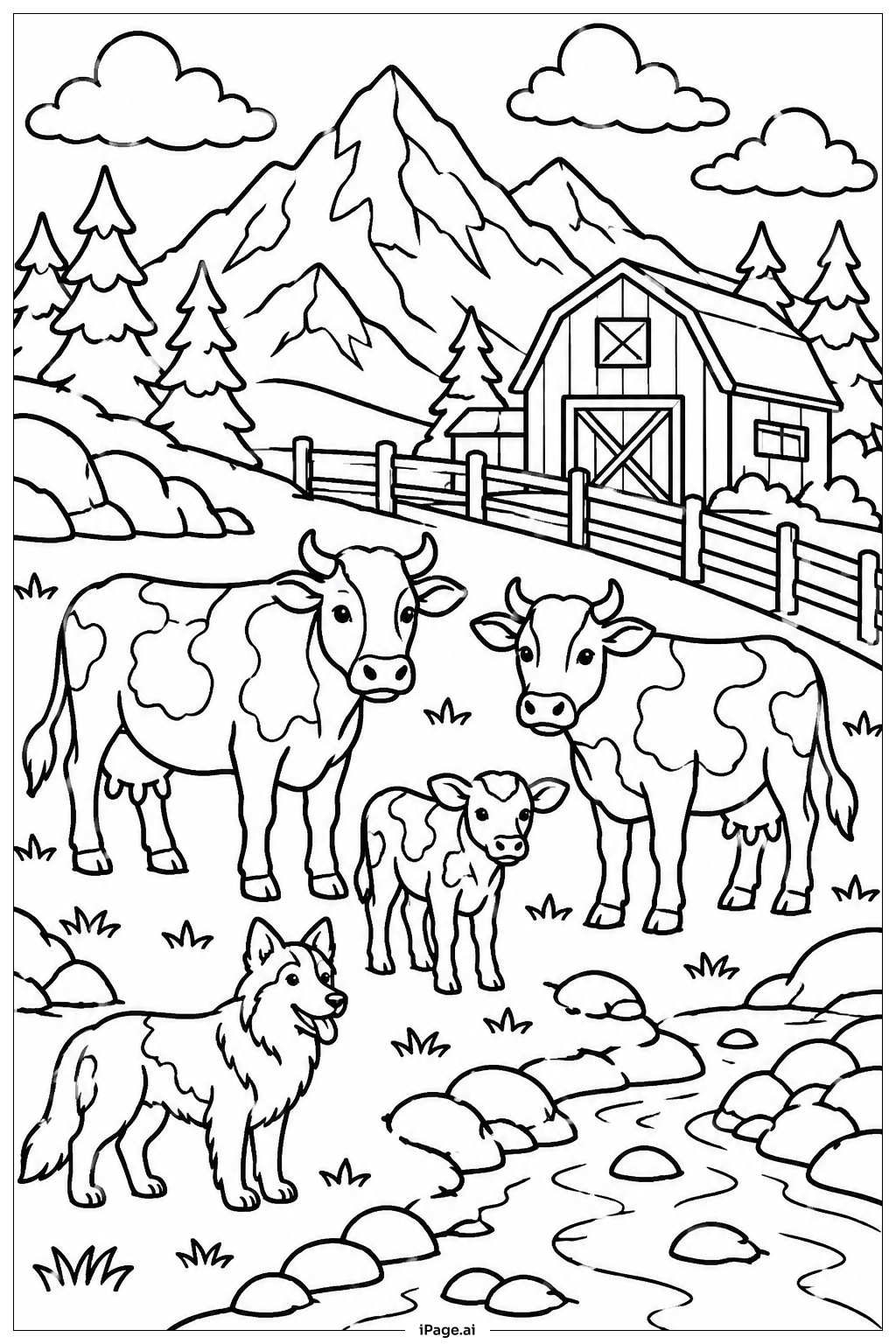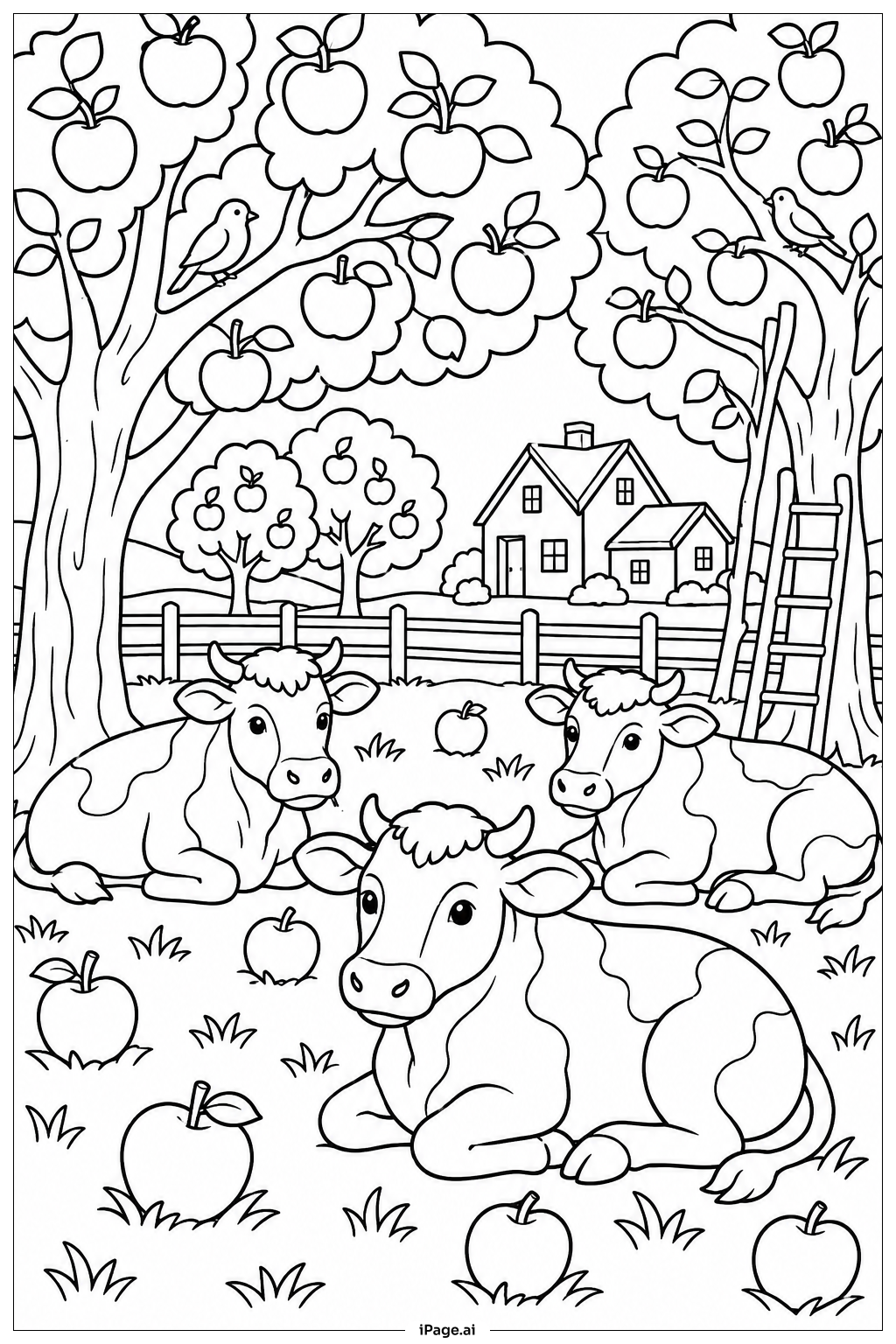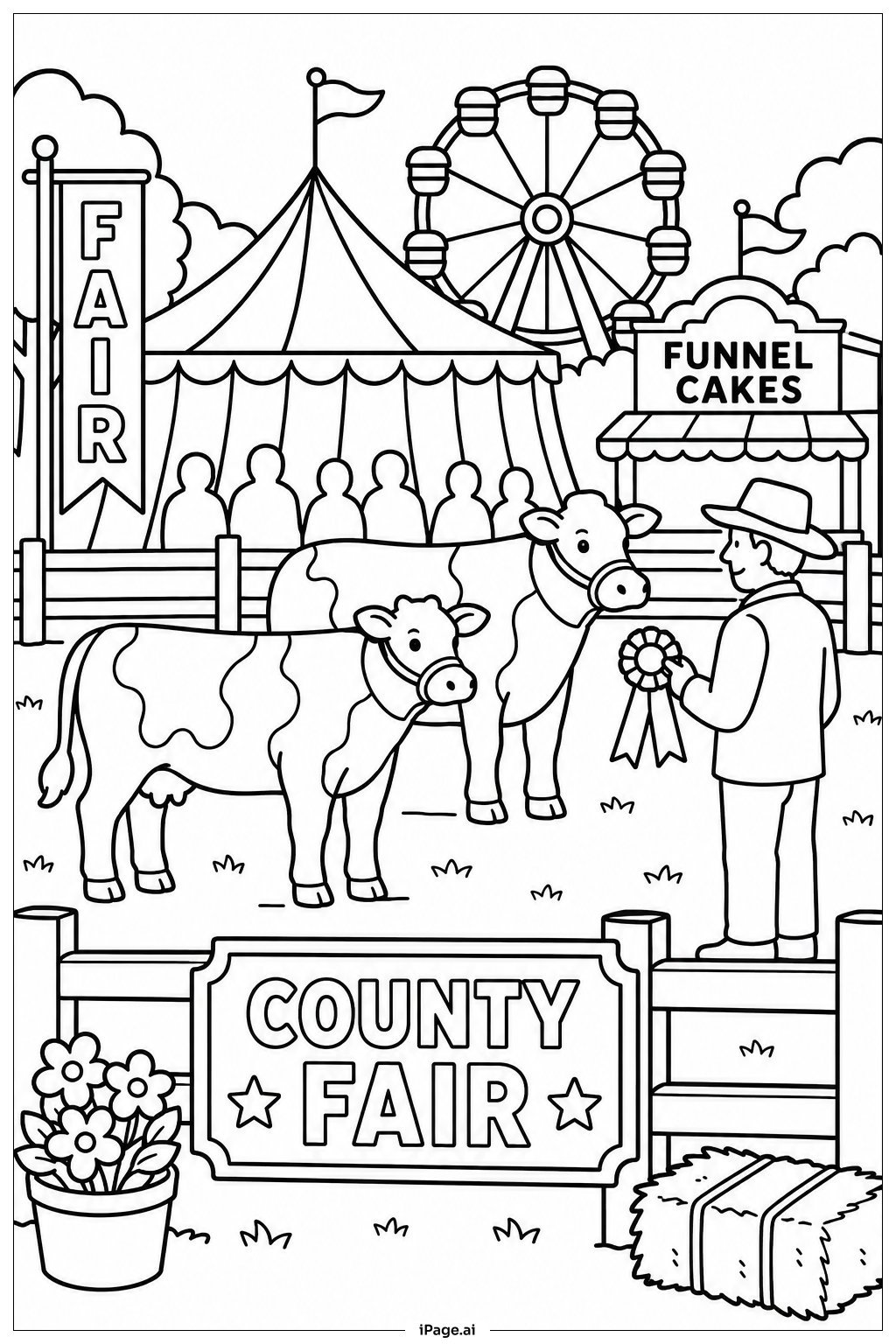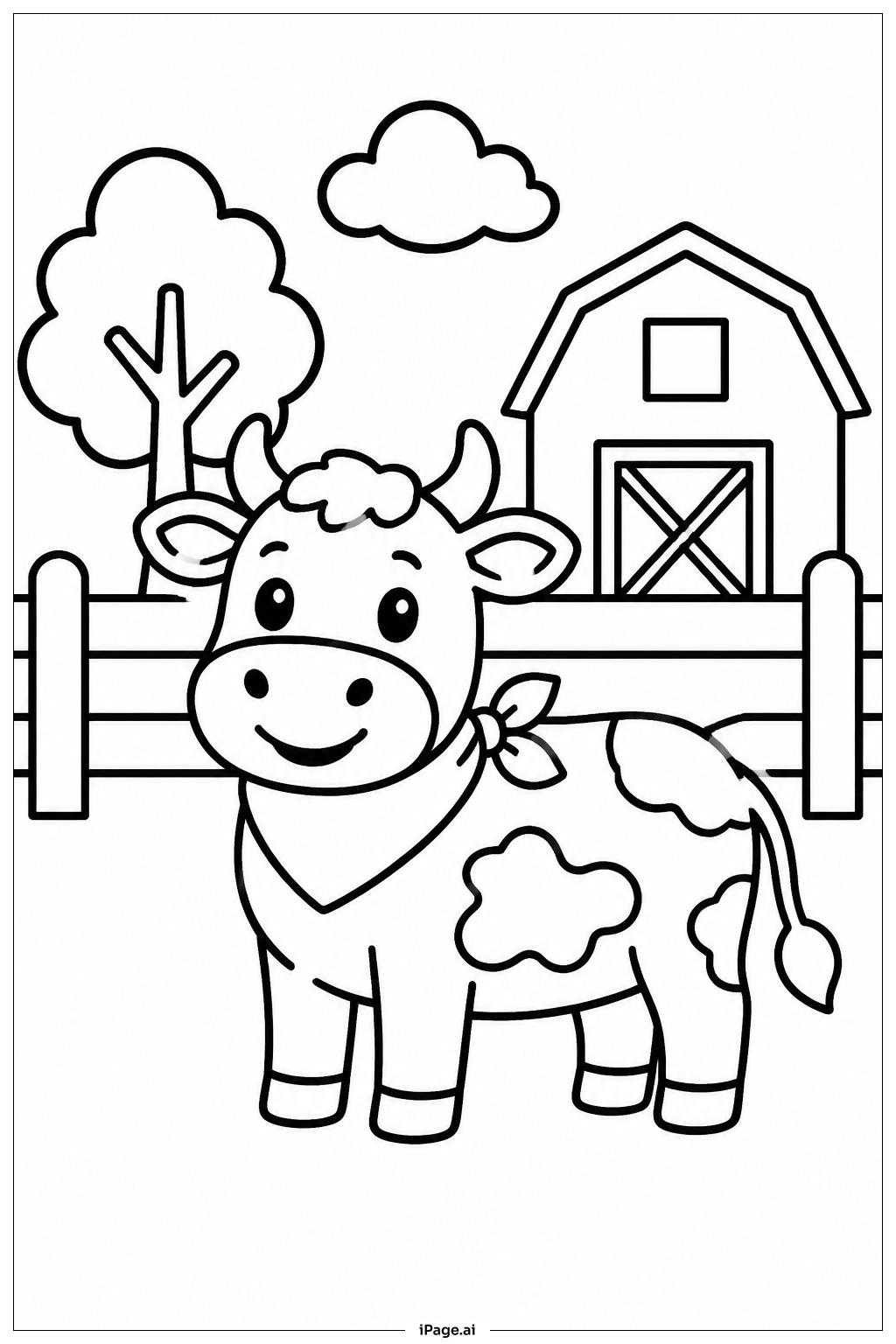
Coloring tips: How to color Cow Wearing Bandana coloring page well?
Start with the cow's body using light brown or tan as your base color. You can add white patches in irregular shapes to give it that classic black-and-white or brown-and-white spotted cow look. Use pink for the snout and inner ears to bring the face to life. The eyes can be colored dark brown or black, with a tiny white dot to make them sparkle. For the bandana, try a bold color like red, blue, or yellow with small white dots or stripes to make it pop. Hooves look great in dark gray or brown. Don't forget to add a light shadow under the belly and legs using a slightly darker shade of your base color. Kids can get creative with the bandana pattern — plaid, polka dots, or solid colors all look wonderful. Use green or yellow for a grassy ground beneath the cow to complete the farmyard feel. Have fun and make this cow your own!
Coloring challenges: Which parts are difficult to color and need attention for Cow Wearing Bandana coloring page?
• Body Patches and Spots: One of the trickiest parts of coloring this image is getting the cow's spots to look natural. The patches need to have irregular, organic edges, and keeping two colors cleanly separated without muddying the boundary lines takes a steady hand. Younger colorists may need to work slowly and use fine-tipped tools for the edges.
• Bandana Details: The bandana has folds and a knotted area that create small, tight sections. Coloring inside these narrow spaces requires precision. If you want to add a pattern like stripes or dots to the bandana, planning the color placement carefully before you start will help avoid a messy result.
• Facial Features: The cow's face includes curved nostrils, round eyes, and soft ear shapes that sit close together. Keeping each facial detail its own distinct color while staying inside the lines can be challenging, especially around the snout area where the curves are tight.
• Shading and Depth: Adding dimension to the cow's rounded body is a fun challenge. Using slightly darker tones along the edges and under the belly will make the cow look three-dimensional rather than flat. This technique, called shading, takes practice and patience to pull off smoothly.
• Small Details on Hooves and Ears: The hooves and inner ear areas are small sections with curved outlines. Using a sharp pencil or a thin marker will help you fill these areas neatly without accidentally coloring outside the lines into larger sections of the body.
Benefits of coloring books: Advantages of drawing Cow Wearing Bandana coloring page
Coloring this fun cow image offers a wide range of benefits for kids and beginners alike. First, it helps build fine motor skills. Carefully staying inside the lines and handling coloring tools strengthens hand muscles and improves coordination, which is great for young learners. Second, it encourages creativity. Choosing colors for the spots, the bandana pattern, and the background lets kids express themselves freely and build their own artistic confidence. Third, it teaches color awareness. Deciding which colors work well together — like a red bandana against a tan coat — helps develop a natural sense of color harmony. Fourth, it promotes focus and patience. Taking time to color neatly, layer shades, and add small details like the knotted bandana trains the mind to stay on task and think carefully about each step. Fifth, it is simply relaxing and fun. Spending time on a cheerful, lighthearted image like a cow in a bandana brings joy and reduces stress. It gives kids a break from screens while keeping their hands and minds active. Overall, this image is a wonderful way to enjoy the benefits of coloring while connecting with a lovable farm animal character.