Coloring tips: How to color Cow On Farm Hill coloring page well?
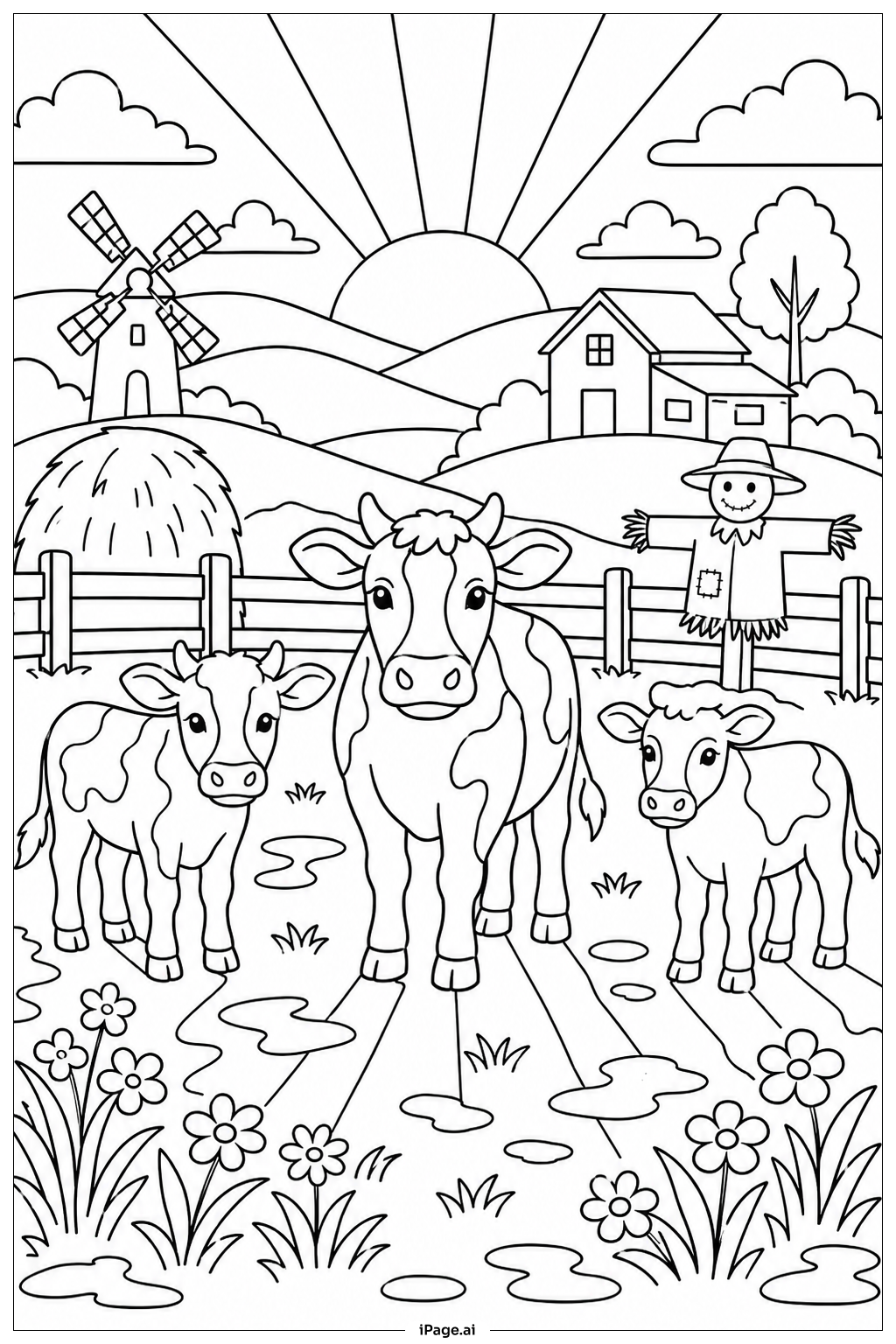
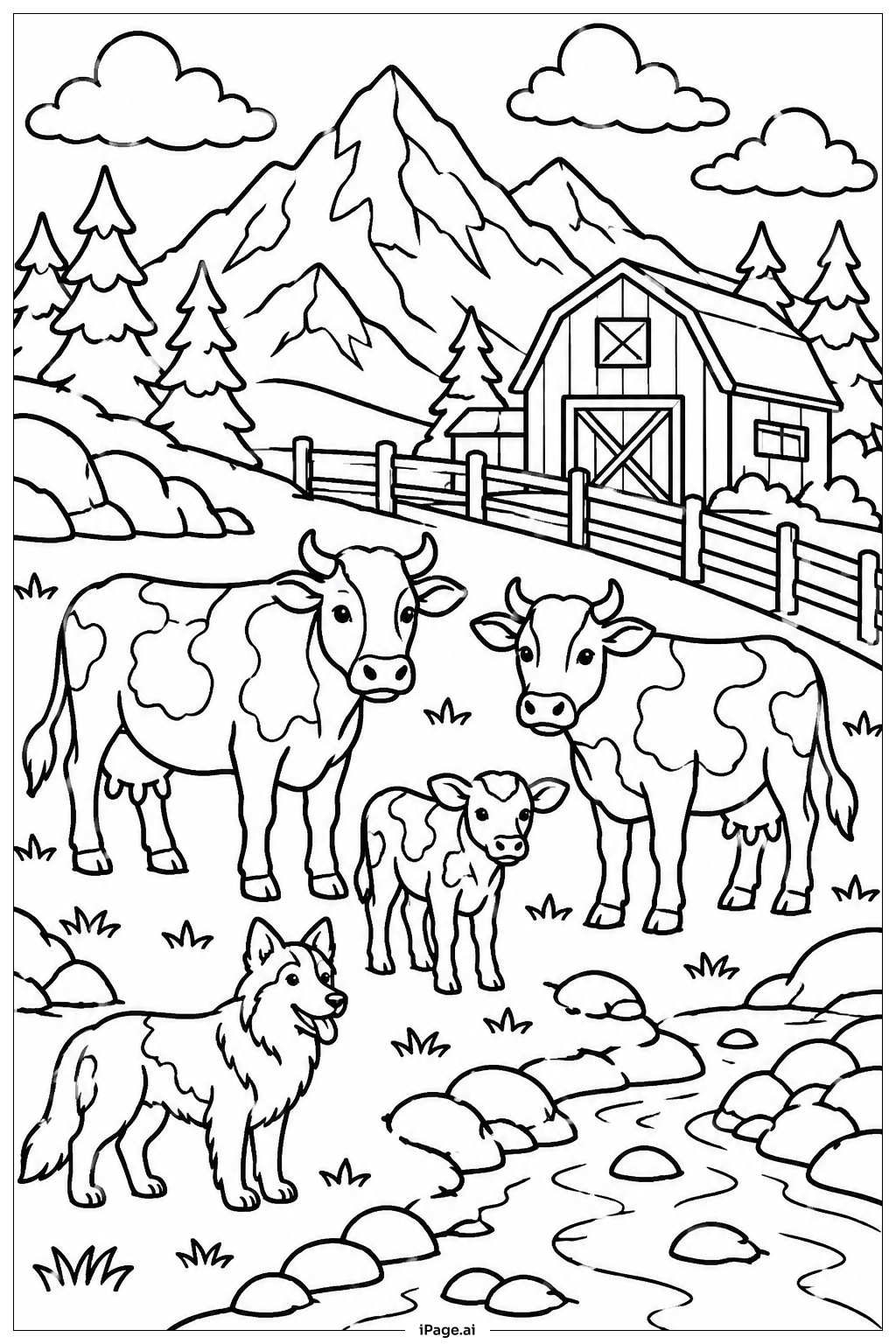
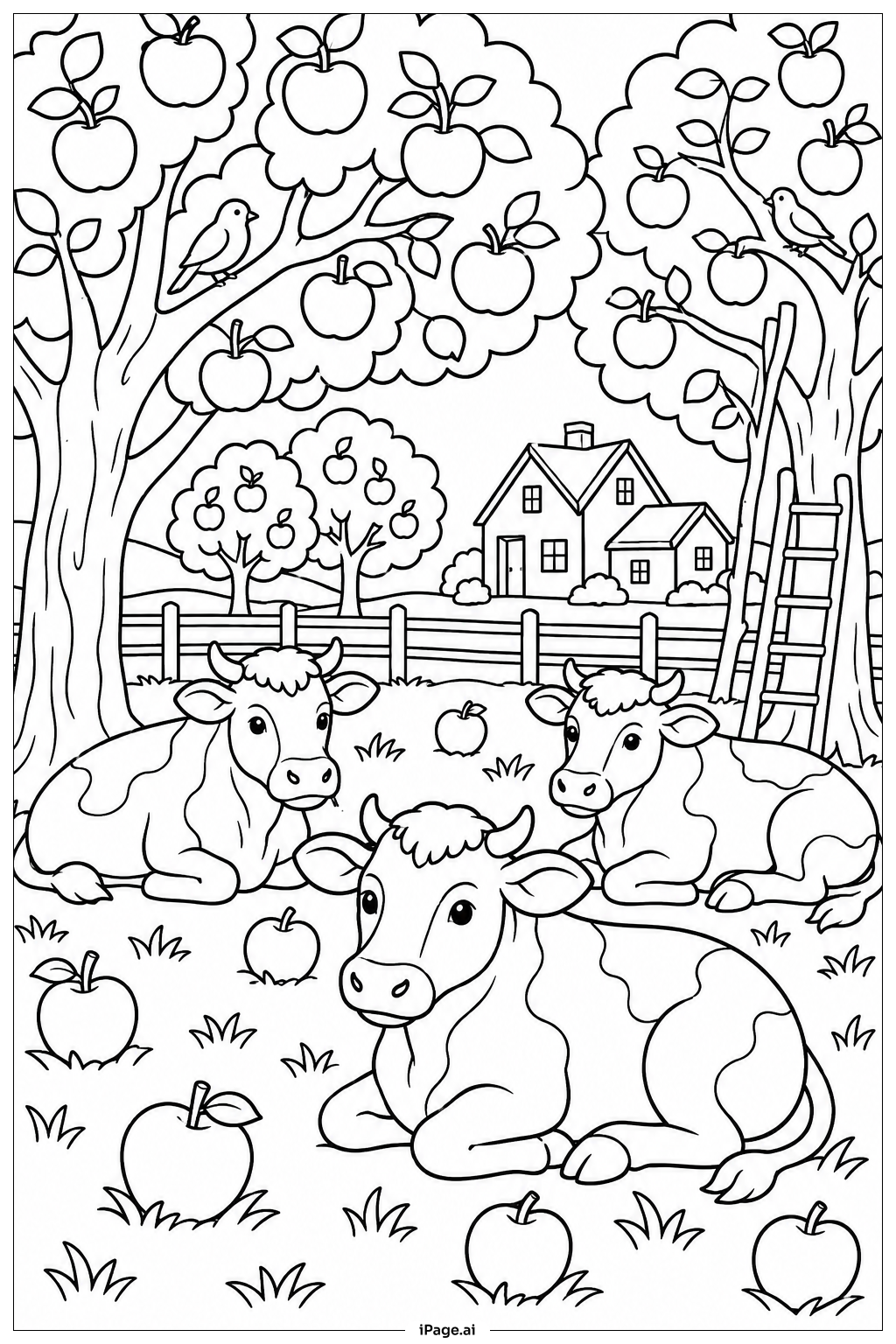
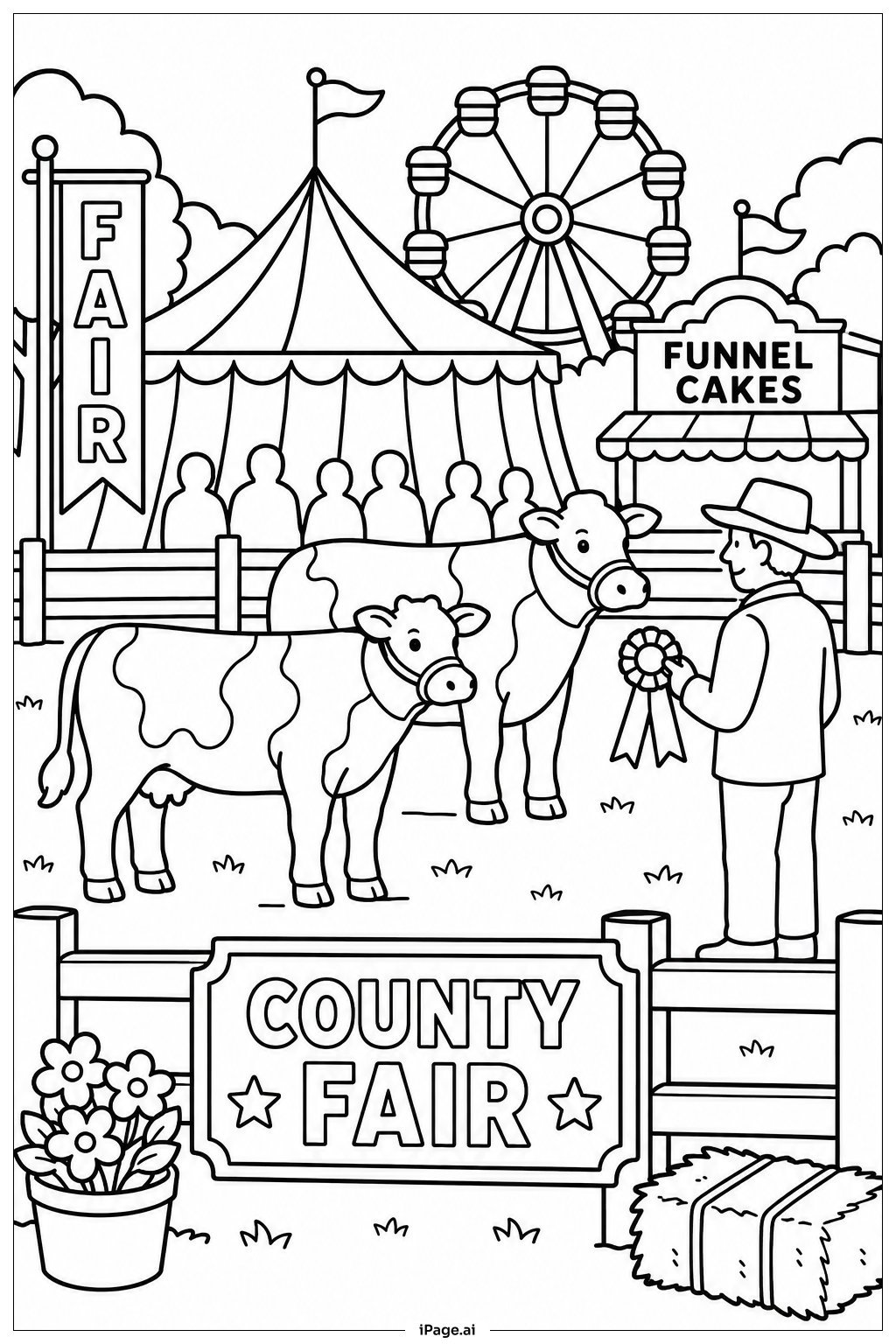
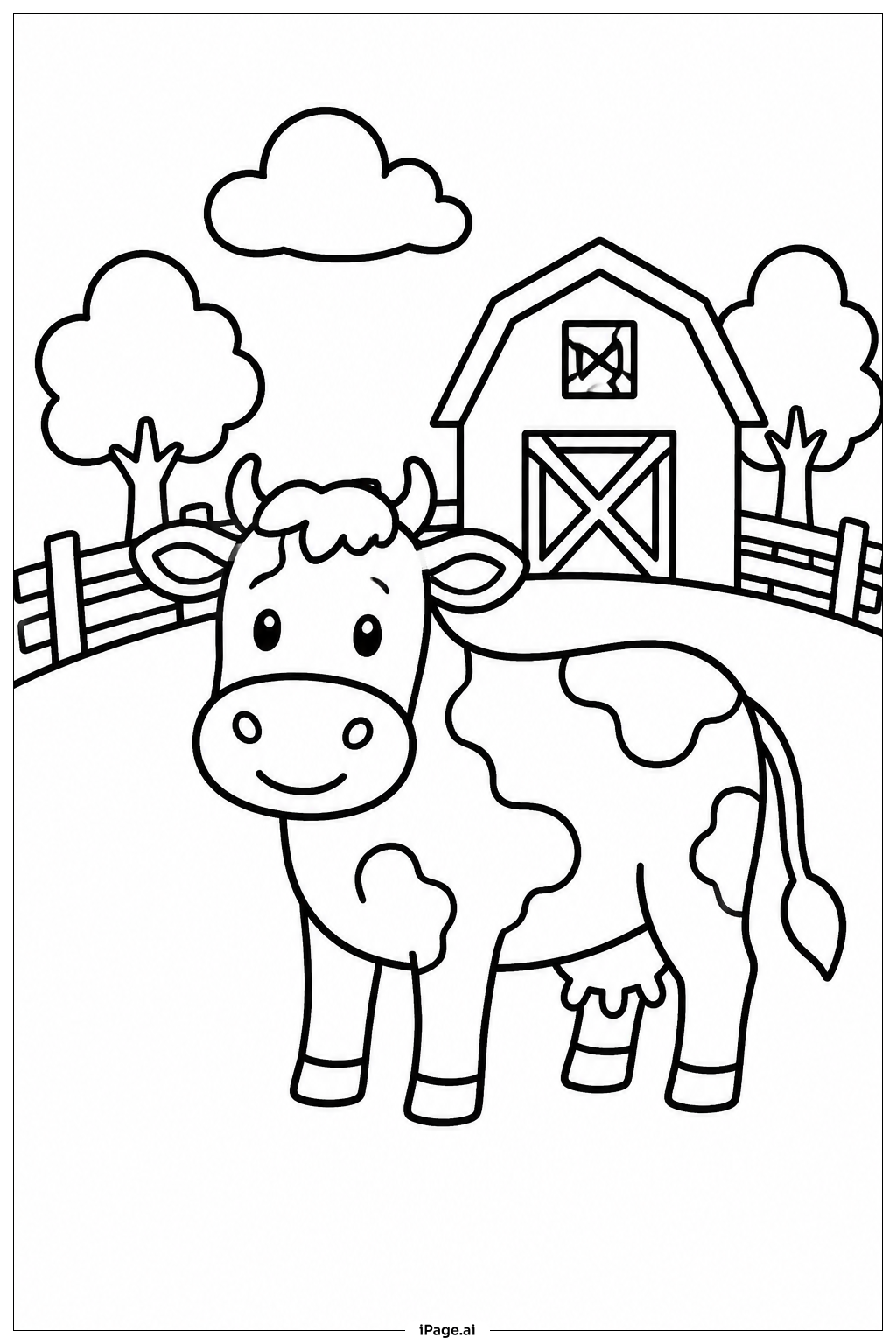
For coloring this image, consider using soft shades of brown, black, or white to color the Cow’s body. You can add some pink for the Cow’s nose and inside the ears. The grassy hill can be filled with different shades of green to show the texture of the grass and wildflowers. Use lighter greens for sunlit areas and darker greens for the shaded parts. The trees in the background can be colored with deep greens and brown trunks. The sky is a great place to use light blue, with white or pale gray for the clouds. Feel free to add colorful wildflowers like yellow, purple, or red to make the scene lively. This coloring page allows for both realistic and imaginative color choices.
Coloring challenges: Which parts are difficult to color and need attention for Cow On Farm Hill coloring page?
• Animal Details: The Cow’s face and body have curved lines and small areas such as the eyes, ears, and hooves that require careful coloring to stay inside the lines.
• Textured Hill: The grassy hill has many blades of grass and wildflowers, which can be tricky to fill evenly without going outside the edges.
• Background Elements: Coloring the trees, fence, and clouds need neat strokes to separate them clearly from the Cow and hill.
• Color Blending: Showing light and shadow on the hill and Cow requires blending different shades smoothly, which can be challenging for beginners.
• Small Spaces: Some tiny gaps between grass blades or near the edges of the Cow’s body demand steady hand control and fine-tipped coloring tools.
Benefits of coloring books: Advantages of drawing Cow On Farm Hill coloring page
Coloring this Cow On Farm Hill image helps improve fine motor skills due to the detailed lines and small spaces. It encourages focus and patience as children work to stay within the boundaries and blend colors. Using different shades to color the hill and Cow teaches color theory and light effects in nature scenes. This page also inspires creativity by allowing kids to choose realistic or imaginative colors for the farm setting. Additionally, coloring farm animals can foster a connection with rural life and nature, helping children learn about animals and their environments while having fun.