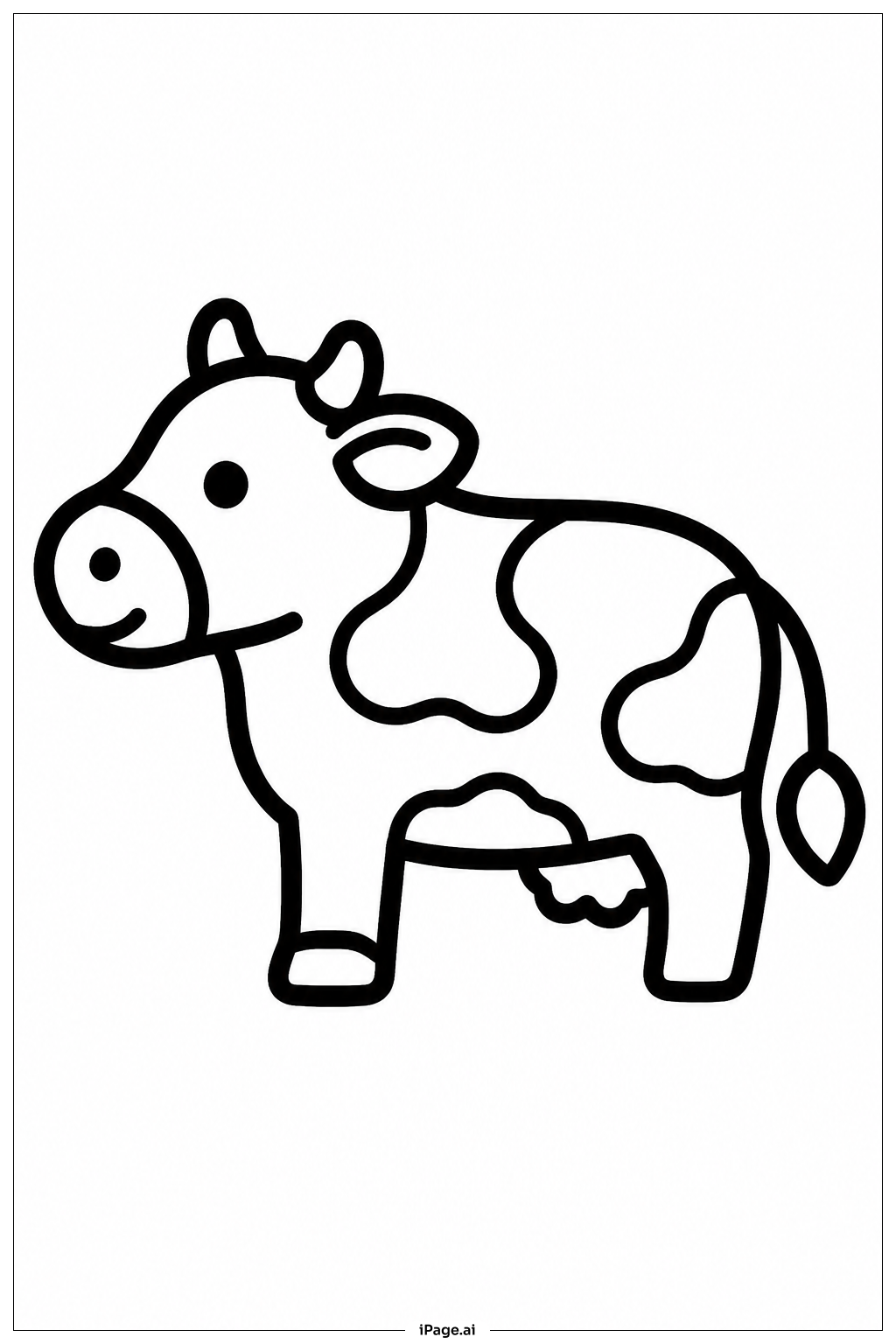
Coloring tips: How to color Cow In Profile coloring page well?
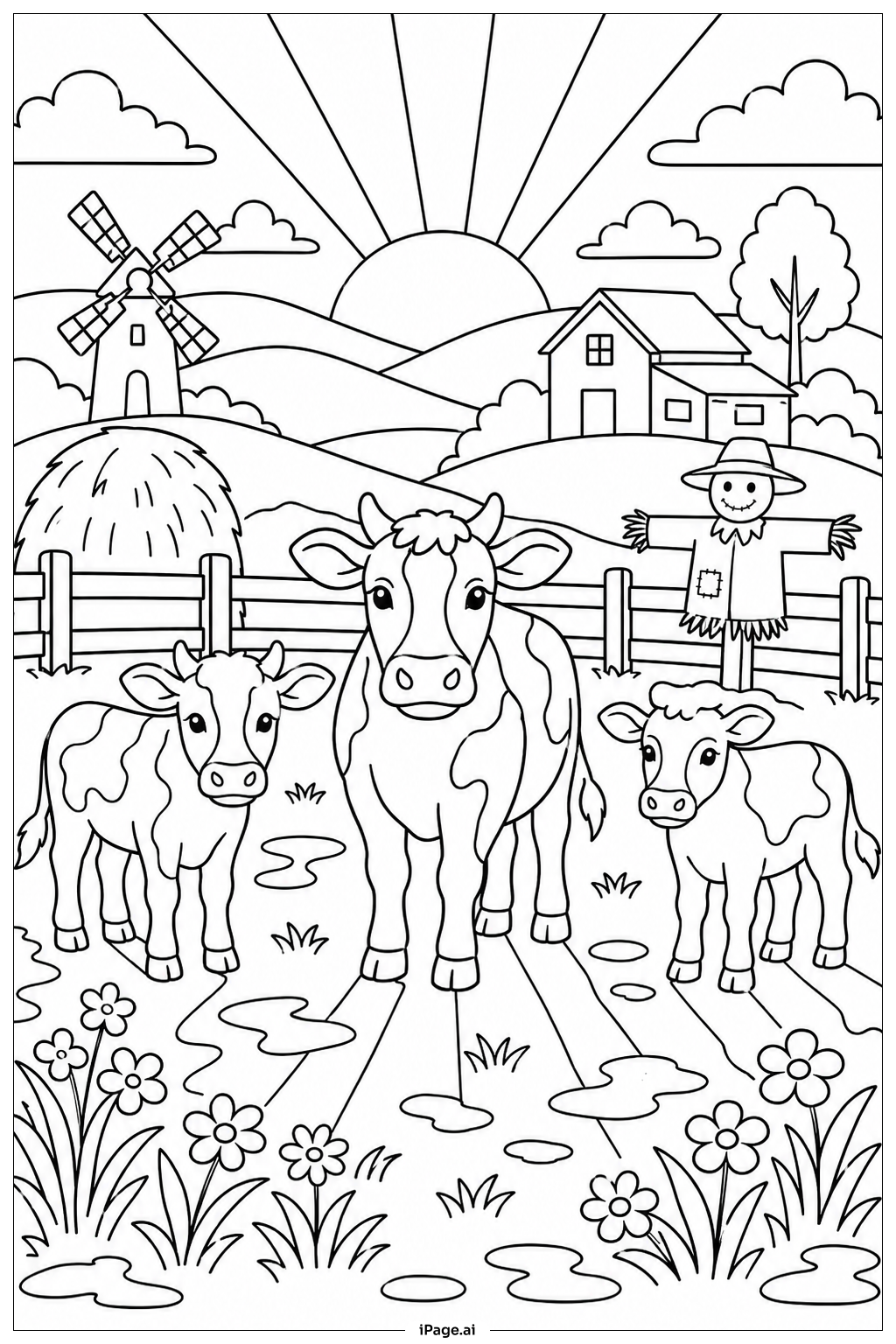
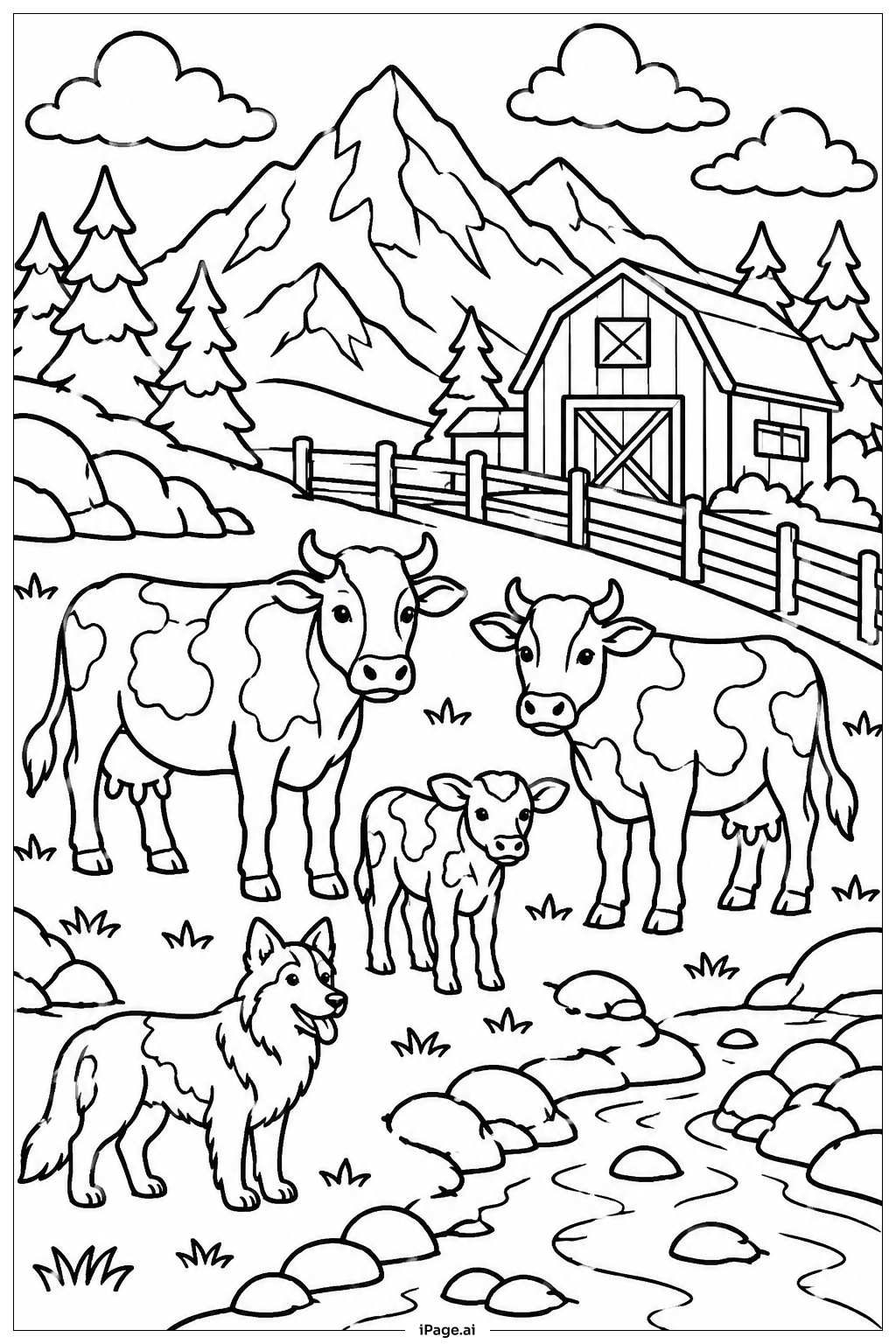
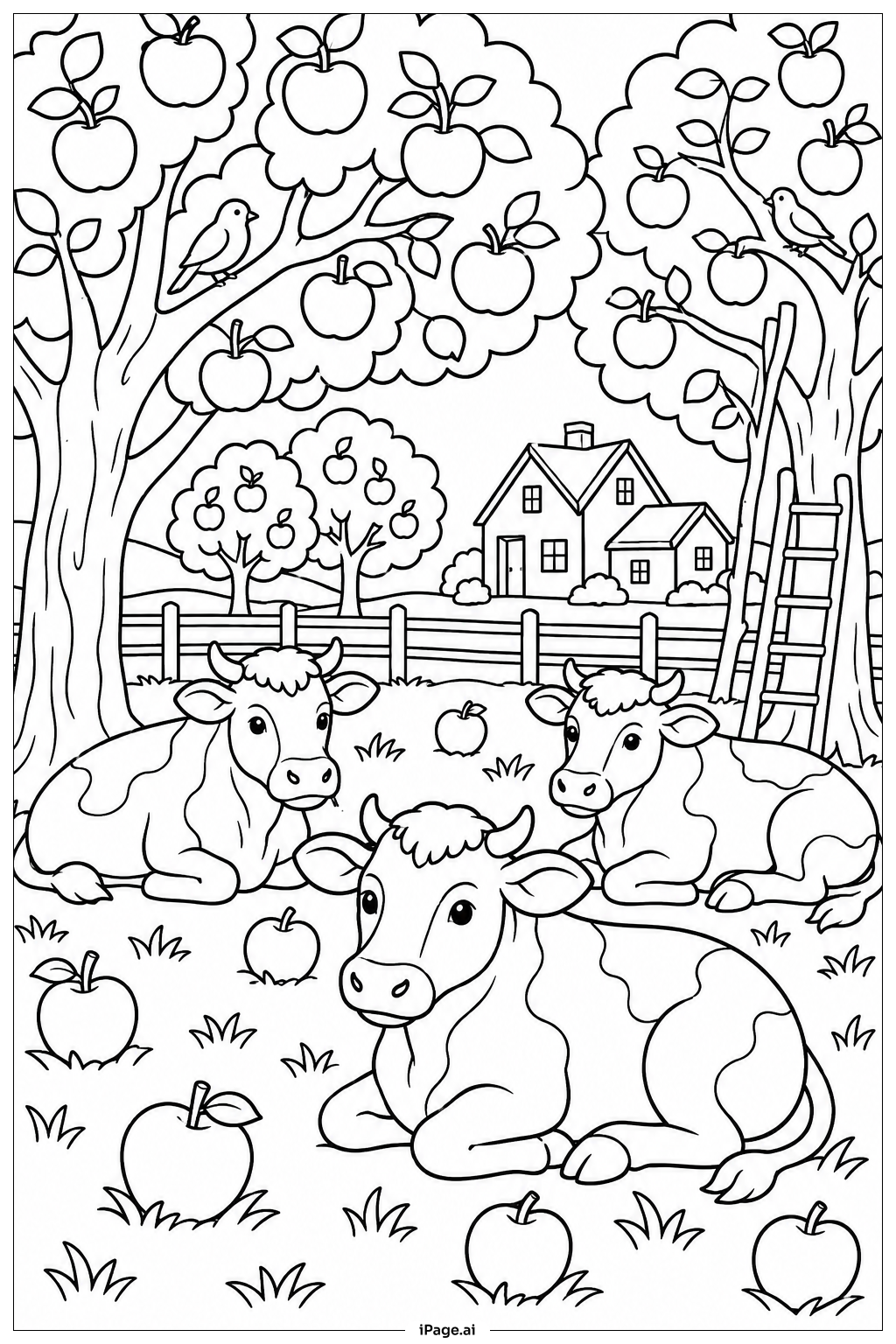
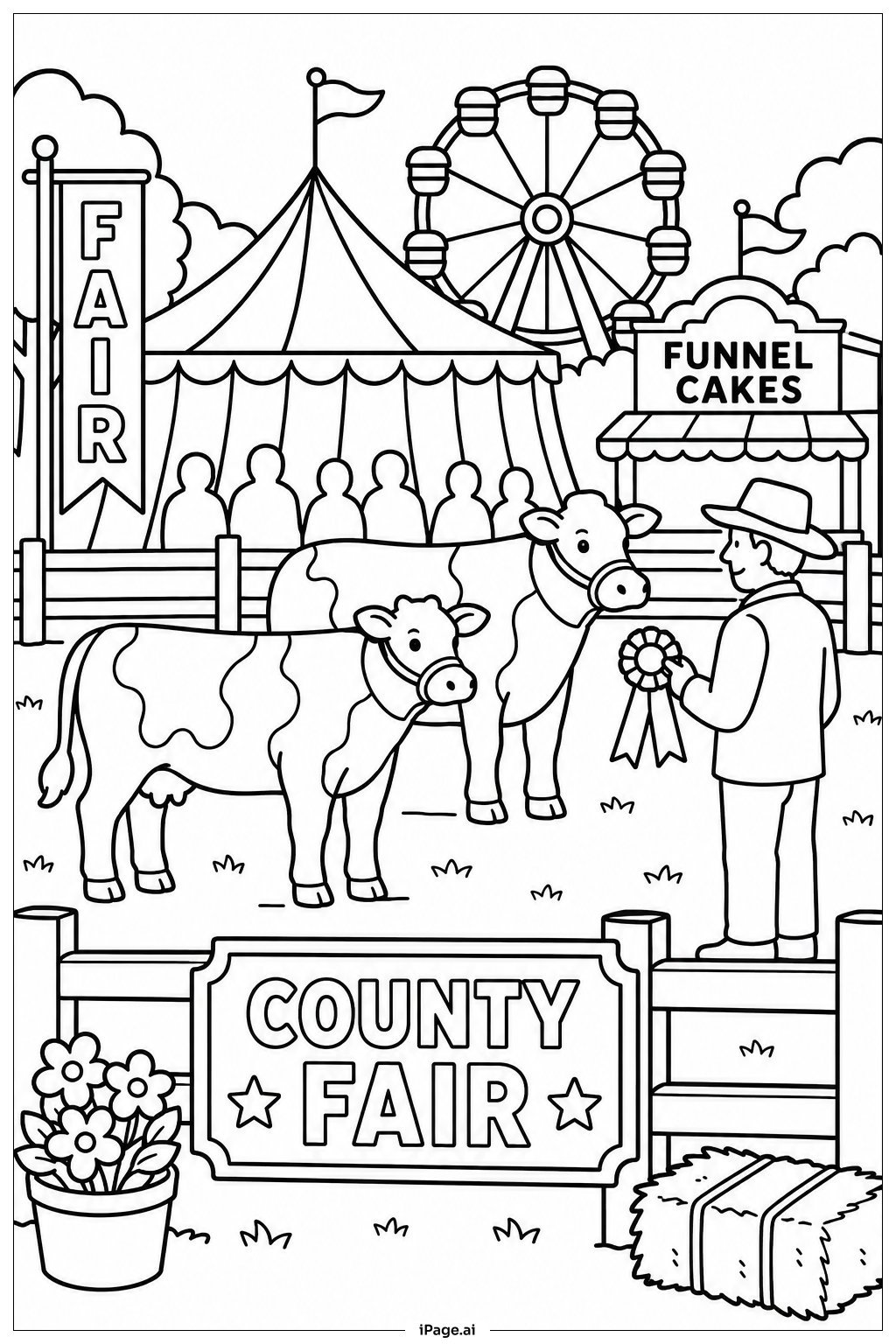
For coloring this Cow In Profile, start with soft browns and cream shades to bring the body to life. You can use light beige or white for parts of the face and belly to show where the cow’s fur is lighter. Try blending darker browns on the legs and around the ears for depth. The eyes can be colored dark brown or black to create a kind expression. Feel free to add patches or spots in black or dark brown to make your cow unique. The background could be colored with green to represent grass or blue for the sky, giving a natural farm feel.
Coloring challenges: Which parts are difficult to color and need attention for Cow In Profile coloring page?
• Detail Balance: The cow’s profile has many smooth lines and subtle curves that need gentle coloring to avoid making the image look flat or blotchy. It takes patience to keep the shading soft while maintaining clear outlines. • Facial Features: Coloring small areas like the eyes, nostrils, and mouth requires careful work to keep these parts looking friendly and realistic. Over-coloring could make them lose detail. • Fur Texture: Representing the cow’s fur texture using just colors without drawing hairs is tricky. You need to use shading and color variation to suggest softness and depth. • Leg Position: The legs are drawn close together in a standing pose, so you must carefully color between them to keep the shape clear without merging the lines. • Tail and Ear Details: These smaller parts need delicate strokes to keep the natural look, and coloring outside the lines can spoil the clean appearance.
Benefits of coloring books: Advantages of drawing Cow In Profile coloring page
Coloring this Cow In Profile helps children improve their hand-eye coordination and attention to detail. It encourages them to think about shading and color blending, which develop fine motor skills and spatial awareness. Coloring the calm and familiar image of a cow also promotes relaxation and focus. For younger children, it builds confidence as they complete a clear, recognizable image. Older children can practice using different tones and textures to make the picture more lifelike. Overall, it is a fun and educational activity that connects kids with farm animals and nature.