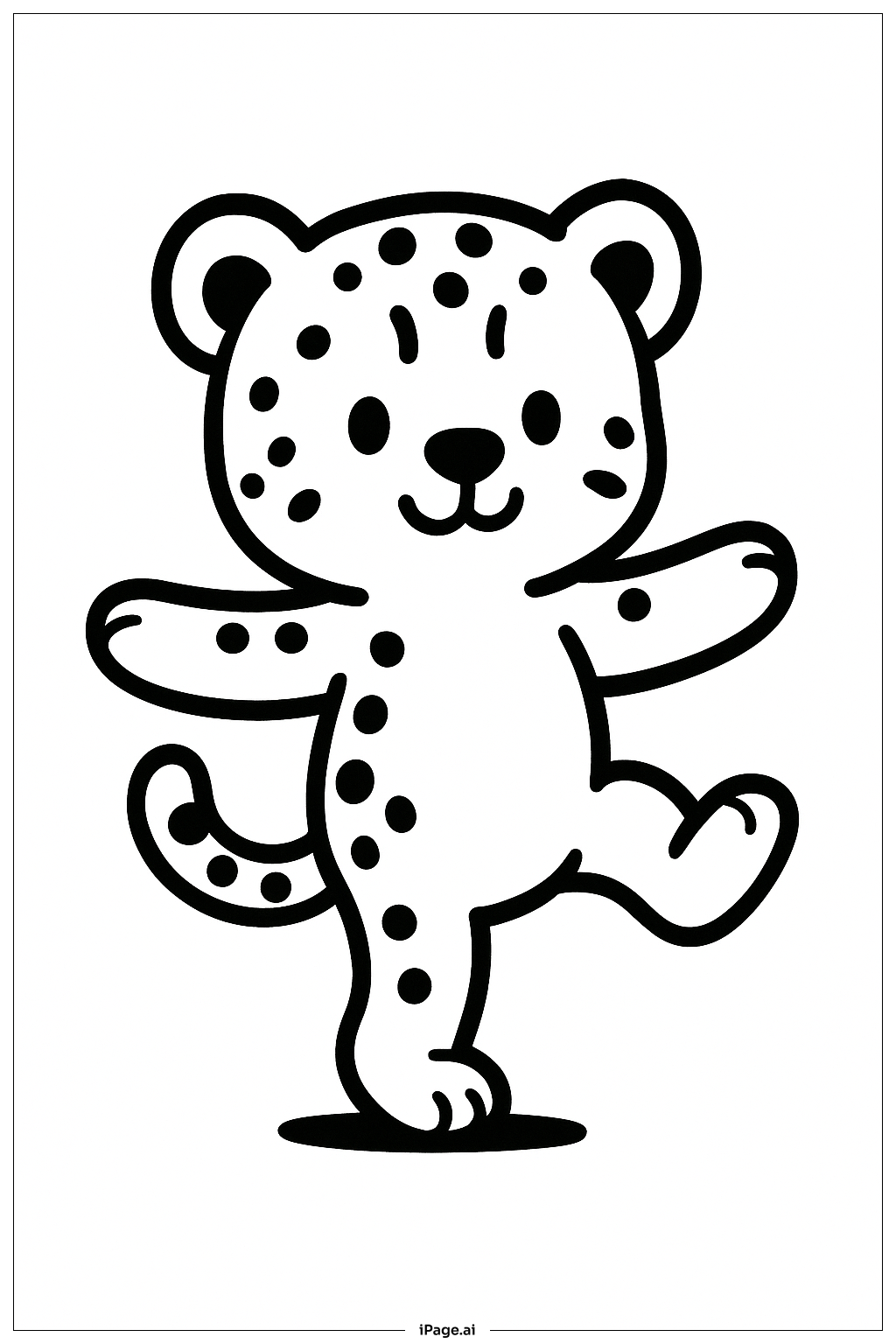
Coloring tips: How to color Cheetah Balancing Cub coloring page well?
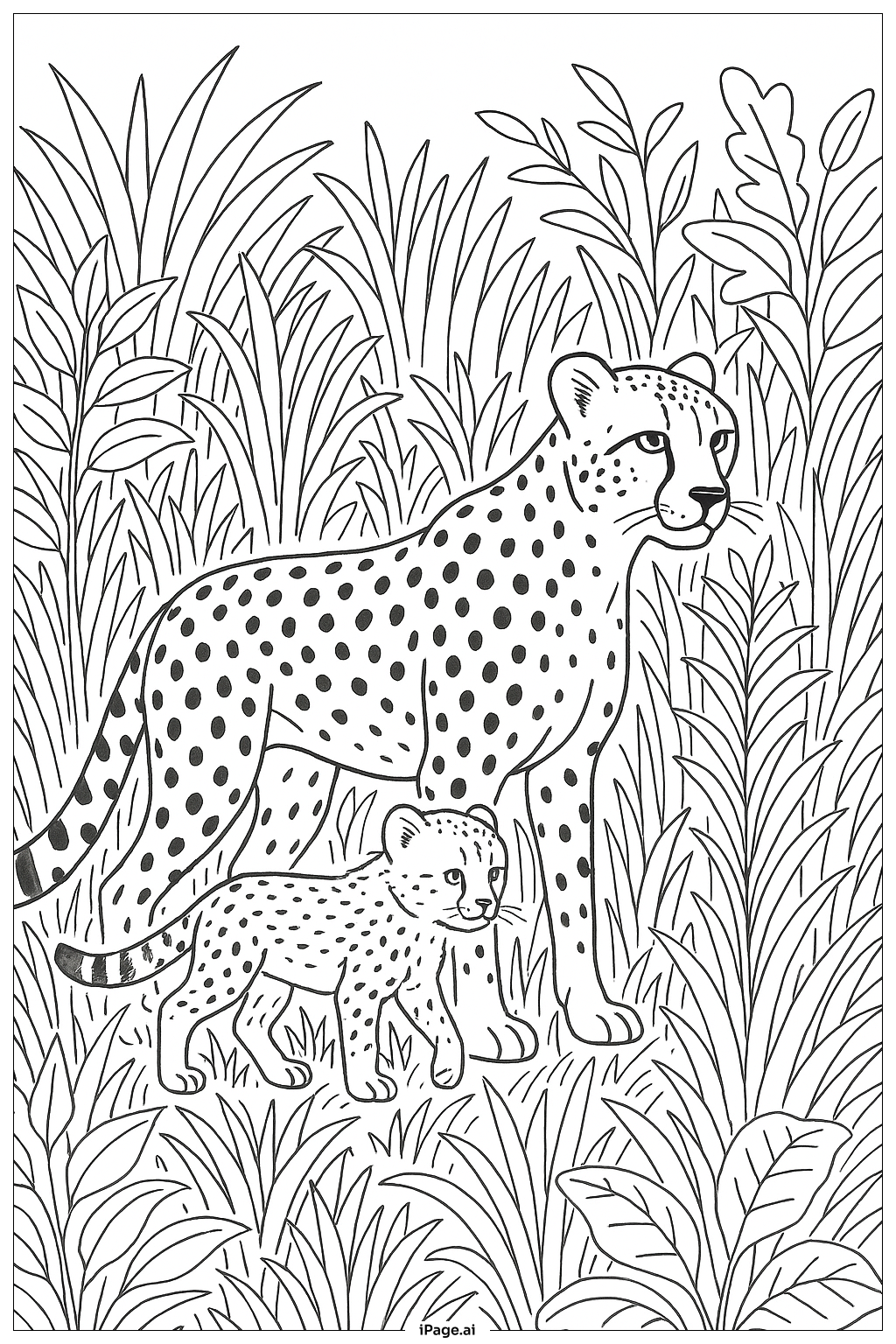
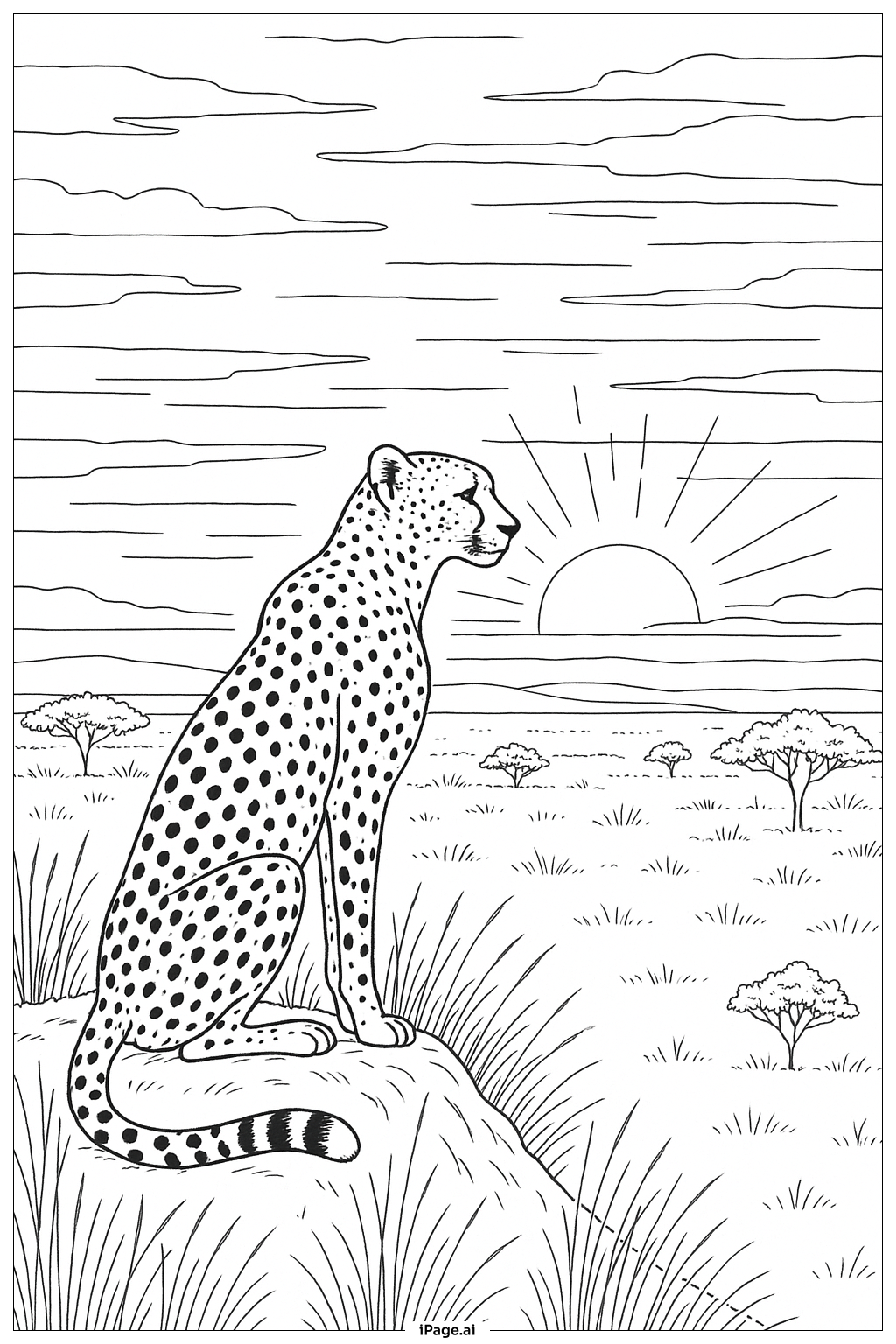
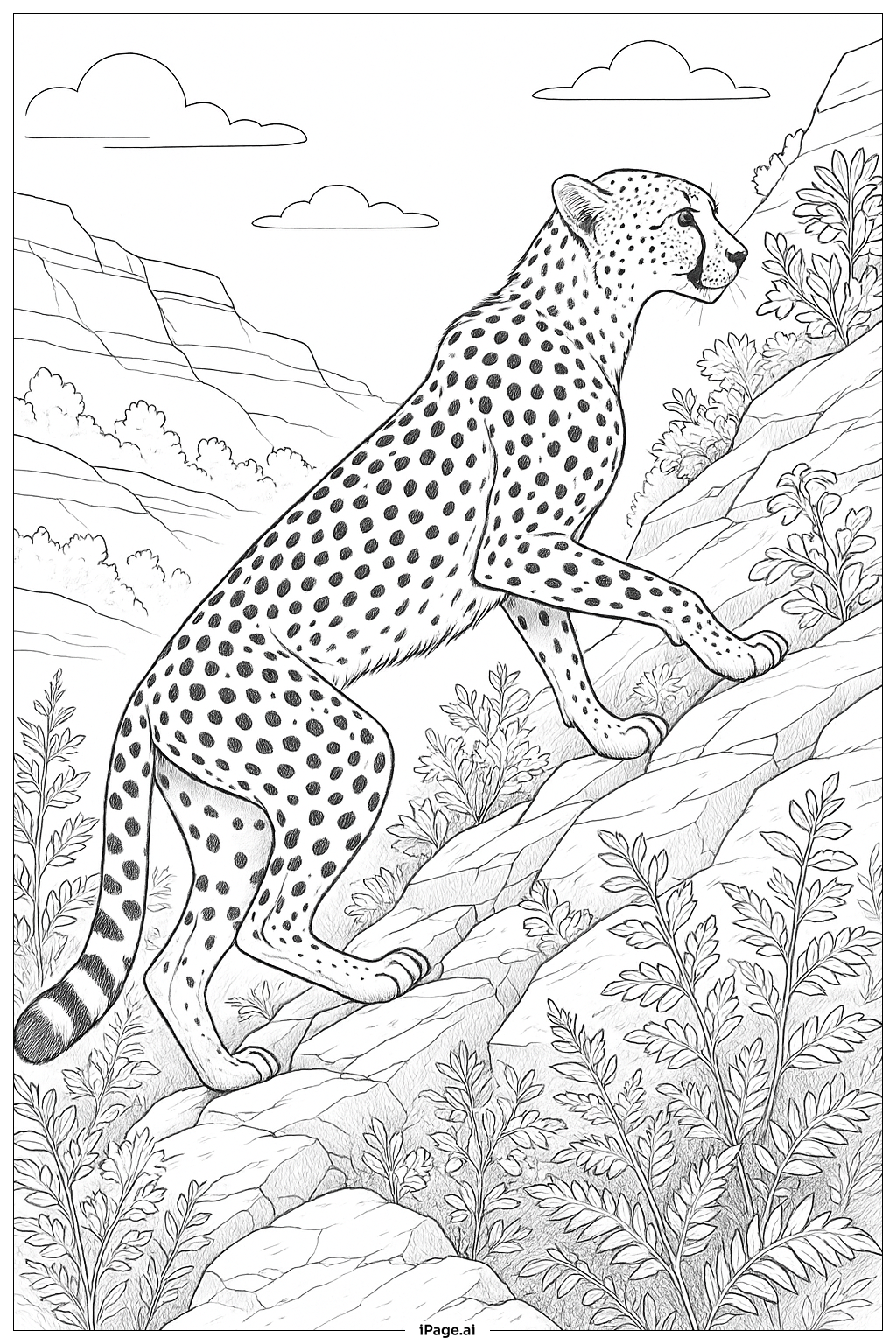
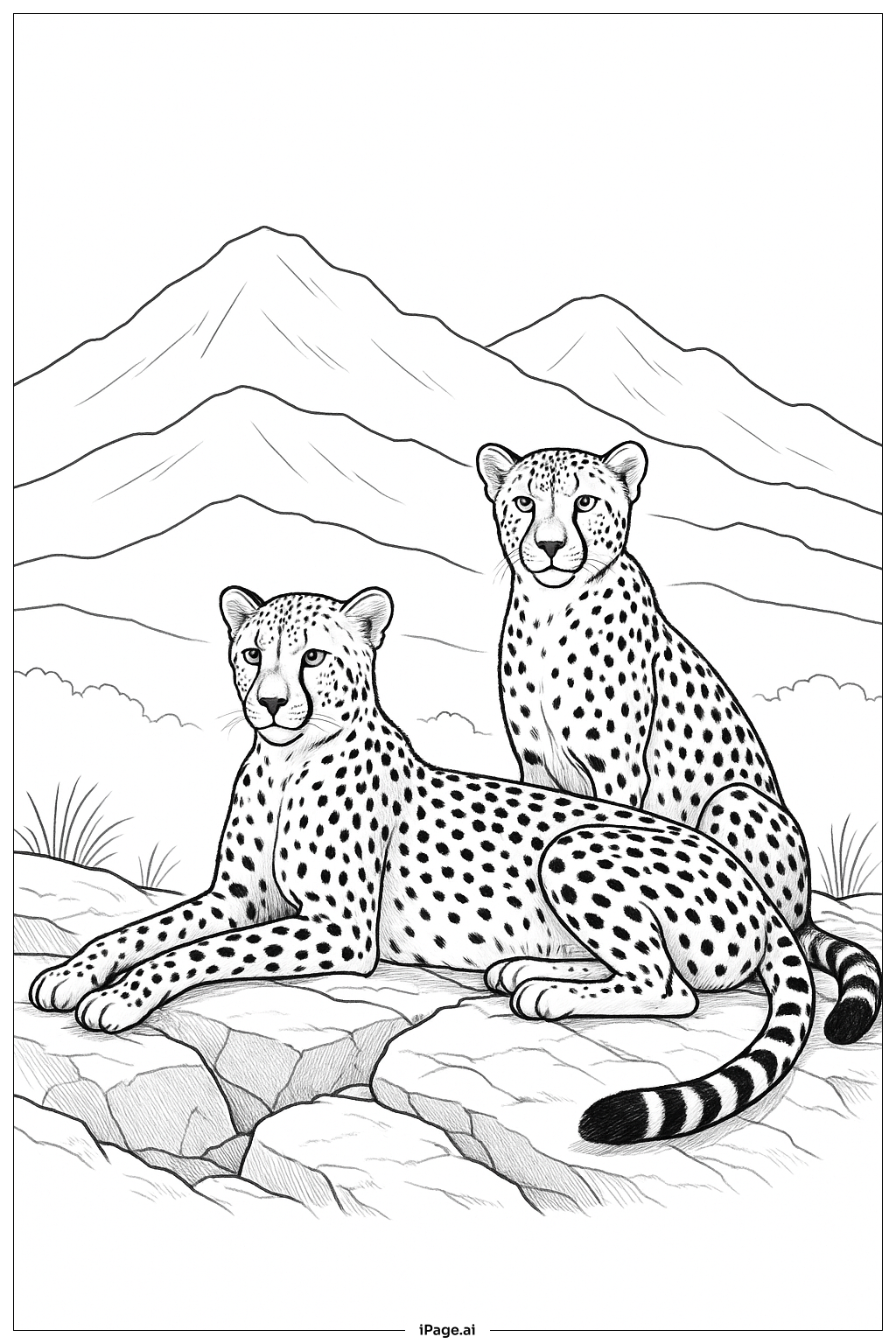
To color this playful cheetah cub, use soft yellow or light orange for the body, which represents the real color of a cheetah. Use black or dark brown for the spots to make them stand out. The inside of the ears can be colored a light peach or pink shade. For the nose and eyes, use black or dark brown. The shadow beneath the cub can be colored in a soft gray or black shade to show the ground. Try using bright colors for a fun look, or keep natural colors for a realistic style. You can also add some green or brown around the cub if you want to create a background with grass or dirt.
Coloring challenges: Which parts are difficult to color and need attention for Cheetah Balancing Cub coloring page?
1. Small Spots: The cheetah cub has many small spots that need careful coloring to avoid going outside the lines. 2. Balancing Pose: The cub is standing on one leg with arms wide; coloring the legs and arms properly to keep the pose clear can be tricky. 3. Smooth Lines: The simple lines and curves need steady hands to keep the color neat inside the drawing. 4. Limited Details: The lack of extra features means color choice has to bring the cub to life, which can be hard when trying to color creatively. 5. Contrast: Coloring the spots and body with the right contrast to make sure the spots look distinct, but not too sharp to lose the playful look.
Benefits of coloring books: Advantages of drawing Cheetah Balancing Cub coloring page
Coloring this cheetah cub helps children practice their fine motor skills by carefully filling in spots and small areas. It encourages creativity as they choose colors to bring the cub to life. Coloring also teaches children about animals and their patterns. The simple smiling face promotes positive feelings and makes coloring fun. It improves focus and patience while completing the picture. This activity can be relaxing and boost confidence when children finish coloring a cute, balanced cub.