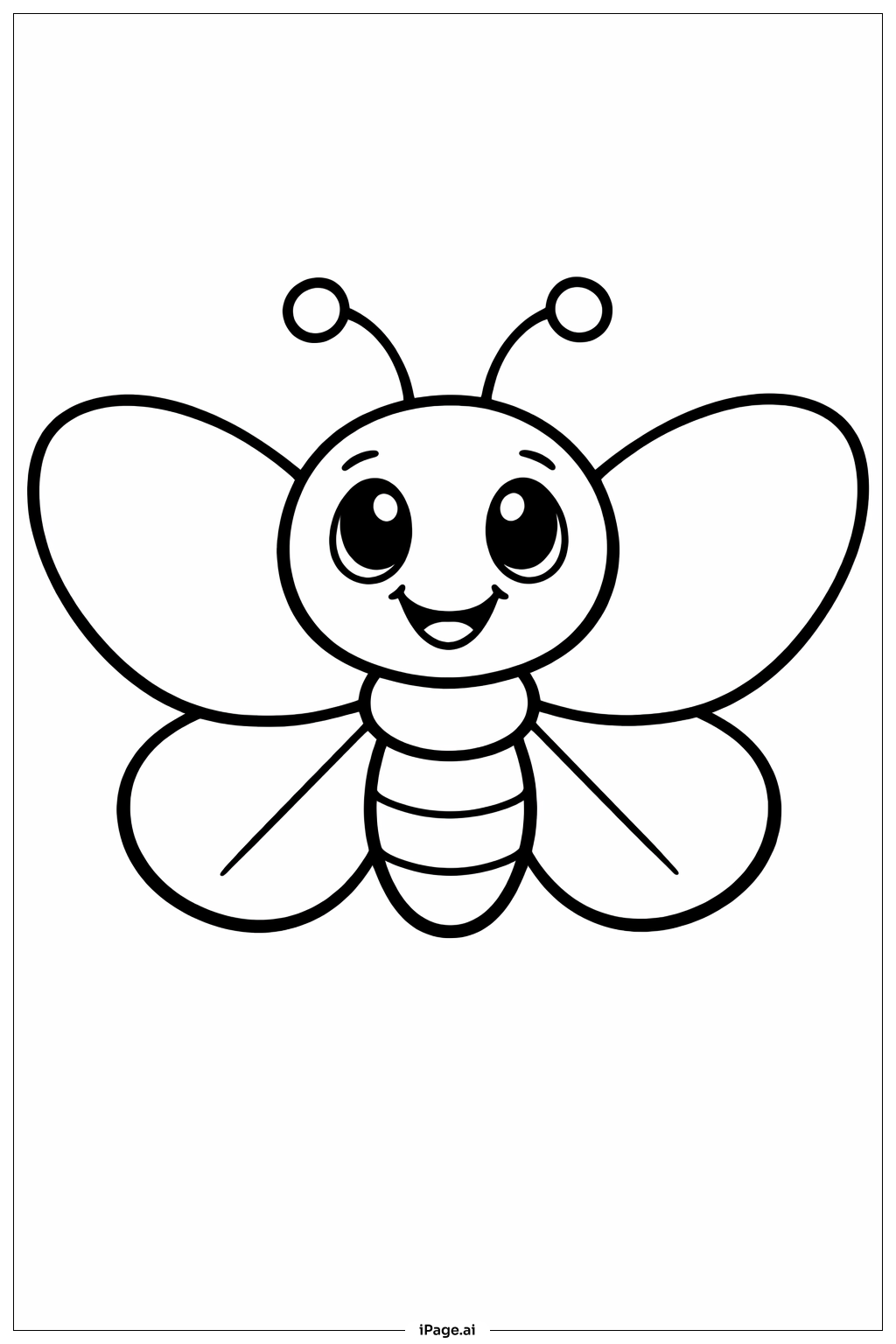
Coloring tips: How to color Smiling Butterfly coloring page well?
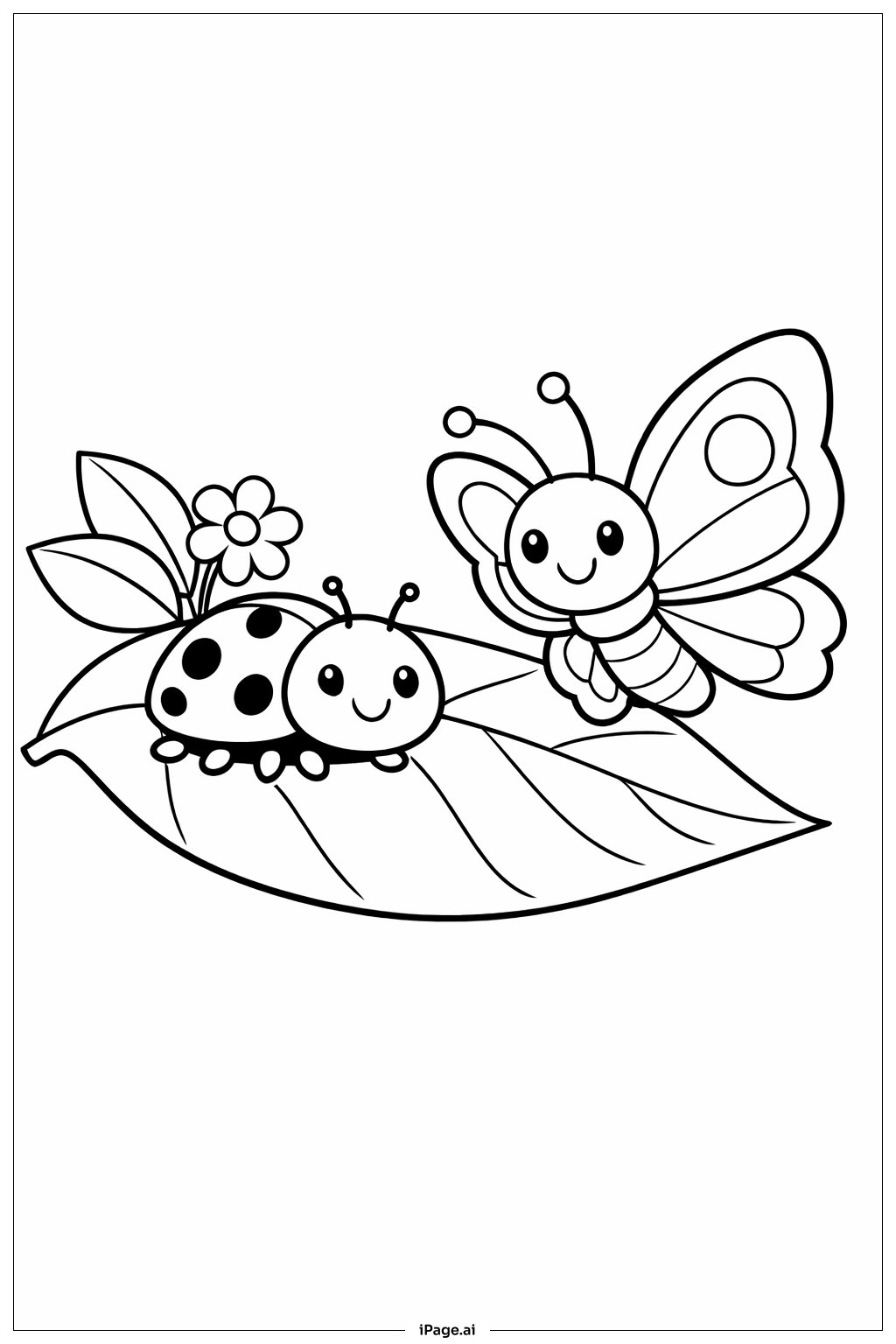
You can use bright and cheerful colors like yellow, orange, pink, blue, or purple for the butterfly's wings to make it look lively. Try using different colors for each wing to add variety. For the body, you may use colors like black, dark brown, or even metallic shades like gold or silver for a shiny effect. The butterfly’s face can be colored softly with light pink or peach to keep it friendly. The antenna tips can be colored a different color to make them stand out. Use crayons, colored pencils, or markers for smooth coloring. Experiment with blending colors lightly in the wings for a gradient effect.
Coloring challenges: Which parts are difficult to color and need attention for Smiling Butterfly coloring page?
1. Coloring inside the small areas, especially the eyes and the antenna tips, requires careful attention to avoid coloring outside the lines. 2. The segmented body demands even coloring to keep the sections distinct and clear. 3. Creating a neat gradient or blend effect on the wings can be difficult for beginners. 4. Deciding on color combinations that look good together may be challenging without a planned palette. 5. Coloring the butterfly’s smile and keeping its cheerful expression while adding colors to the face might need gentle strokes and patience.
Benefits of coloring books: Advantages of drawing Smiling Butterfly coloring page
Coloring this smiling butterfly helps improve hand-eye coordination as children practice staying within the lines. It encourages creativity by allowing kids to choose and mix colors freely. The simple shapes help develop fine motor skills while coloring small parts like the eyes and antenna. This activity promotes focus and attention to detail. Seeing the butterfly come to life with colors can boost confidence and provide a sense of accomplishment. It also teaches about butterflies and nature, making coloring both fun and educational.