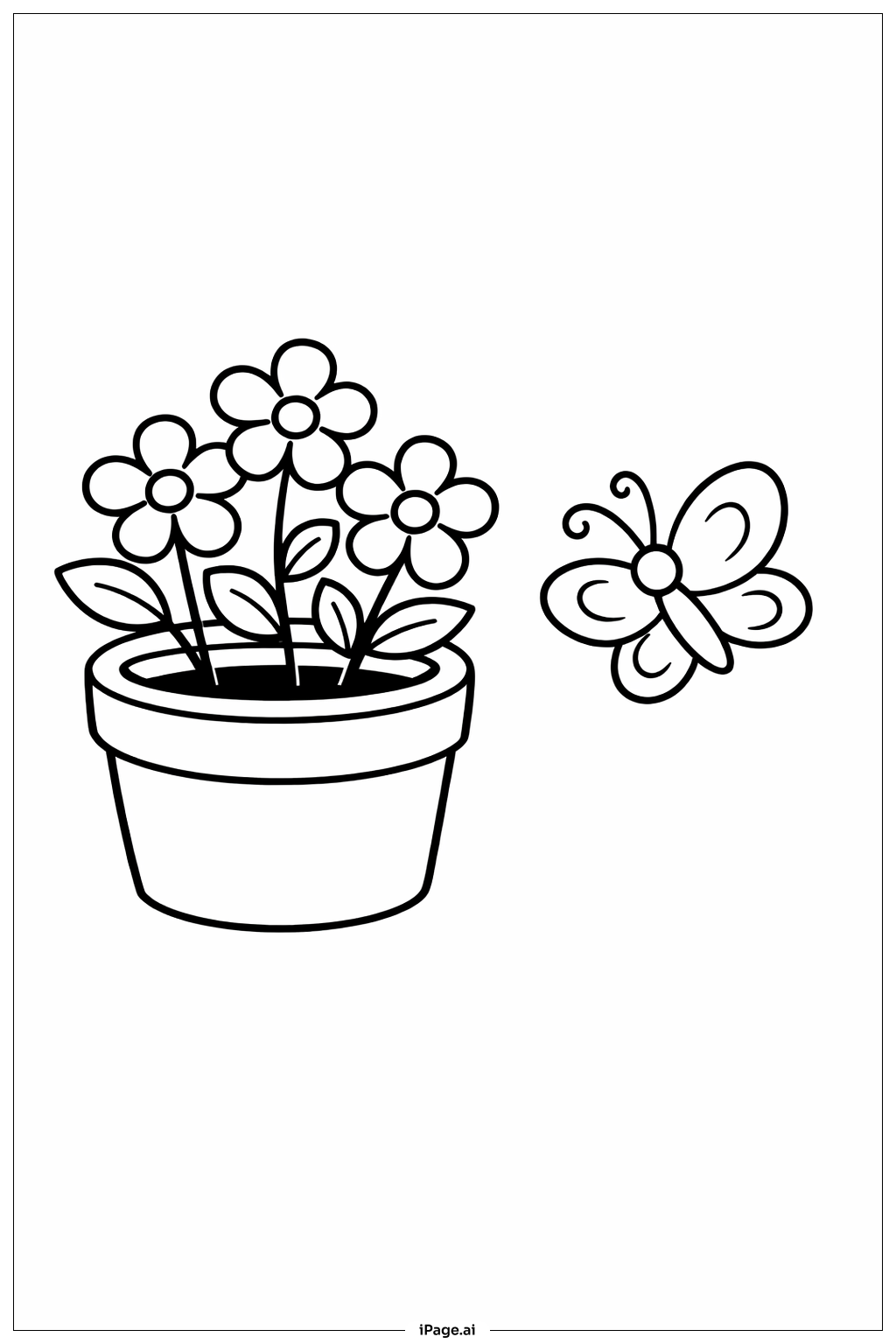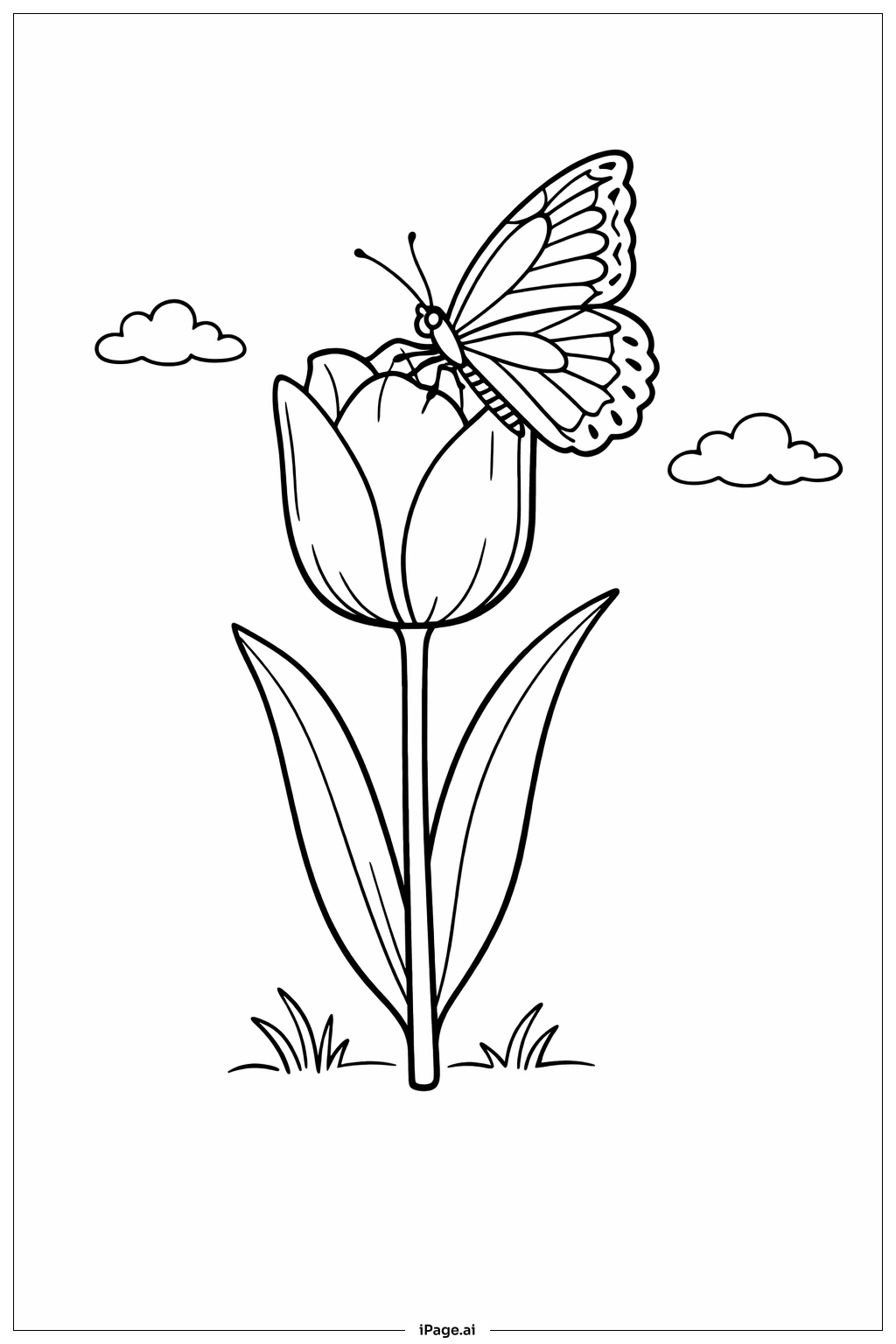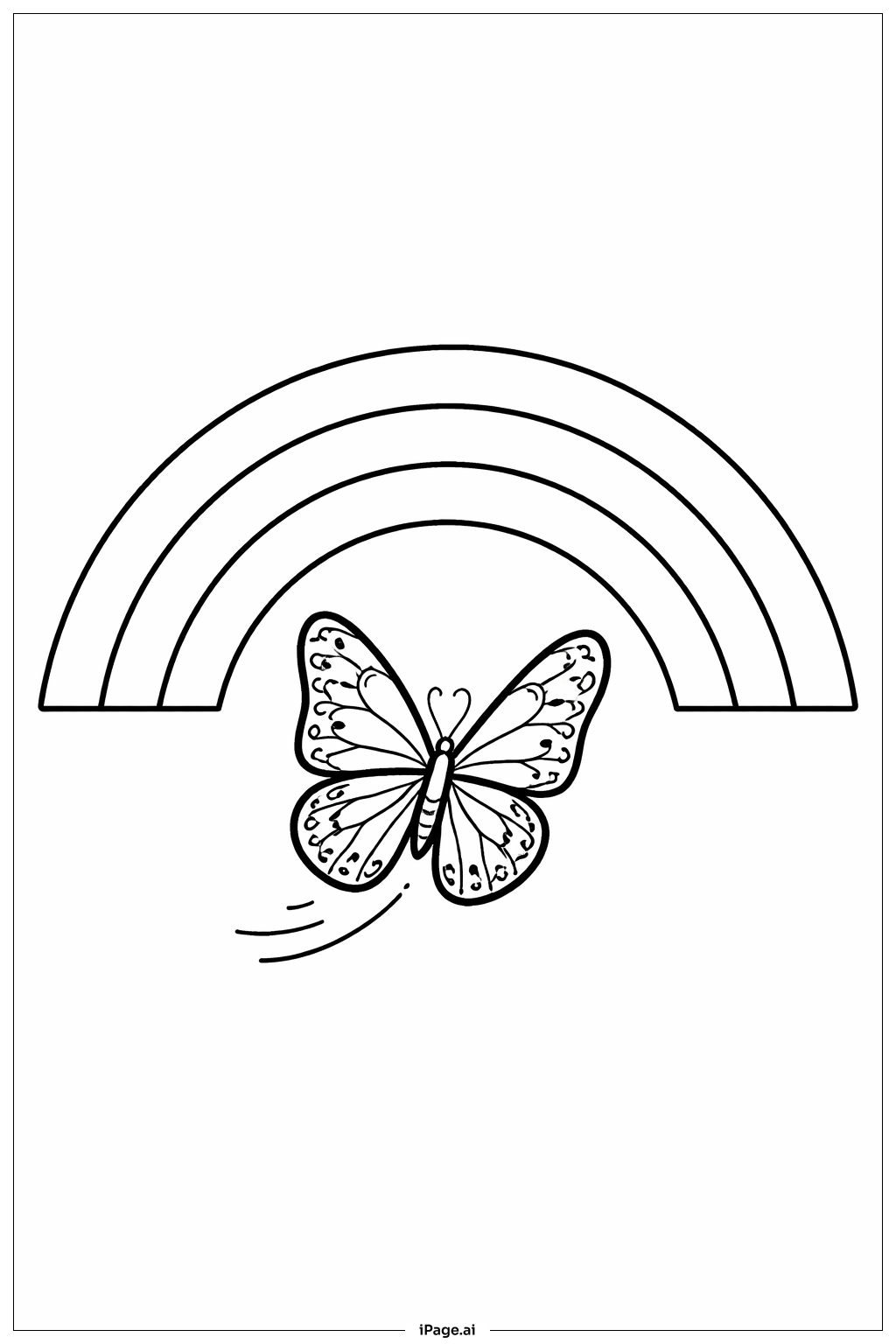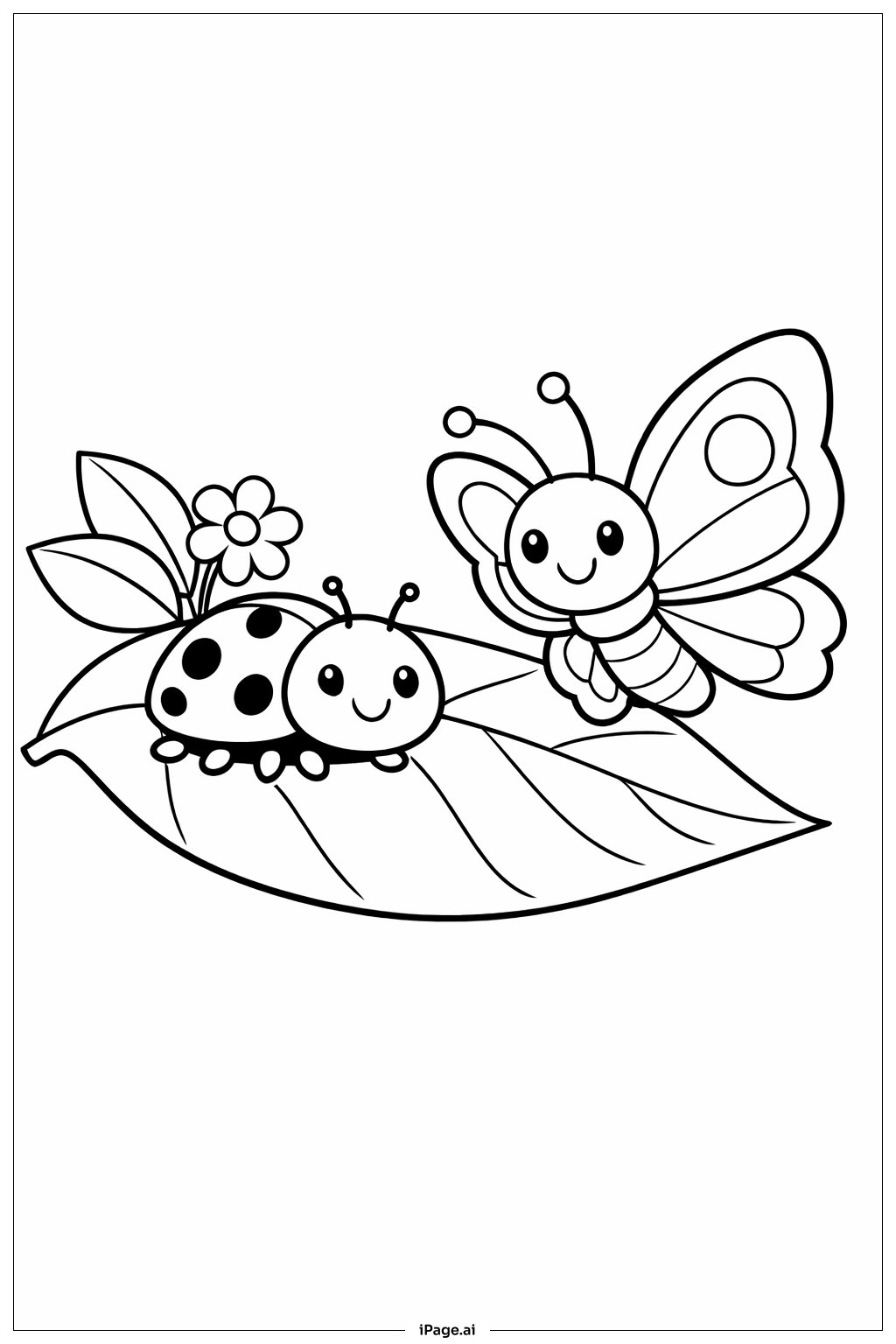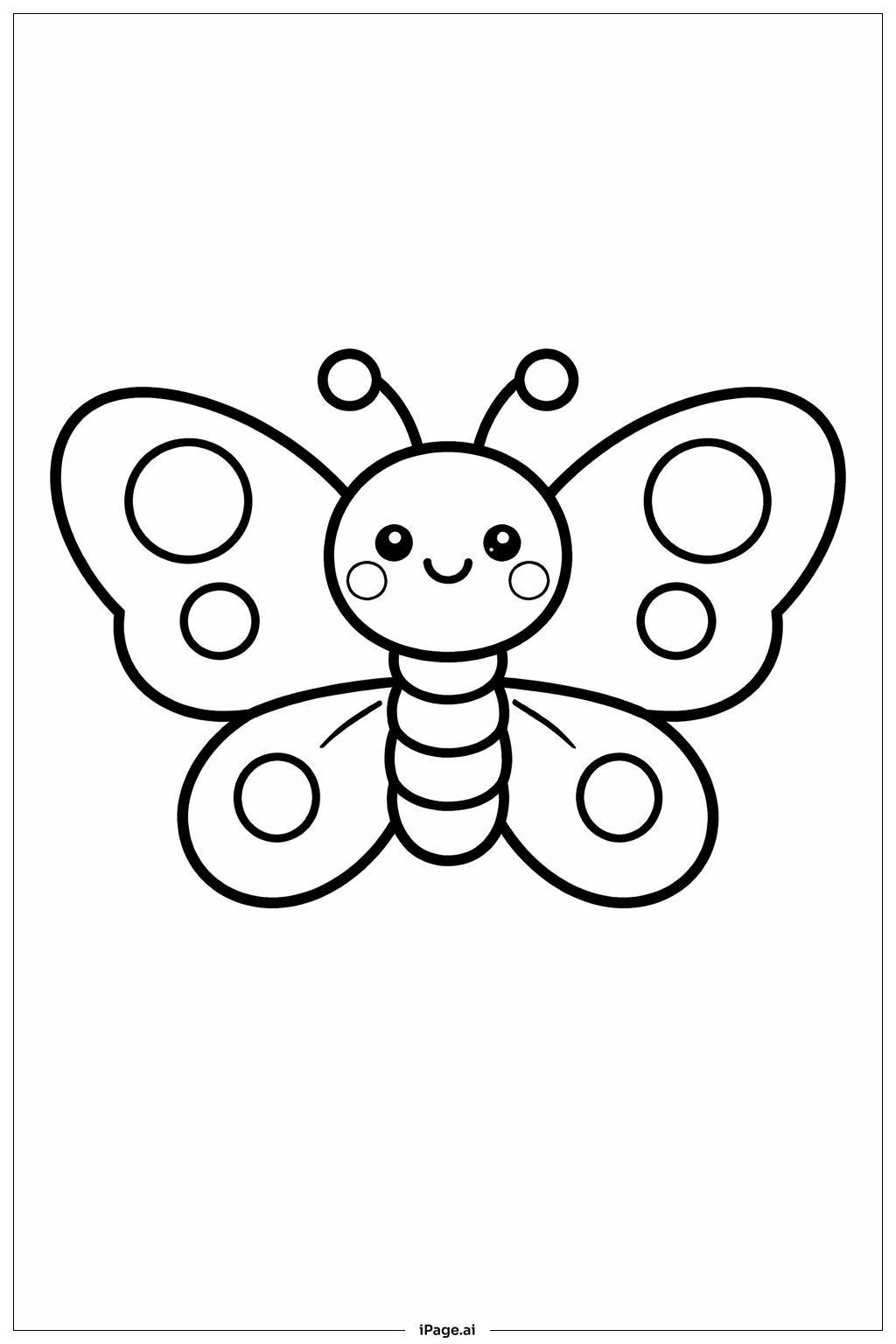
Coloring tips: How to color Happy Butterfly coloring page well?
Start with the butterfly's wings since they are the focal point. Use bright, cheerful colors like yellow, orange, pink, or sky blue to match the happy mood of the image. You can make each wing a different color or use a gradient from one shade to another for a magical look. For the decorative patterns on the wings, try using a darker or contrasting color to make them pop. Color the body of the butterfly in a warm tone like brown or golden yellow. For the flowers and vines in the background, use greens for the leaves and mix soft purples, pinks, and reds for the blooms. Kids can use crayons, colored pencils, or markers. There are no strict rules — have fun and let your imagination lead the way!
Coloring challenges: Which parts are difficult to color and need attention for Happy Butterfly coloring page?
• Wing Pattern Complexity: The butterfly's wings are filled with detailed swirling patterns, decorative circles, and curved lines. Staying inside the small sections without going over the outlines can be tricky, especially for younger children. Take your time and use a sharpened pencil or fine-tipped marker for the tiny areas.
• Color Symmetry: Butterflies naturally have symmetrical wings, meaning both sides usually mirror each other. Trying to keep the colors balanced on both wings can be a fun challenge. It helps to plan your color choices before you start and work on both wings at the same time section by section.
• Blending and Gradients: If you want to give the wings a realistic or magical look, you may want to blend two or more colors together. This is harder to do with markers but more manageable with colored pencils. Practice blending on a separate piece of paper first.
• Background Details: The flowers, vines, and leaves surrounding the butterfly have their own small details that need careful attention. Using too many similar colors for both the butterfly and the background can make the image look flat. Try to choose background colors that contrast with the wings so the butterfly stands out clearly.
• Antennae and Body: The antennae are very thin and delicate lines. Coloring them neatly without smudging or bleeding into nearby areas requires a fine-tipped tool and a steady hand. Light pressure works best here.
Benefits of coloring books: Advantages of drawing Happy Butterfly coloring page
Coloring this Happy Butterfly page offers a wonderful range of benefits for children and adults alike. For kids, it helps develop fine motor skills as they carefully fill in the small patterns on the butterfly's wings. Holding and controlling coloring tools strengthens the hand muscles used for writing and other daily tasks. The act of choosing colors also encourages creative thinking and self-expression. Children learn to make decisions and feel proud of the unique artwork they create. Focusing on staying within the lines builds patience and concentration, which are skills that help in school and everyday life. The cheerful and uplifting theme of a happy butterfly creates a positive emotional experience, reducing stress and boosting mood. For older kids and adults, the intricate wing patterns offer a meditative quality, allowing the mind to relax and unwind. Completing the page gives a sense of accomplishment and satisfaction. Overall, this coloring page is a simple but powerful tool for creative growth, emotional well-being, and focused practice at any age.