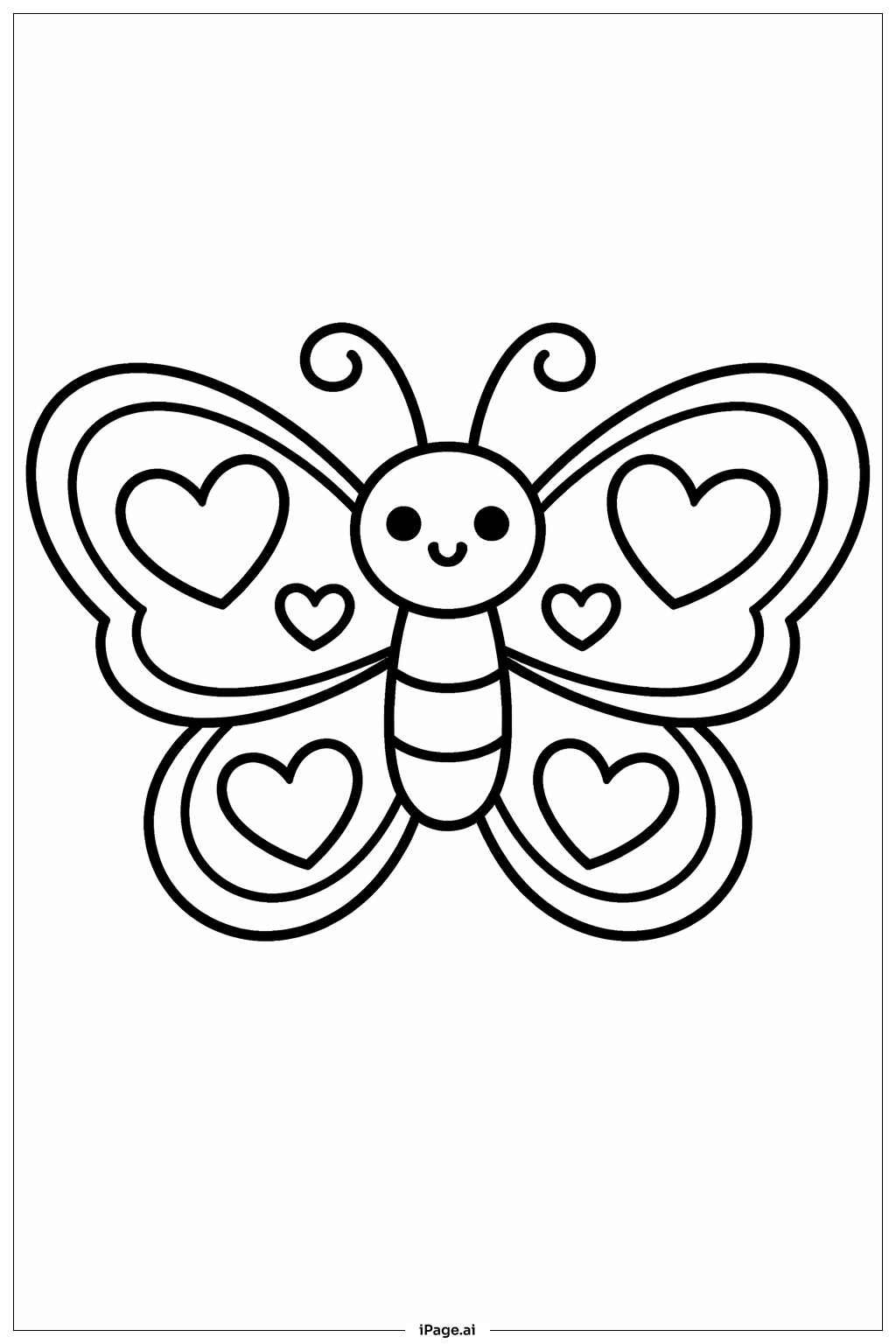
Coloring tips: How to color Butterfly with Heart Patterns coloring page well?
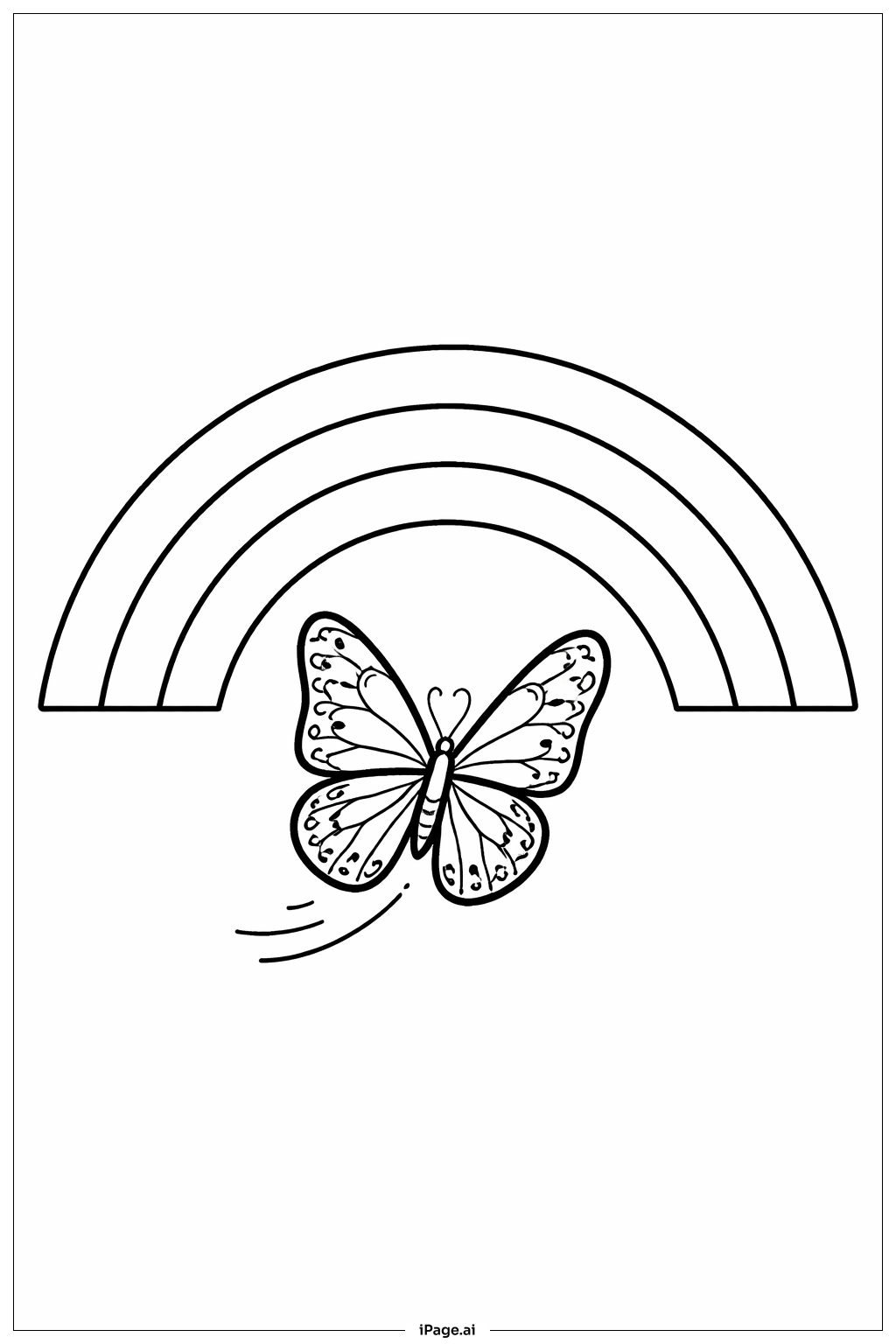
Start with the large hearts on the wings. Pick your favorite bold colors like red, pink, or purple to make them pop. Use a lighter shade of the same color for the smaller hearts nearby to create a sense of harmony. For the background areas of the wings, try soft pastels like lavender, sky blue, or pale yellow. This will help the hearts stand out even more. Color the butterfly's body with a warm tone like golden brown or orange. Use a thin marker or colored pencil for the fine swirls and dots between the hearts. You can keep all the hearts the same color for a clean look, or mix and match different shades to make your butterfly feel unique and fun. There is no wrong choice — let your imagination lead the way!
Coloring challenges: Which parts are difficult to color and need attention for Butterfly with Heart Patterns coloring page?
• Heart Pattern Consistency: The wings are filled with hearts of different sizes arranged close together. Keeping each heart neatly colored without bleeding into the next one requires a steady hand and careful attention. Younger colorists may find it helpful to use fine-tipped tools and work slowly from the center outward.\n\n• Color Coordination Across Both Wings: Butterflies are naturally symmetrical, so the left and right wings ideally should mirror each other in color. Matching the same shades on both sides takes planning and patience. It helps to pick your color palette before you start and keep track of which color goes in which section.\n\n• Tiny Details Between Hearts: The swirls, dots, and decorative lines that fill the spaces between the hearts are very small and intricate. These areas are hard to reach with standard crayons or wide-tipped markers. Using fine colored pencils or thin-tipped gel pens works best for these delicate spots.\n\n• Wing Edge Gradients: The outer edges of the wings often look most beautiful when shaded with a gradual color transition — going from dark at the edge to light toward the center. Blending colors smoothly in these curved areas can be tricky, especially for beginners who are still learning how to layer or blend.\n\n• Body and Antennae Proportions: The butterfly's narrow body and thin antennae are easy to over-color or smudge. Applying too much pressure can cause colors to spread outside these fine lines. Light, controlled strokes work best here to keep the details clean and defined.
Benefits of coloring books: Advantages of drawing Butterfly with Heart Patterns coloring page
Coloring this Butterfly with Heart Patterns page offers a wide range of wonderful benefits for kids and adults alike. The heart-filled wing design encourages creativity and self-expression, letting colorists choose their own palettes and make every butterfly truly one of a kind.\n\nFor younger children, tracing around the hearts and small details helps develop fine motor skills and hand-eye coordination. Staying within the lines builds focus and patience — skills that carry over into reading, writing, and everyday tasks.\n\nThe repetitive nature of coloring each heart, one by one, has a calming effect. It helps reduce stress and anxiety, making it a great quiet-time activity after a busy school day. Many kids find that coloring helps them unwind and feel more at ease.\n\nThe symmetrical design of the butterfly also gently introduces concepts of balance and pattern recognition, supporting early math and visual thinking skills in a fun, low-pressure way.\n\nFor older colorists, the intricate details of this page offer a satisfying challenge. Completing a detailed piece builds a sense of accomplishment and boosts confidence. Sharing or displaying the finished artwork also encourages pride in one's creative work.\n\nOverall, this page is a joyful blend of art, focus, and imagination — and every completed butterfly is a little masterpiece to be proud of.