Coloring tips: How to color Butterfly with Big Eyes coloring page well?
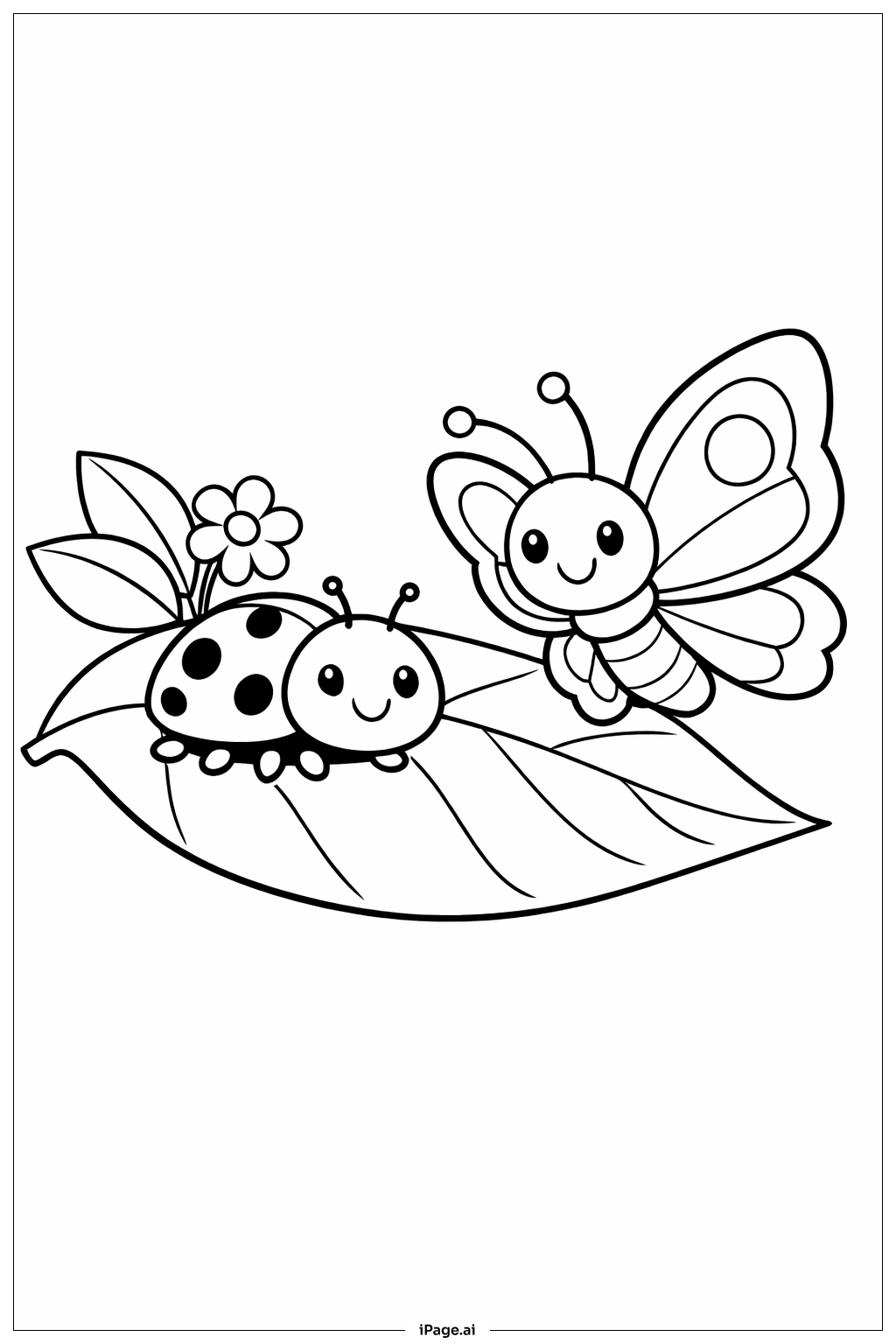
Start with the big eyes to set the mood of the butterfly. Use bright colors like sky blue, violet, or emerald green for the irises to make them pop. Add a tiny white dot for a sparkle effect.
For the wings, try a gradient approach. Use warm tones like orange, yellow, and red on the upper wings, and cool tones like blue and purple on the lower wings. This contrast makes the butterfly look vibrant and alive.
Fill the swirls and dot patterns with colors that are one or two shades darker than the base wing color. This adds depth without making the design look too busy.
Use a light pink or peach for the body to keep it soft and natural. Color the antennae in a matching or complementary color to tie the whole image together.
Feel free to use your imagination. There are no wrong color choices here. Neon colors, pastels, or even rainbow patterns all work beautifully on this design.
Coloring challenges: Which parts are difficult to color and need attention for Butterfly with Big Eyes coloring page?
• Coloring the Big Eyes: The oversized eyes are a focal point and require careful attention. Each eye has multiple layers, including an outer ring, an iris, a pupil, and highlight spots. Keeping each layer cleanly separated with distinct colors can be tricky, especially for younger colorists. Using fine-tipped markers or colored pencils will help stay within the small boundary lines without smudging into neighboring sections.
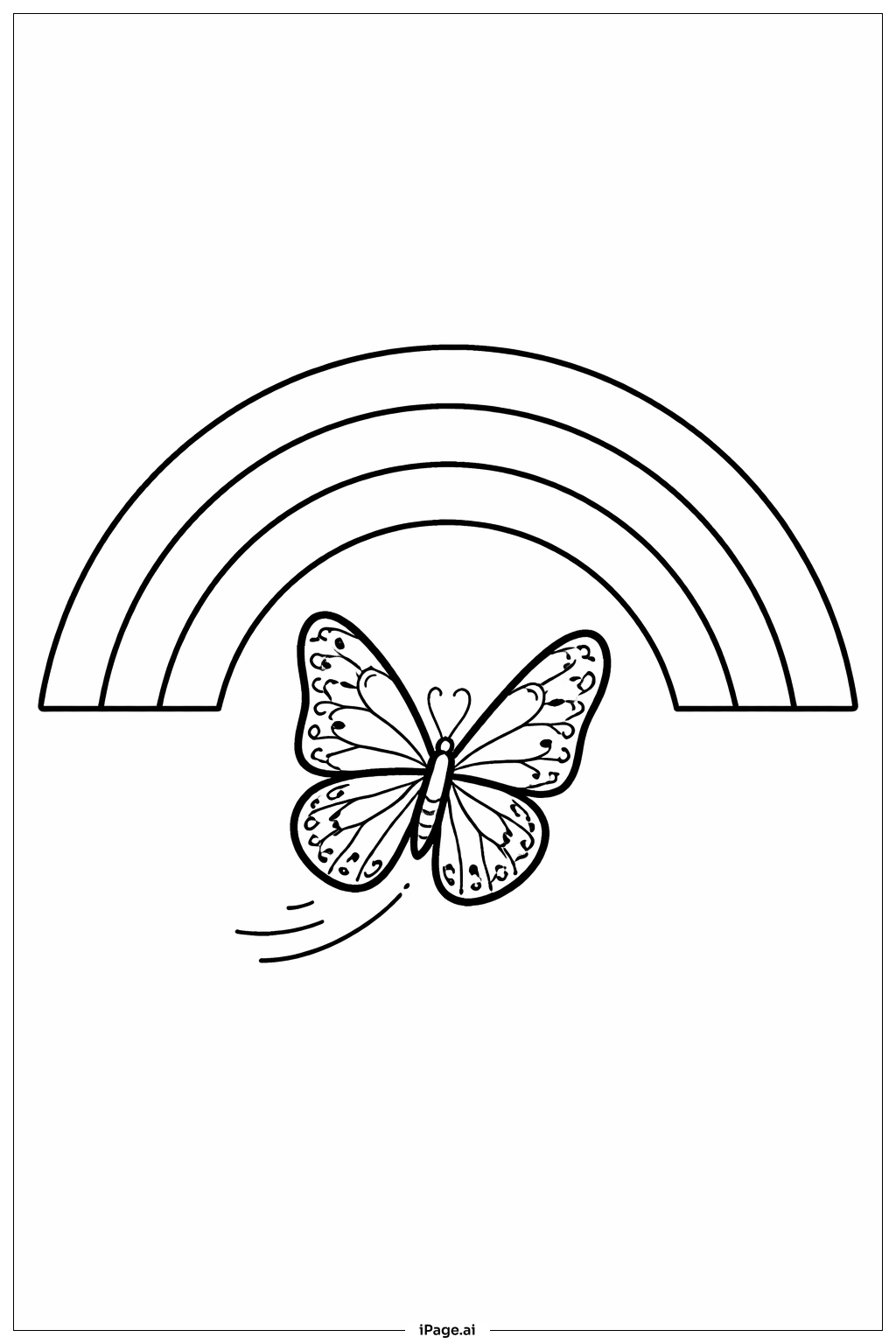
• Wing Symmetry: The butterfly's wings are mirror images of each other. Matching colors precisely on both the left and right sides requires patience and planning. It helps to decide on a color scheme before starting and to work on both wings at the same time, alternating between matching sections to keep them consistent.
• Intricate Patterns Inside the Wings: The wings are filled with swirls, dots, and layered curved shapes. These small, detailed areas are difficult to color neatly because the spaces between lines are narrow. Rushing through these sections can result in colors bleeding into each other. Taking time with each small section and using sharp pencil tips or fine markers makes a big difference.
• Transitions Between Pattern Sections: The wings contain multiple distinct zones with different patterns. Blending or transitioning colors smoothly from one section to the next, without creating a harsh or uneven border, is a real challenge. Lightly layering colors and gradually building up intensity helps create a more polished look.
• Body and Antennae Details: The body is narrow and segmented, and the antennae are thin and curved. Applying color evenly to these slim areas without going outside the lines demands a steady hand and a well-sharpened tool.
Benefits of coloring books: Advantages of drawing Butterfly with Big Eyes coloring page
Coloring this butterfly page offers a wide range of benefits for kids and beginners alike.
First, it builds fine motor skills. Staying inside the detailed wing patterns and small eye sections trains hand control and precision, which supports writing and drawing development.
Second, it encourages creativity. With so many sections to fill, colorists are free to experiment with different color combinations, gradients, and personal styles. There is no single right answer, which builds confidence and creative thinking.
Third, it teaches color theory in a fun, hands-on way. Trying warm and cool color contrasts, or exploring light and dark shading within the wing sections, gives young artists a natural introduction to how colors work together.
Fourth, it supports focus and patience. The intricate details require slowing down and concentrating, which helps children practice mindfulness and sustained attention, skills that are valuable in school and everyday life.
Finally, finishing this coloring page gives a real sense of accomplishment. Seeing a beautifully colored butterfly come to life from a simple outline is rewarding and motivating, encouraging kids to keep creating and exploring art.