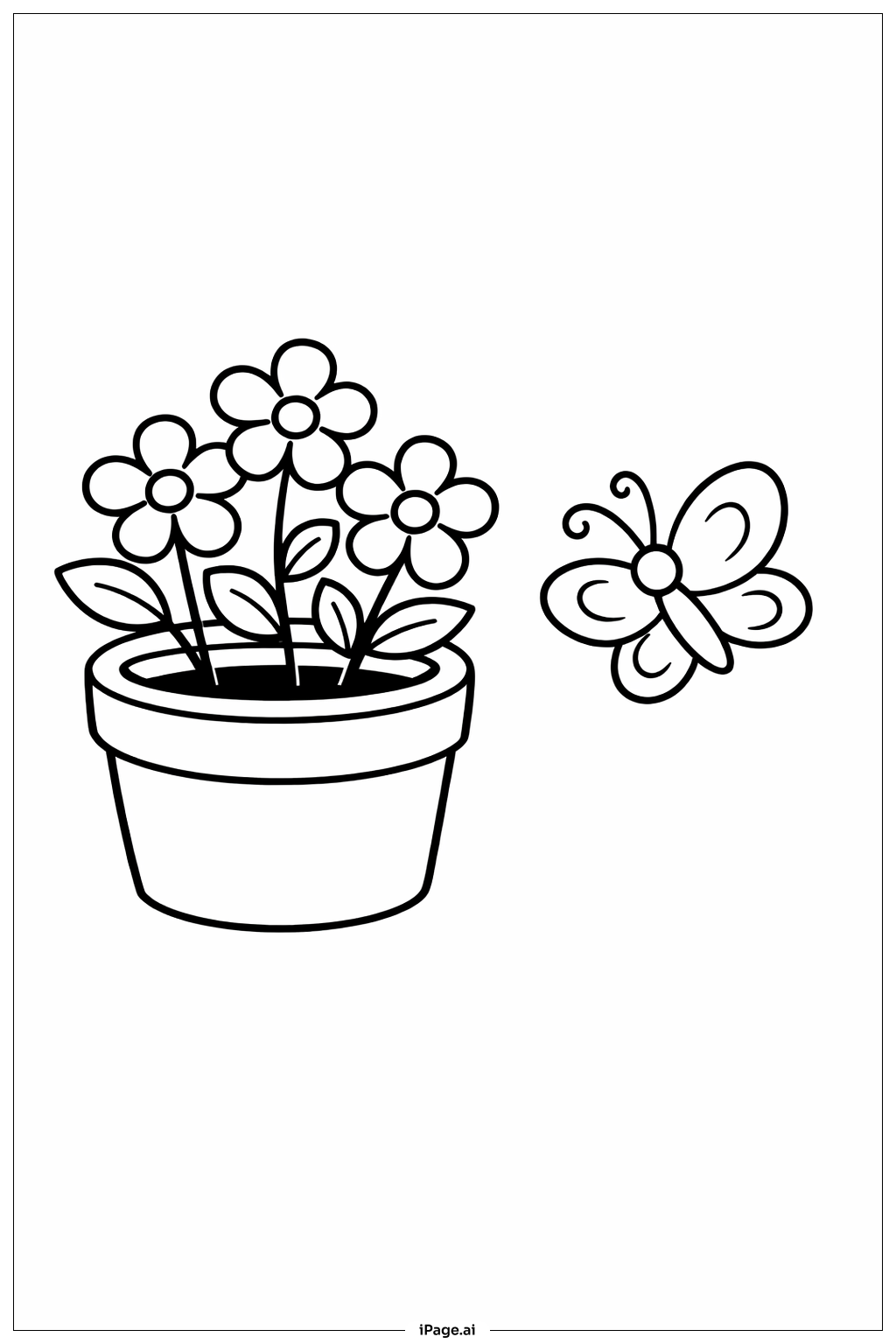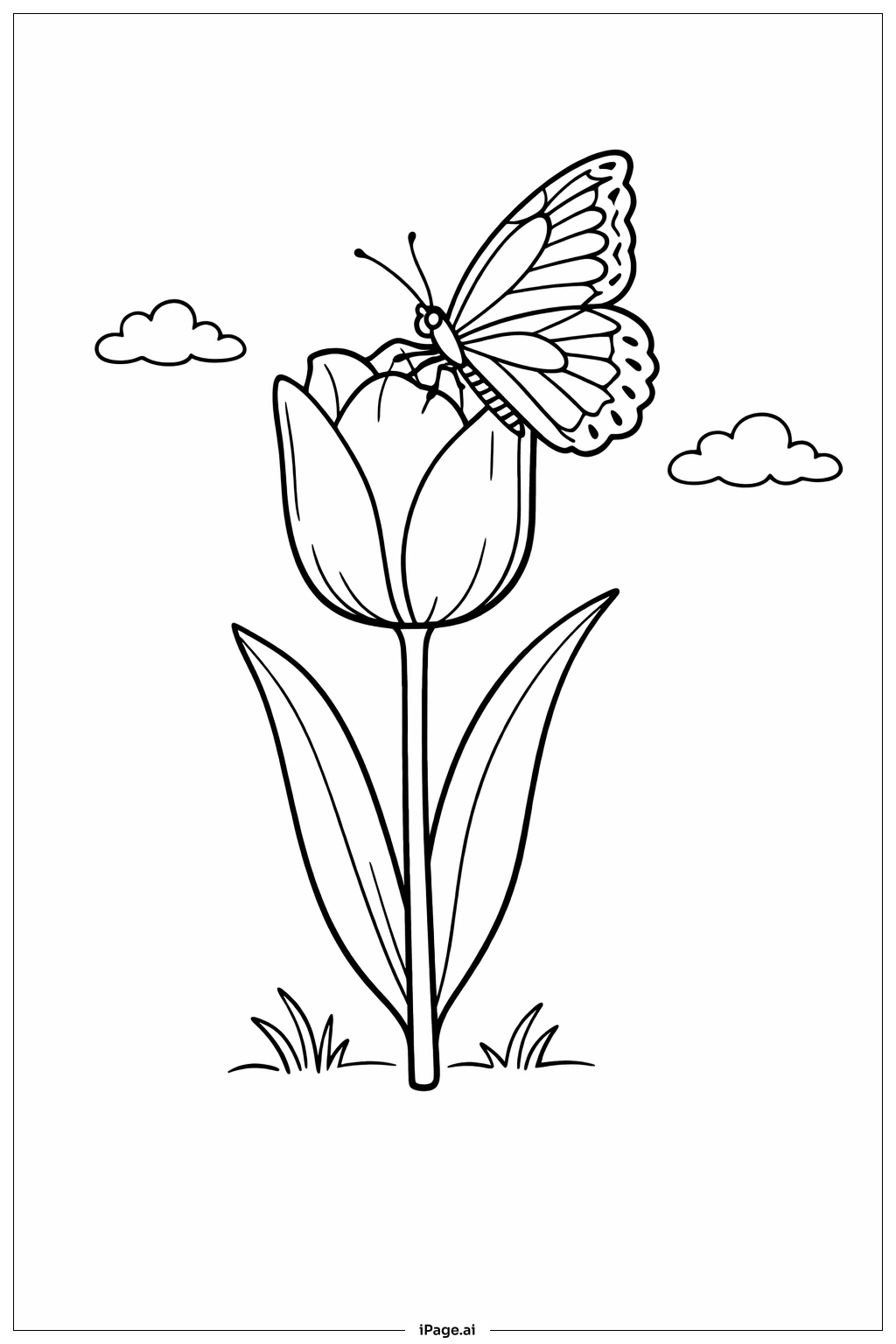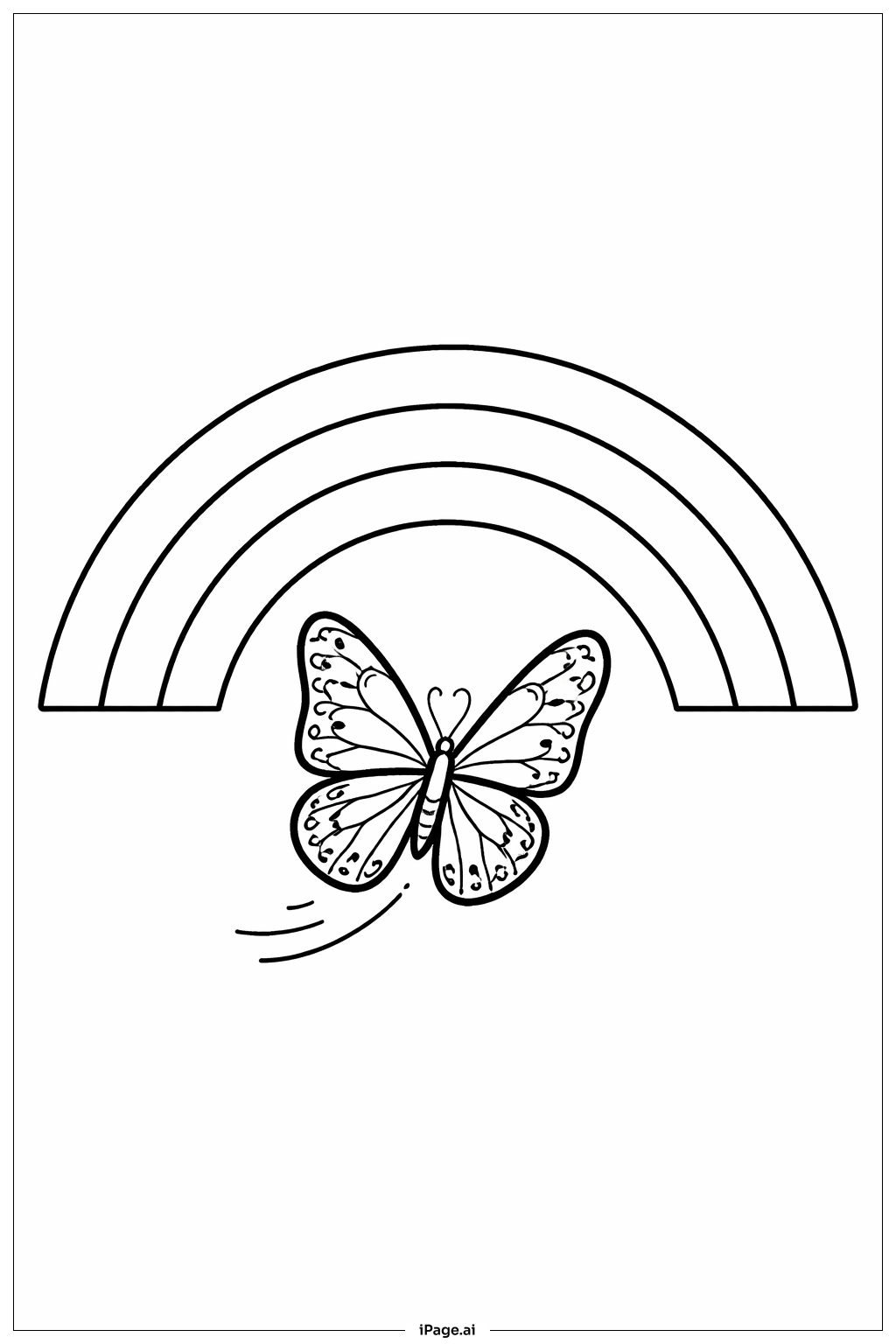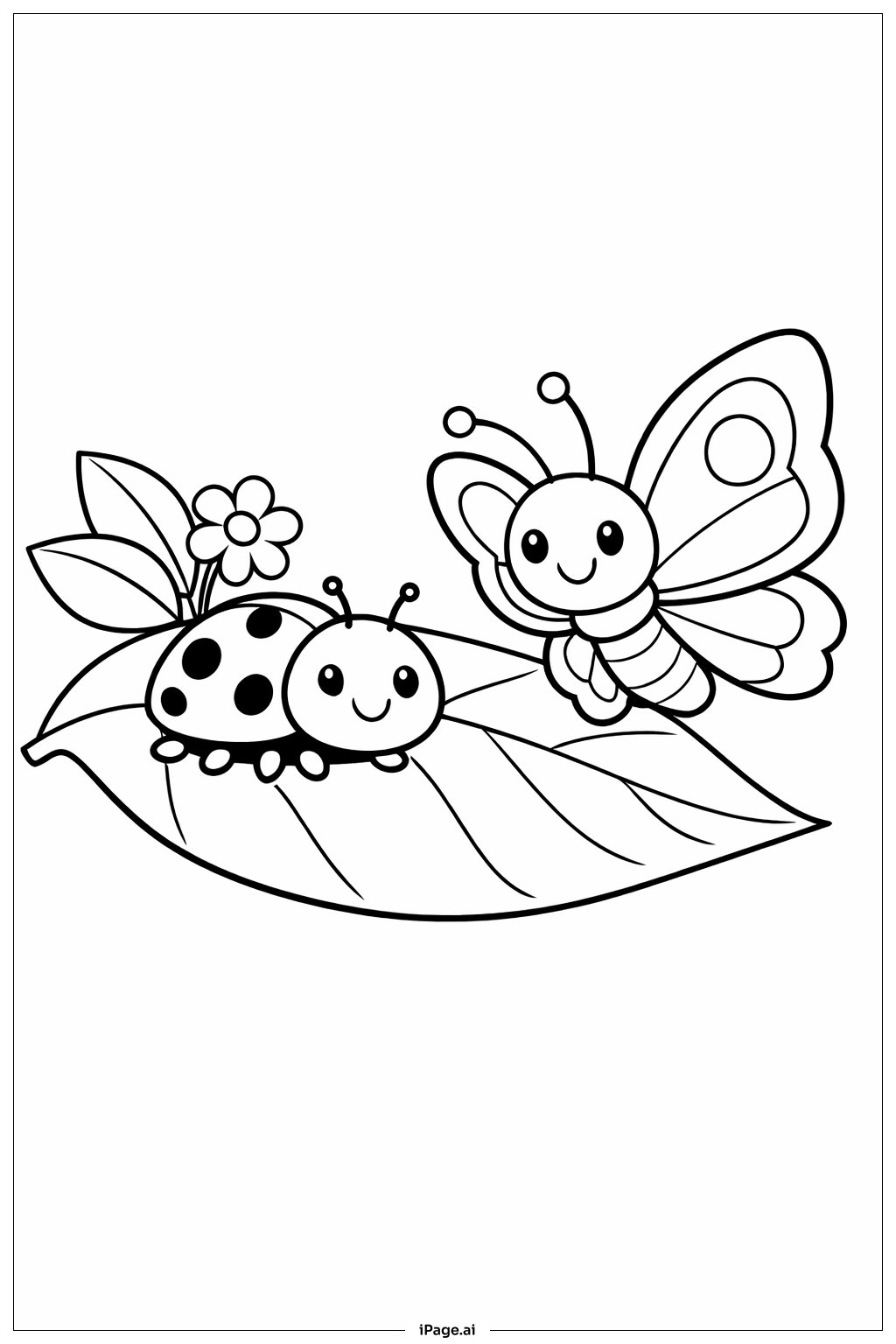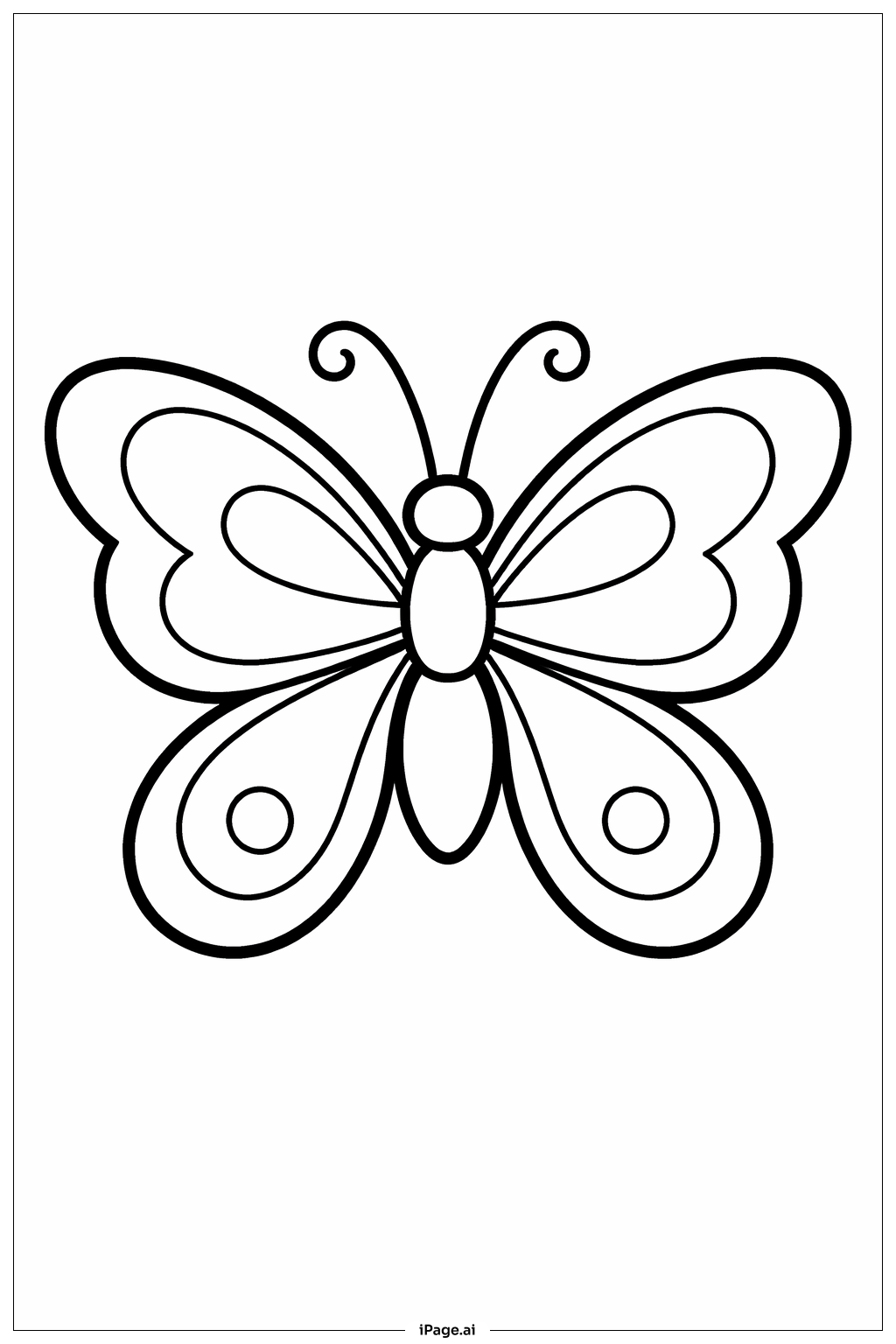
Coloring tips: How to color Butterfly with Antennae coloring page well?
Start with the wings since they are the largest area. Use bright, cheerful colors like orange, yellow, pink, or purple to make the butterfly look vibrant and alive. Try making the two sides mirror each other so the colors match on both wings — this is how real butterflies look! Use a darker shade along the wing edges and a lighter shade toward the center to add depth. For the decorative spots and patterns inside the wings, try contrasting colors like white or black to make them pop. Color the antennae brown or black, and add a small dot of bright color at the tips. The body can be colored dark brown or black to keep it looking natural. If you want a fun twist, try a rainbow effect by using multiple colors blended across the wings. There are no rules — feel free to get creative and make your butterfly totally unique!
Coloring challenges: Which parts are difficult to color and need attention for Butterfly with Antennae coloring page?
• Symmetrical Wing Patterns: The butterfly's wings have matching patterns on both sides. Keeping the colors the same on the left and right wings can be tricky. Take your time and work on one side first, then copy the same colors onto the other side to keep things balanced and neat.
• Intricate Inner Details: The wings are filled with small shapes, curved lines, and decorative sections. These tiny areas require a fine-tipped marker or a sharpened colored pencil to fill in cleanly without going outside the lines. A steady hand and patience are key here.
• Antenna Precision: The antennae are long and very thin, with small rounded tips. Coloring such narrow lines without smudging or overrunning the surrounding white space can be challenging, especially for younger colorists. Using a thin marker or a well-sharpened pencil works best for this part.
• Wing Edge Detailing: Along the outer edges of the wings, there are scalloped or decorative borders with small repeated shapes. These sections require careful attention to stay within each individual shape. Working slowly and using short, controlled strokes will give the best results.
• Color Blending and Gradients: To make the butterfly look realistic or extra beautiful, you may want to blend two colors together across the wing surface. Achieving a smooth gradient without harsh lines takes practice, especially with colored pencils. Layering colors lightly and building up slowly helps create a soft, blended effect.
Benefits of coloring books: Advantages of drawing Butterfly with Antennae coloring page
Coloring this butterfly page offers a wonderful range of benefits for kids and adults alike. Working on the detailed wing patterns helps build fine motor skills and improves hand-eye coordination, especially when staying within small, intricate spaces. Choosing colors and deciding how to decorate the wings encourages creative thinking and self-expression — there is no wrong way to color a butterfly! The repetitive, focused nature of coloring also promotes mindfulness and helps reduce stress. It gives kids a chance to slow down, concentrate, and feel a sense of calm. Completing the page from start to finish builds confidence and a satisfying sense of achievement. For younger children, learning to match colors symmetrically across both wings introduces early concepts of pattern and balance. For older kids and adults, the challenge of blending colors and adding depth makes it a genuinely rewarding artistic exercise. Overall, this butterfly coloring page is a fun and engaging way to develop patience, creativity, and focus at any age.