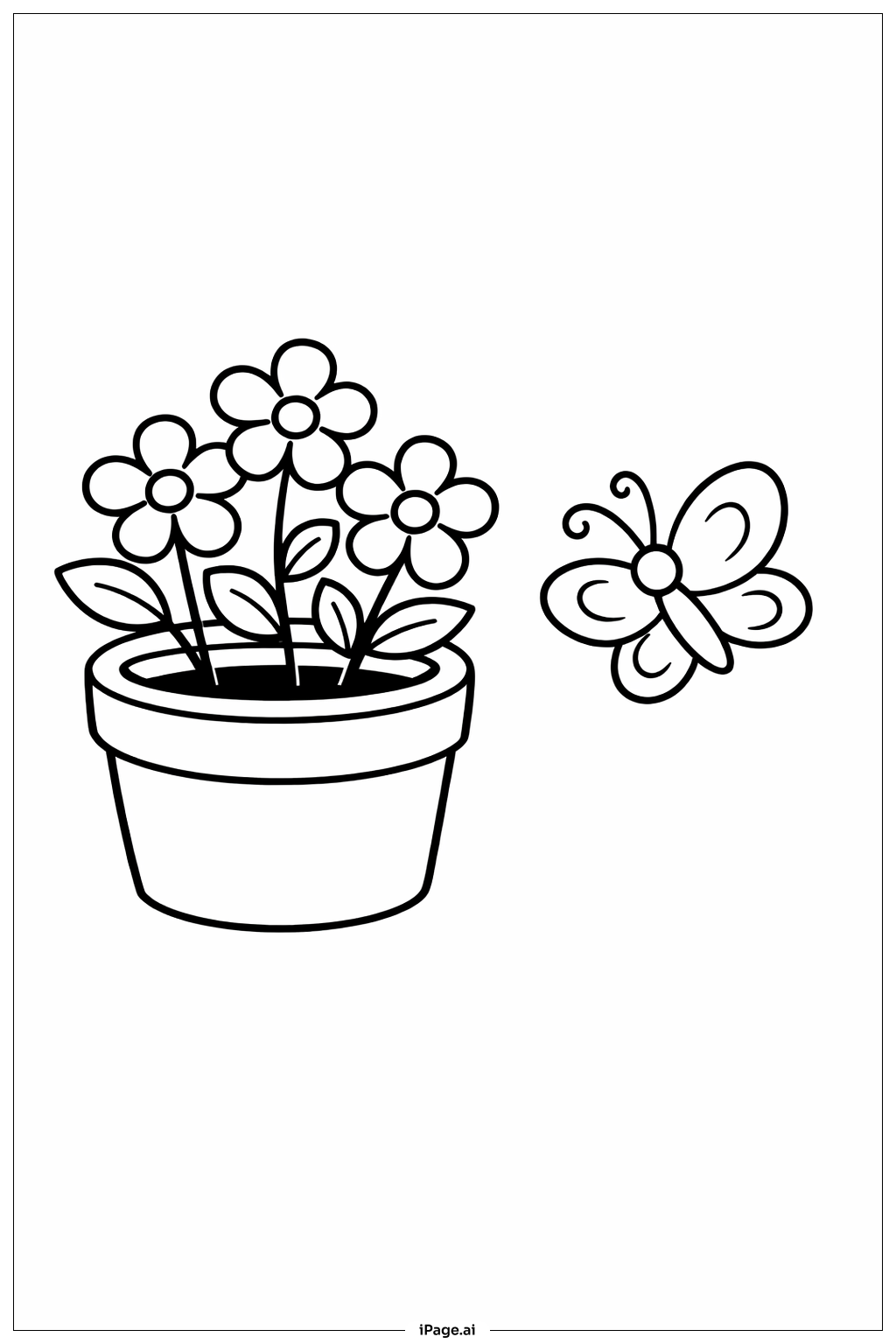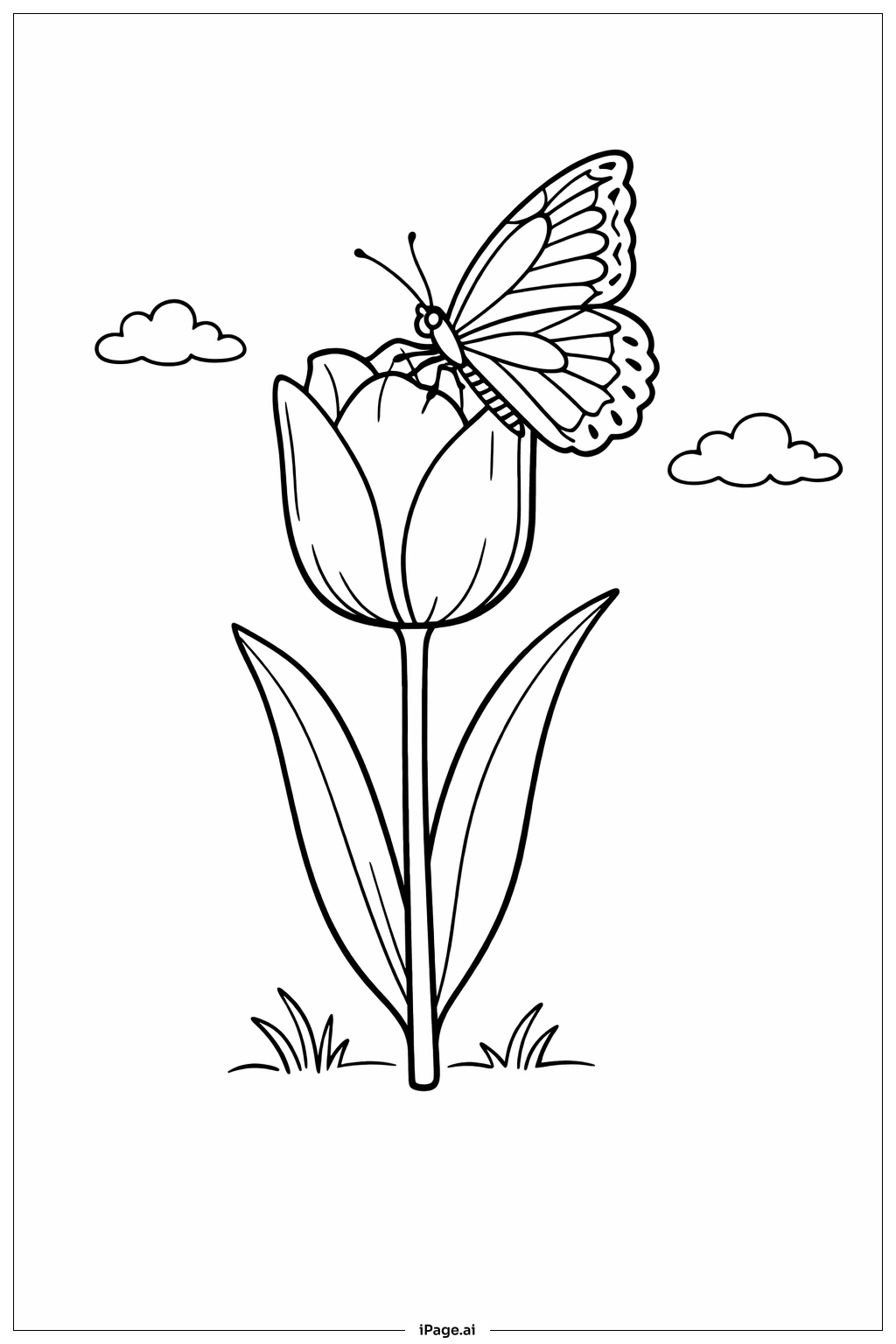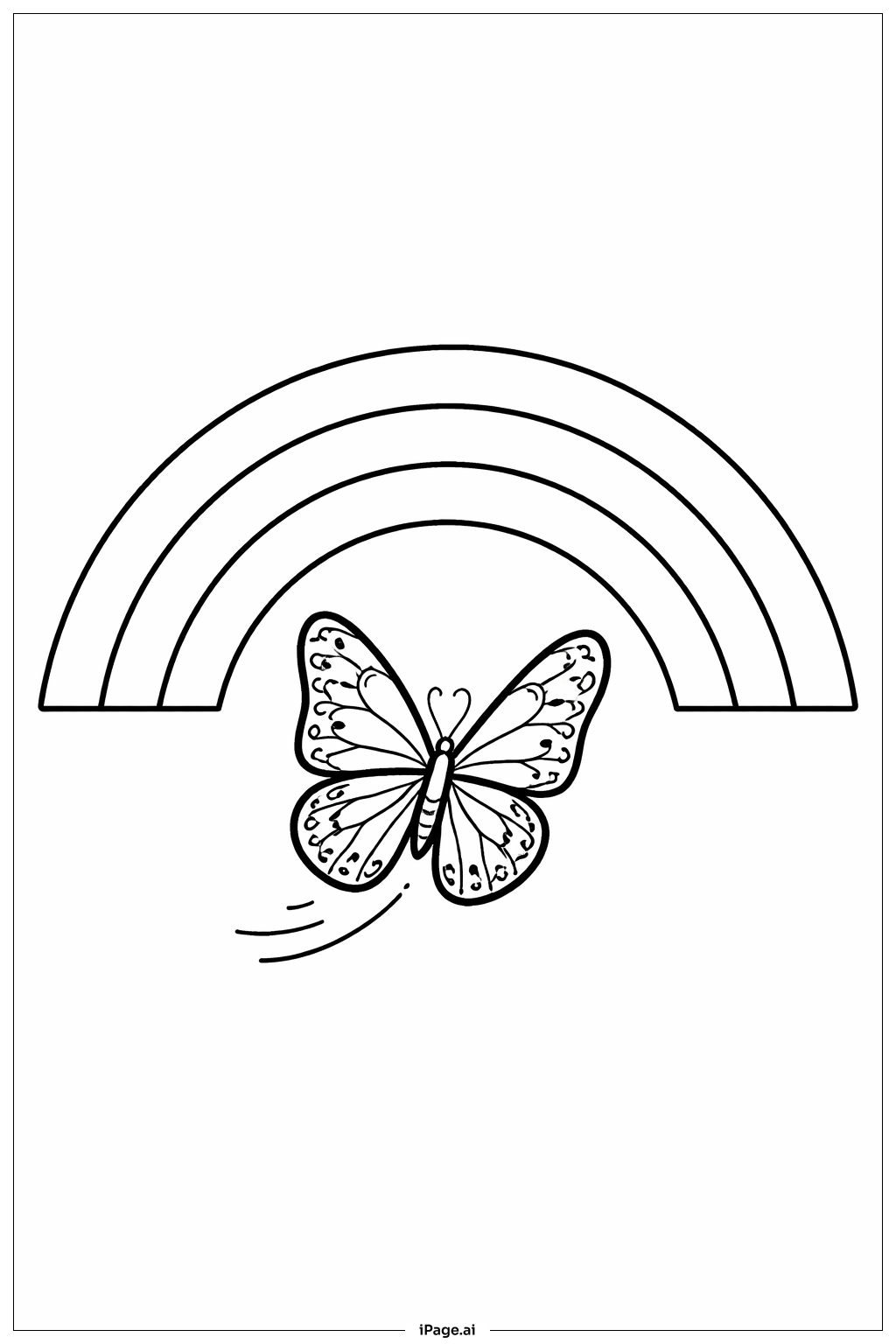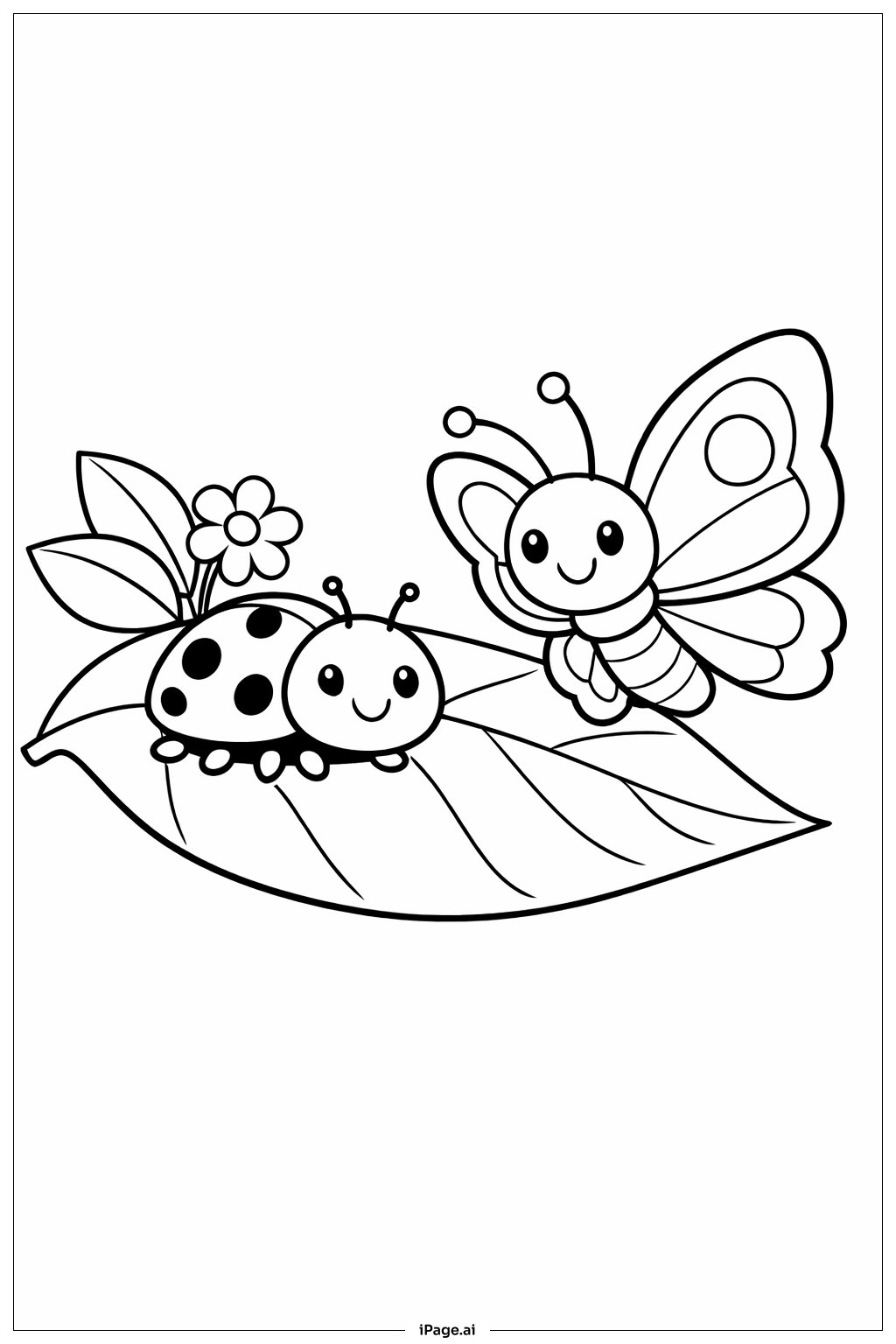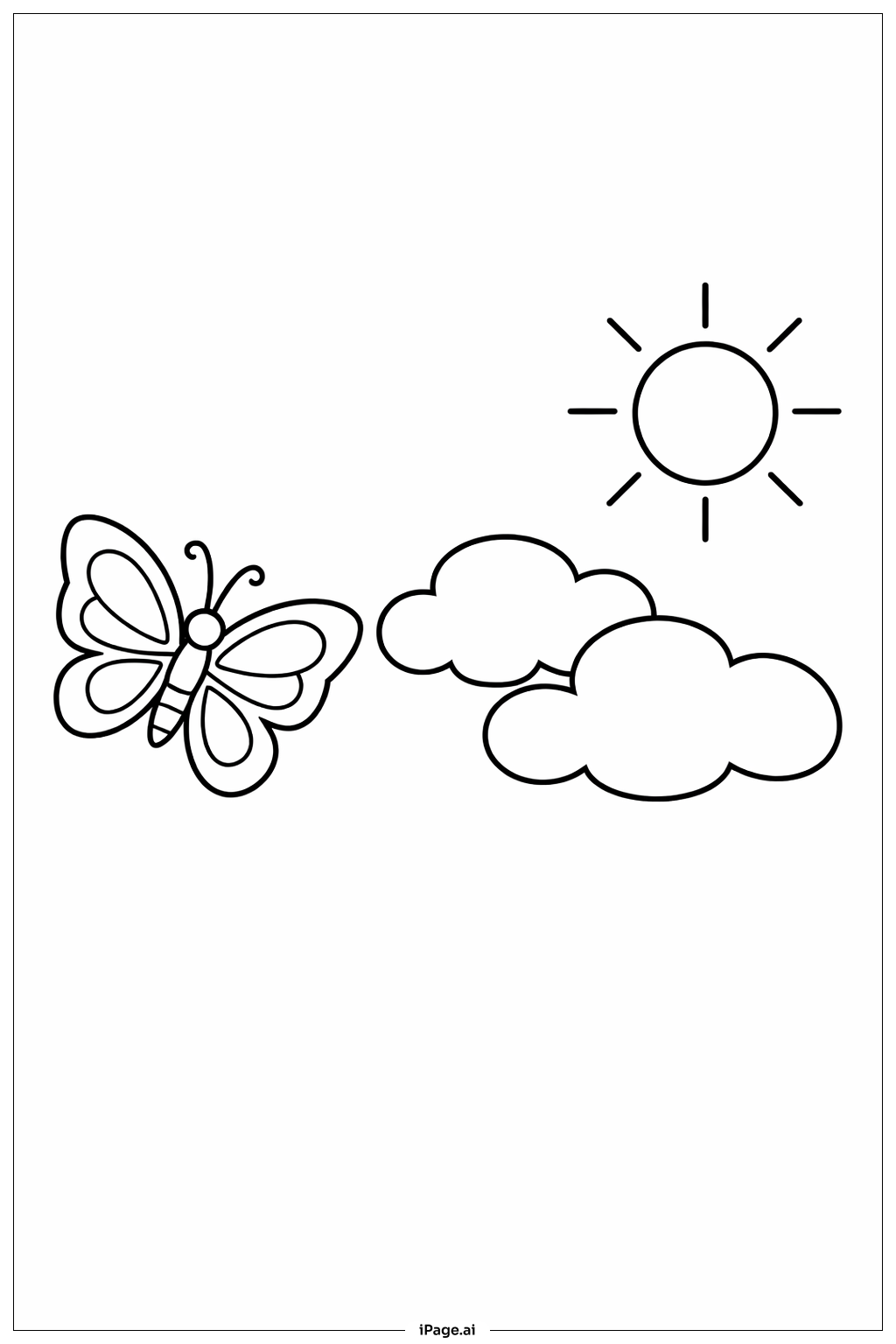
Coloring tips: How to color Butterfly and Cloud coloring page well?
Start with the wings of the butterfly. Use bright, cheerful colors like orange, yellow, pink, or purple. You can make each wing a different color or use a gradient effect going from light to dark. Add spots or patterns in contrasting colors to make the wings pop. For the body and antennae, try a dark brown or black to keep them clearly defined. The cloud looks best in soft shades of white, pale blue, or light lavender. You can add a hint of gray to the shadowed edges of the cloud to give it depth and a puffy, three-dimensional look. Try using colored pencils or watercolor crayons for a soft, blended finish that makes the whole scene feel light and airy. There are no strict rules here — let your imagination guide your color choices and make this butterfly and cloud truly your own.
Coloring challenges: Which parts are difficult to color and need attention for Butterfly and Cloud coloring page?
• Wing Pattern Precision: The butterfly's wings are filled with detailed patterns, including thin veins, curved lines, and decorative swirls. Staying within these small sections while keeping colors smooth and even can be tricky, especially for younger children. Using fine-tipped colored pencils works best here.
• Color Blending on Wings: Creating a natural, gradient look across the wings requires careful blending. Transitioning smoothly from one color to another without harsh lines takes patience and practice. Layering colors lightly and building up slowly helps achieve a polished result.
• Cloud Shading: The cloud may look simple, but adding realistic depth through shading is a real challenge. The rounded, overlapping curves need subtle differences in tone to look three-dimensional rather than flat. Using a lighter base color with slightly darker edges helps bring the cloud to life.
• Small Body and Antennae Details: The butterfly's body is narrow, and the antennae are very thin lines. Coloring these areas neatly without accidentally going over the edges requires a steady hand and a sharp, fine-tipped tool. These small elements are easy to overlook but make a big difference in the finished look.
• Balancing the Overall Color Palette: With both a bold, patterned butterfly and a soft, gentle cloud on the same page, finding a color balance that makes both elements look harmonious without one overpowering the other can be challenging. Choosing colors that complement each other across the whole composition is key to a beautiful final result.
Benefits of coloring books: Advantages of drawing Butterfly and Cloud coloring page
Coloring this butterfly and cloud page offers a wide range of wonderful benefits for children and beginners alike. Working on the butterfly's detailed wing patterns helps develop fine motor skills and improves hand-eye coordination. Carefully guiding a pencil or crayon through small, intricate sections trains focus and builds steady, controlled movement that is useful in everyday tasks like writing.
The creative freedom of choosing colors for the wings encourages artistic thinking and self-expression. Kids can experiment with bold, vibrant combinations or soft, dreamy palettes, learning how colors interact and complement each other in a fun and low-pressure way.
The calming, repetitive nature of filling in the cloud's gentle curves provides a peaceful, meditative experience. It helps reduce stress and anxiety, making this a great quiet-time activity after a busy day at school.
This image also sparks imagination and curiosity about the natural world. Children may become curious about butterflies, their life cycles, and why clouds form, turning a simple coloring activity into a springboard for learning.
Finally, completing the page gives children a real sense of accomplishment and pride in their work. Displaying the finished artwork builds confidence and encourages a positive attitude toward creative activities. It is a simple, joyful, and enriching experience for any young artist.