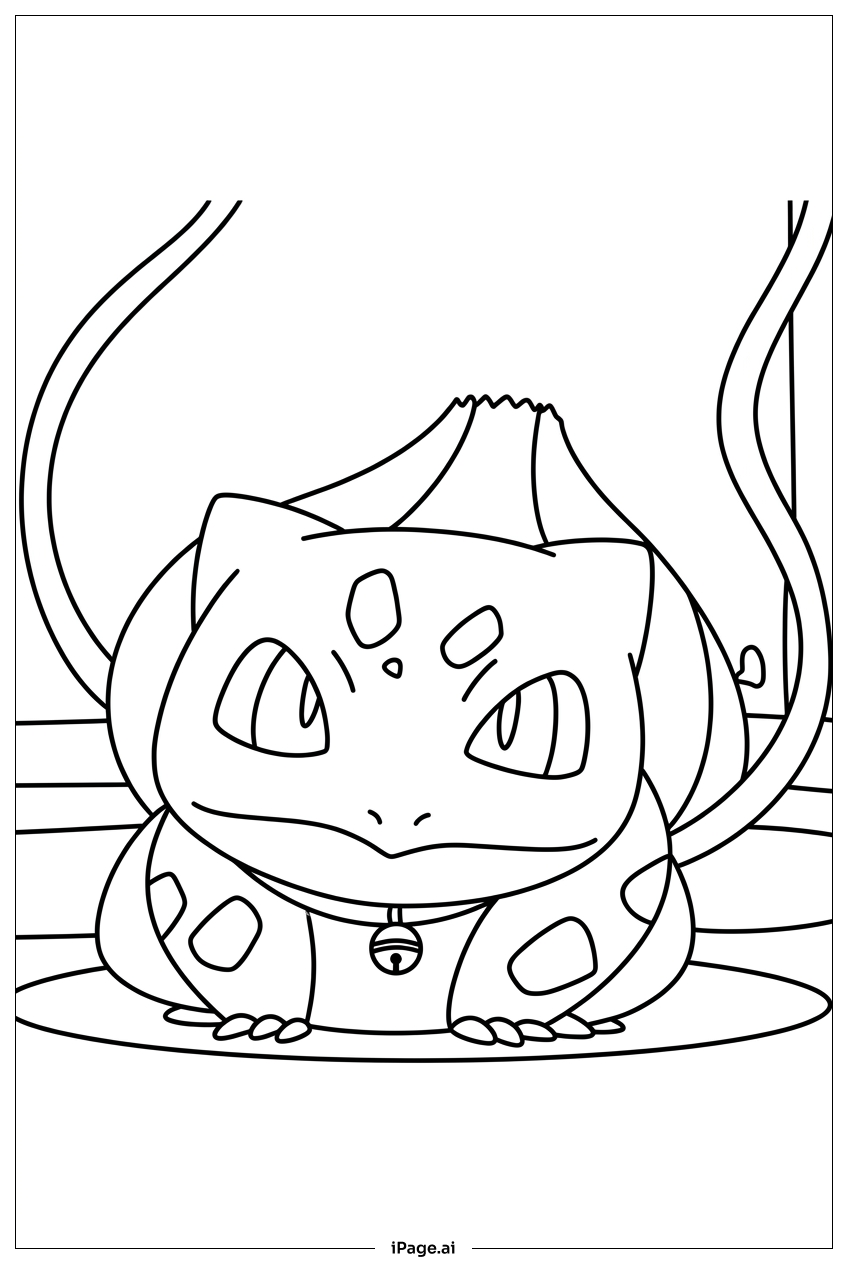
Coloring tips: How to color Bulbasaur Waiting Patiently with Bell Collar coloring page well?
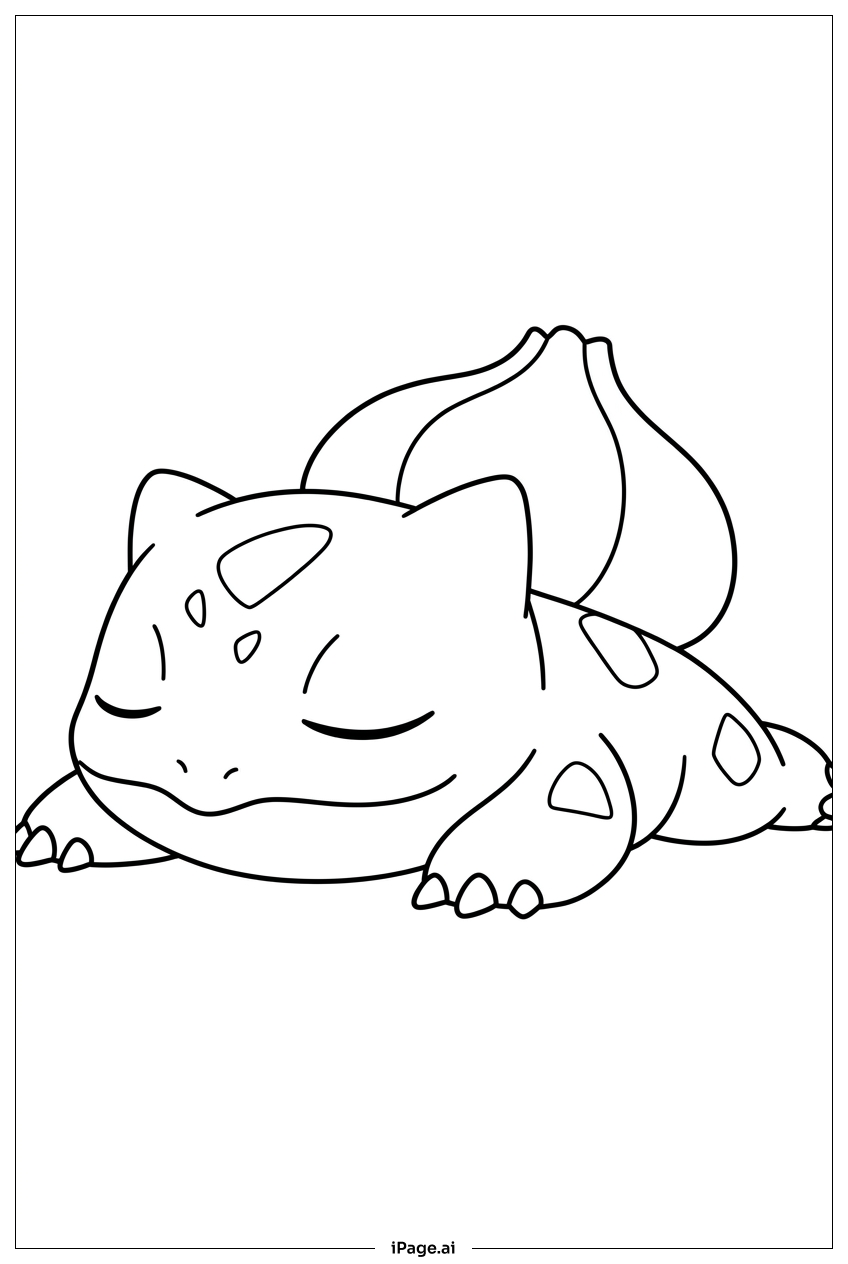
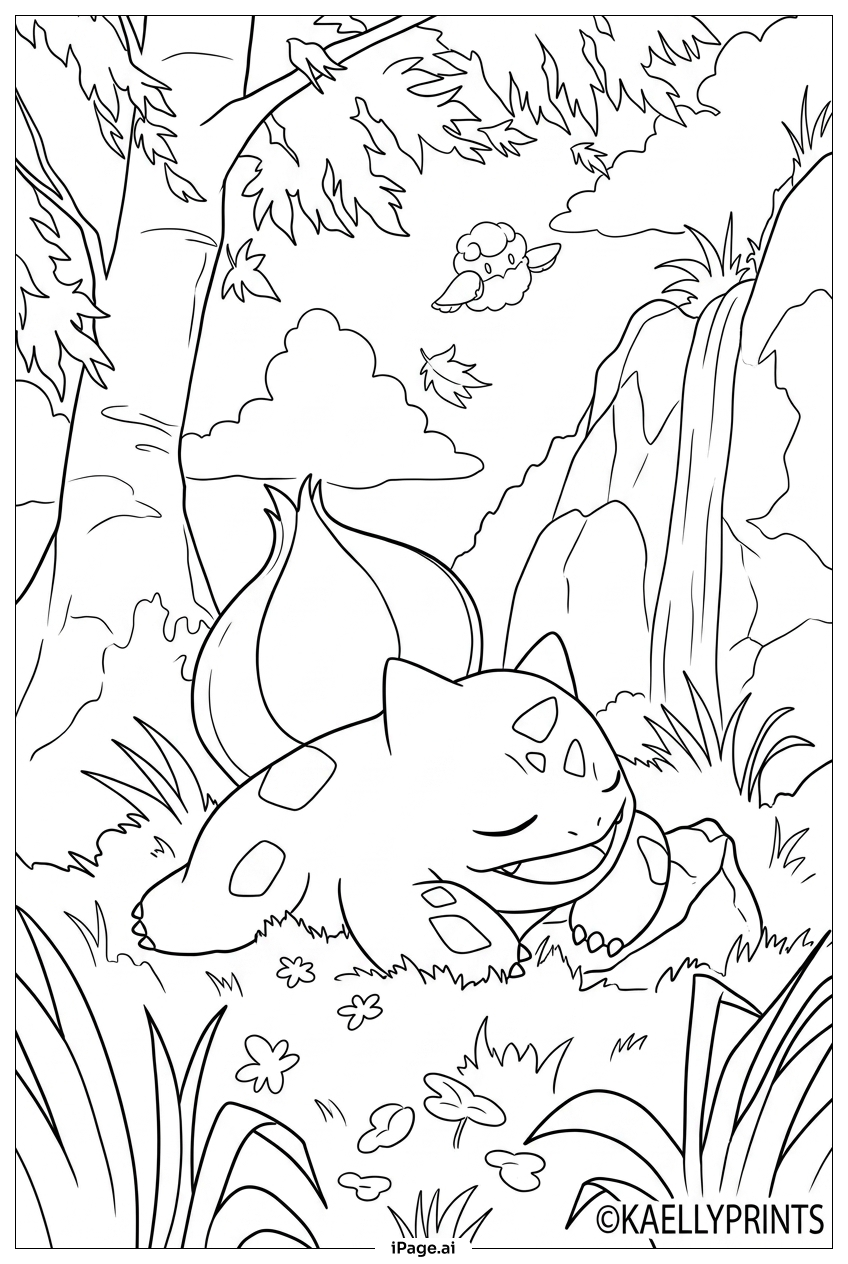
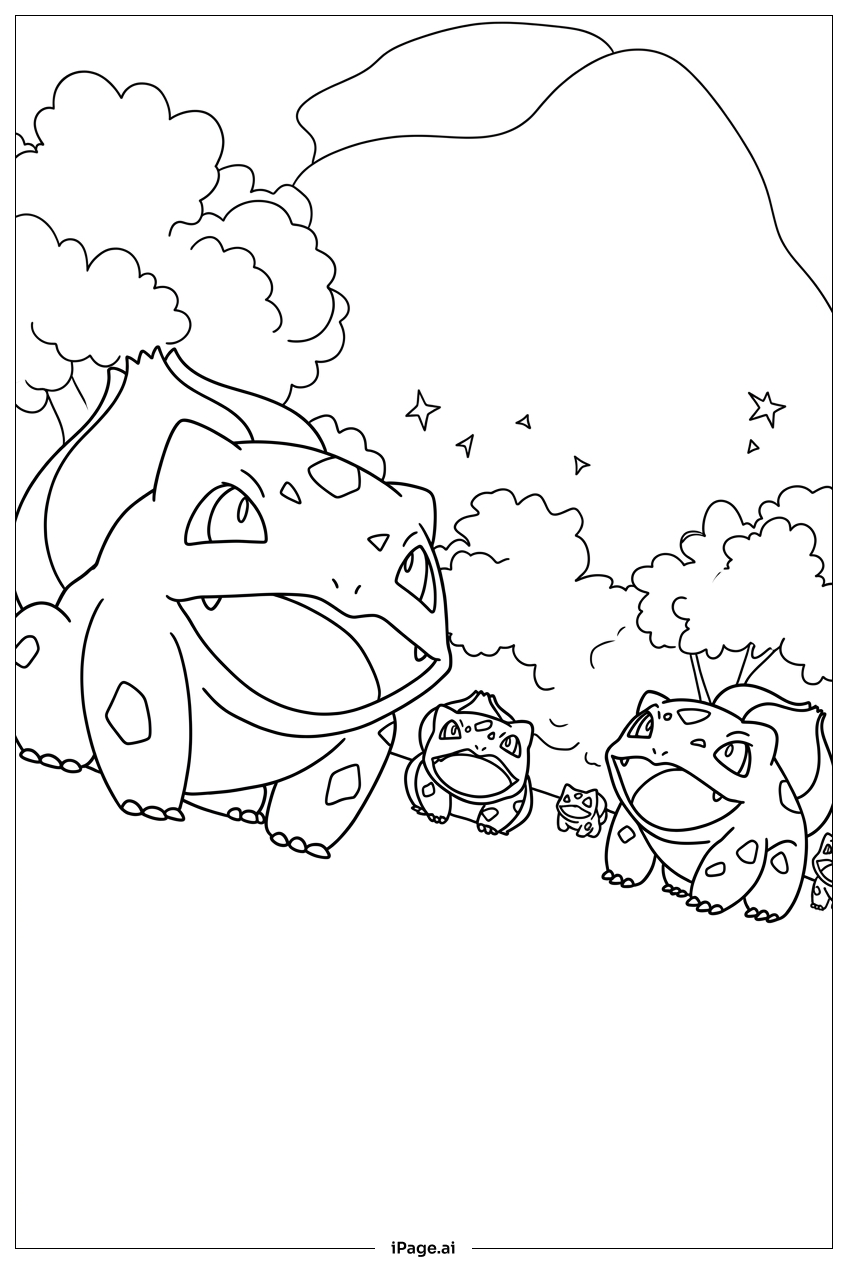
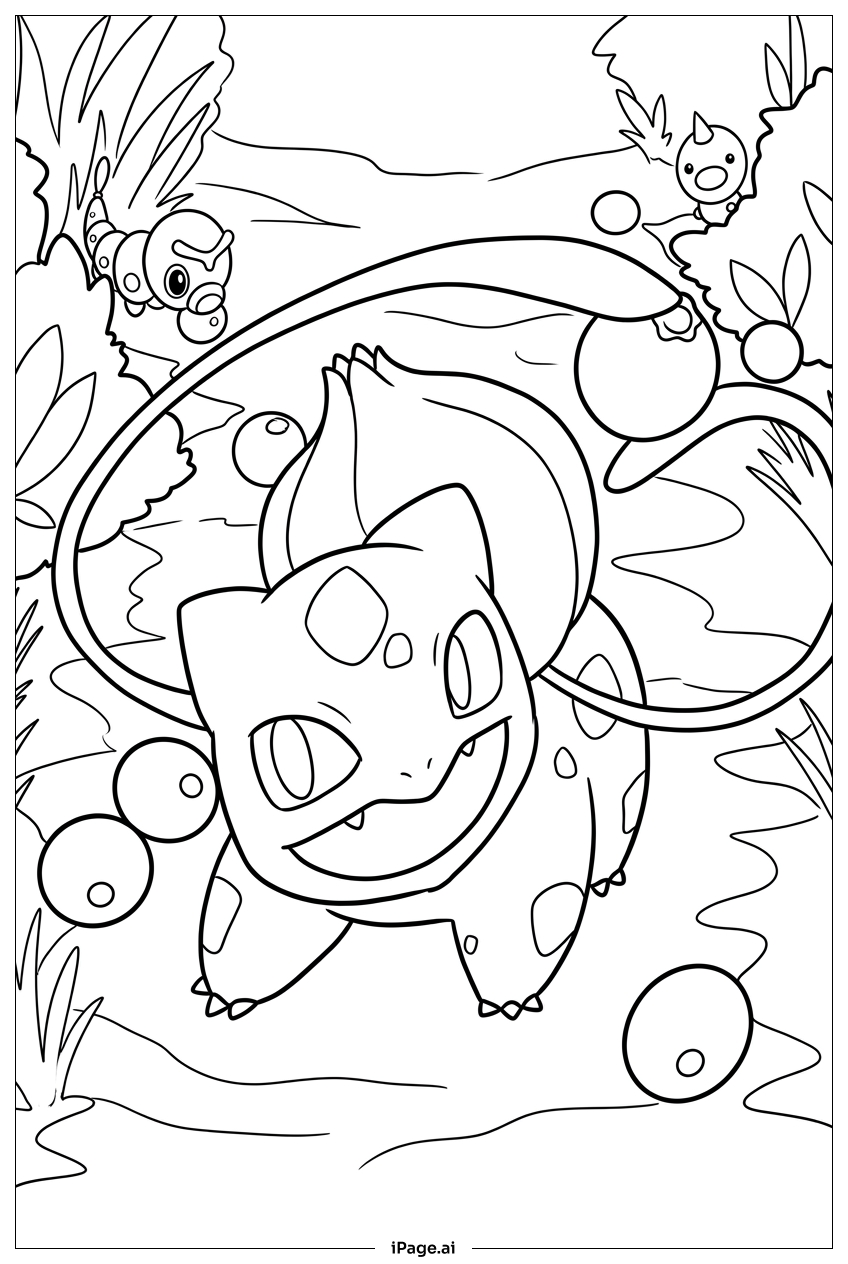
Start with Bulbasaur's body using a soft blue-green or teal color. Keep the shade light so the spots stand out. Use a darker green for the spots scattered across its skin. For the bulb on its back, use medium green for the outer leaves and a deeper forest green to add shadow underneath them. The inner bulb can be a warm pink or purple to show it is alive and growing. Color the bell collar a bright yellow or gold, and make the small bell shine with a lighter highlight. Use warm brown or tan for the collar strap. Bulbasaur's eyes look great in bright red with a dark pupil at the center. Keep the background simple — a soft sky blue, light yellow, or pale green works well. Take your time with the bulb details, as they are the most fun part to color!
Coloring challenges: Which parts are difficult to color and need attention for Bulbasaur Waiting Patiently with Bell Collar coloring page?
• Bulb Texture and Layering: The large bulb on Bulbasaur's back has multiple overlapping leaves with visible veins and curved edges. Coloring each leaf separately while keeping a sense of depth requires careful shading and patience. Younger colorists may find it tricky to stay within the smaller vein lines without blending areas together.
• Skin Spots and Patterns: Bulbasaur's body is covered in irregular oval spots. Filling each spot neatly with a darker color while keeping the base skin tone clean around them takes steady hand control. If the spots are small or closely packed, using a fine-tipped marker or colored pencil is strongly recommended.
• Bell Collar Detail: The collar includes a small bell, a strap, and potentially a clasp or ring. These are tiny elements with narrow outlines. Coloring them in gold or yellow without going outside the lines onto the surrounding skin can be a real challenge, especially for younger children.
• Facial Features and Expression: Bulbasaur's face has large round eyes with defined pupils and highlights, plus a small nose and mouth. Getting the eyes to look bright and expressive means carefully leaving a tiny white highlight dot inside each eye. Coloring the face area too heavily can easily make the expression look flat or dull.
• Shading for Dimension: Adding shading to give Bulbasaur a rounded, three-dimensional look is the biggest challenge overall. Without shading, the image can look flat. Adding subtle darker tones along the belly, under the bulb, and around the legs helps bring the character to life, but blending smoothly takes practice.
Benefits of coloring books: Advantages of drawing Bulbasaur Waiting Patiently with Bell Collar coloring page
Coloring this Bulbasaur page offers a wonderful range of benefits for kids and Pokémon fans of all ages. First, it builds fine motor skills. Carefully filling in the spots, collar details, and leaf veins trains hand muscles and improves pencil control — skills that help with writing and drawing too. Second, it encourages focus and patience. Bulbasaur is sitting quietly and waiting, and coloring this page asks the same calm attention from the artist. Sitting with a task from start to finish builds concentration in a fun, low-pressure way. Third, it sparks creativity. There is no single right way to color Bulbasaur. Kids can experiment with unusual color choices and make the image uniquely their own. Fourth, it introduces color theory naturally. Choosing shades for the bulb, skin, and collar teaches kids how light and dark colors work together to create depth. Finally, finishing a coloring page builds a real sense of pride and accomplishment. For Pokémon fans, bringing a favorite character to life with their own colors makes the experience even more personal and rewarding.