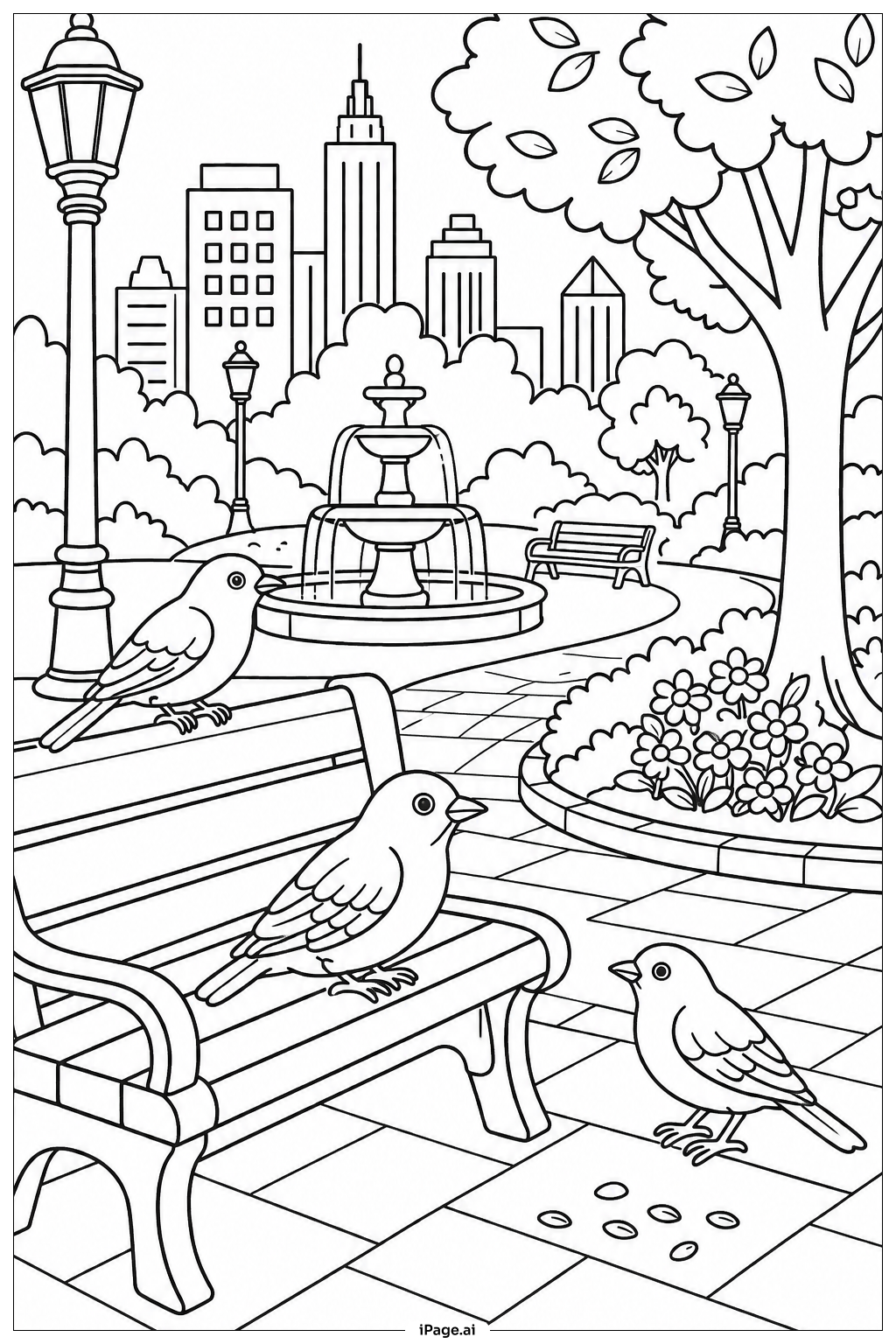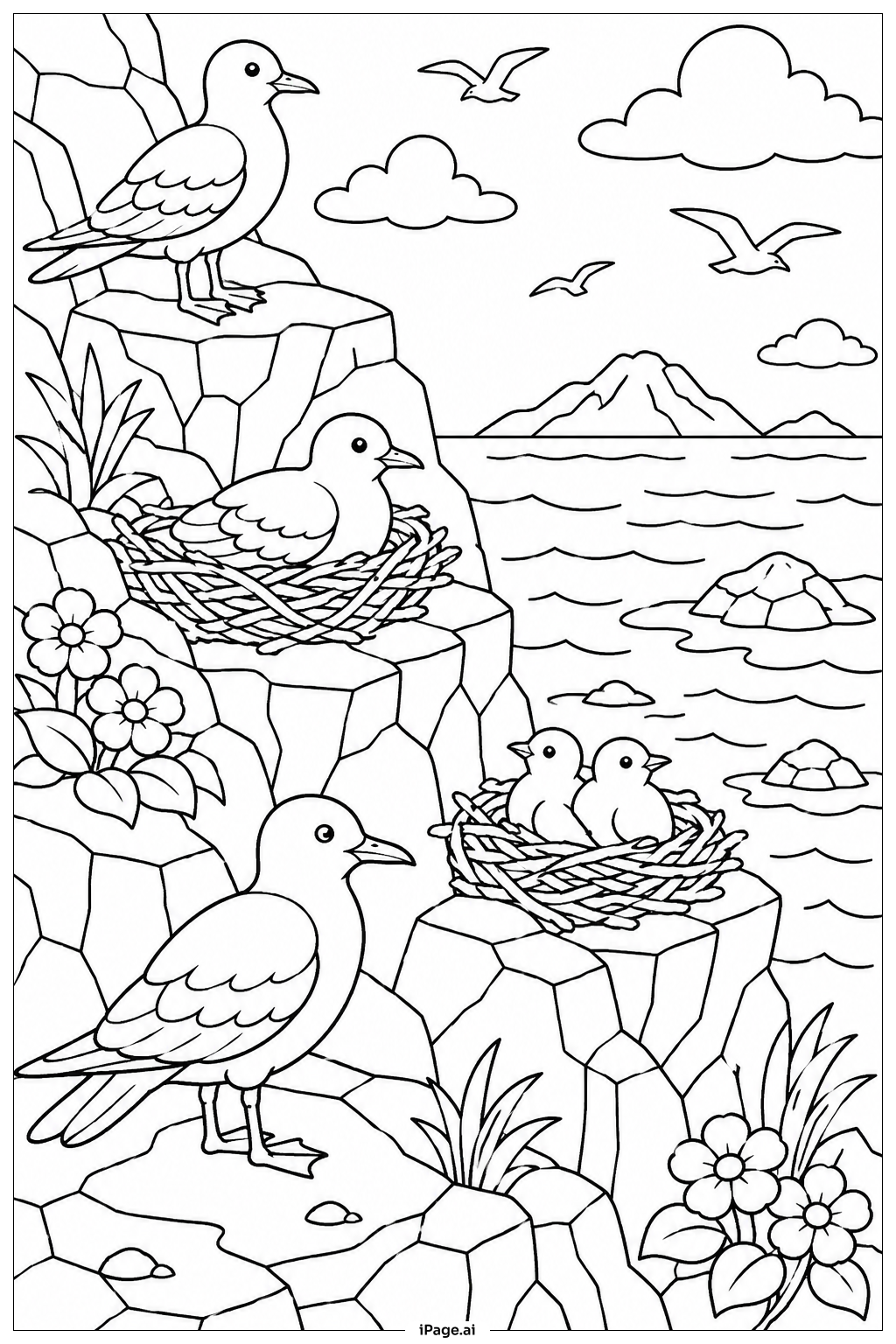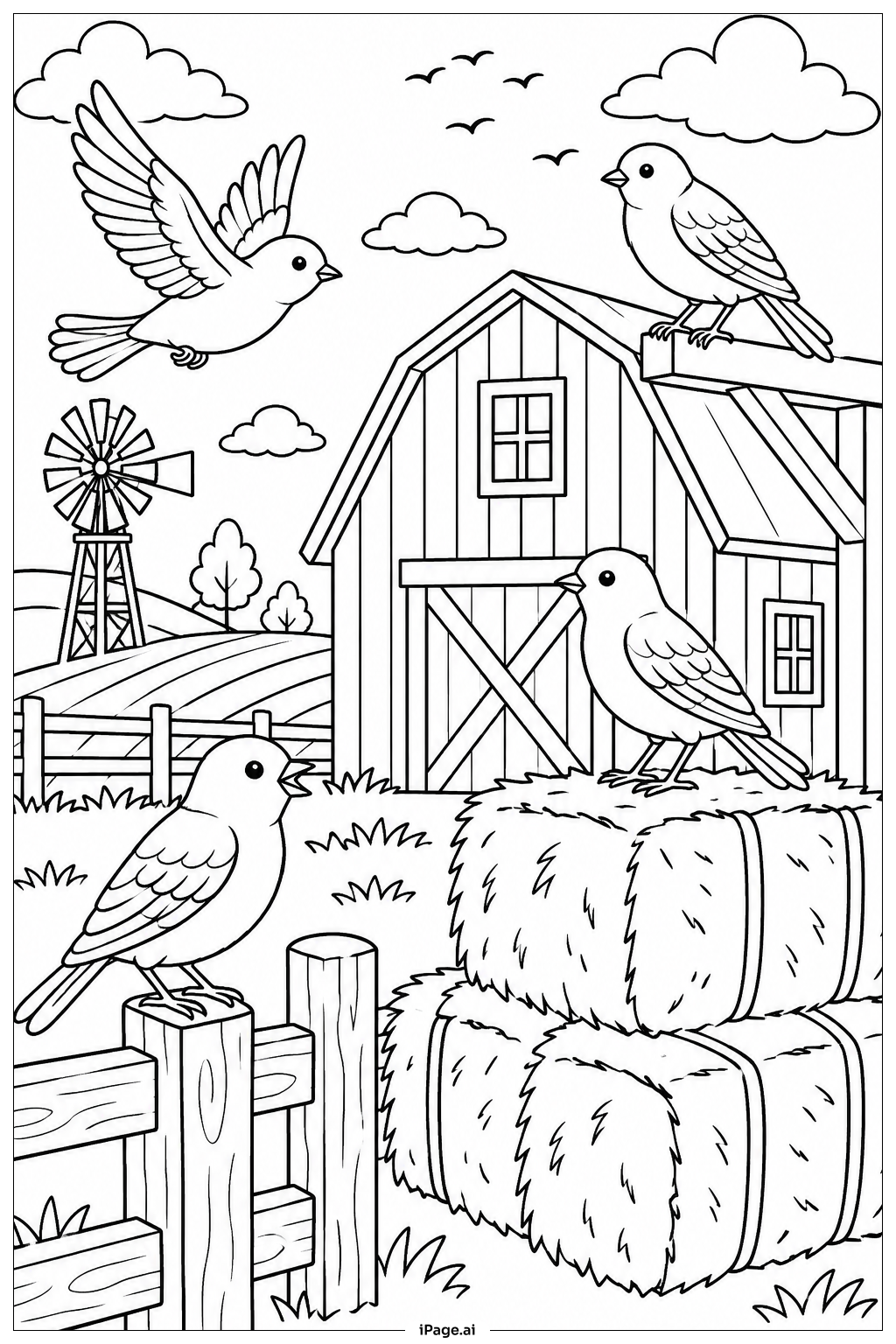
Coloring tips: How to color Small Bird Side View coloring page well?
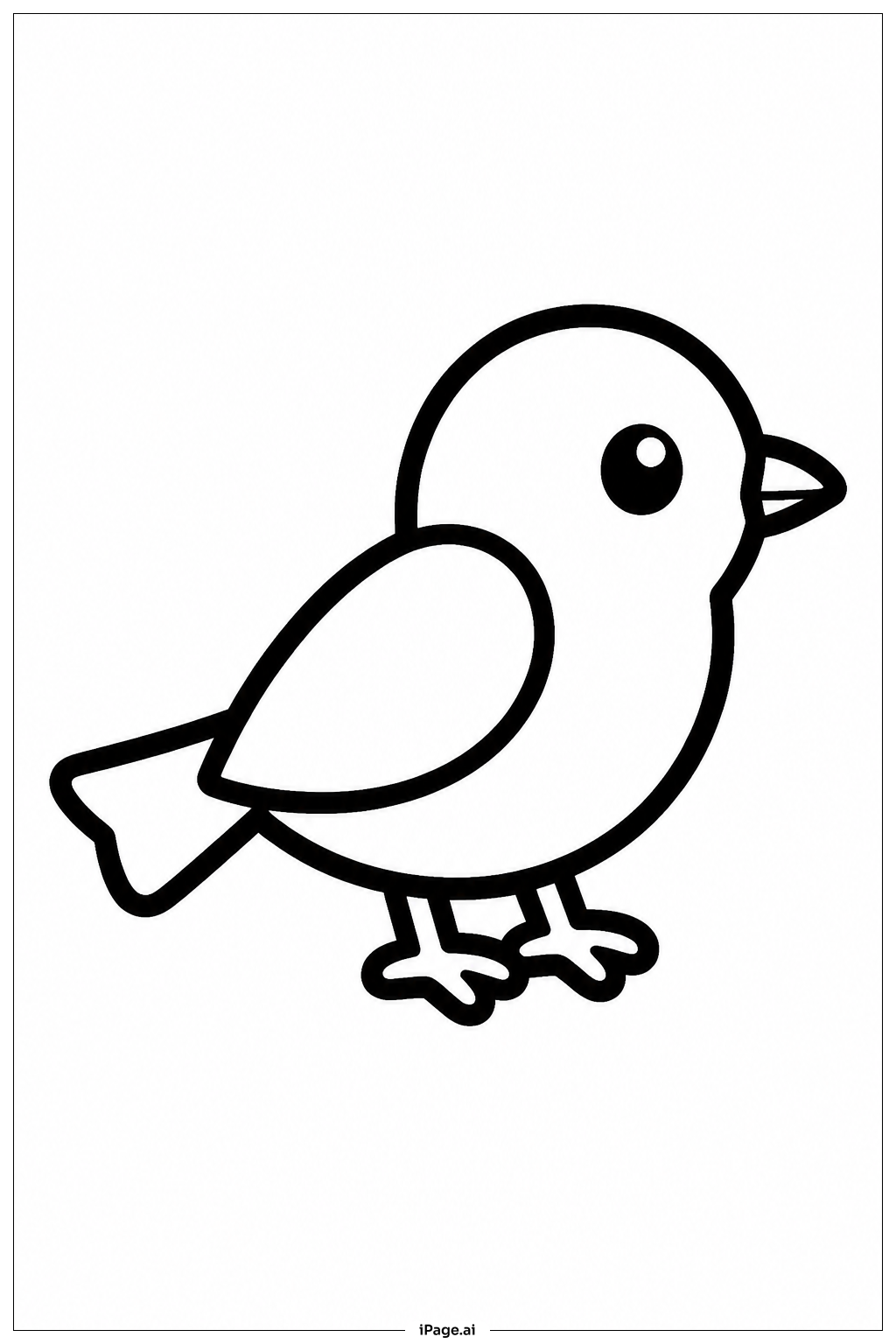
For this delightful bird, consider using warm browns and tans for a sparrow-like appearance, or bright yellows and oranges to create a cheerful canary or goldfinch. The chest area works beautifully with lighter shades, while the wings and tail can feature darker tones to add depth and dimension. Try using colored pencils to create soft feather textures by layering light strokes in the same direction as the feather lines. The beak can be colored in orange, yellow, or gray depending on your chosen bird species. The eye should be dark, perhaps black or deep brown, with a tiny white highlight to bring it to life. The legs and feet look wonderful in orange, pink, or gray. For a more creative approach, consider fantasy colors like blues, purples, or even rainbow patterns to make your bird truly unique and imaginative.
Coloring challenges: Which parts are difficult to color and need attention for Small Bird Side View coloring page?
• Feather Detail Work: The wings and tail contain fine line details that represent individual feathers and feather layers. Staying within these small sections requires careful hand control and patience, especially when using markers or crayons that have broader tips. Younger children may find it challenging to color each feather section separately without crossing lines, while this same detail offers older colorists an opportunity to practice precision and create realistic texture effects through varied shading.
• Smooth Body Gradients: Creating natural-looking color transitions across the bird's rounded body surfaces presents a technical challenge. Birds often display subtle color gradations from chest to back, requiring blending skills to avoid harsh color boundaries. This is particularly tricky with crayons or markers that do not blend easily, though it provides excellent practice for developing shading techniques and understanding how light affects curved surfaces.
• Small Anatomical Features: The eye, beak, and feet are relatively tiny compared to the body, demanding steady hands and fine motor control. The eye especially needs careful coloring to maintain its circular shape and leave a highlight for realism. The thin legs and small toes can be difficult for younger children to color without going outside the lines, making this aspect more suitable for children aged 7 and above or requiring adult assistance for younger colorists.
• Color Coordination Choices: Deciding on a realistic or imaginative color scheme requires planning and color theory understanding. Realistic bird coloring demands knowledge of actual bird species and their natural color patterns, while creative coloring requires harmonious color combinations that are visually pleasing. Both approaches challenge the colorist to think ahead and make deliberate choices rather than random color application.
Benefits of coloring books: Advantages of drawing Small Bird Side View coloring page
Coloring this bird image offers numerous developmental and therapeutic benefits. It enhances fine motor skills and hand-eye coordination, particularly through the detailed feather work that requires precise movements. This practice strengthens the small muscles in hands and fingers, preparing younger children for writing tasks. The activity promotes focus and concentration as colorists must pay attention to stay within lines and make thoughtful color choices. It also encourages creativity and decision-making, whether choosing realistic colors based on nature observation or inventing imaginative color combinations. The repetitive motion of coloring provides a calming, meditative effect that reduces stress and anxiety for both children and adults. Additionally, this bird subject offers educational value, sparking interest in ornithology and wildlife while teaching about animal anatomy and natural color patterns. Completing the image builds confidence and provides a sense of accomplishment, boosting self-esteem especially in younger artists.