Coloring tips: How to color Bird On Fence coloring page well?
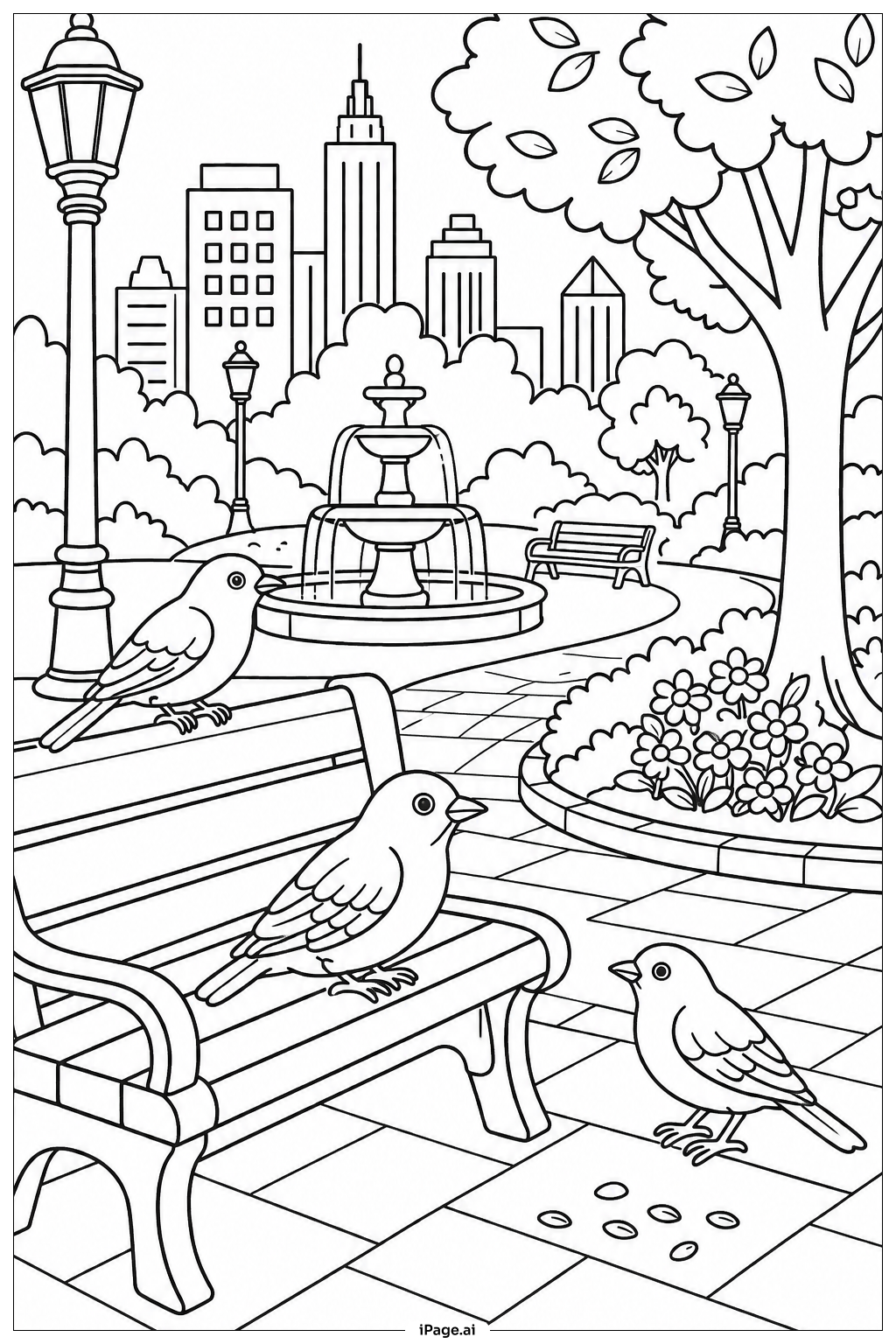
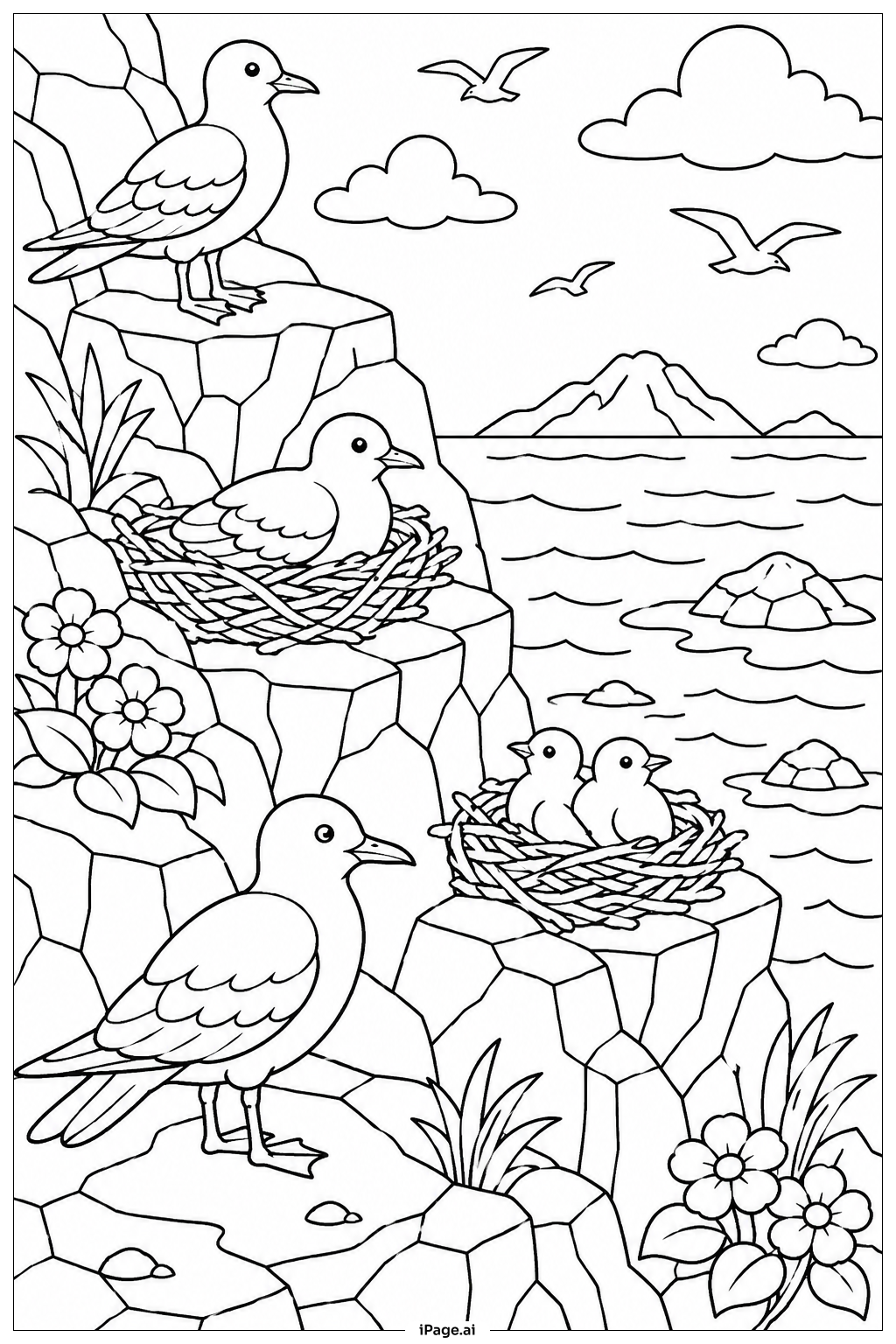
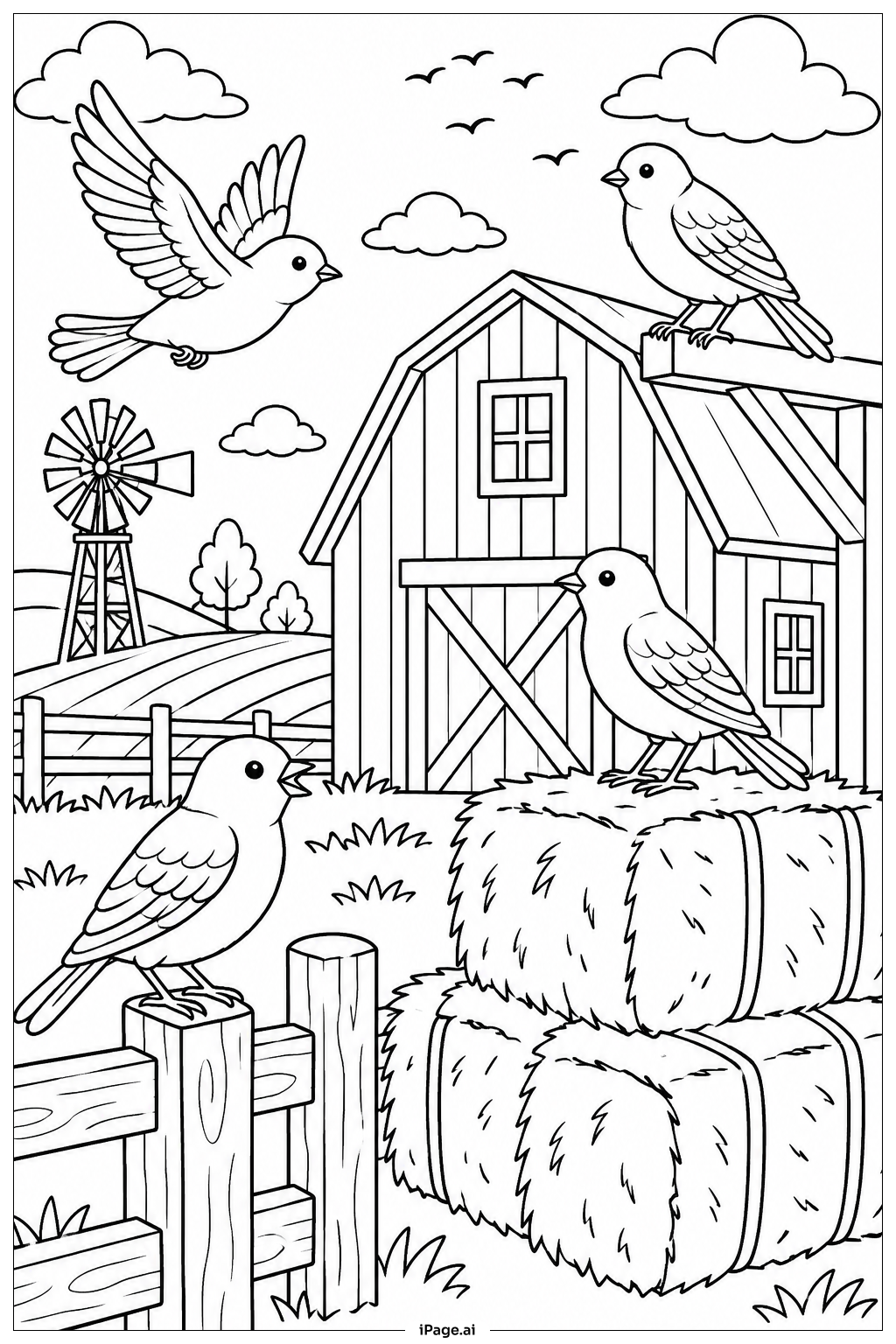
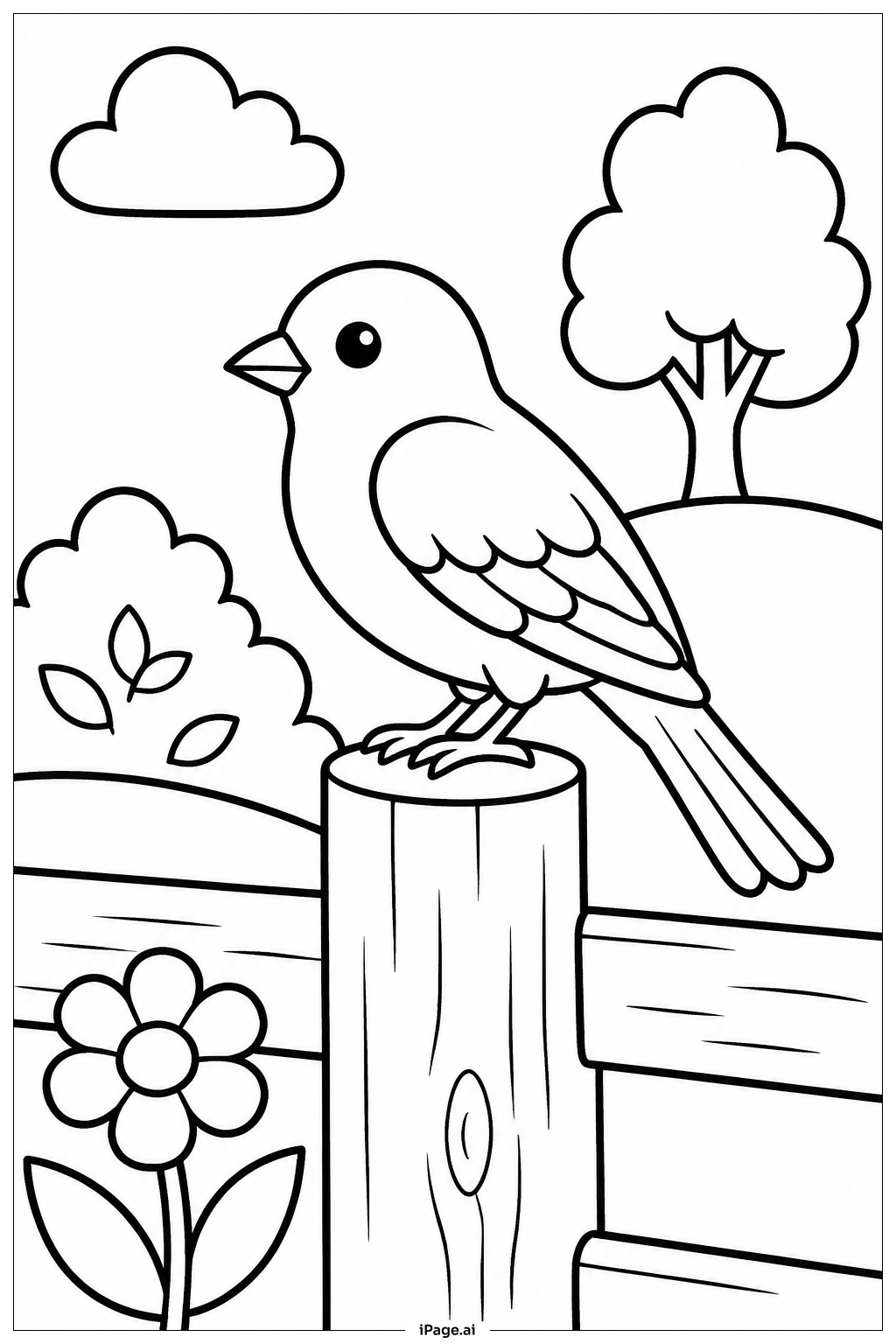
For this Bird On Fence image, try using soft and warm colors for the bird. You might use shades like light brown, yellow, or soft gray for the bird’s feathers. The beak and legs could be painted in orange or pale pink. For the wooden fence, use different brown tones to create a natural wood effect. You can also add green or blue to the background if you want to show sky or plants behind the bird. Don’t be afraid to use bright colors for the bird to make it stand out. Coloring the bird’s eyes with black or dark brown will bring it to life.
Coloring challenges: Which parts are difficult to color and need attention for Bird On Fence coloring page?
• Feather Details: The bird has many small feathers with fine lines, which can be tricky to color neatly without crossing lines.
• Wood Grain Texture: The fence shows wood grain patterns that need careful coloring to maintain a realistic look and add depth.
• Small Features: Elements like the bird’s beak, eyes, and claws are small and require precision.
• Smooth Transitions: To show the bird’s rounded body and feathers well, gently blending colors can be challenging.
• Balanced Contrast: Choosing colors that keep the bird visible but harmonized with the fence requires attention to contrast and shading.
Benefits of coloring books: Advantages of drawing Bird On Fence coloring page
Coloring this Bird On Fence image helps improve fine motor skills, as it involves detailed areas like feathers and wood grain. It encourages attention to detail and patience while working on small sections. Selecting colors for both the natural fence and the lively bird nurtures creativity and an understanding of nature’s colors. This activity also promotes focus and relaxation, offering a calm moment to express artistic choices. For children and beginners, it’s a great way to practice coloring within lines and experimenting with shading and contrast.