Coloring tips: How to color Beach Seagull coloring page well?
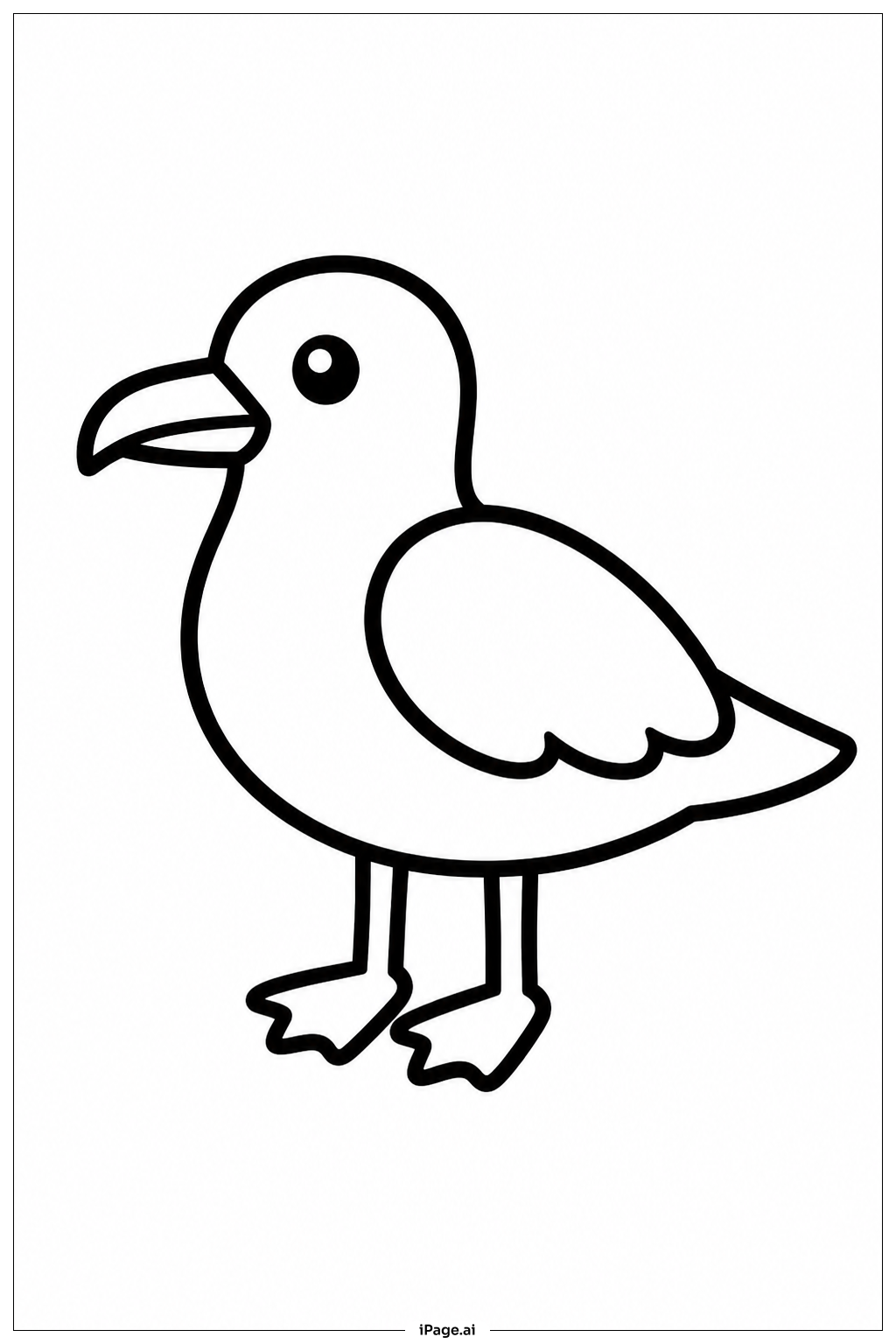
Start with the seagull's body. Use white or very light gray for the chest and belly to keep it looking soft and fluffy. For the wings and back, try a medium gray or cool blue-gray to add depth. The beak and feet look great in bright orange or golden yellow. Add a little pink or coral at the tip of the beak for extra detail.
For the background, use a warm sandy yellow for the beach and a light blue for the sky. Color the ocean in shades of teal and aqua, layering darker tones toward the horizon. The clouds can be pale lavender or soft blue to give them a gentle, airy feel.
Try blending two shades of the same color on the wings to make the feathers look more realistic. Kids can keep it simple with flat colors, while older colorists can experiment with shading and gradients for a more polished look. Have fun with it and let the seaside mood guide your color choices!
Coloring challenges: Which parts are difficult to color and need attention for Beach Seagull coloring page?
• Feather Layering: The seagull's wings and back have multiple overlapping feather rows. Keeping each layer a slightly different shade of gray without mudding the colors together takes patience. Working from light to dark and letting each section dry before moving to the next will help keep the layers looking clean and distinct.
• Small Beak and Feet Details: The beak and feet are small but important features. Staying within their outlines with a bright orange or yellow requires a fine-tipped tool. These tiny areas are easy to overfill, so using a sharpened colored pencil or a thin marker tip gives you the most control here.
• Blending Sky and Ocean Transitions: The background includes a gradual shift from sky to horizon to water. Creating a smooth, natural-looking transition between the pale sky blue and the deeper ocean tones can be tricky, especially without a blending tool. Layering colors gently and working in circular motions helps avoid harsh lines.
• Sandy Beach Texture: The beach at the bottom of the image looks most realistic when it has subtle warmth and variation. Using two or three tones of yellow, tan, and light brown together gives the sand a natural, grainy feel rather than a flat, single-color look.
• Maintaining White Space on the Bird: The seagull's chest and belly are meant to appear bright and light. Resisting the urge to fill those areas with heavy color is a challenge. Using very light pencil strokes or leaving some areas almost untouched helps preserve that natural white-feather look that makes seagulls so recognizable.
Benefits of coloring books: Advantages of drawing Beach Seagull coloring page
Coloring this Beach Seagull page offers a wonderful mix of creativity and calm. The beach setting naturally brings a relaxing, cheerful mood, making it a great activity for winding down after a busy day.
For younger kids, filling in the large, simple shapes of the bird and sky builds hand control and helps them practice staying within lines. Choosing colors for the ocean, sand, and sky also sparks early decision-making and confidence.
For older kids and teens, the feather details and background gradients offer a satisfying challenge. Experimenting with shading on the wings or blending ocean tones develops patience, color awareness, and artistic technique.
Beyond skill-building, coloring a nature scene like this one encourages kids to connect with the natural world. It opens up conversations about seabirds, ocean ecosystems, and the beauty of coastal environments in a fun, low-pressure way.
The repetitive, focused motion of coloring also supports mindfulness. It helps quiet busy thoughts and brings attention to the present moment, which benefits both children and adults alike.
Whether completed in a few minutes with bold, bright colors or worked on slowly with careful shading, this page delivers a rewarding and joyful coloring experience for all ages.