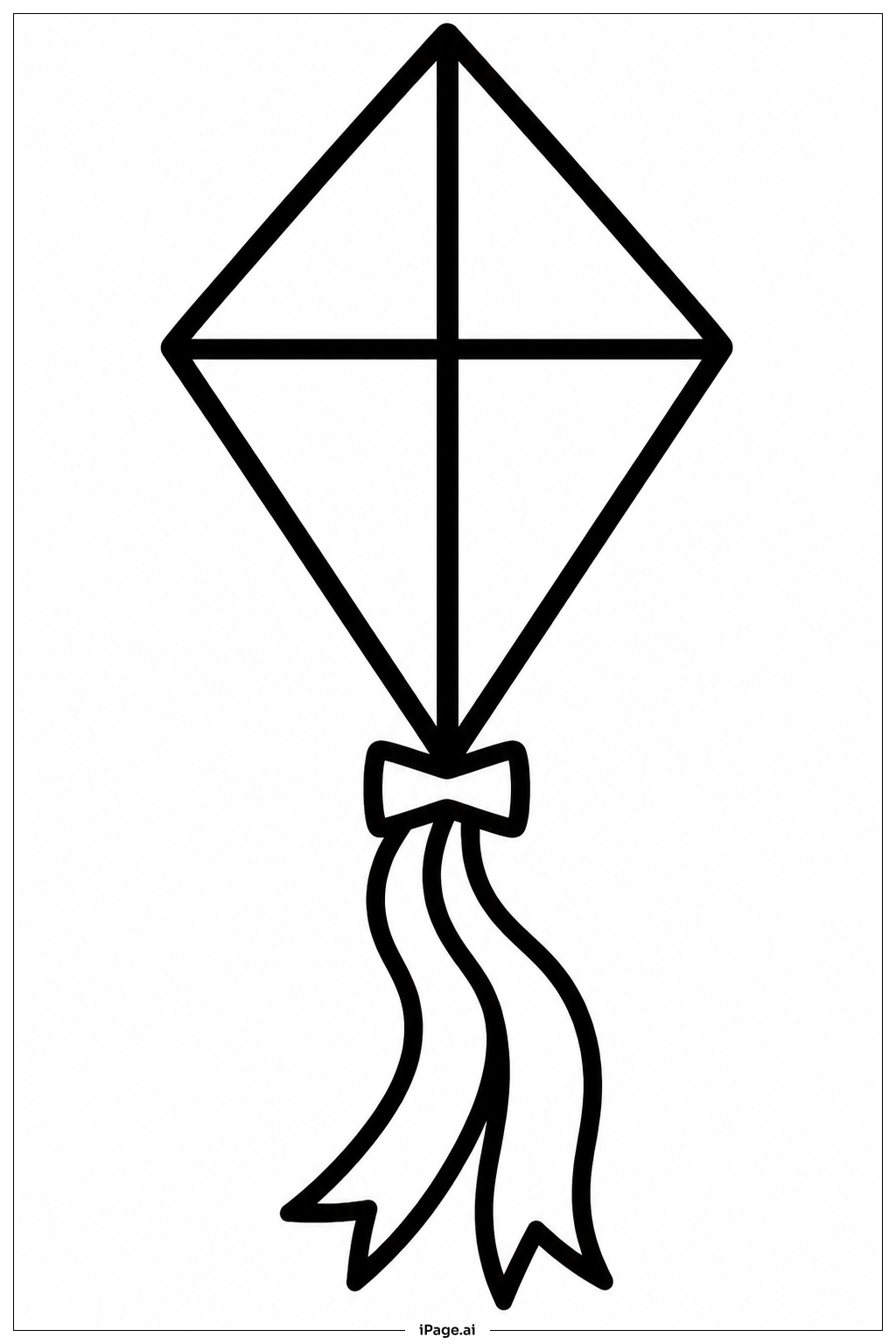
Coloring tips: How to color Beach Kite coloring page well?
Start with the sky using light blue. Add white or soft yellow for the clouds to keep them fluffy and bright. Color the kite with bold, fun colors like red, orange, yellow, and green. Use different colors for each section of the kite to make it pop. The long tails can be striped with two or three alternating colors. Color the sand in warm shades of tan, beige, or golden yellow. Use blue and teal for the ocean waves, and add white at the tips to show the foam. The seagulls can be left white or colored light gray. Use a bright golden yellow for the sun if it appears in the scene. Keep your colors lively and warm to capture the happy feeling of a sunny beach day. There are no wrong color choices here — let your imagination fly just like the kite!
Coloring challenges: Which parts are difficult to color and need attention for Beach Kite coloring page?
• Kite Panel Sections: The kite is divided into multiple diamond-shaped panels. Coloring each panel a different color without going over the lines takes steady hands and careful control. Younger children may find it tricky to stay within the narrow borders between each section, so using fine-tipped colored pencils or markers can help.\n\n• Kite Tails and Ribbons: The long, flowing tails of the kite have small loops and curves along their length. These thin, curving shapes are some of the hardest parts of the image to color neatly. A thin marker or a sharpened colored pencil works best for these areas.\n\n• Sky Gradient and Depth: Creating a sky that looks open and airy requires blending colors smoothly from deeper blue near the top to lighter blue near the horizon. This kind of gradual color change, called a gradient, can be challenging for beginners but is a great skill to practice.\n\n• Ocean Waves: The waves have curved, layered lines that represent water movement. Coloring these with multiple shades of blue and adding white foam at the crests requires patience and an understanding of how to use color to show motion and depth.\n\n• Sand Texture: The sandy beach may include small details like ripples, footprints, or shadows. Using two or three shades of tan and yellow together gives the sand a realistic, textured look, but blending them smoothly without muddying the colors takes practice and a light hand.
Benefits of coloring books: Advantages of drawing Beach Kite coloring page
Coloring this Beach Kite scene offers a wide range of fun and meaningful benefits for children and beginners alike. First, it helps build fine motor skills. Carefully coloring the kite panels, tails, and wave details trains small hand muscles and improves pencil control, which supports handwriting and other daily tasks. Second, it encourages creativity. Choosing colors for the kite, sky, and ocean lets kids express their own ideas and imagination freely. There is no one right answer, which builds confidence and joy in the creative process. Third, it teaches color awareness. Experimenting with warm tones for sand and cool tones for water helps children understand how colors work together and create mood. Fourth, it promotes focus and patience. This image has many small details that require attention, helping children practice concentration in a relaxed and enjoyable way. Fifth, it brings a sense of calm. The peaceful beach setting, with open skies and gentle waves, creates a soothing atmosphere while coloring. This can reduce stress and anxiety, making it a great quiet-time activity. Overall, this coloring page is a wonderful way to learn, relax, and have fun all at once.