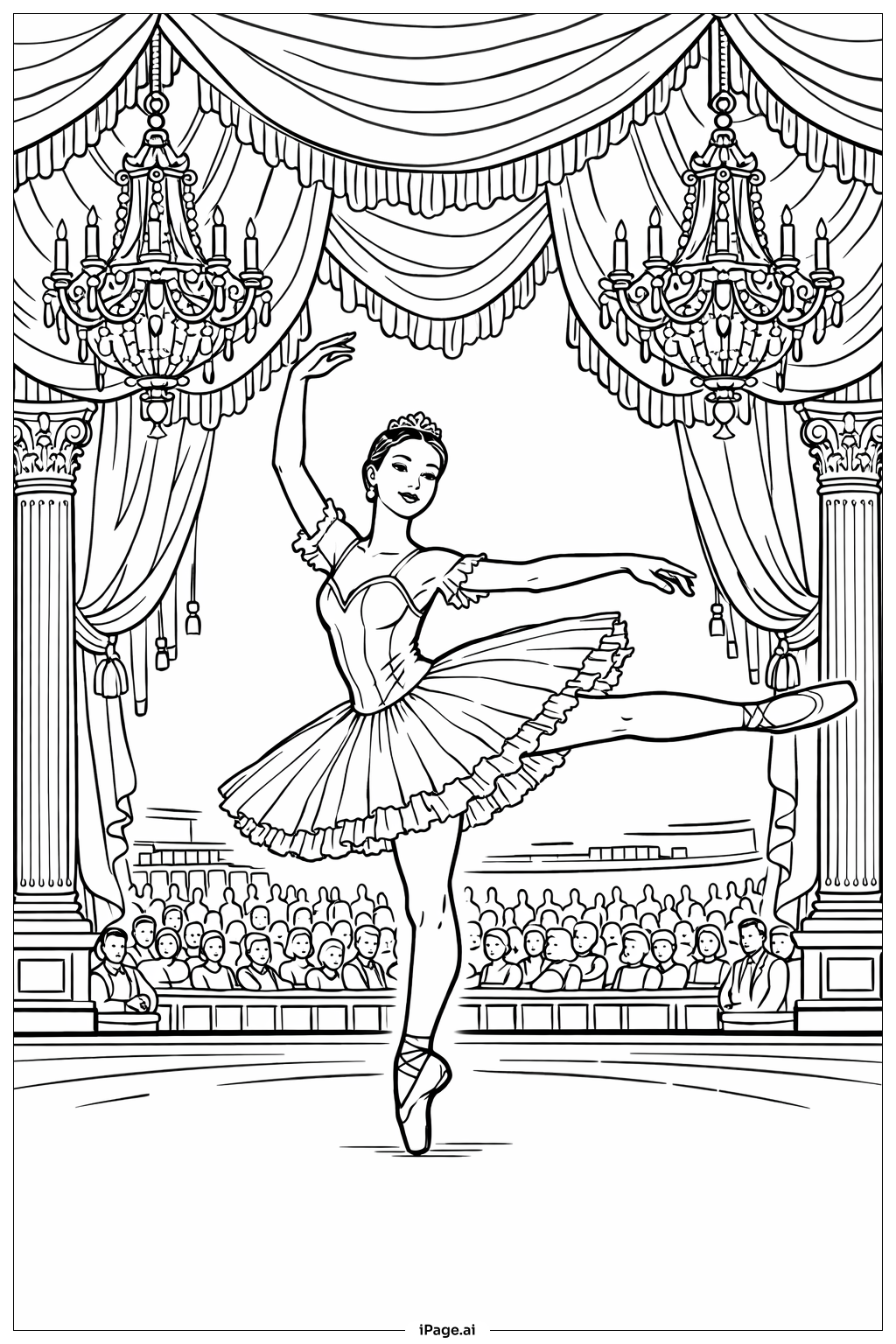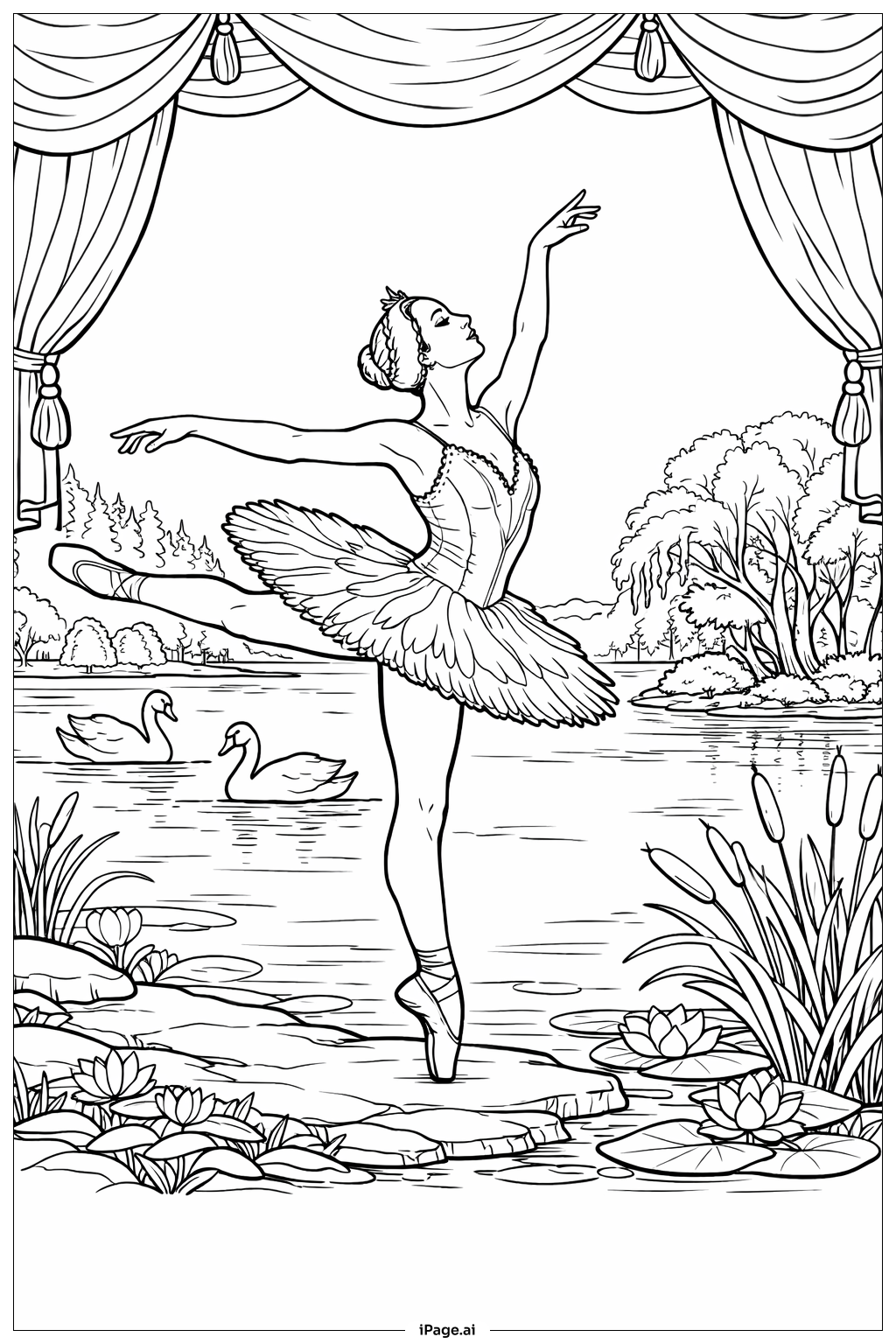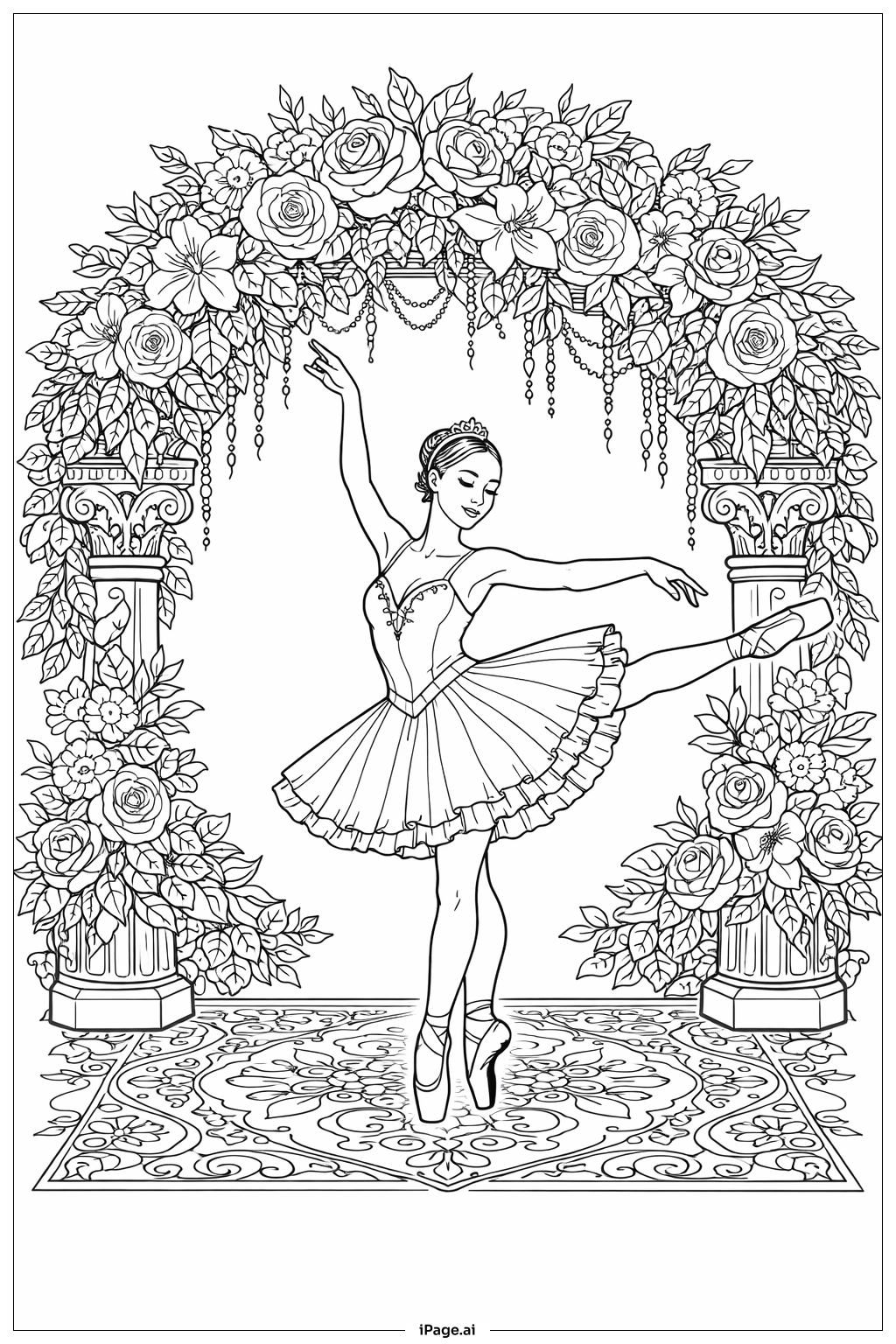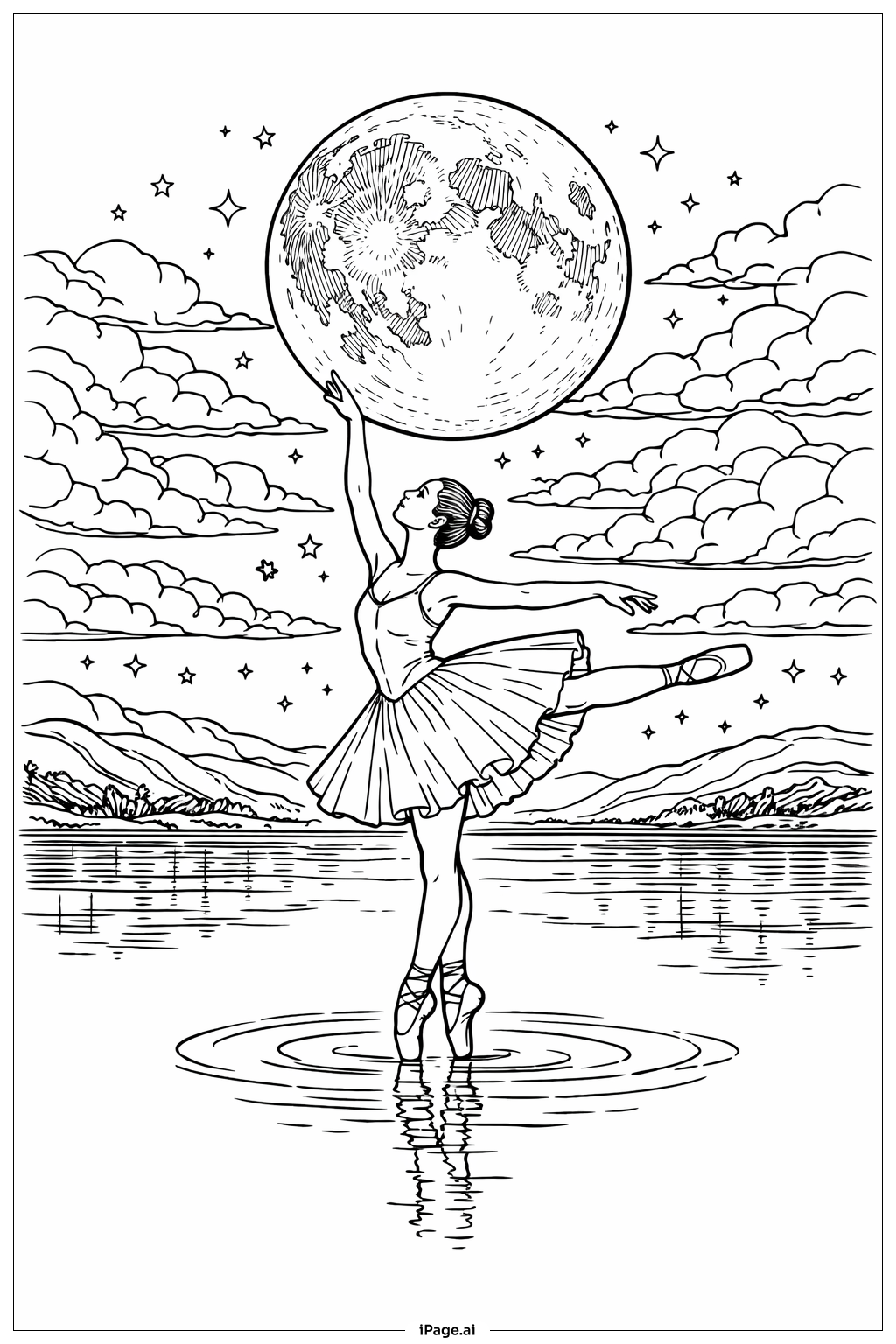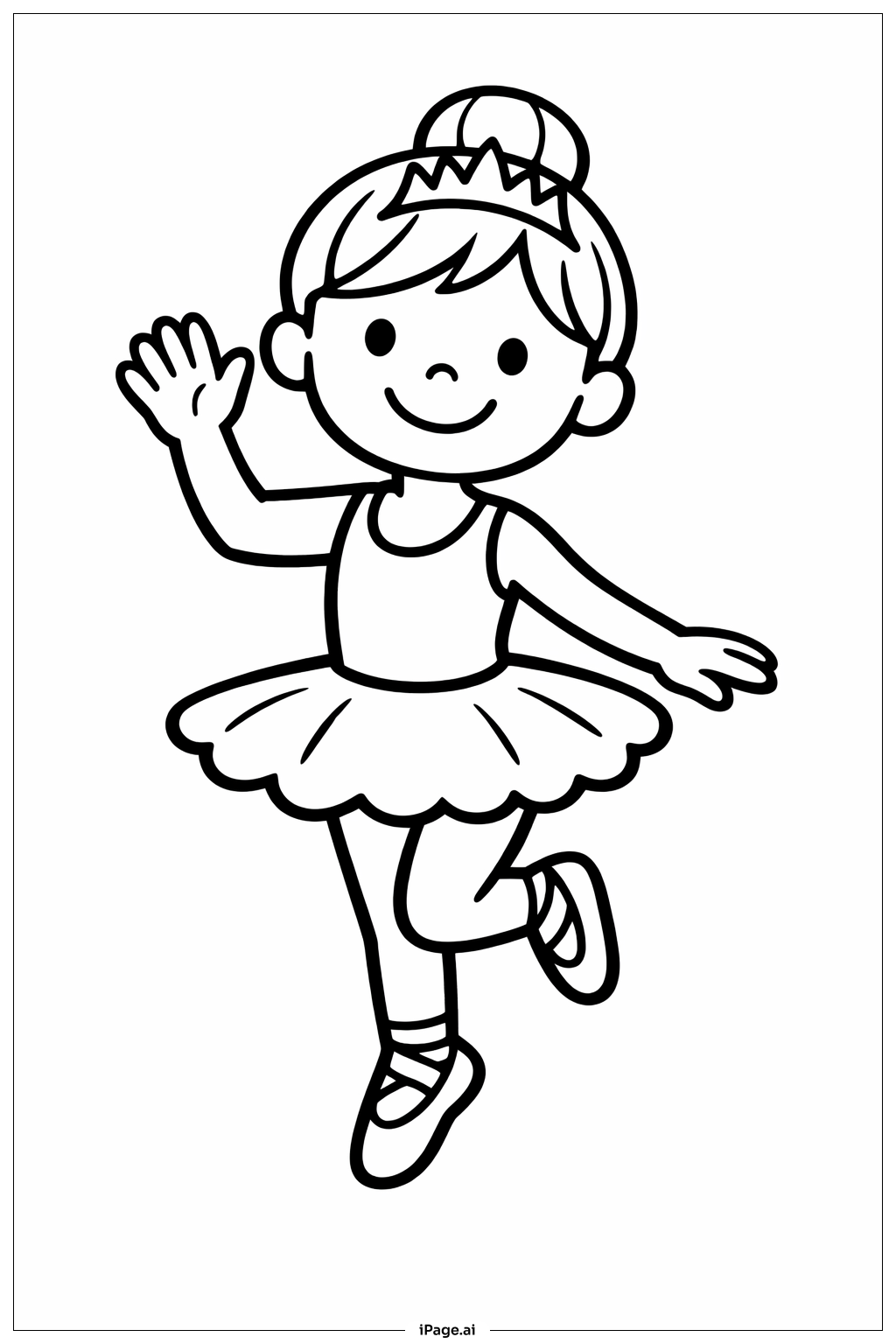
Coloring tips: How to color Ballerina Waving Hand coloring page well?
Start with the skin tone using peach, tan, or brown shades for the face, arms, and legs. For the tutu, consider classic ballet colors like soft pink, white, lavender, or light blue. You can make each layer of the tutu a slightly different shade to create depth and dimension. The bodice can match the tutu or feature contrasting colors like darker pink, purple, or even sparkly gold. Color the ballet slippers in traditional pink or experiment with satin white or pale peach. The hair bun can be brown, black, blonde, or any fun color you choose. Add rosy cheeks and pink lips to bring the face to life. Consider using colored pencils for smooth blending on the skin and fabric areas. For the tutu, try layering light colors to create a soft, flowing effect. You can even add small details like sequins or ribbons in contrasting colors to make the costume sparkle.
Coloring challenges: Which parts are difficult to color and need attention for Ballerina Waving Hand coloring page?
• Tutu Layer Definition: The multiple layers of the tutu present a challenge in creating depth and dimension. Each ruffle needs to be colored carefully to show that they are separate layers. Children may find it tricky to decide whether to use the same color throughout or vary the shades to create a three-dimensional effect. The delicate lines between layers require staying within boundaries and choosing colors that help distinguish one layer from another.
• Skin Tone Consistency: Maintaining even skin tone across the face, arms, and legs requires steady coloring technique and consistent pressure. Young colorists often struggle with streaky or patchy results, especially on larger areas like the legs. Achieving smooth coverage without visible pencil strokes takes practice and patience. Blending multiple shades to create realistic skin tones adds another level of complexity.
• Small Facial Features: The ballerina's eyes, nose, and mouth are small details that require precision and fine motor control. Coloring inside these tiny areas without going outside the lines can be challenging for younger children. Adding appropriate colors to create a pleasant, lifelike expression demands careful attention and a light touch with coloring tools.
• Ballet Slipper Shading: The ballet slippers have ribbons and dimensional shapes that benefit from shading to look realistic. Understanding where to add darker tones for shadows and lighter tones for highlights requires spatial awareness and some understanding of light and form. The ribbons wrapping around the ankle add linear details that need careful, controlled coloring.
Benefits of coloring books: Advantages of drawing Ballerina Waving Hand coloring page
Coloring this ballerina image helps children develop fine motor skills through precise movements required for small details like facial features and tutu layers. It encourages creativity as they choose color combinations for the costume and decide whether to use realistic or imaginative colors. The activity promotes patience and focus, as completing the detailed tutu layers and maintaining consistent skin tones requires concentration. Children learn about ballet culture and dance costumes, expanding their knowledge of performing arts. The friendly waving gesture creates an emotional connection, making the coloring experience more engaging and joyful. Working with different textures like fabric, skin, and hair helps young artists understand how to represent various materials with color. Successfully completing this detailed image builds confidence and a sense of accomplishment, encouraging further artistic exploration.