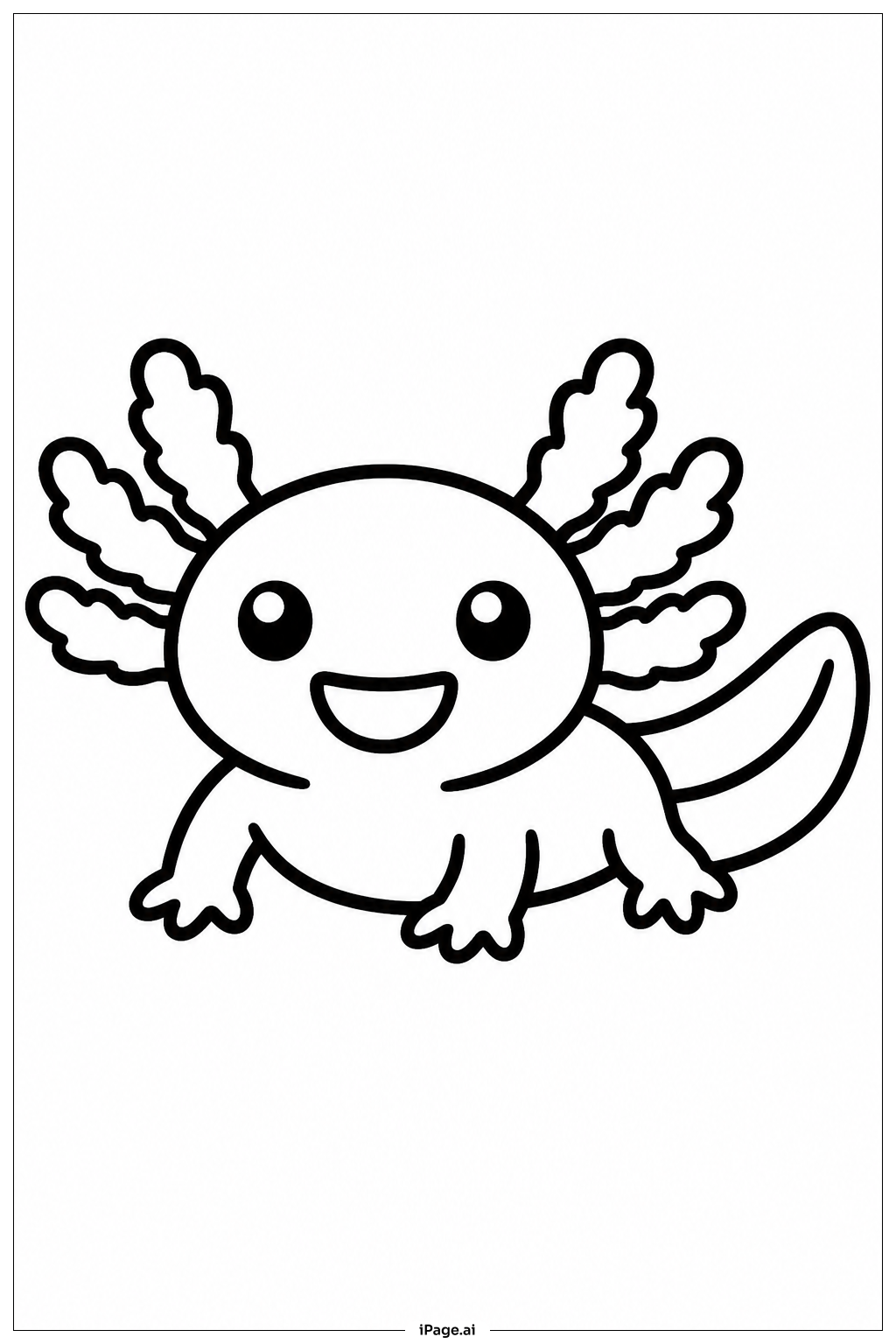
Coloring tips: How to color Smiling Axolotl coloring page well?
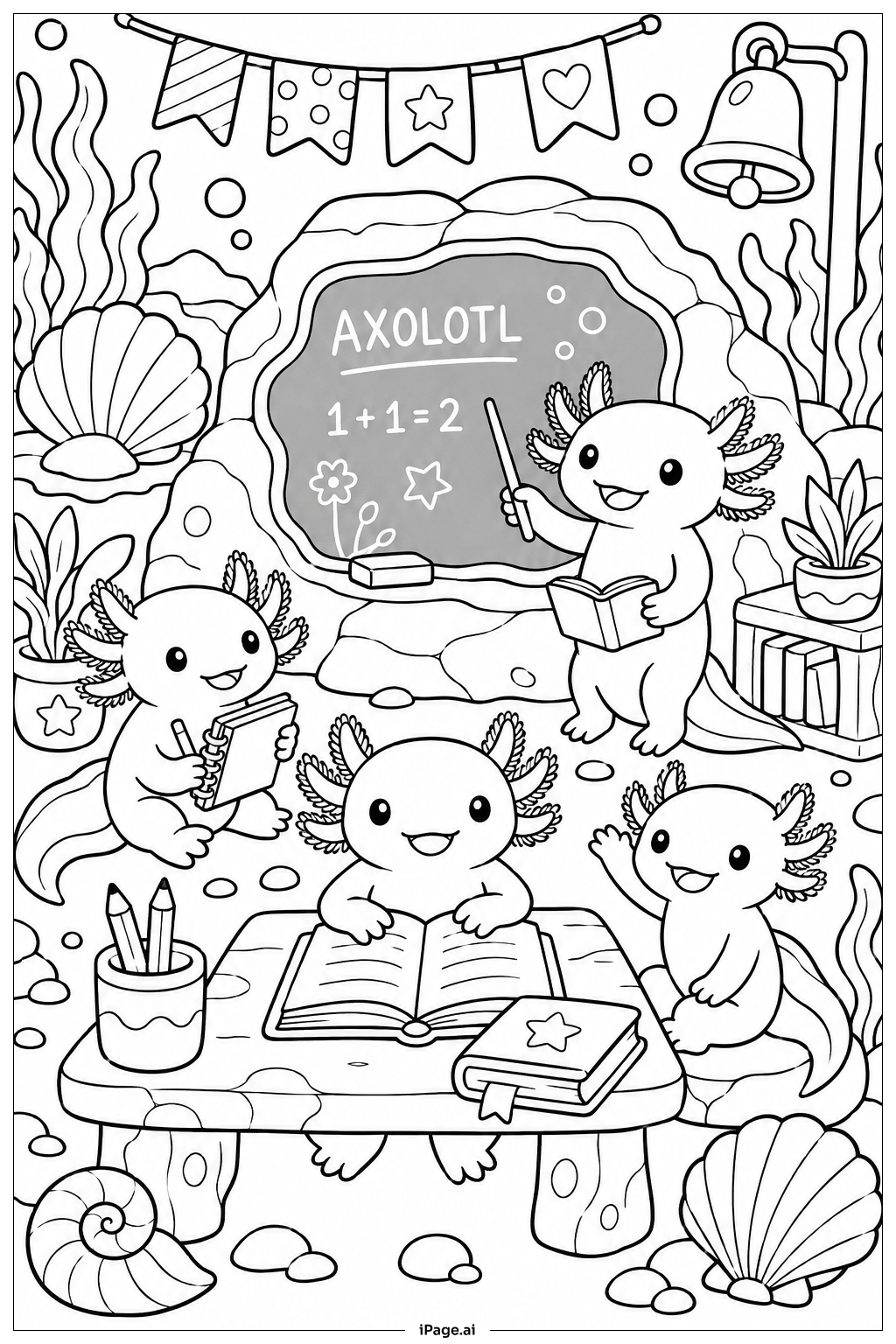
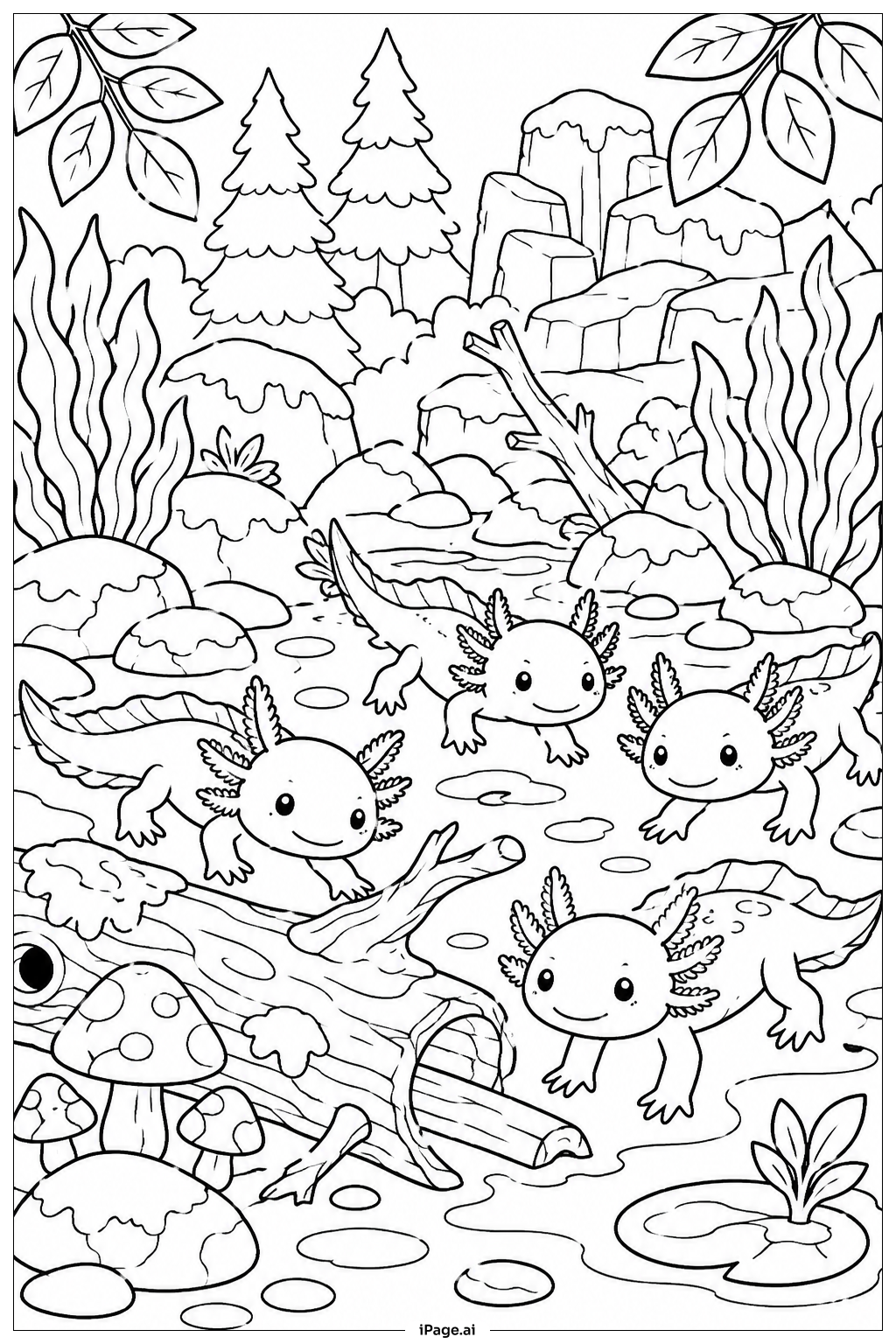
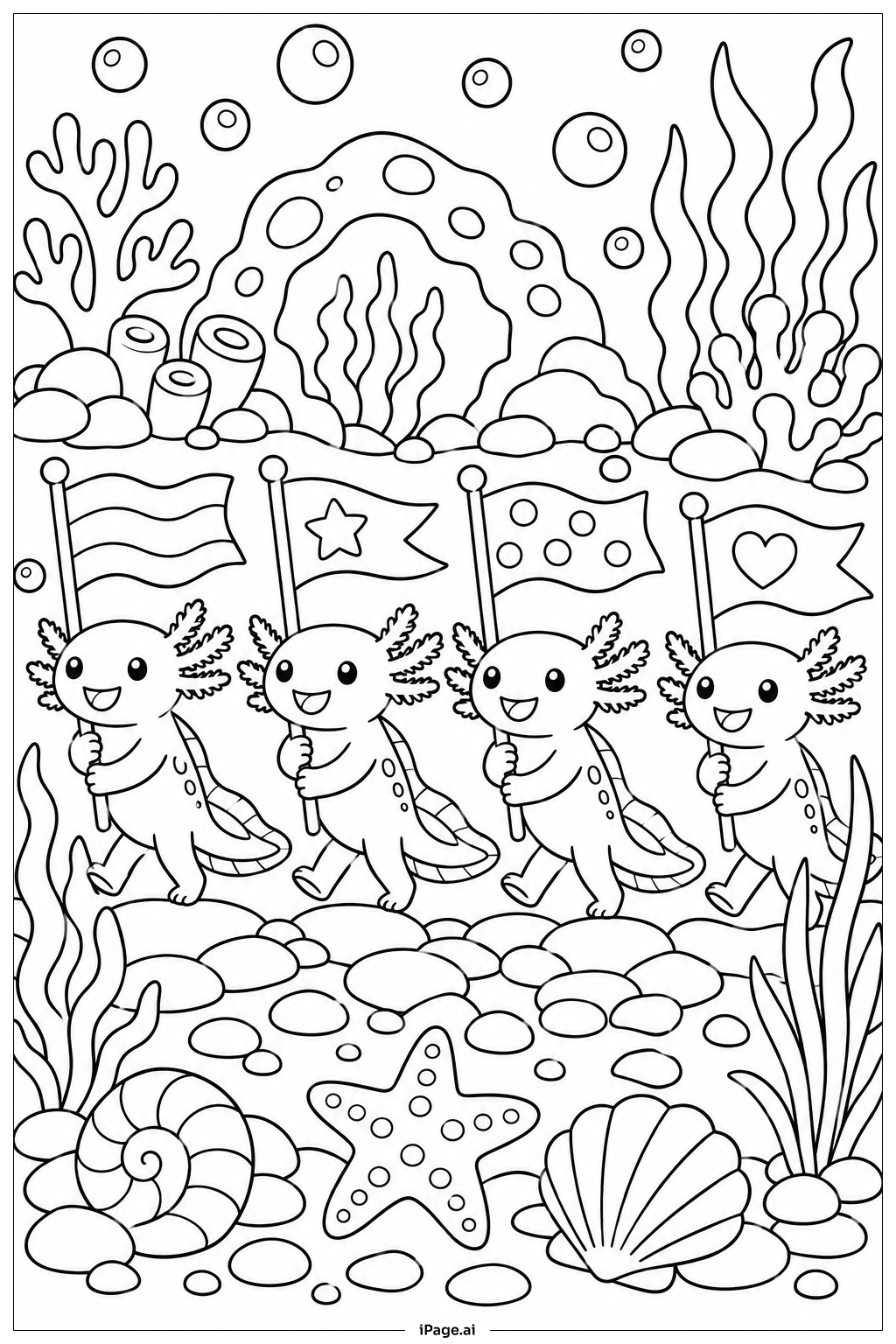
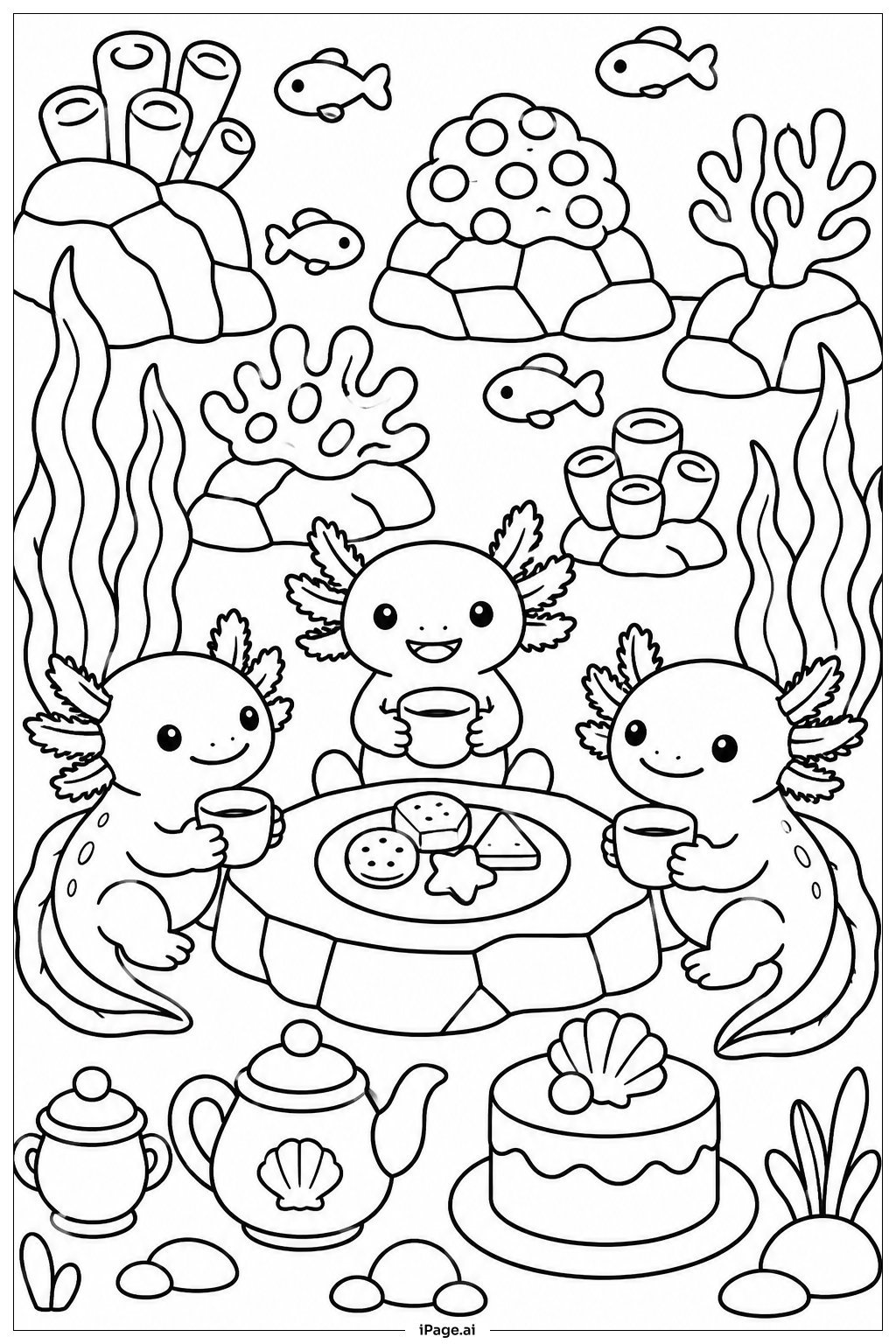
Try using soft pink or light peach shades for the axolotl’s body to capture its natural color. The feathery gills can be colored in brighter pinks or reds to stand out and show their delicate texture. For the eyes, use shiny black or dark brown so they look expressive and lively. Surrounding water bubbles can be light blue with some white highlights to show their transparency. You can also add shades of green or blue for the aquatic plants to make the underwater setting feel fresh. Feel free to mix pastel tones to keep the smiling axolotl looking gentle and happy. Experimenting with light and shadow along the axolotl’s body can create a soft, three-dimensional effect.
Coloring challenges: Which parts are difficult to color and need attention for Smiling Axolotl coloring page?
• Delicate Gills: The fine, feathery gills around the axolotl’s head require careful coloring to show their texture without making them look messy. Using gentle strokes is important. • Small Details: The tiny fingers on the axolotl’s limbs can be hard to color neatly because of their size. Staying inside the lines and using fine coloring tools helps. • Subtle Color Transitions: Achieving a smooth blend between the lighter body color and the brighter gills can be challenging and takes practice with shading techniques. • Eyes Expression: Coloring the eyes so they look shiny and expressive needs attention to detail, especially adding small white highlights to give a spark. • Water Elements: The bubbles and plants around the axolotl need to look transparent or delicate, which can be tricky using solid colors. Using lighter tones and layering can create a good effect.
Benefits of coloring books: Advantages of drawing Smiling Axolotl coloring page
Coloring this Smiling Axolotl helps children develop fine motor skills by practicing control on small areas like the gills and fingers. It encourages creativity in choosing colors to bring the axolotl and its watery environment to life. Working on shading and blending techniques supports learning about light and shadows. This image also promotes focus and patience by requiring attention to tiny details. Additionally, coloring a smiling animal like the axolotl can boost mood and inspire a love for nature and unique creatures. Overall, this page offers a fun and relaxing art experience with opportunities for skill development.