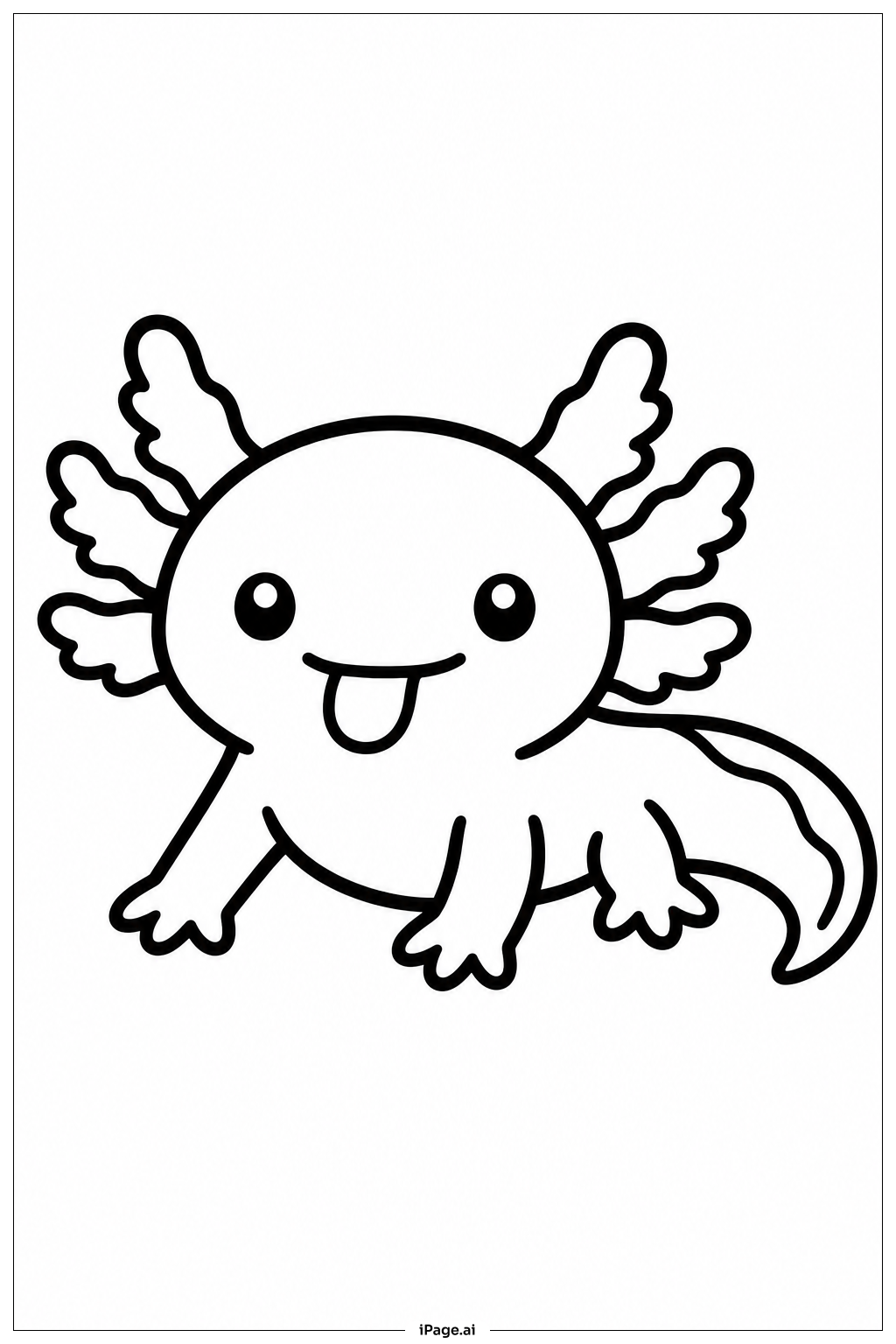
Coloring tips: How to color Axolotl Tongue Out coloring page well?
Start with the body of the axolotl. Real axolotls are often pale pink or peachy-white, so soft pinks and light peach tones work beautifully. You can also go creative and use lavender, light blue, or even mint green for a fantasy look. For the feathery gill plumes, try a slightly deeper shade of pink or coral to make them stand out from the body. Use a bright red or rosy pink for the tongue to give it a pop of fun color. The eyes can be colored golden yellow or soft brown with a dark pupil for an expressive touch. Add a subtle blush of pink on the cheeks to give the axolotl a sweet, lively feel. If you want your axolotl to look extra special, try adding light color gradients on the gill plumes — going from pale pink at the base to a deeper rose at the tips. Keep the background simple with a soft blue or aqua to suggest water, or leave it white to let the axolotl shine on its own.
Coloring challenges: Which parts are difficult to color and need attention for Axolotl Tongue Out coloring page?
• Feathery Gill Plumes: The gill plumes are made up of many thin, branching fronds layered closely together. Coloring each individual frond neatly without smudging neighboring areas is tricky. Using a fine-tipped colored pencil or a thin marker will help you stay within the lines and add subtle shading from base to tip.\n\n• Tiny Tongue Detail: The tongue is a small, protruding shape in the center of the face. Because of its size, it can be easy to accidentally color over it or miss it entirely. Use a sharp pencil or fine-point tool to carefully fill in this area with a bright, contrasting color so it stands out clearly.\n\n• Expressive Eyes: The eyes have a rounded shape with inner detail such as pupils and highlights. Keeping the highlight spot clean and uncolored while filling in the iris and pupil requires a steady hand. Consider using a white gel pen to restore any highlight that gets accidentally covered.\n\n• Smooth Body Texture: The axolotl's body is soft and rounded, and achieving a smooth, even color without streaks or patches takes patience. Gentle, circular strokes with colored pencils or light layers of watercolor can help create that soft, velvety look.\n\n• Leg and Foot Outlines: The four small, stubby legs have fine outlines and tiny toe details. These areas are compact and close together, making it easy for colors to bleed into one another. Work slowly and use a pointed tool to carefully define each leg and toe separately.
Benefits of coloring books: Advantages of drawing Axolotl Tongue Out coloring page
Coloring this fun axolotl page offers a wonderful mix of joy and learning for kids and beginners alike. The playful tongue-out pose makes the image instantly engaging, sparking creativity and imagination from the very first stroke.\n\nFor younger children, filling in the large, rounded body shapes helps build hand-eye coordination and fine motor skills. Learning to stay within the lines and control a crayon or pencil strengthens the small muscles in their hands, which supports writing skills too.\n\nFor older kids, the detailed gill plumes and facial features offer a satisfying challenge. Experimenting with color blending, shading, and gradient techniques on the feathery fronds encourages artistic thinking and builds confidence.\n\nThis page also sparks curiosity about the natural world. Axolotls are real and fascinating creatures, so coloring one can open the door to conversations about science, biology, and animal conservation. It is a fun, creative way to connect art with learning.\n\nBeyond skills, coloring is simply calming. Focusing on this cheerful little creature helps children slow down, concentrate, and enjoy a quiet, screen-free activity. The silly, tongue-out expression keeps the mood light and playful, making the whole experience feel like fun rather than work. It is a great page for solo creativity or a shared activity with friends and family.