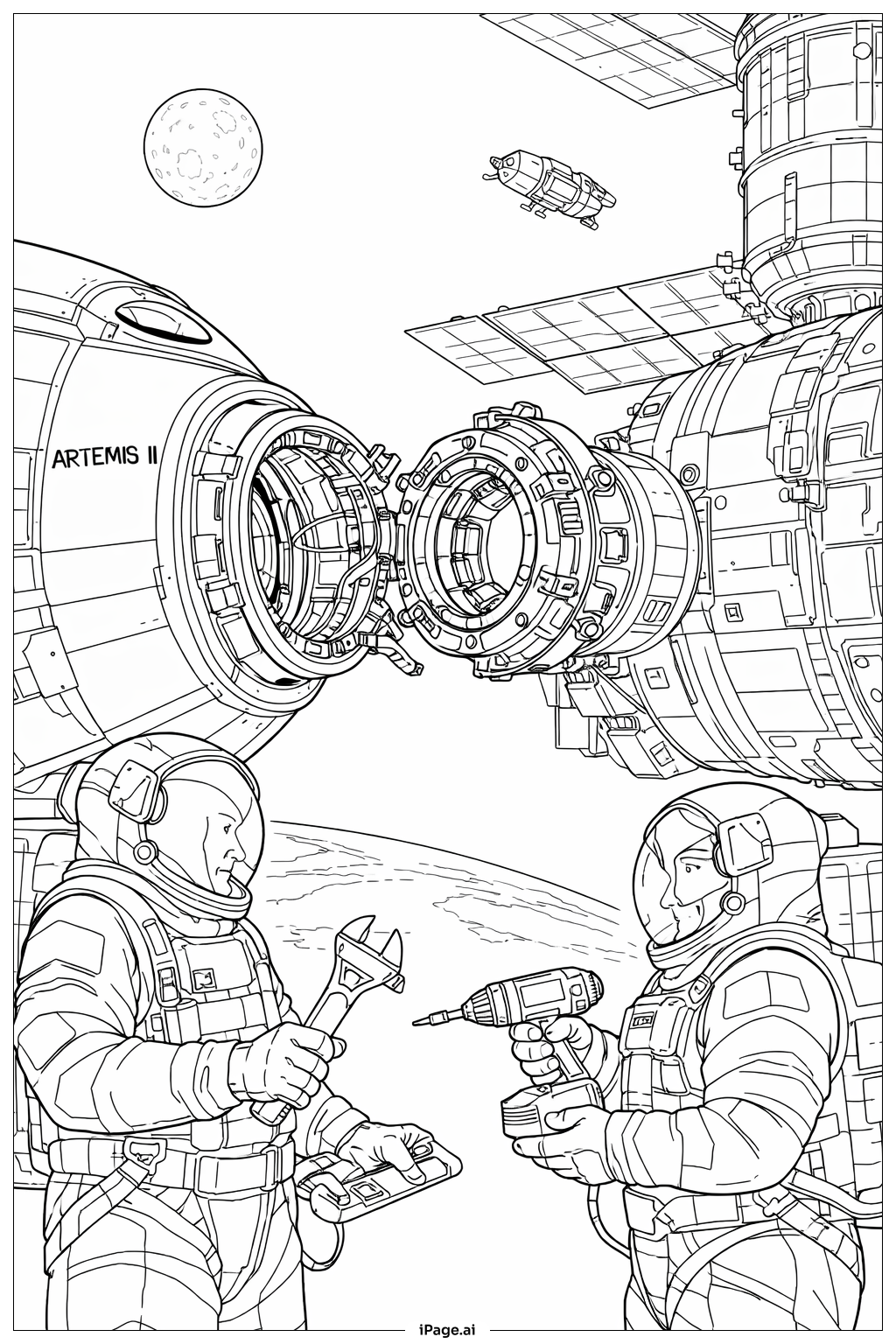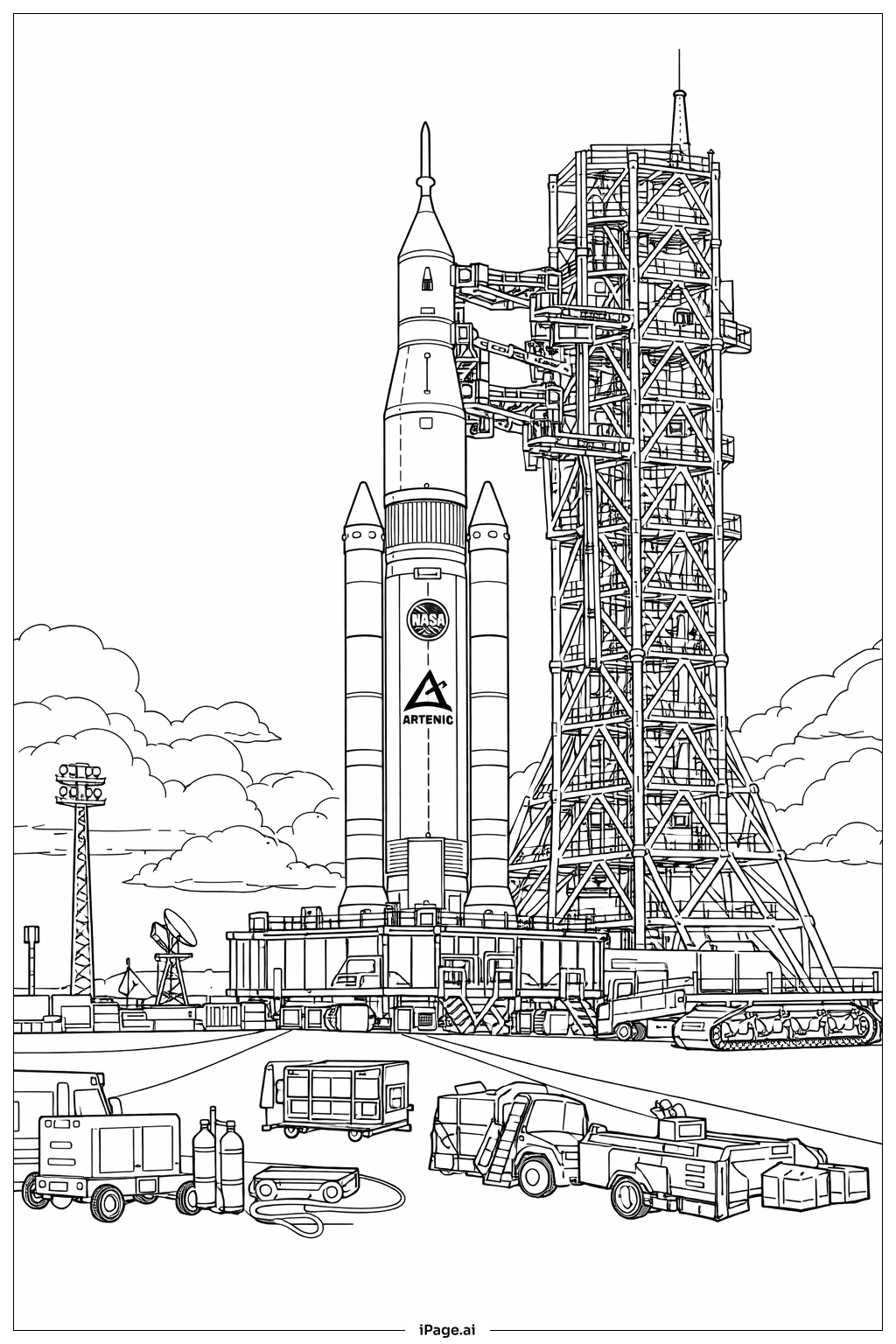
Coloring tips: How to color Artemis II Space Helmet coloring page well?
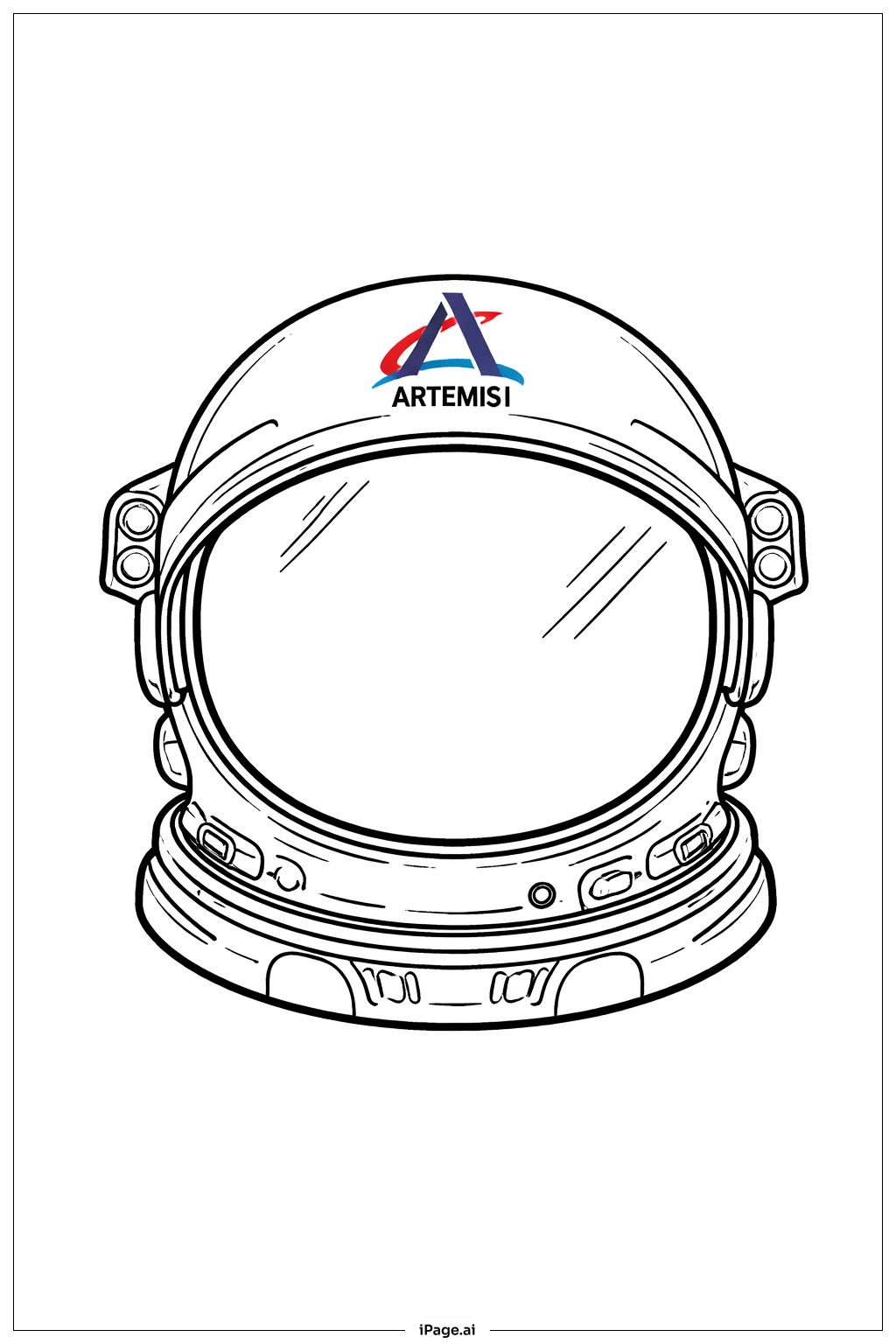
Start with the main helmet shell using a clean white or light gray base coat. This gives you a neutral foundation and lets other colors pop. For the visor, try a warm golden yellow or amber shade to mimic the real sun-protective gold coating used on NASA helmets. You can add a light blue or silver reflection highlight across the visor to make it look shiny and three-dimensional. Use dark gray or charcoal for the neck ring connections and mechanical seals. Add small touches of red, blue, or silver on the communication ports and vents to bring life to the technical details. If you want a dramatic space feel, try coloring the background deep black or dark navy and scatter small white dots for stars. Blend light and shadow on the helmet dome using a slightly darker shade on one side to create a rounded, three-dimensional effect. Take your time with each section and have fun exploring different color combinations.
Coloring challenges: Which parts are difficult to color and need attention for Artemis II Space Helmet coloring page?
• Visor Reflection Detail: The large curved visor is one of the trickiest parts to color. Real Artemis helmets use a gold-tinted reflective coating. Recreating this reflective look means blending gold, amber, and yellow smoothly, and adding subtle lighter streaks to suggest a mirror-like surface. Keeping the blend even across a curved shape is challenging, especially with crayons or colored pencils.
• Rounded Dome Shading: The helmet shell is a perfect sphere-like shape. To make it look three-dimensional rather than flat, you need to apply lighter color at the top where light hits and gradually darken toward the sides and bottom. This gradient shading technique requires patience and a steady hand, particularly for younger colorists.
• Small Mechanical Components: The neck ring, pressure seals, ventilation ports, and communication modules are packed with tiny geometric details. Each of these small parts benefits from its own distinct color to stand out clearly. Staying inside tight lines and switching between multiple shades in a small area can be very difficult.
• Consistent Line Control: Because this is a technical, machine-made object rather than a soft organic shape, all edges should look clean and precise. Accidental smudging or coloring outside the fine lines can disrupt the professional look of the helmet design and make individual components harder to distinguish.
• Background Contrast: Choosing and filling in the space background without accidentally overlapping onto the helmet edges is a real challenge. A dark background makes the helmet stand out beautifully, but requires careful, controlled coloring right up to the helmet outline.
Benefits of coloring books: Advantages of drawing Artemis II Space Helmet coloring page
Coloring the Artemis II Space Helmet is a wonderfully enriching activity for kids and space enthusiasts alike. Here are some of the great benefits it offers.
It sparks curiosity about space exploration. As you color each part of the helmet, you naturally wonder what it does and why it is shaped that way. This curiosity can lead to learning about NASA, the Artemis II mission, and the science of human spaceflight.
It builds fine motor skills. Carefully coloring the small mechanical details, staying within tight lines, and blending shades on the dome all strengthen hand-eye coordination and pencil control, skills that are valuable both in school and in everyday life.
It encourages creative thinking. Choosing colors for the visor, shell, and background invites you to make your own artistic decisions. There is no single right answer, which builds confidence and creative expression.
It develops focus and patience. A detailed technical image like a space helmet requires slow, thoughtful coloring. Completing it gives a real sense of accomplishment and helps build concentration habits that support learning.
It connects art with science. Bringing a real piece of space technology to life through color bridges creative arts and STEM subjects in a fun, hands-on way. Coloring Pages like this one make science feel exciting and personal for children of all ages.