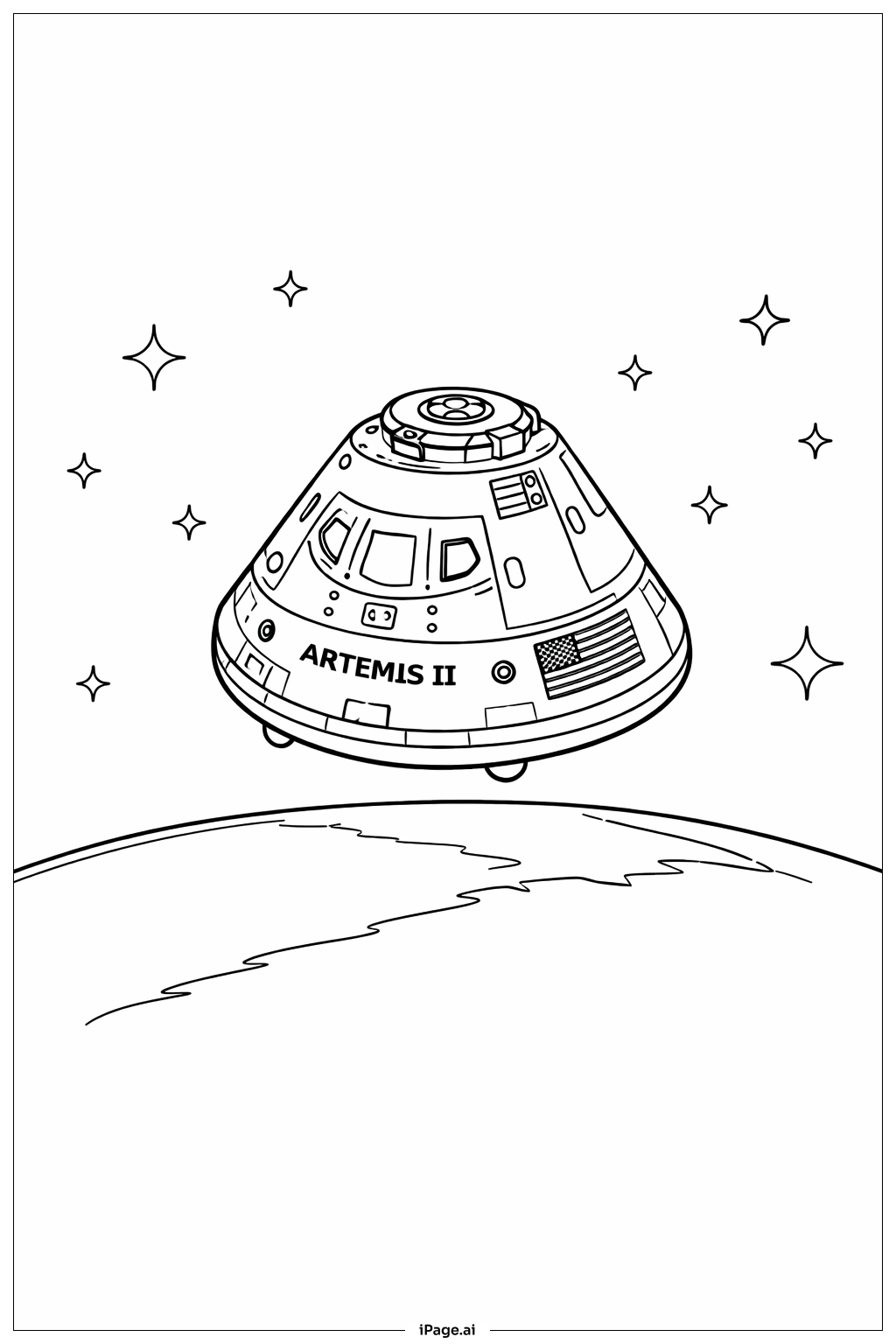
Coloring tips: How to color Artemis II Space Capsule coloring page well?
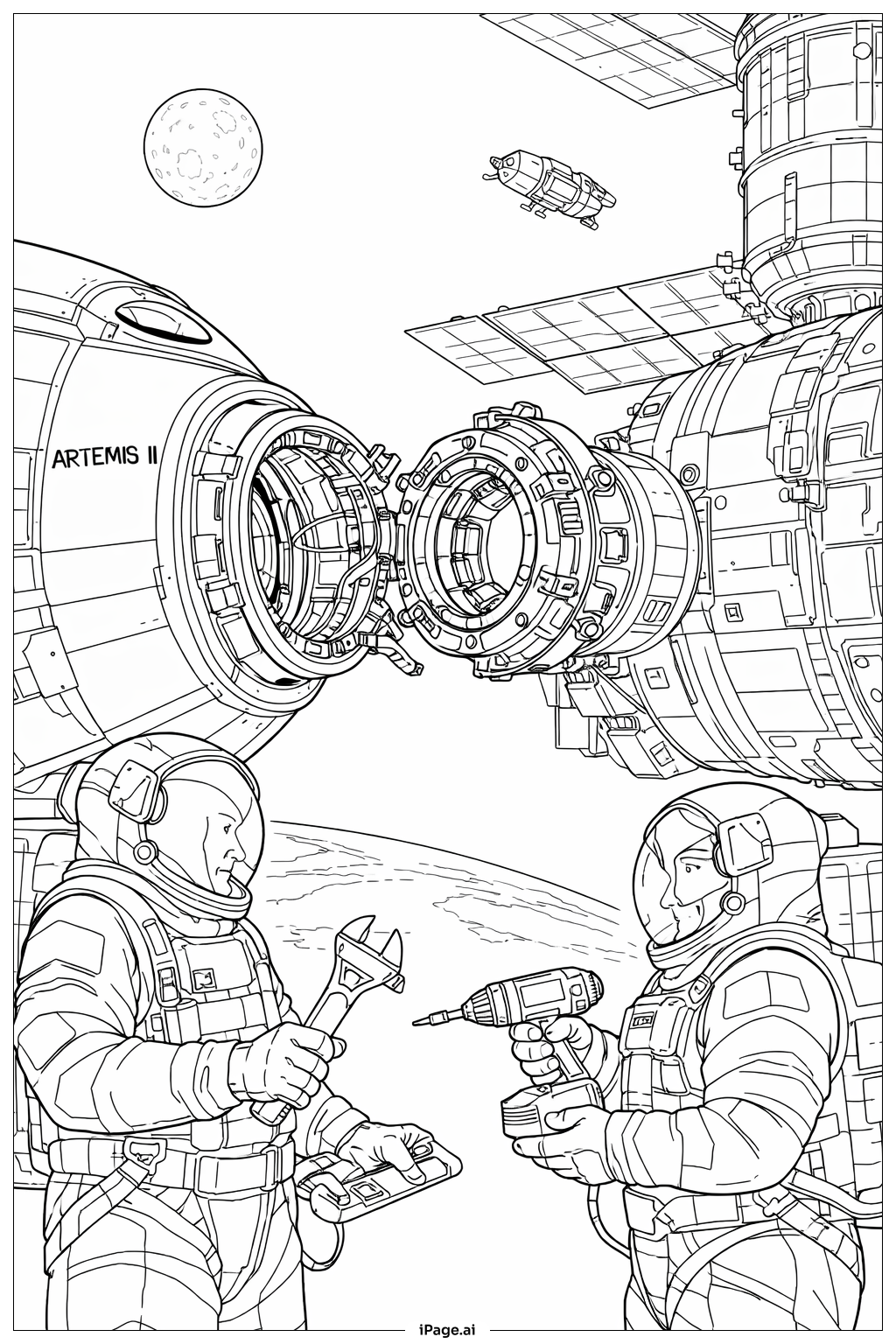
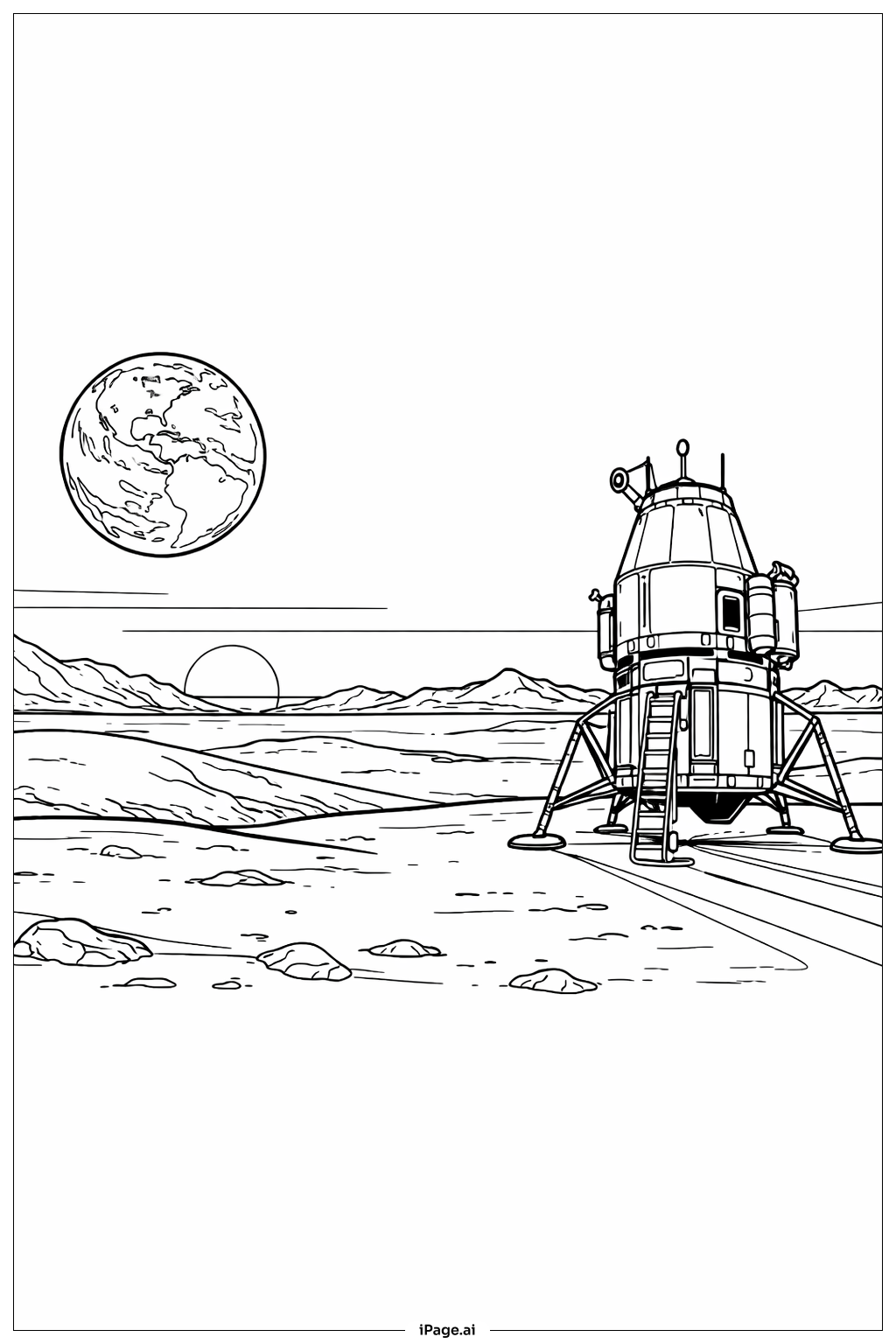
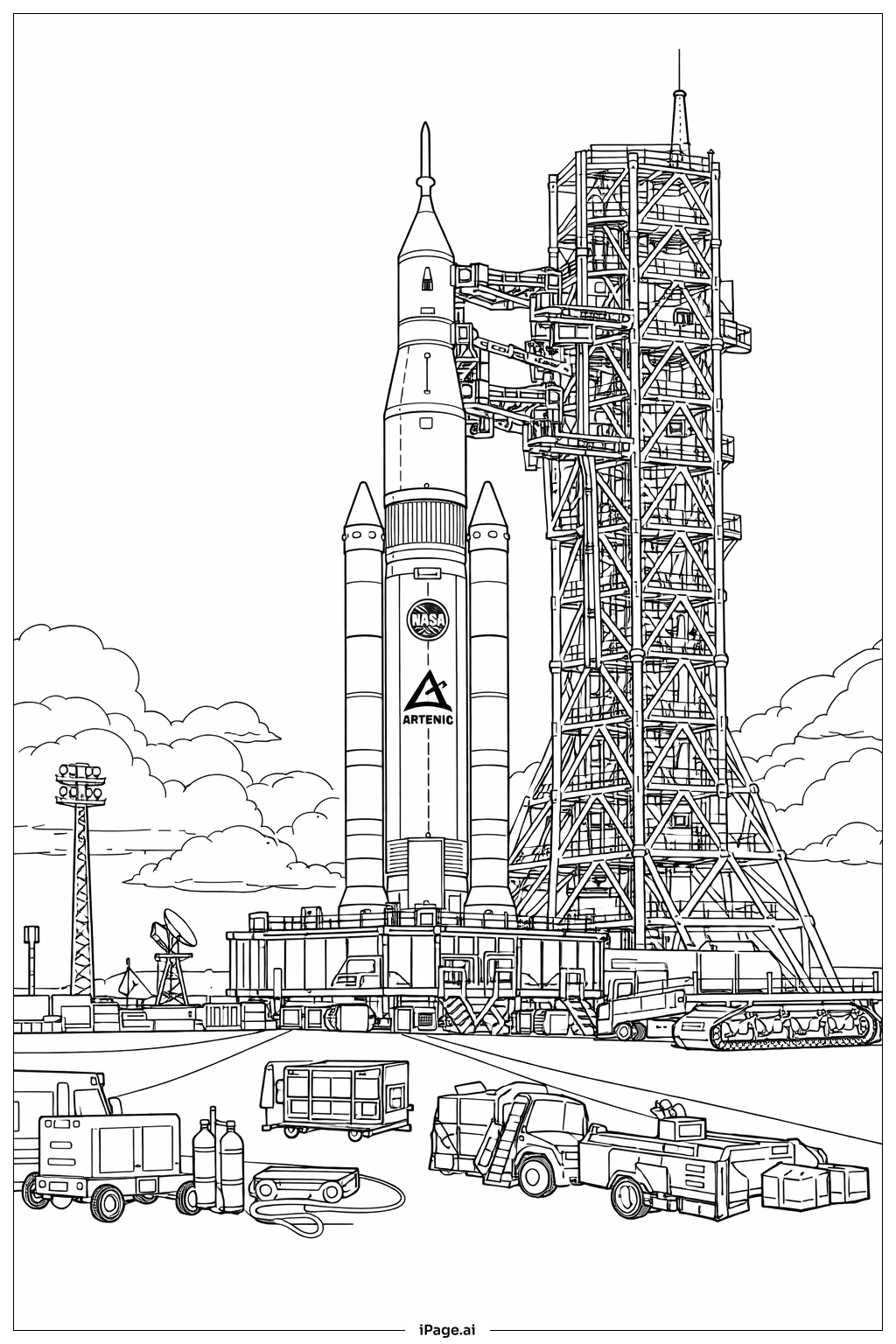
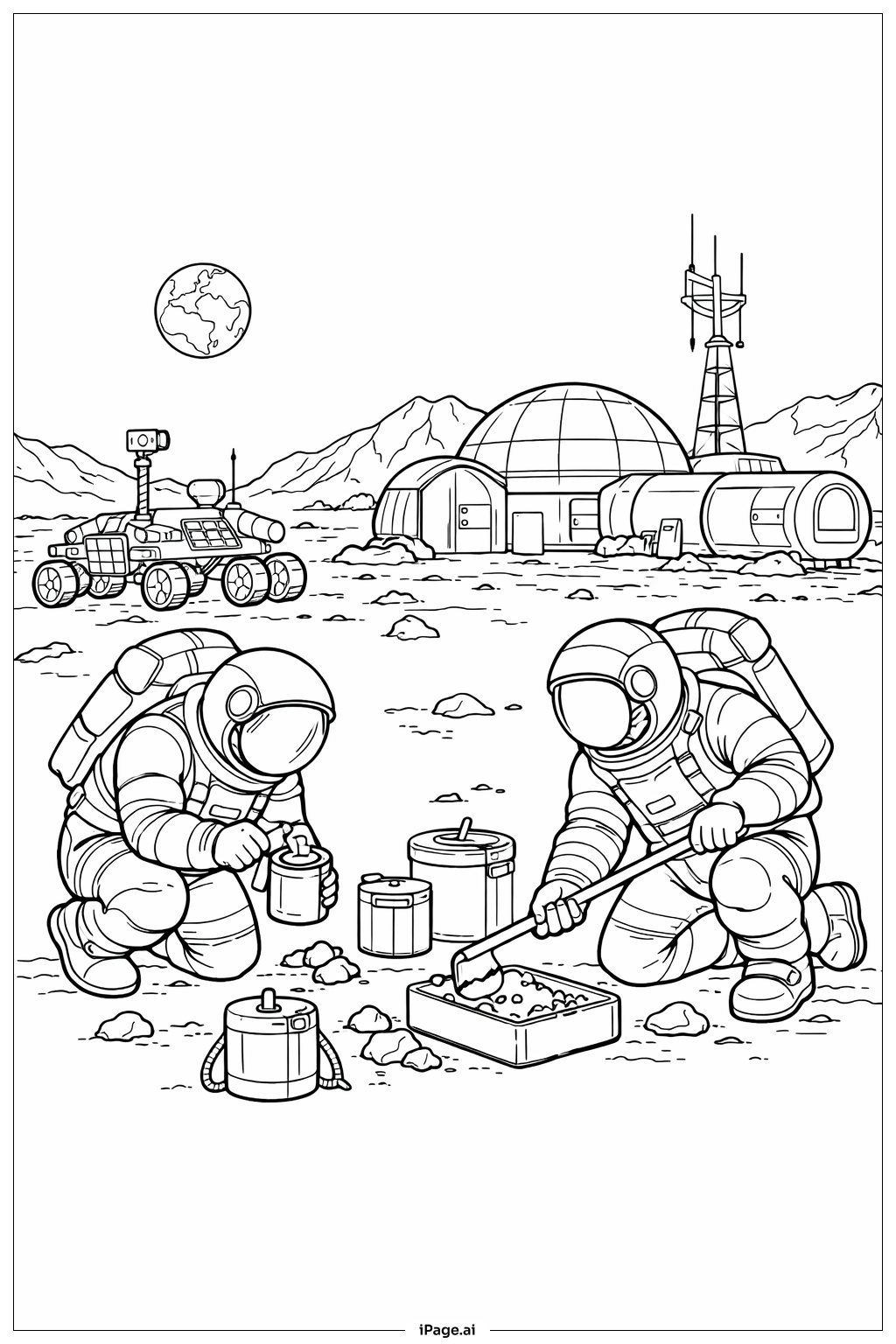
Start with the main body of the capsule. Use a warm silver or light gray for the outer hull panels to give it a metallic space vehicle look. The heat shield at the bottom can be colored in dark charcoal gray or burnt orange to show its protective material. Add small pops of white and pale yellow to the windows to suggest light reflecting off the glass. Use deep navy blue or black for the background to represent the darkness of outer space, and sprinkle tiny white dots as stars to complete the scene. For younger colorists, keeping the capsule body one solid color like silver or light blue works great. Older kids and adults can try shading the curved surfaces to give the capsule a three-dimensional rounded feel. Use lighter tones on one side and darker tones on the other to mimic how sunlight reflects in space. A few streaks of orange or red near the heat shield can make it look like the capsule is re-entering Earth's atmosphere. Have fun and make it your own!
Coloring challenges: Which parts are difficult to color and need attention for Artemis II Space Capsule coloring page?
• Complex Panel Details: The surface of the Artemis II Space Capsule is covered with many small panels, tiles, and structural lines. Staying inside each tiny section without going over the outlines takes patience and a sharp pencil or fine-tipped coloring tool. Rushing through these areas can make the finished piece look messy, so take your time with each panel.\n\n• Curved Surface Shading: The capsule has a rounded, cone-like shape. Creating the illusion of a three-dimensional curved surface using flat colors is tricky. You need to blend lighter and darker shades carefully across the hull to show how light falls on the rounded body. This is especially challenging for beginners who are not yet comfortable with shading and gradients.\n\n• Heat Shield Gradients: The broad heat shield at the base of the capsule is one of the most visually important parts of the image. Blending colors from dark charcoal to deep orange or red in a smooth, even gradient requires practice and control. Uneven transitions can make the shield look patchy rather than realistic.\n\n• Small Hardware Components: The capsule includes tiny exterior details like bolts, vents, sensor panels, and other hardware. These small elements are easy to accidentally color over or skip entirely. Using very fine-tipped tools and working slowly through these sections is important to preserve the detail.\n\n• Background Space Scene: Filling in the dark space background while keeping the capsule outline clean and crisp is a challenge. Applying dark navy or black right up to the edge of the spacecraft without smudging or bleeding into the capsule requires a steady hand and careful technique.
Benefits of coloring books: Advantages of drawing Artemis II Space Capsule coloring page
Coloring the Artemis II Space Capsule page offers a wonderful mix of fun and learning for kids and adults alike. As you fill in each section of the spacecraft, you naturally learn about the real Artemis II mission and NASA's exciting work to send astronauts beyond Earth. It sparks curiosity about space, science, and technology in a relaxed, creative way.\n\nFor younger children, working through the detailed lines of the capsule helps develop fine motor skills and hand-eye coordination. Choosing colors and deciding how to fill each section also builds decision-making confidence and encourages creative thinking.\n\nFor older kids and adults, the challenge of shading the curved hull and blending the heat shield colors provides a satisfying artistic workout. It trains patience, attention to detail, and color theory skills that carry over into other art projects.\n\nColoring is also a great stress reliever. Focusing on a single image for a period of time helps calm the mind and brings a sense of mindfulness, similar to meditation. Completing the page gives a real sense of accomplishment.\n\nSharing the finished artwork with friends or family is a great conversation starter about space exploration, inspiring the next generation of scientists, engineers, and astronauts. Overall, this coloring page is both an educational tool and a joyful creative experience.