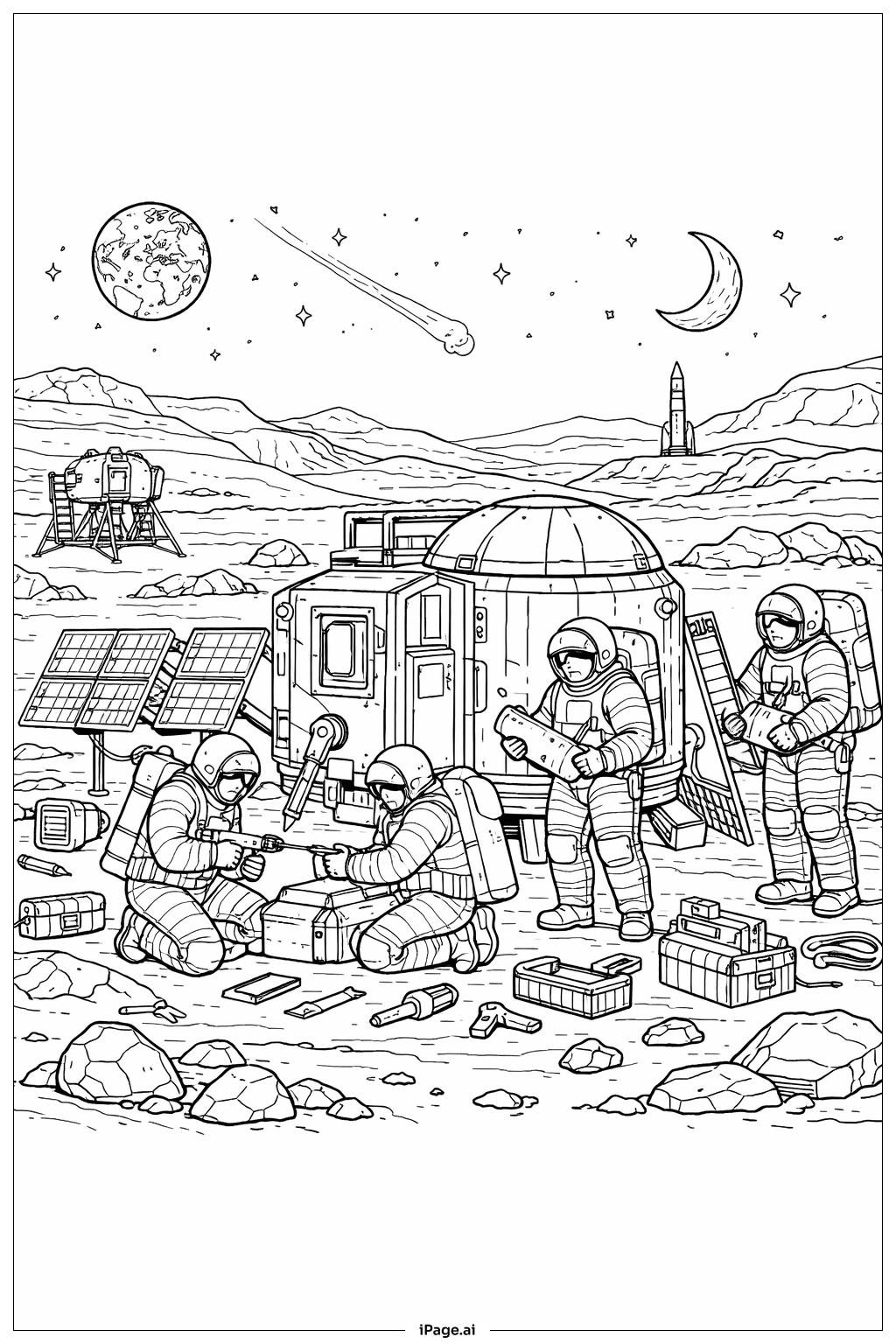
Coloring tips: How to color Artemis II Lunar Habitat Setup coloring page well?
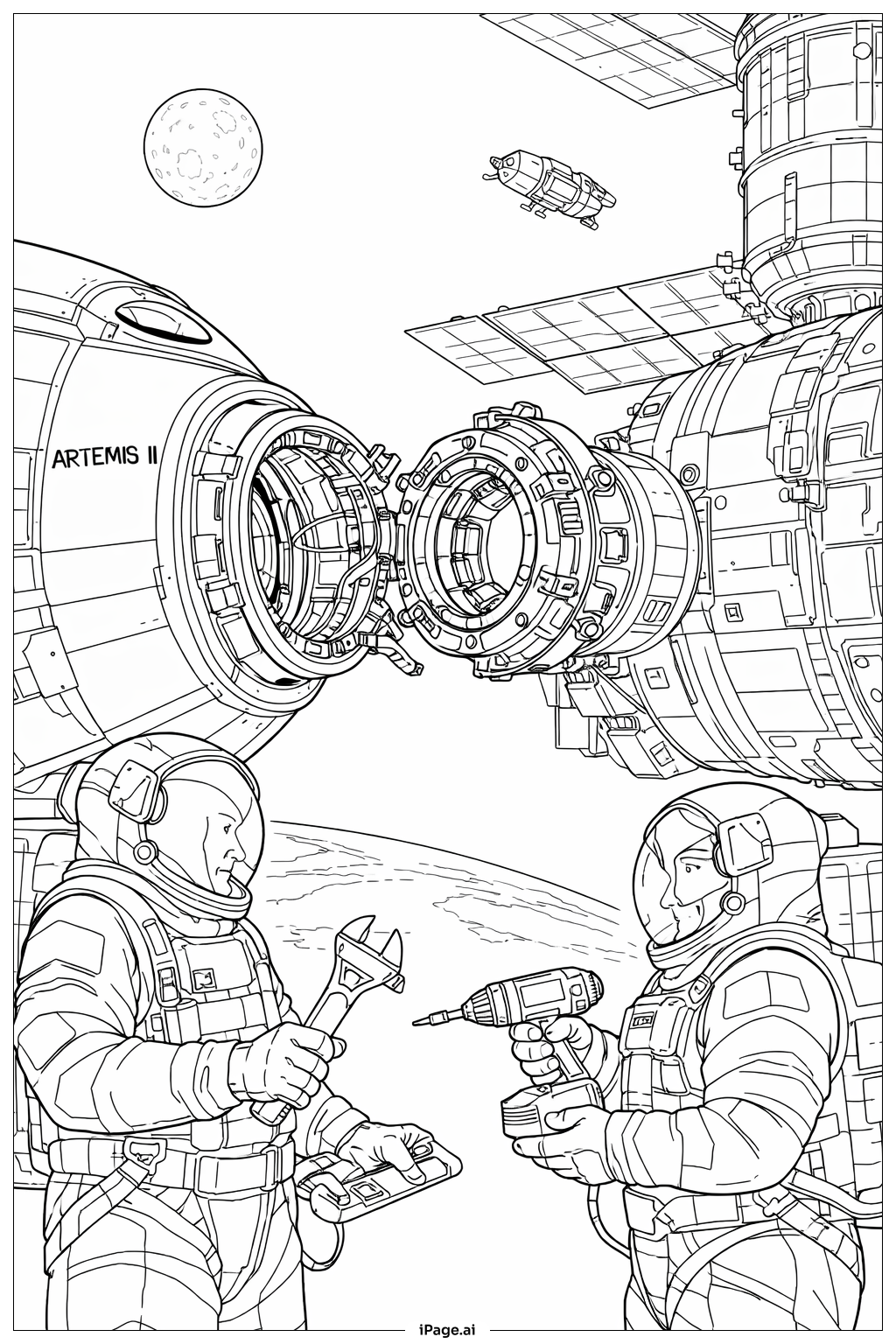
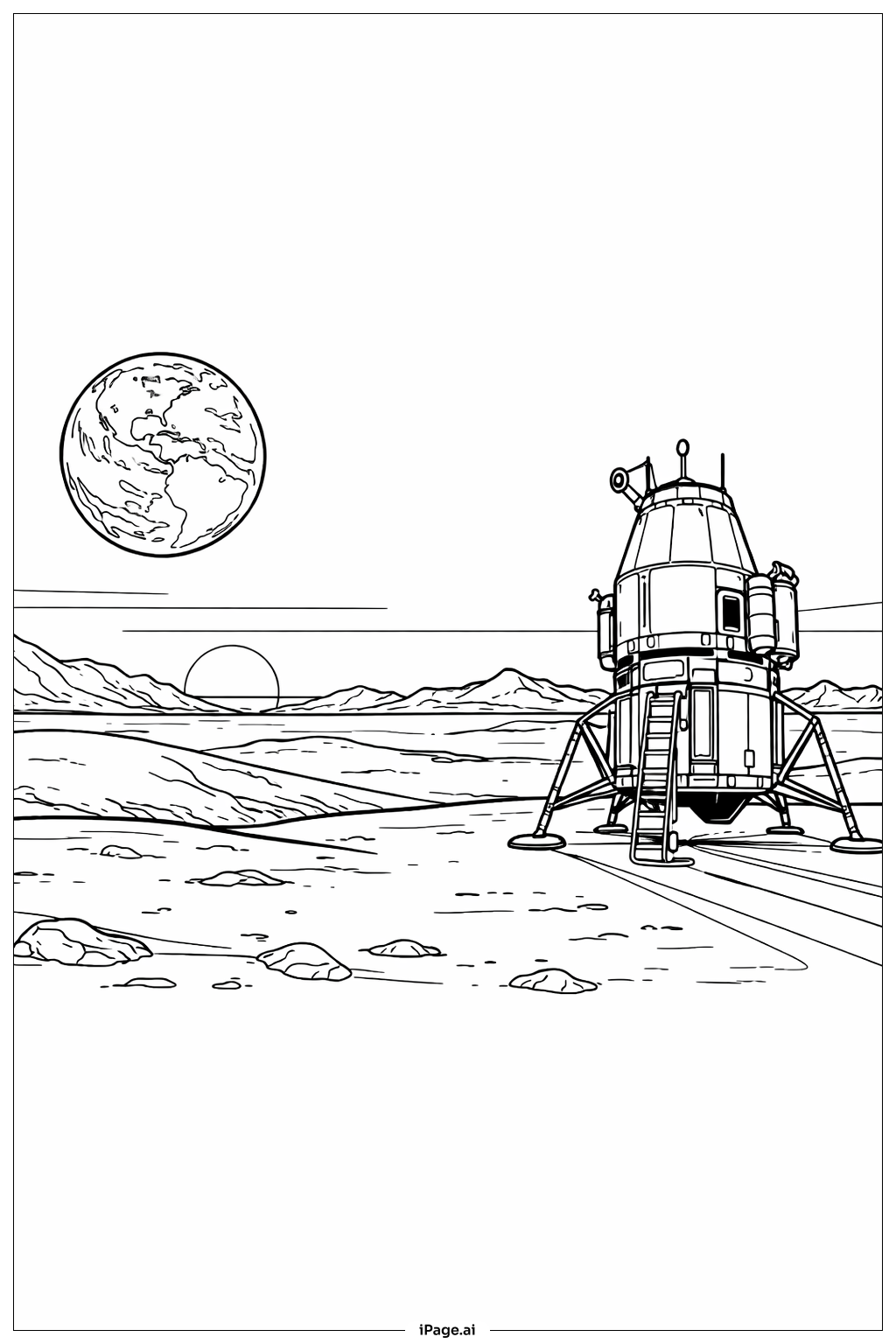
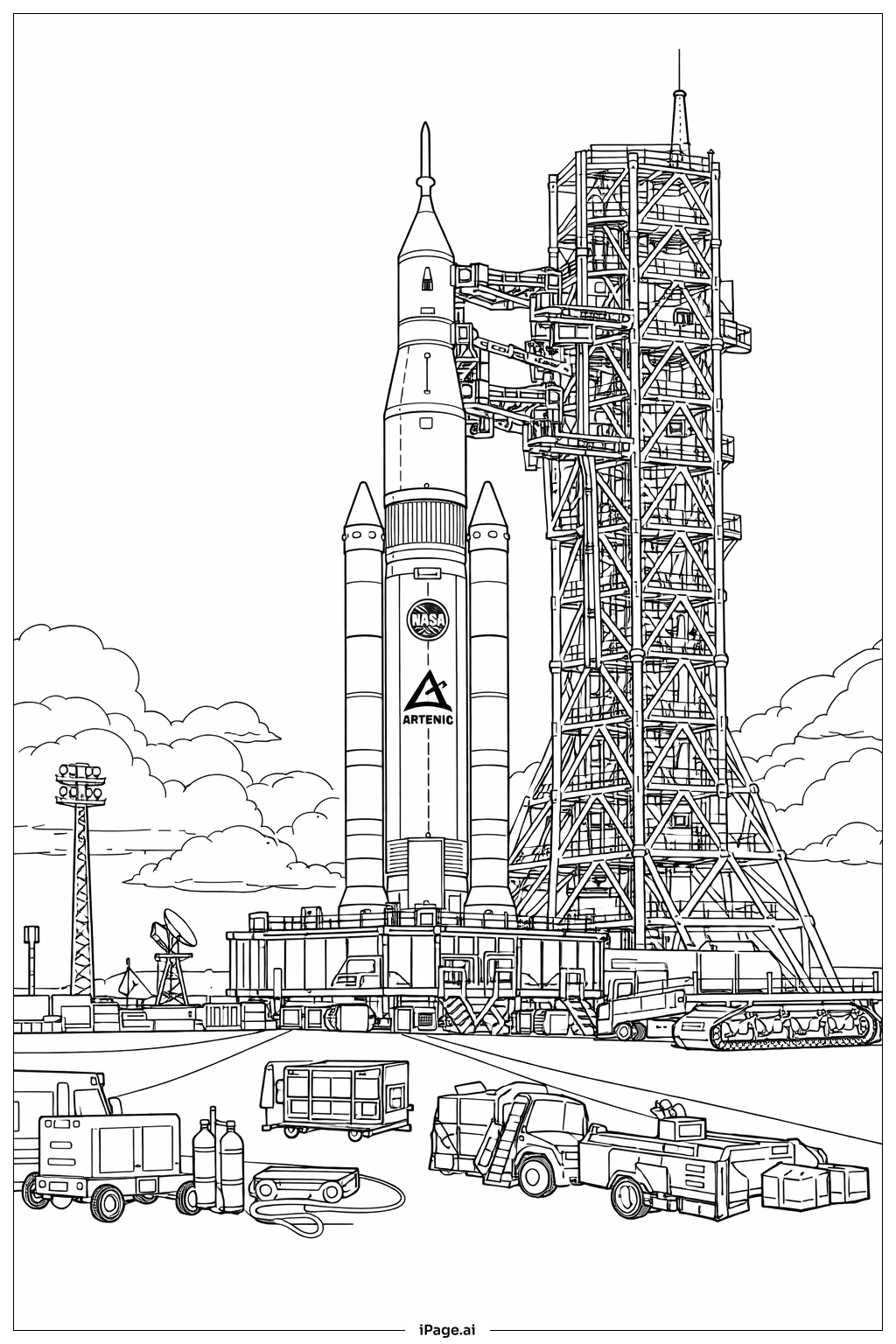
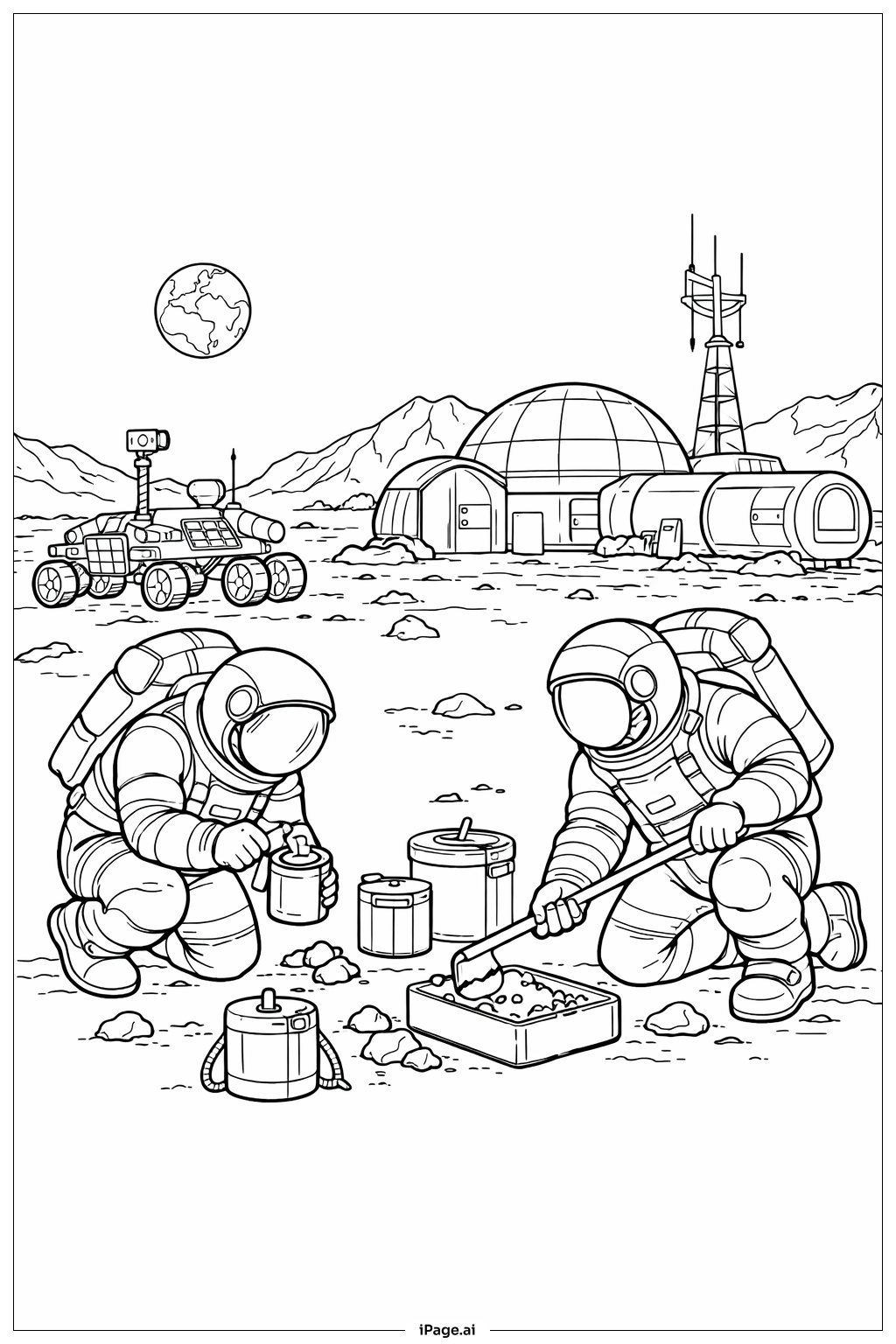
For the habitat module, use metallic silver and gray tones with white highlights to create a realistic spacecraft appearance. Color the astronauts' spacesuits bright white with accents of orange, red, or blue for NASA mission patches and stripes. The lunar surface works beautifully in various shades of gray, tan, and brown to show depth and texture in the craters and rocks. Make Earth a vibrant blue and green with white clouds to create contrast against the black space background. Add yellow and white stars scattered across the sky. Use darker grays and blacks for shadows to show the harsh lighting conditions on the Moon. Equipment and machinery can feature metallic colors like silver, copper, and steel blue to distinguish different components.
Coloring challenges: Which parts are difficult to color and need attention for Artemis II Lunar Habitat Setup coloring page?
• Spacesuit Details: The astronauts' spacesuits contain numerous small technical elements including visors, life support systems, joints, and patches that require careful coloring to maintain realism. Young colorists may find it challenging to stay within these intricate lines while creating the layered, three-dimensional appearance of the suit components.
• Habitat Module Panels: The cylindrical habitat structure features complex paneling with technical details, seams, hatches, and various surface textures. Achieving a metallic, industrial look requires thoughtful shading techniques and consistent color application across the curved surfaces to convey depth and dimension.
• Lunar Terrain Texture: The Moon's surface presents a challenge in creating realistic crater shadows, rock formations, and varying elevations. Colorists must use different pressure levels and color gradations to distinguish between sunlit areas and deep shadows, which is essential for capturing the stark lighting contrast found in airless environments.
• Earth in Space Background: Rendering Earth realistically requires blending blues, greens, browns, and whites for continents, oceans, and cloud formations while maintaining a spherical appearance. The surrounding space needs careful attention to create depth with varying star sizes and intensities without overwhelming the main scene.
• Equipment and Machinery: The various technical components, support structures, and scientific instruments surrounding the habitat contain small mechanical details that demand precision coloring to differentiate individual pieces and maintain visual clarity throughout the complex scene.
Benefits of coloring books: Advantages of drawing Artemis II Lunar Habitat Setup coloring page
Coloring this Artemis II lunar habitat scene provides excellent educational value by introducing children to space exploration, engineering, and science concepts. It encourages curiosity about NASA missions and humanity's future on the Moon. The intricate technical details help develop fine motor skills and hand-eye coordination as children carefully color within complex shapes and small spaces. The scene promotes patience and concentration while working on the numerous elements. Children learn about color theory by experimenting with metallic tones, shadows, and highlights to create realistic space equipment. The image sparks imagination about space travel and STEM careers, potentially inspiring future scientists and engineers. Completing this detailed coloring page builds confidence and provides a sense of accomplishment. It also offers opportunities for family discussion about lunar exploration, teamwork, and technological innovation while enjoying a relaxing creative activity together.