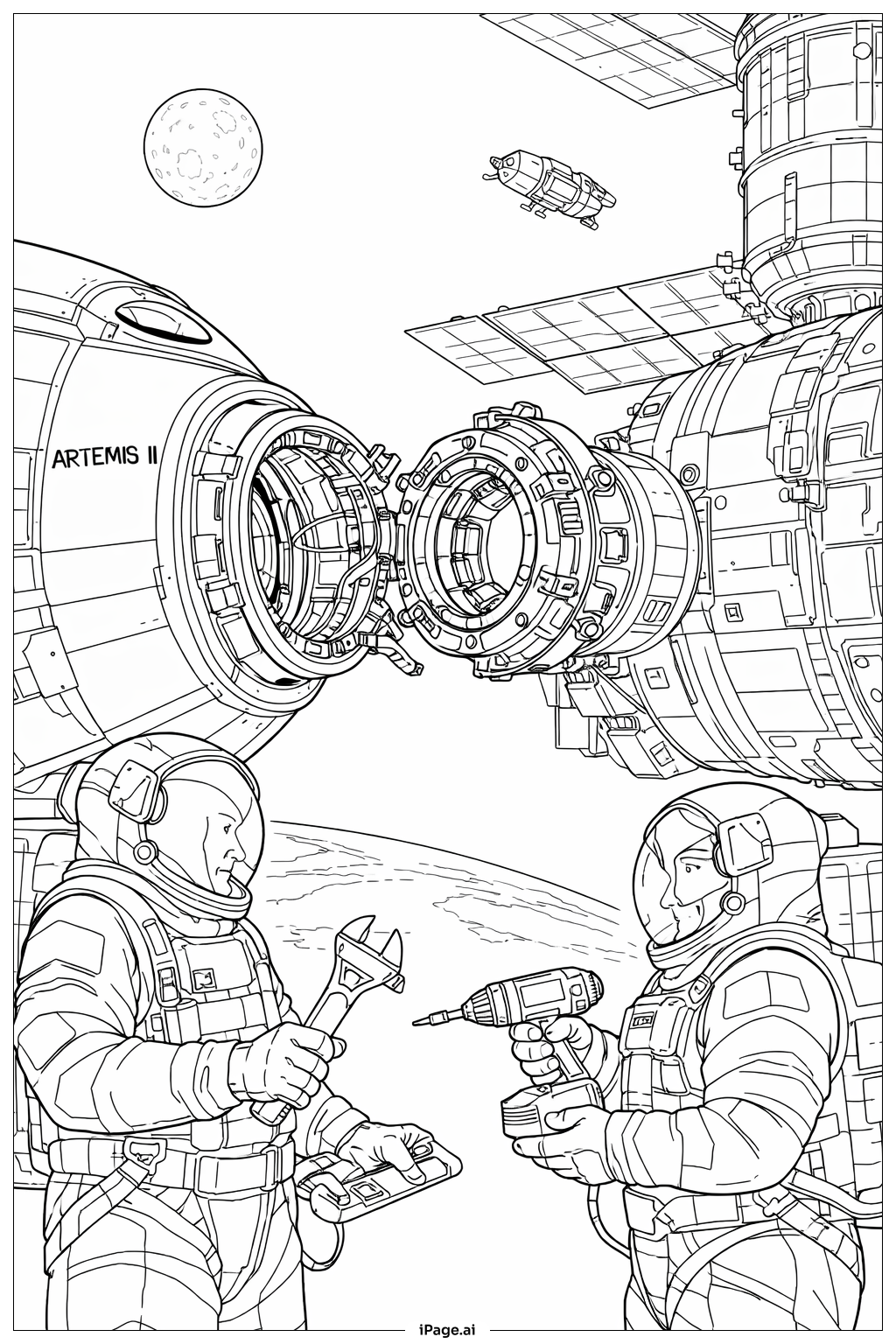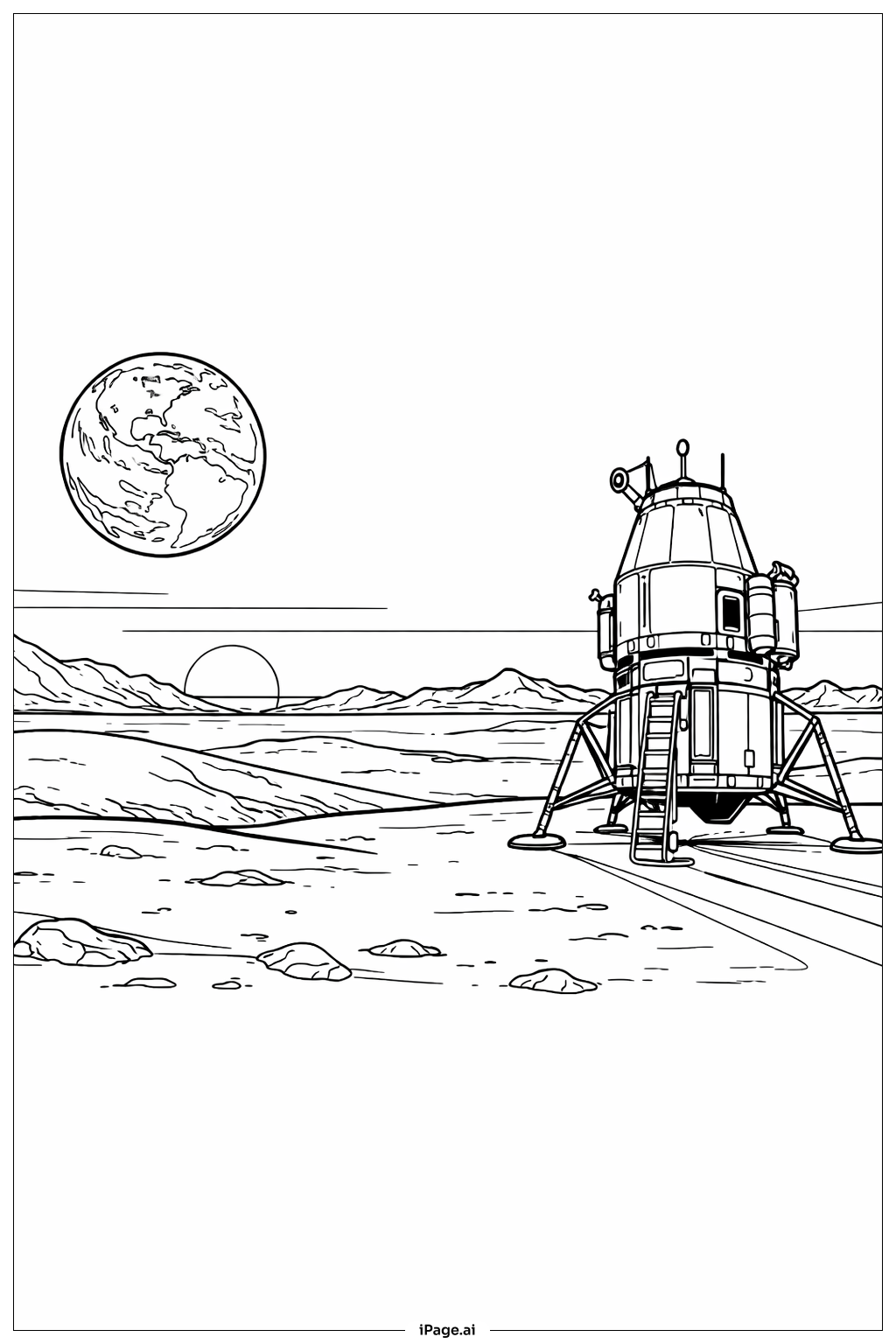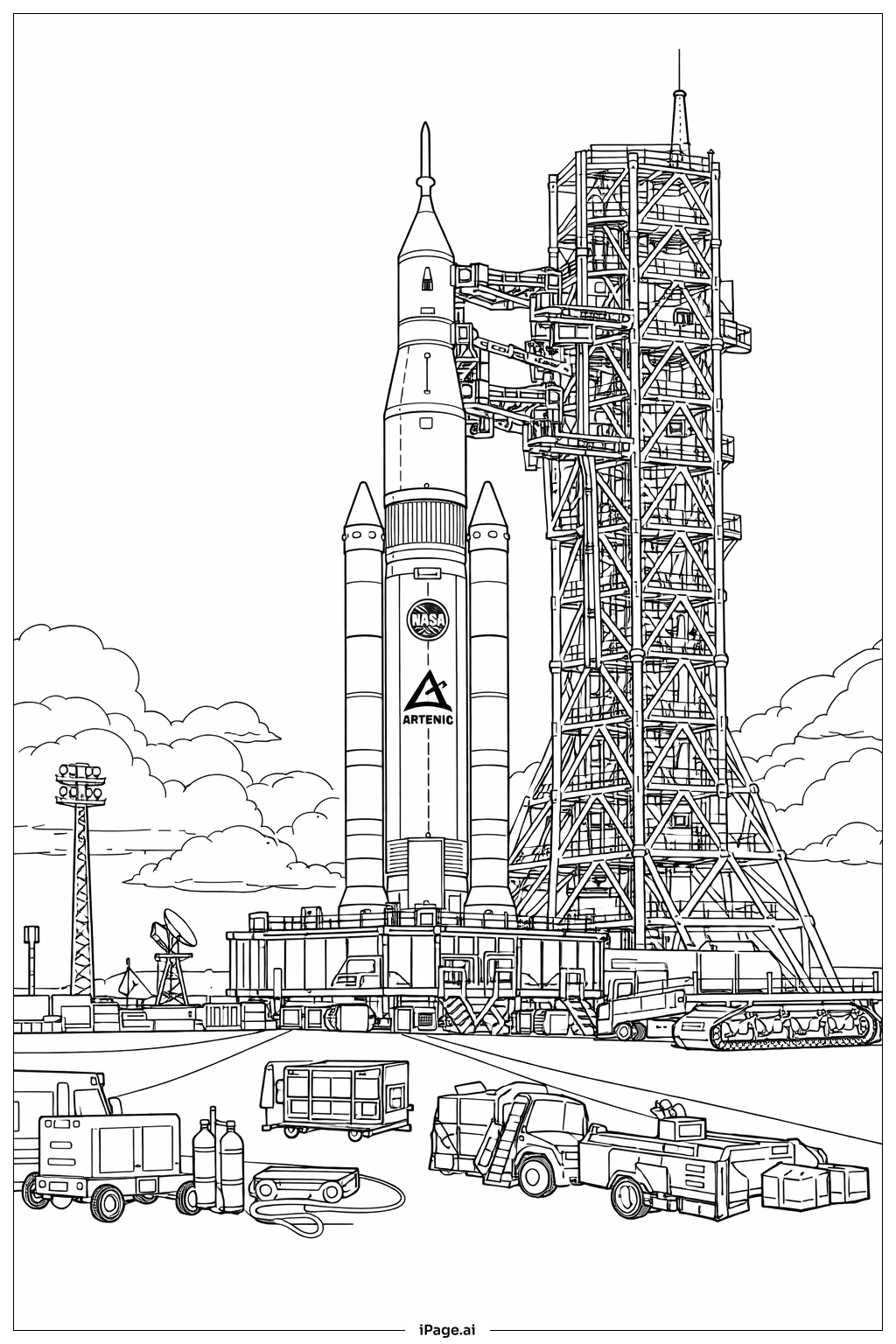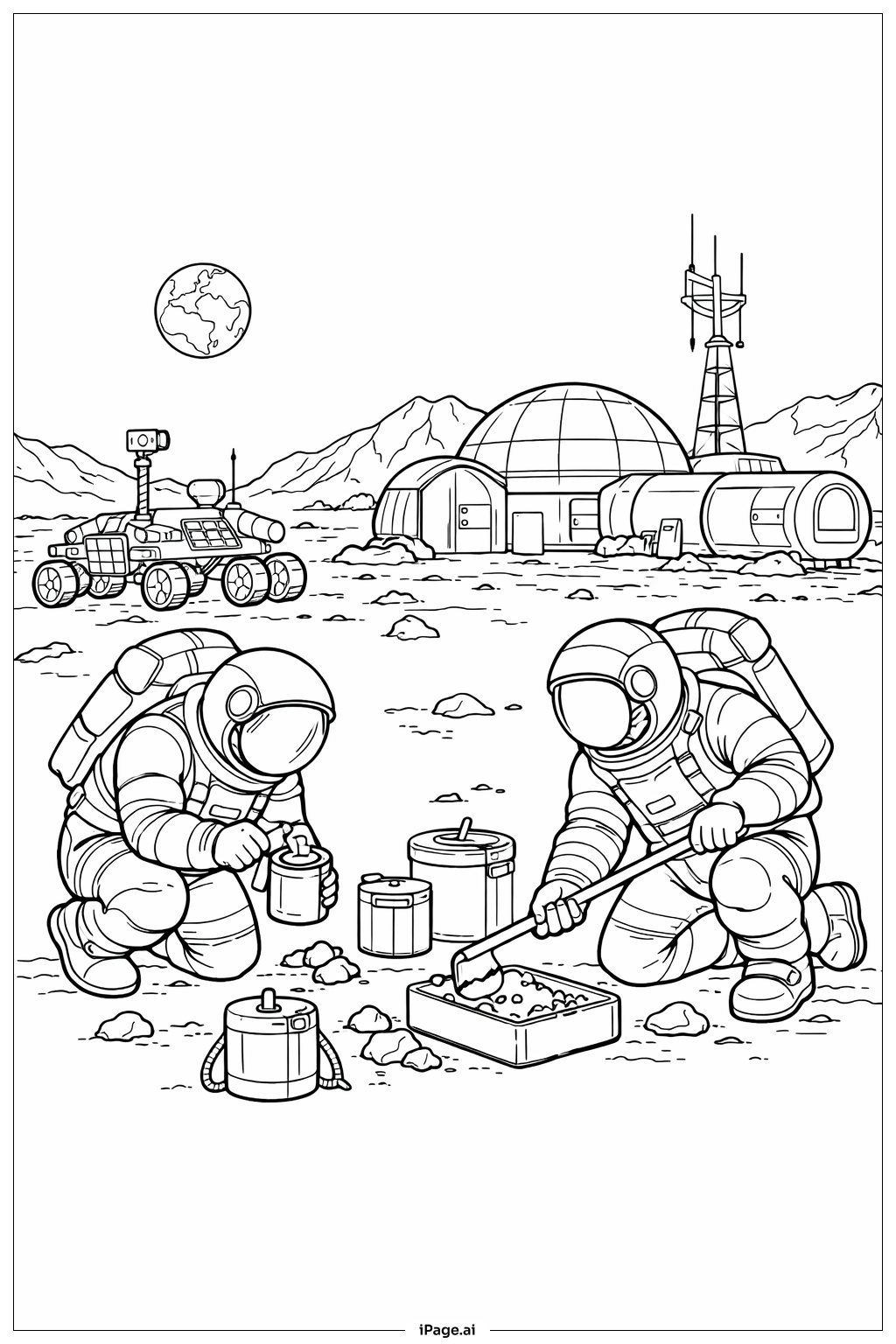
Coloring tips: How to color Artemis II Floating Astronaut coloring page well?
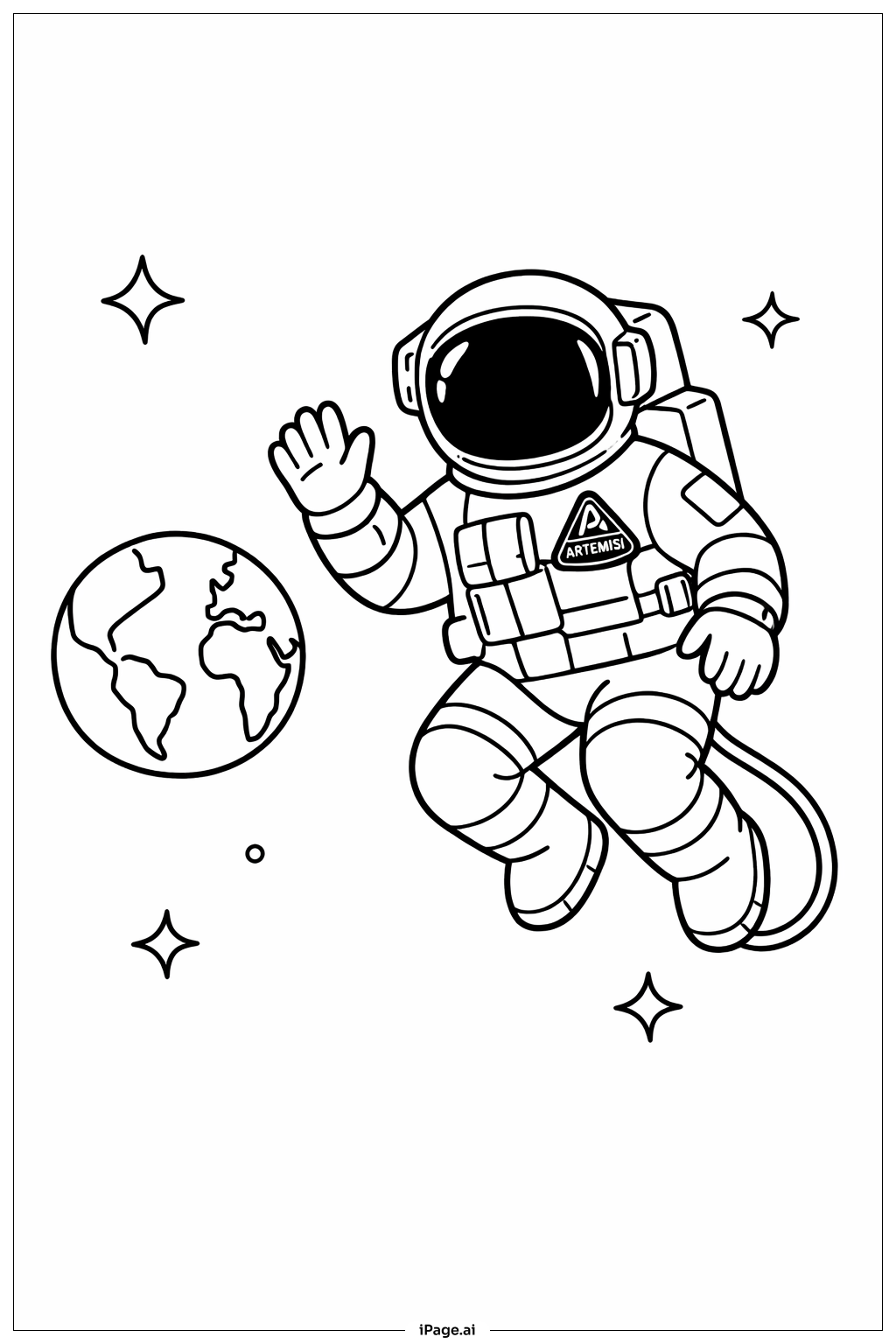
Use bright white and shades of gray to color the astronaut's suit to keep it realistic. The helmet's visor can be colored black or dark gray with some white highlights to show reflection. Earth should be colored with blue for oceans, green and brown for land, and white for clouds. The stars can be yellow or light blue to make them stand out. Use darker colors for the background if added later to help the astronaut and Earth pop in the picture.
Coloring challenges: Which parts are difficult to color and need attention for Artemis II Floating Astronaut coloring page?
1. The astronaut’s suit has many small parts like gloves, straps, and tubing that need careful coloring to keep neat. 2. Coloring the Earth requires attention to detail to show the shapes of land and oceans clearly. 3. The visor on the helmet should be colored carefully to show reflection without losing shape. 4. Making the stars shining brightly while keeping the shapes clean can be tricky. 5. Keeping the spacesuit colors realistic and not too plain or too colorful requires balance.
Benefits of coloring books: Advantages of drawing Artemis II Floating Astronaut coloring page
Coloring this picture helps kids learn about space and astronauts. It improves focus and fine motor skills by working on small details in the suit and Earth. The friendly astronaut encourages imagination and interest in science and space missions. Coloring stars and the planet allows children to practice using different colors and creating beautiful contrasts. This activity also teaches patience and attention to detail, which are helpful for many learning areas.