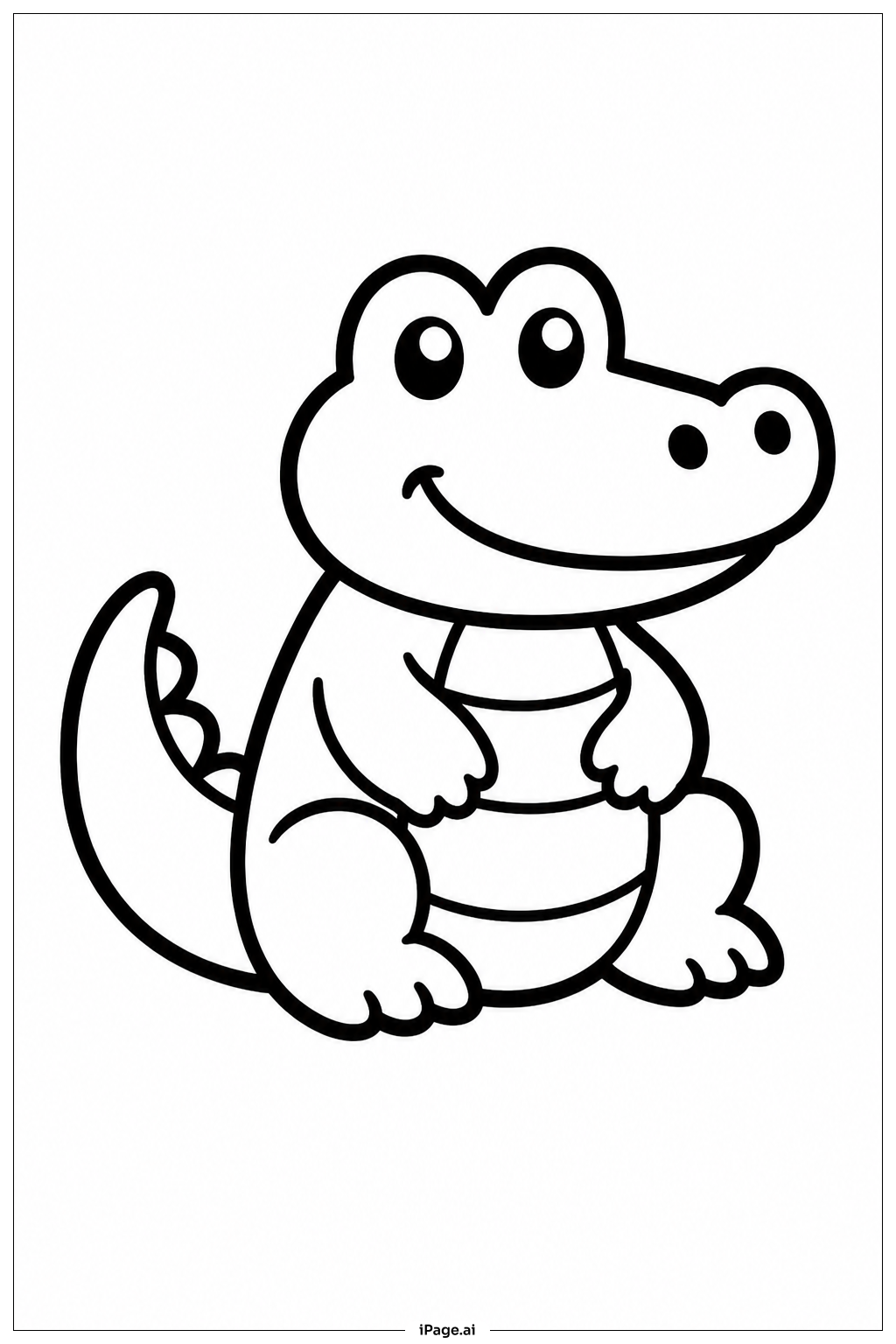
Coloring tips: How to color Sitting Alligator coloring page well?
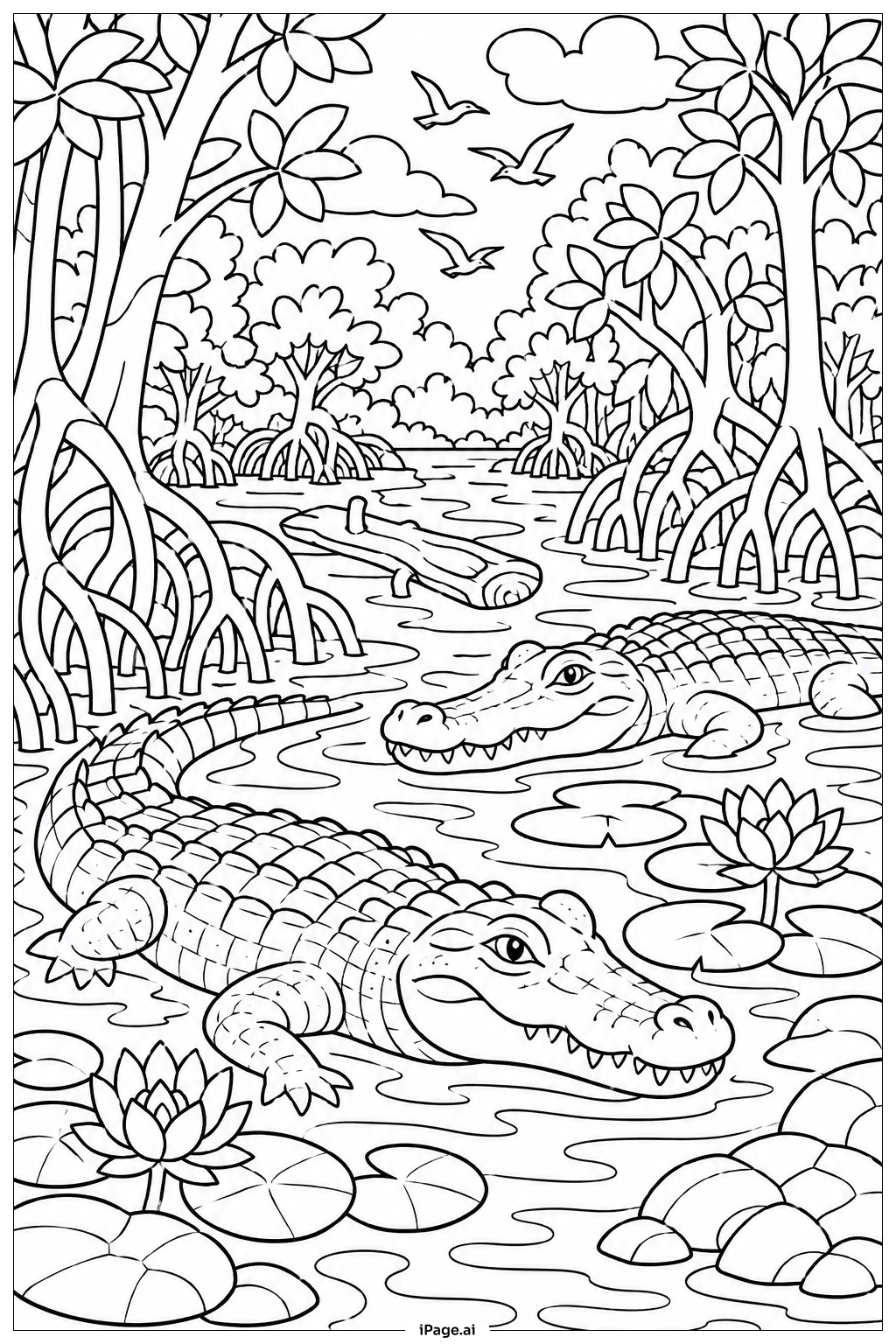
For coloring this Sitting Alligator, you can start with shades of green to represent its natural skin. Use deep forest green for the larger body areas and lighter green or yellow-green tones for the belly and under parts to show contrast. Adding touches of brown or gray can create a more realistic look. The ridges and scales can be highlighted with slightly darker colors to show the texture. Use a soft blue or light green background to mimic a swamp or river environment. Remember to color the claws a dark gray or black. Feel free to add imaginative touches like colorful patterns or backgrounds to make your artwork unique and fun.
Coloring challenges: Which parts are difficult to color and need attention for Sitting Alligator coloring page?
• Texture and Detail: The alligator’s skin is filled with many small scales and bumps, which can be tricky to color evenly. It requires careful attention to stay inside the lines while varying colors to show depth.
• Shadows and Highlights: Because the alligator is sitting, parts of its body overlap, creating shadows. Coloring these areas to look natural means blending darker and lighter tones skillfully.
• Claws and Face Features: The claws and facial details like the eyes and snout are small but important. Coloring them with precision can be challenging for younger children.
• Tail and Body Curves: The tail curves behind the body, so capturing the three-dimensional shape needs some shading and thoughtful color transitions.
• Maintaining Realism vs Creativity: Balancing natural colors with creative choices might be difficult. Some may want to color it realistically, others more imaginatively, requiring different techniques and color selections.
Benefits of coloring books: Advantages of drawing Sitting Alligator coloring page
Coloring this Sitting Alligator image helps develop fine motor skills by practicing controlling coloring inside detailed shapes. It also encourages observation skills as children study the texture patterns and shading needed to create a realistic effect. Learning to use different shades for shadows and highlights builds an understanding of light and form. Additionally, coloring animals like alligators sparks curiosity about wildlife and nature. For older kids, it offers a chance to experiment with blending and layering colors. Overall, it is an enjoyable way to build creativity, patience, and focus while having fun learning about this remarkable reptile.