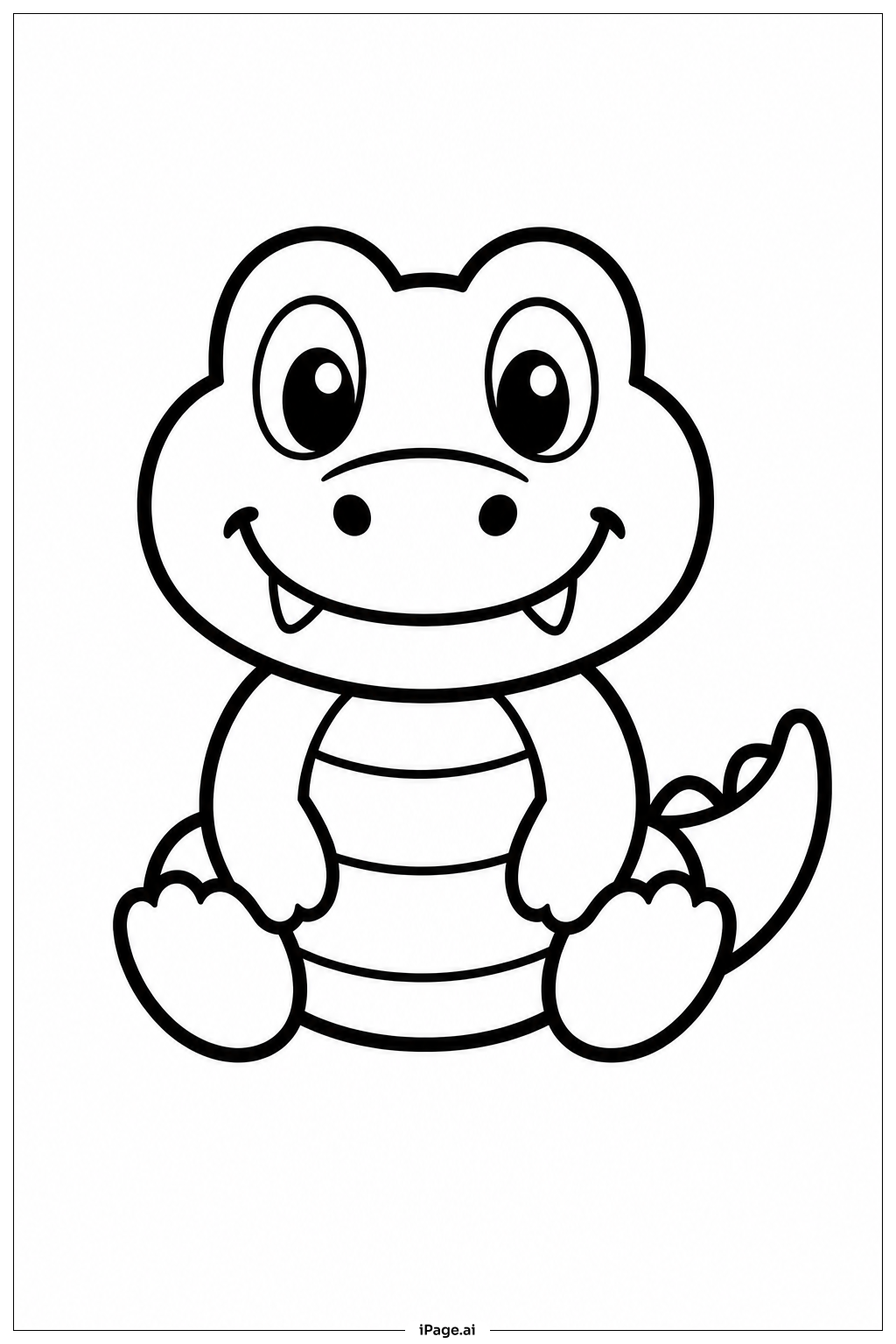
Coloring tips: How to color Baby Alligator coloring page well?
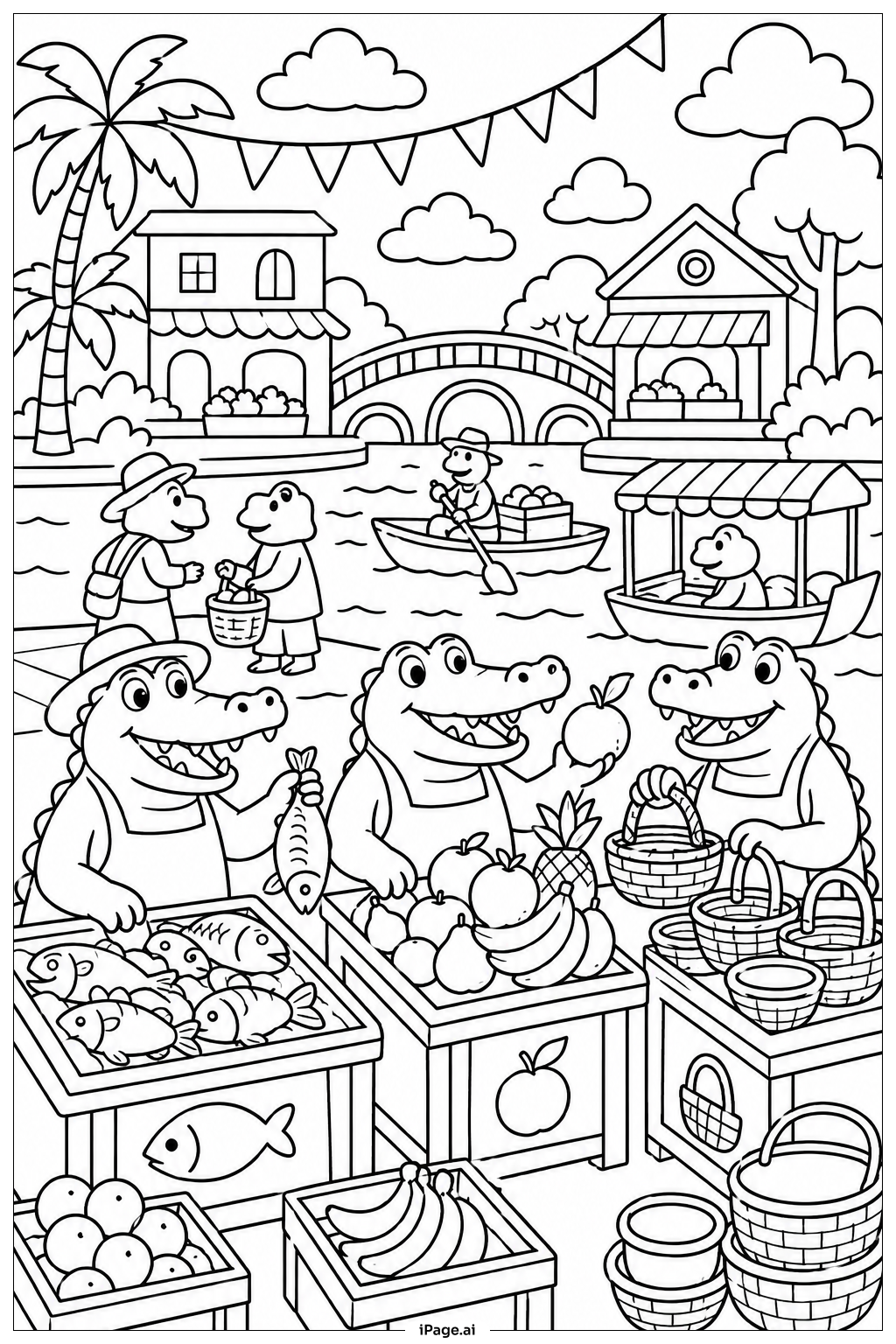
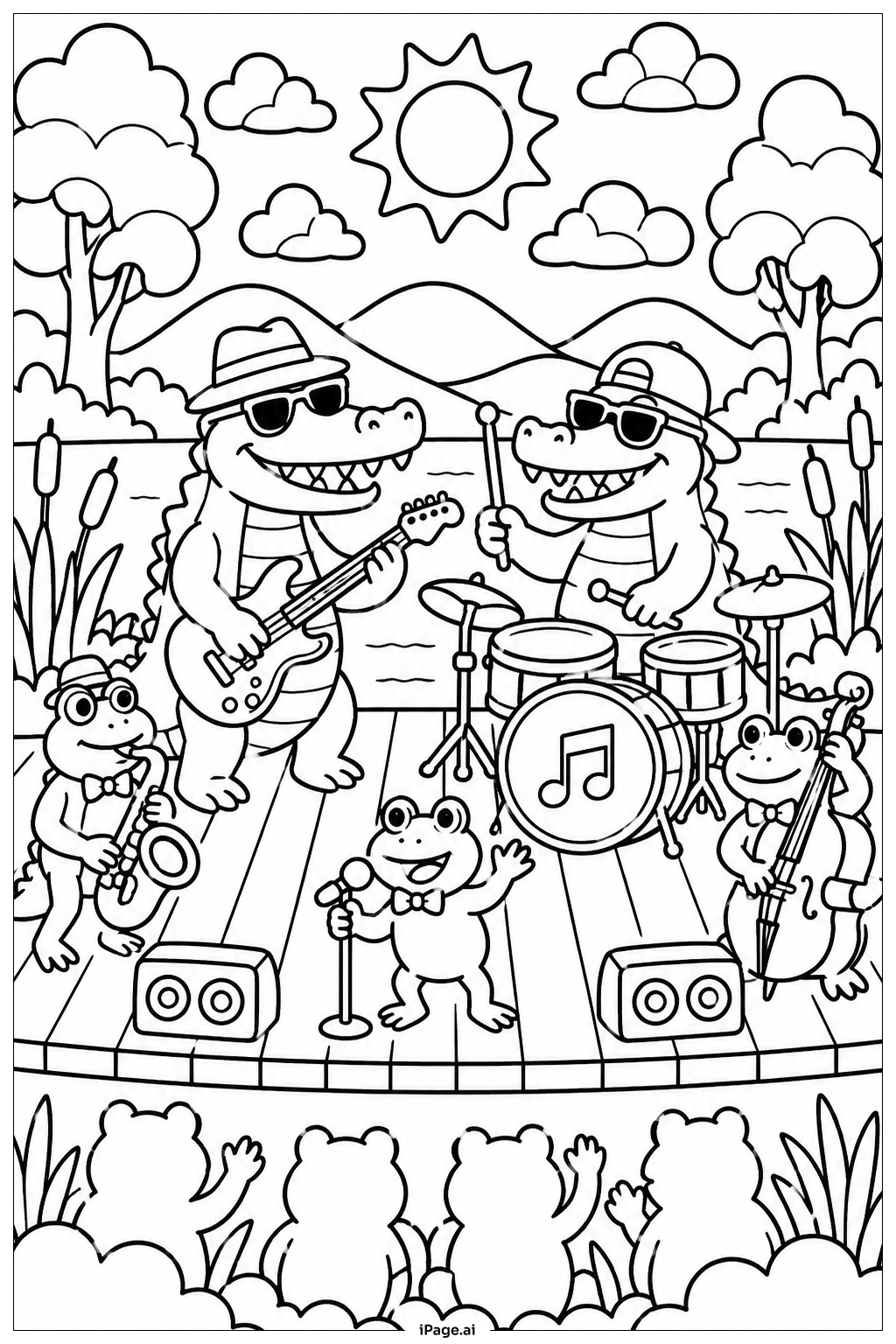
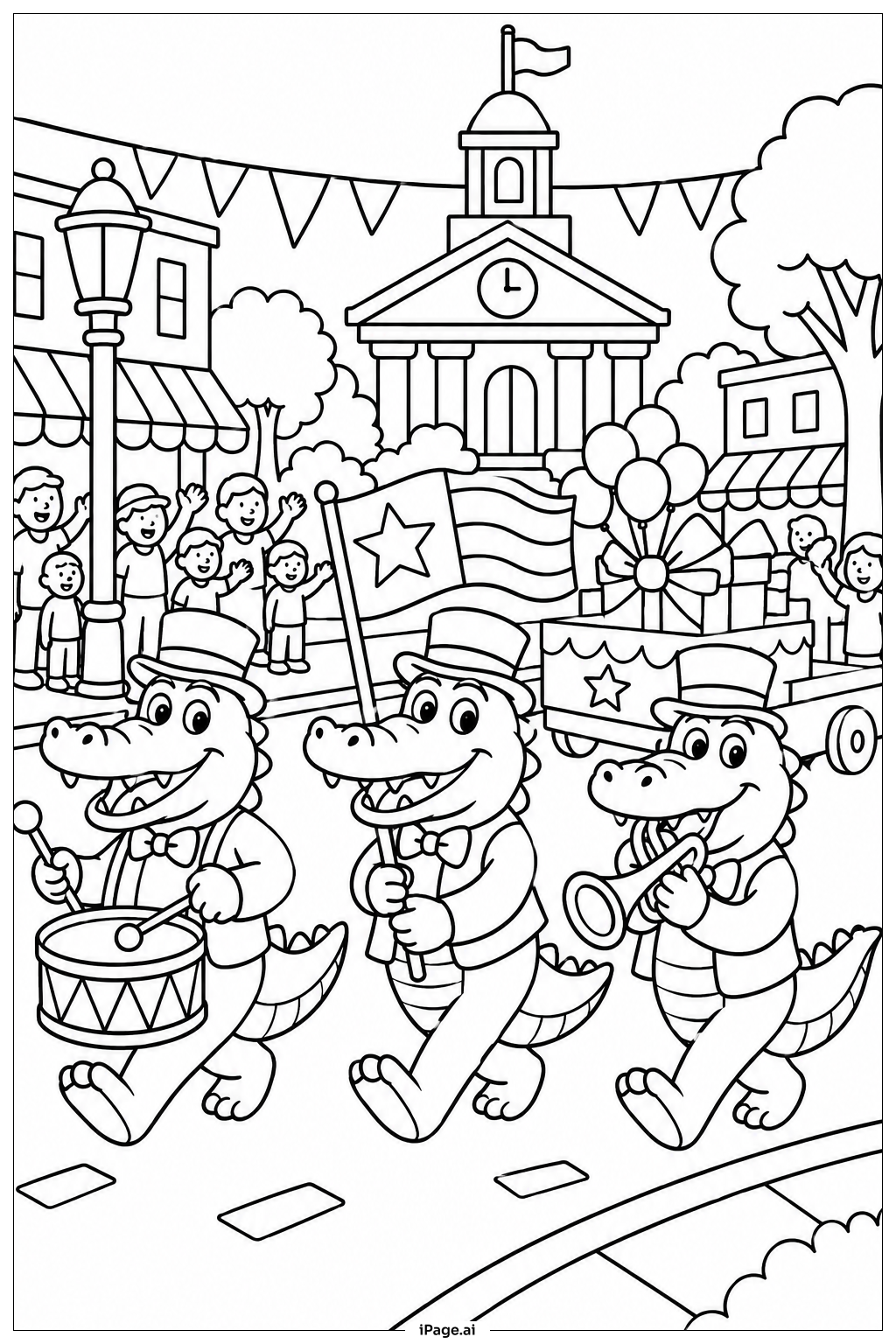
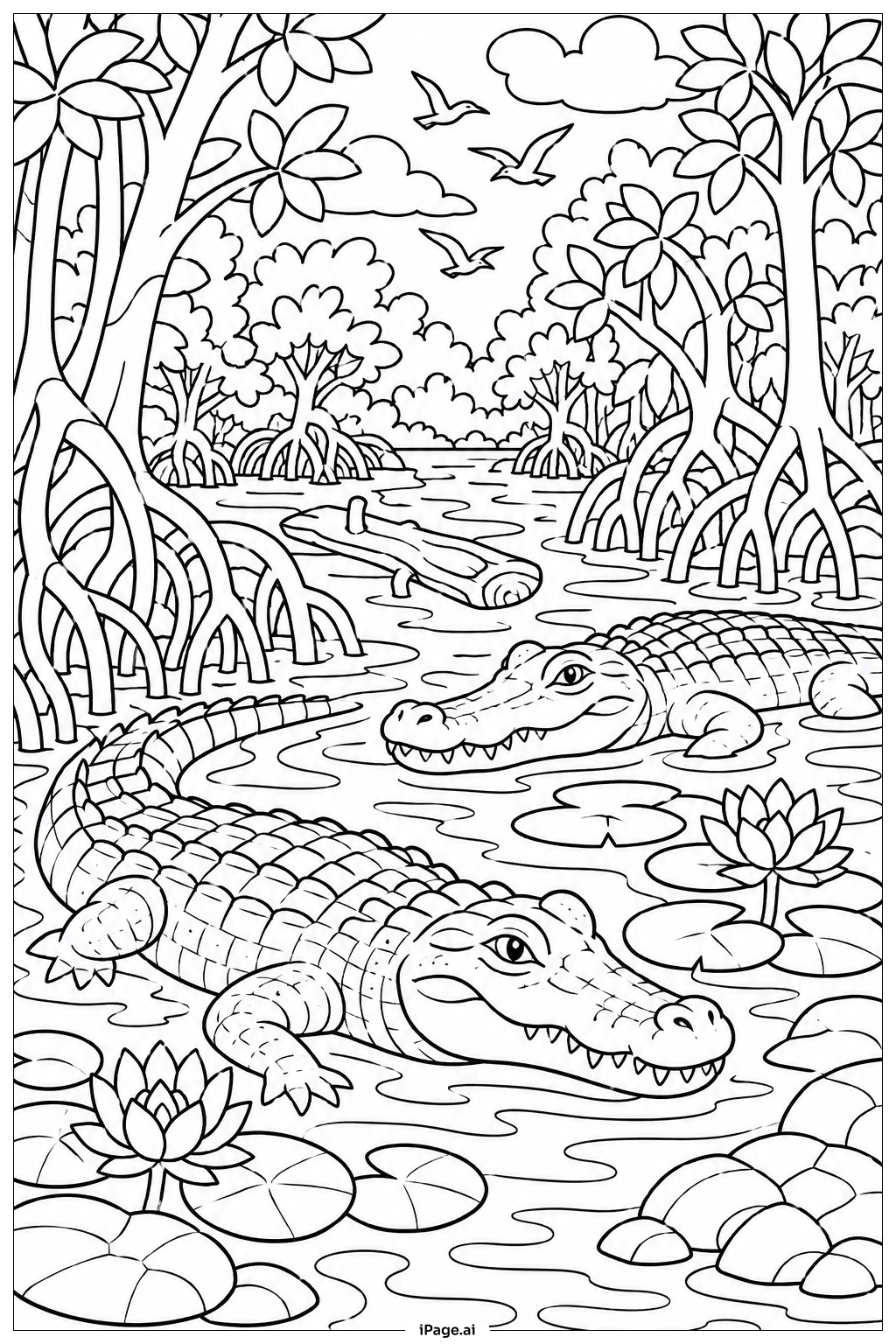
For this Baby Alligator image, try using different shades of green for the alligator’s skin to make it look lively. You can blend lighter greens on the belly and darker greens on the back for a natural look. Use yellow or pale cream for the underbelly to add contrast. The eyes can be colored bright with touches of white to create a shiny effect. The grass around can be various shades of green and brown, while the rocks might look better with gray or soft beige tones. Feel free to add some blue or light colors to the background to create a sunny outdoor scene. Keep your colors smooth and gentle to highlight the baby alligator’s softness.
Coloring challenges: Which parts are difficult to color and need attention for Baby Alligator coloring page?
• Scale Details: Coloring the small scales on the baby alligator’s body needs careful attention to avoid overlapping colors. Take your time to color inside each small scale using fine strokes.
• Shading the Belly: The underbelly area should look softer with smooth color transitions. Achieving a gentle gradient between light and dark tones can be tricky.
• Eyes and Expression: Capturing the friendly, curious look in the baby alligator’s eyes requires precise use of white highlights and darker pupils.
• Claws and Feet: The tiny claws and legs are small and require delicate coloring to maintain clarity without smudging.
• Background Elements: Coloring the grass and rocks with natural, varied colors can be challenging. Avoid coloring them all one flat shade; instead, use multiple tones to add depth and realism.
Benefits of coloring books: Advantages of drawing Baby Alligator coloring page
Coloring this Baby Alligator can help develop fine motor skills in young artists by encouraging careful and detailed coloring, especially around the scales and small features. It promotes creativity as children choose color combinations and experiment with shading to bring the image to life. The friendly nature of the alligator in the picture can also help reduce any fears or misconceptions about reptiles, fostering curiosity and appreciation for wildlife. Additionally, completing this coloring page can build patience and concentration, important skills for children aged 4–16. It’s a fun and educational way to connect with nature through art.