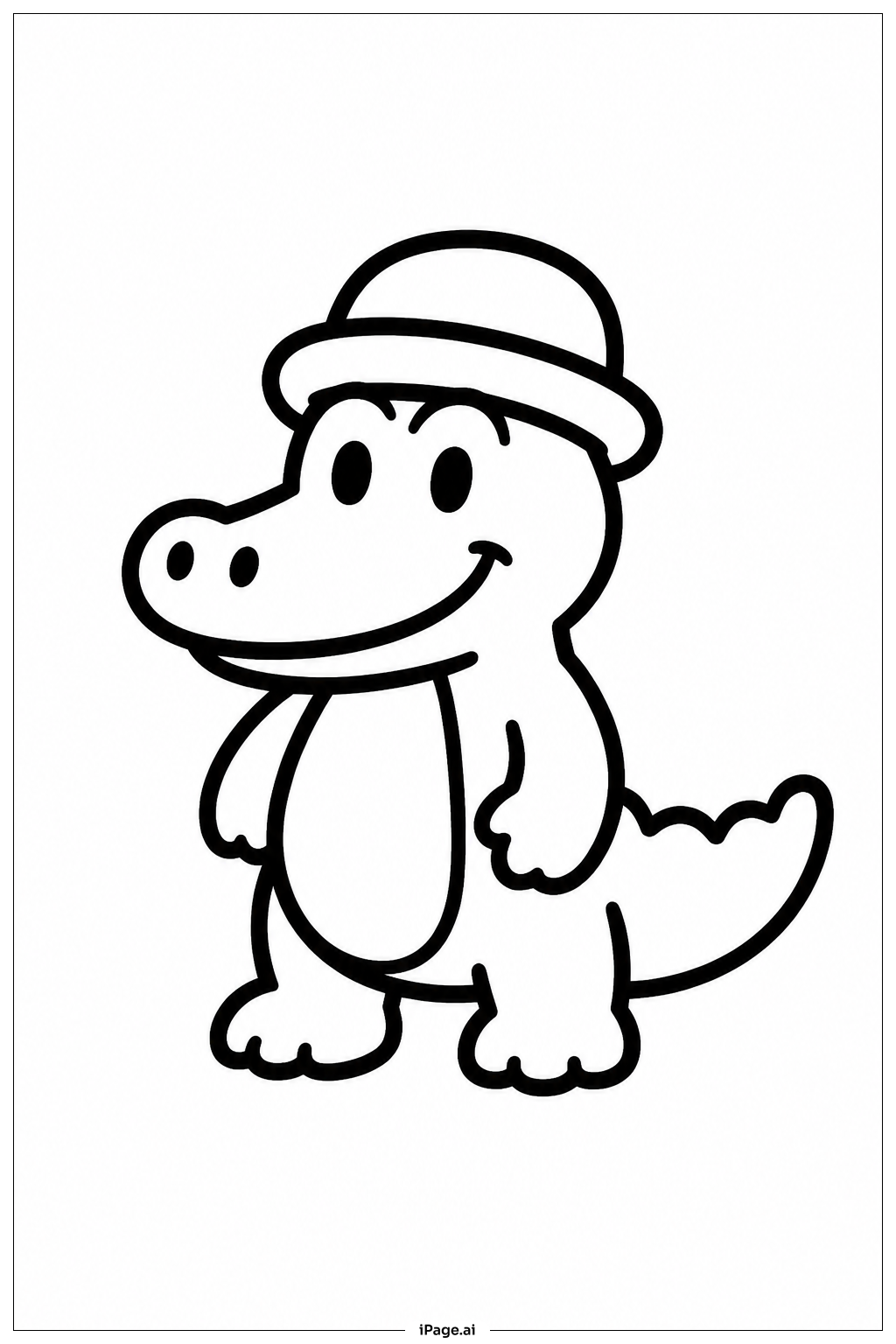
Coloring tips: How to color Alligator Wearing Hat coloring page well?
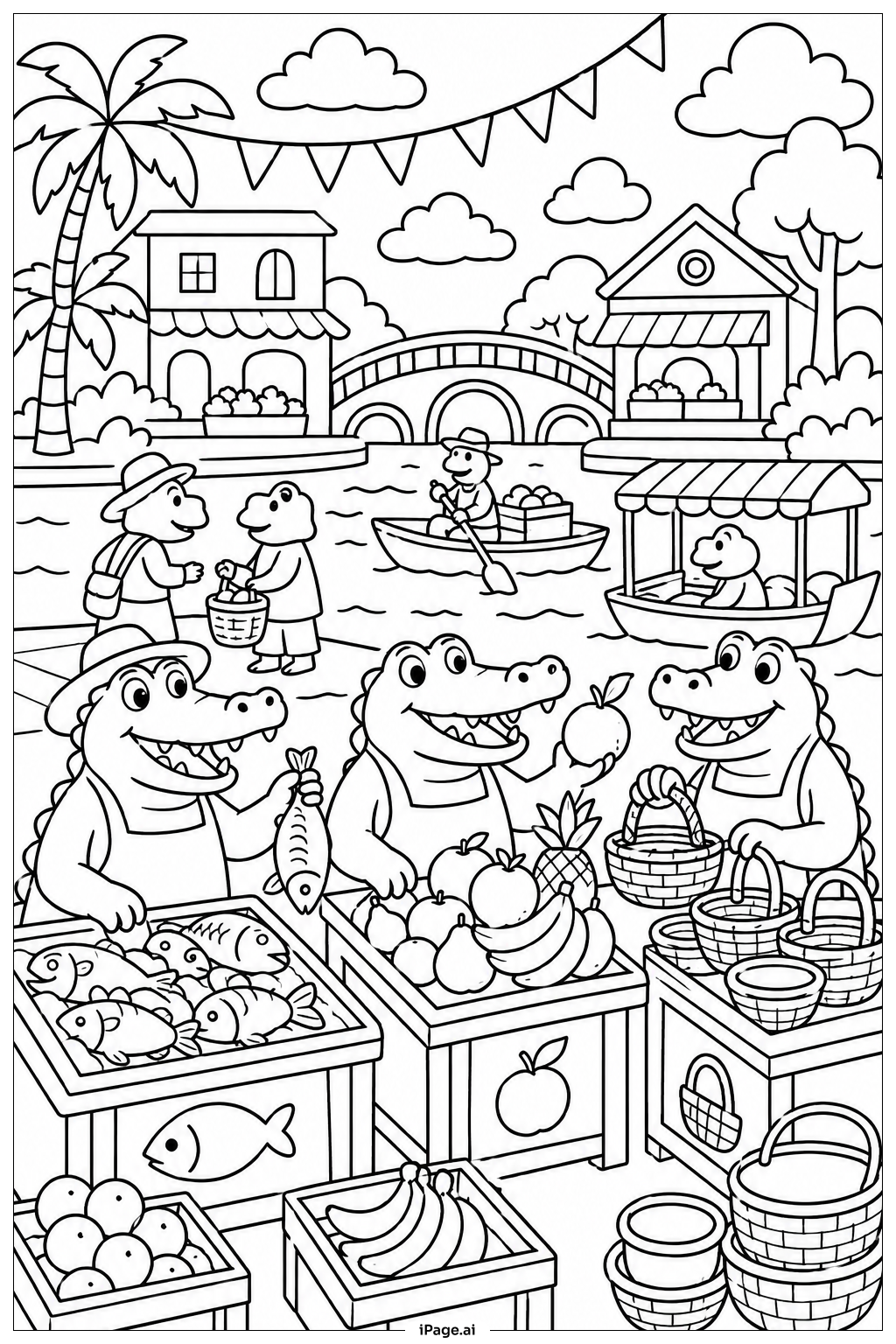
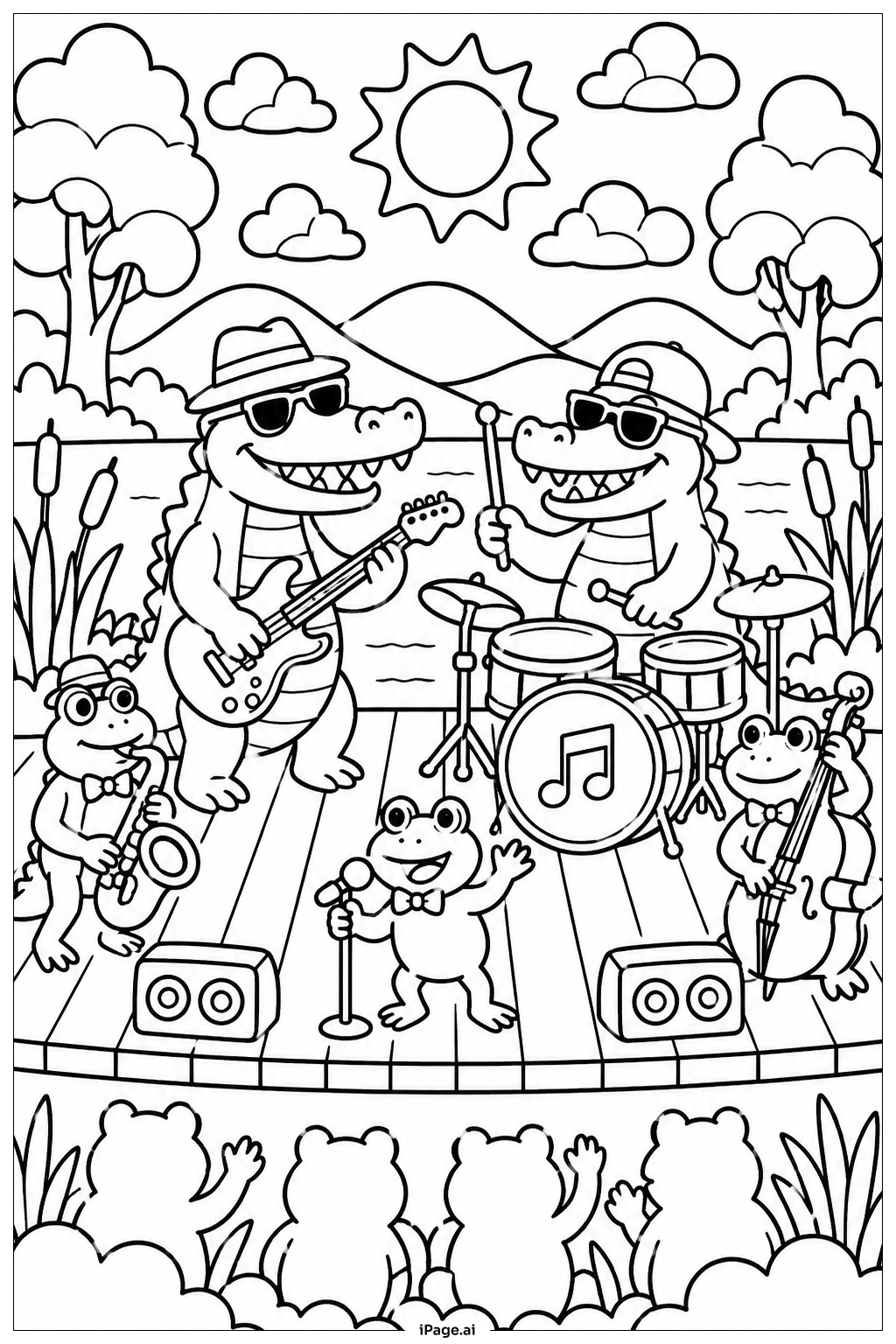
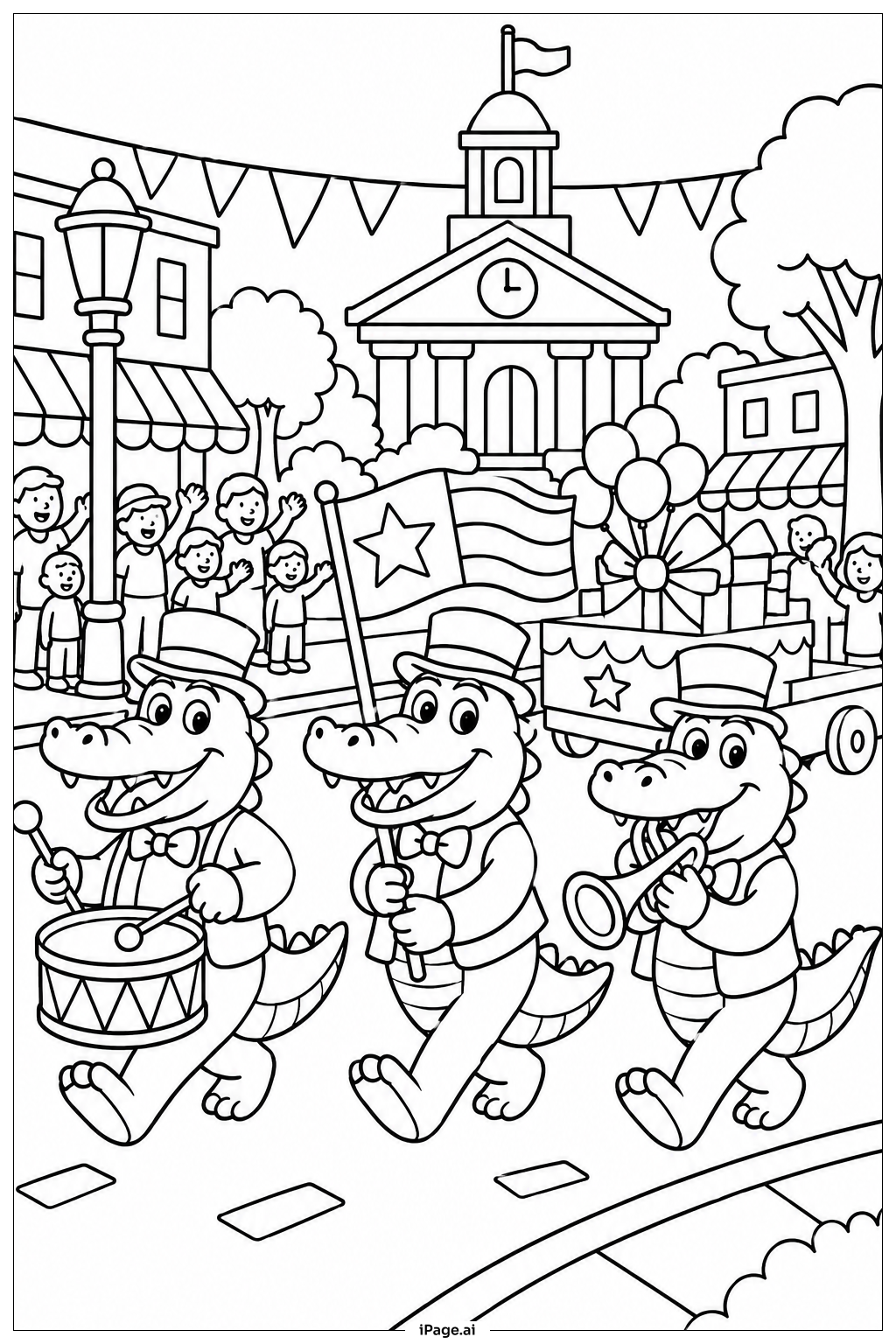
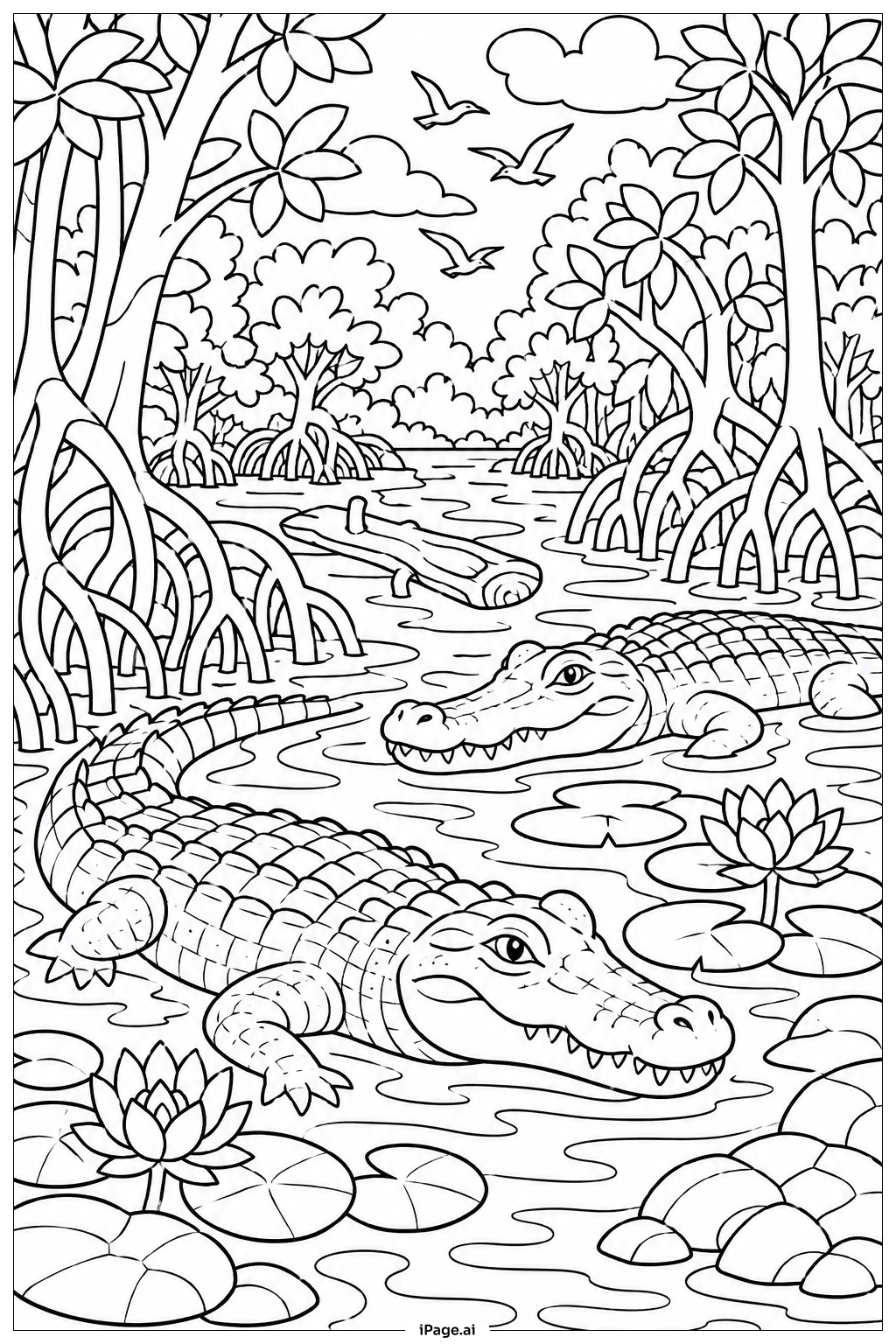
Start with the alligator's body using various shades of green, from bright lime to deep forest green. You can blend lighter greens on the belly area and darker greens along the back. The scales offer a wonderful opportunity to create texture by alternating between two or three green tones. For the hat, try classic colors like brown, tan, or beige for a natural look, or get creative with red, blue, or purple for a fun, whimsical style. The hat band can be a contrasting color like black, gold, or a bright accent shade. Color the teeth white or cream, and use pink or red for the inside of the mouth. The eyes can be yellow or amber with black pupils. Don't forget the claws, which look great in white, cream, or gray. Add shadows under the alligator and around the scales using darker shades to create depth and dimension.
Coloring challenges: Which parts are difficult to color and need attention for Alligator Wearing Hat coloring page?
• Scale Texture Detail: The alligator's body is covered with numerous small scales that require patience and precision. Each scale can be colored individually to create realistic texture, which means careful attention to staying within the lines. Younger children may find this repetitive, while older colorists can use this detail to practice shading techniques by varying pressure or using multiple green tones to create depth and dimension across the reptilian skin.
• Hat Structure and Shading: The hat presents a three-dimensional challenge with its curved brim and rounded crown. Creating the appearance of depth requires understanding where light would naturally hit the hat and where shadows would fall. The brim needs darker shading underneath to show it curves away from the viewer, while the top of the crown should be lighter. The decorative band adds another layer of detail that needs to contrast with the hat itself while maintaining visual harmony.
• Teeth and Mouth Interior: The alligator's open mouth reveals multiple teeth of varying sizes that require careful coloring to avoid blending them together. Each tooth should remain distinct, which means precise work in a relatively small space. The interior of the mouth needs darker shading to create depth, while keeping the teeth bright white or cream to stand out. This contrast is essential for realism but can be tricky to achieve without accidentally coloring over tooth boundaries.
• Leg and Tail Positioning: The alligator's four legs and long tail create overlapping elements that require understanding of spatial relationships. Where the legs meet the body and where the tail curves behind require careful shading to show which parts are in front and which are behind. Creating smooth color transitions and appropriate shadows in these areas helps the alligator look three-dimensional rather than flat, but requires planning and observation skills.
Benefits of coloring books: Advantages of drawing Alligator Wearing Hat coloring page
Coloring this alligator wearing a hat offers wonderful developmental benefits for children. The detailed scales provide excellent practice for fine motor skills and hand-eye coordination, as staying within the small sections requires steady hand control. This repetitive detailed work also builds patience and focus, teaching children to work carefully on one section at a time. The whimsical combination of a wild alligator wearing clothing sparks creativity and imagination, encouraging kids to think about color choices beyond realistic options. Learning about reptile anatomy through the scales, claws, and teeth provides an educational component while making art fun. The varying levels of detail, from large body sections to tiny scales, accommodate different skill levels and allow children to challenge themselves appropriately. Completing this detailed image builds confidence and provides a strong sense of accomplishment, especially when the finished alligator comes to life with color.