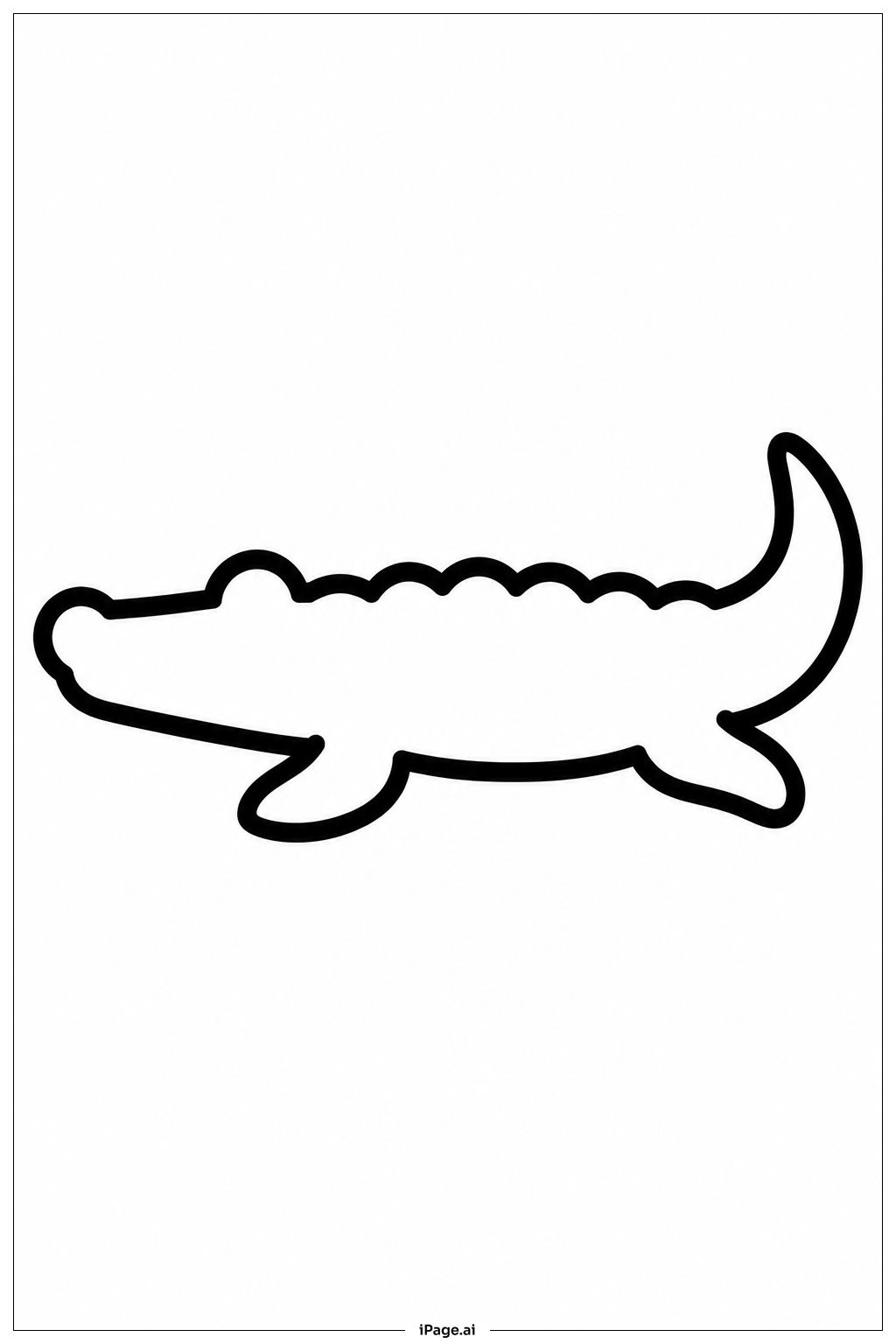
Coloring tips: How to color Alligator Swimming Silhouette coloring page well?
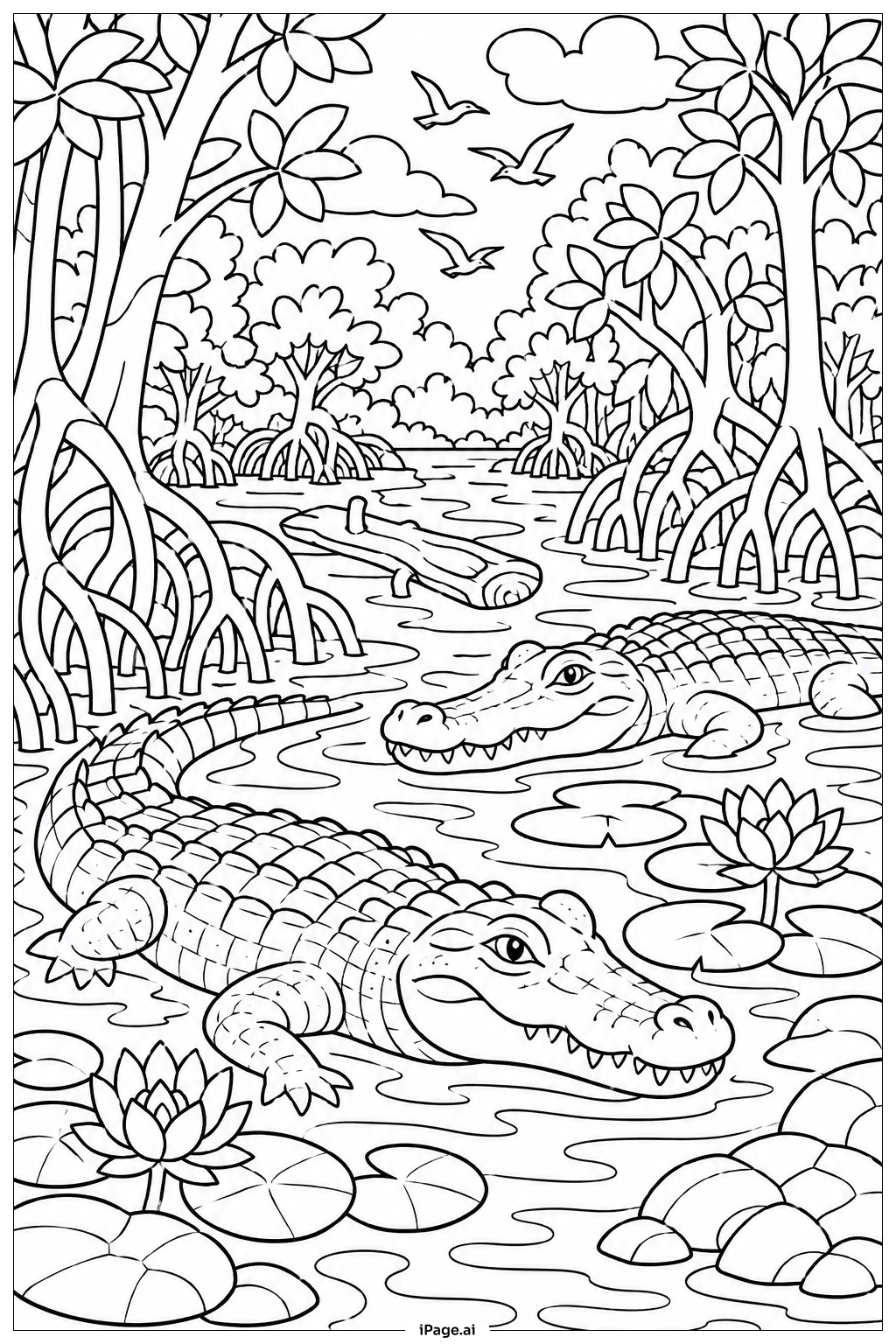
You can use various shades of green and brown to color the alligator’s body, mimicking how they look in nature. Try blending darker green on the ridges and lighter green on the sides to create a realistic effect. Add some blues and soft whites around the silhouette to suggest water ripples and reflections. If you want a creative twist, use bright and unusual colors like purples or blues to make your alligator stand out. Use smooth, even strokes inside the silhouette to keep the shape clear and bold. You can also add some color to the water around the alligator to make the scene more lively and interesting.
Coloring challenges: Which parts are difficult to color and need attention for Alligator Swimming Silhouette coloring page?
• Silhouette Detail: The solid shape of the alligator means you need to stay inside clear boundaries without coloring outside the edges, which can be tricky for younger children. • Texture Suggestion: Conveying the texture differences, like the bumpy ridges on the alligator’s back versus the smooth side, requires careful use of shading or different colors. • Water Effects: Adding water effects around the silhouette takes some planning, since you need to color softly to suggest transparency without losing the alligator’s outline. • Limited Lines: Because the image is a single silhouette without interior lines, it can be challenging to add depth and interest by coloring alone, making it a good practice for color blending skills. • Contrast Balance: Balancing dark and light areas so the silhouette stands out clearly involves experimenting with color tones and pressure on the coloring tool.
Benefits of coloring books: Advantages of drawing Alligator Swimming Silhouette coloring page
Coloring this alligator silhouette helps children practice staying within clear shapes, which improves hand-eye coordination and fine motor skills. It also encourages them to think about using colors creatively to show textures and water effects, boosting their artistic imagination. Working with a simple but bold outline like this builds confidence in shading and blending techniques. Additionally, choosing natural or imaginative colors teaches color recognition and decision-making. Overall, coloring this image is a fun way for kids aged 4 to 16 to develop concentration, creativity, and a sense of accomplishment.