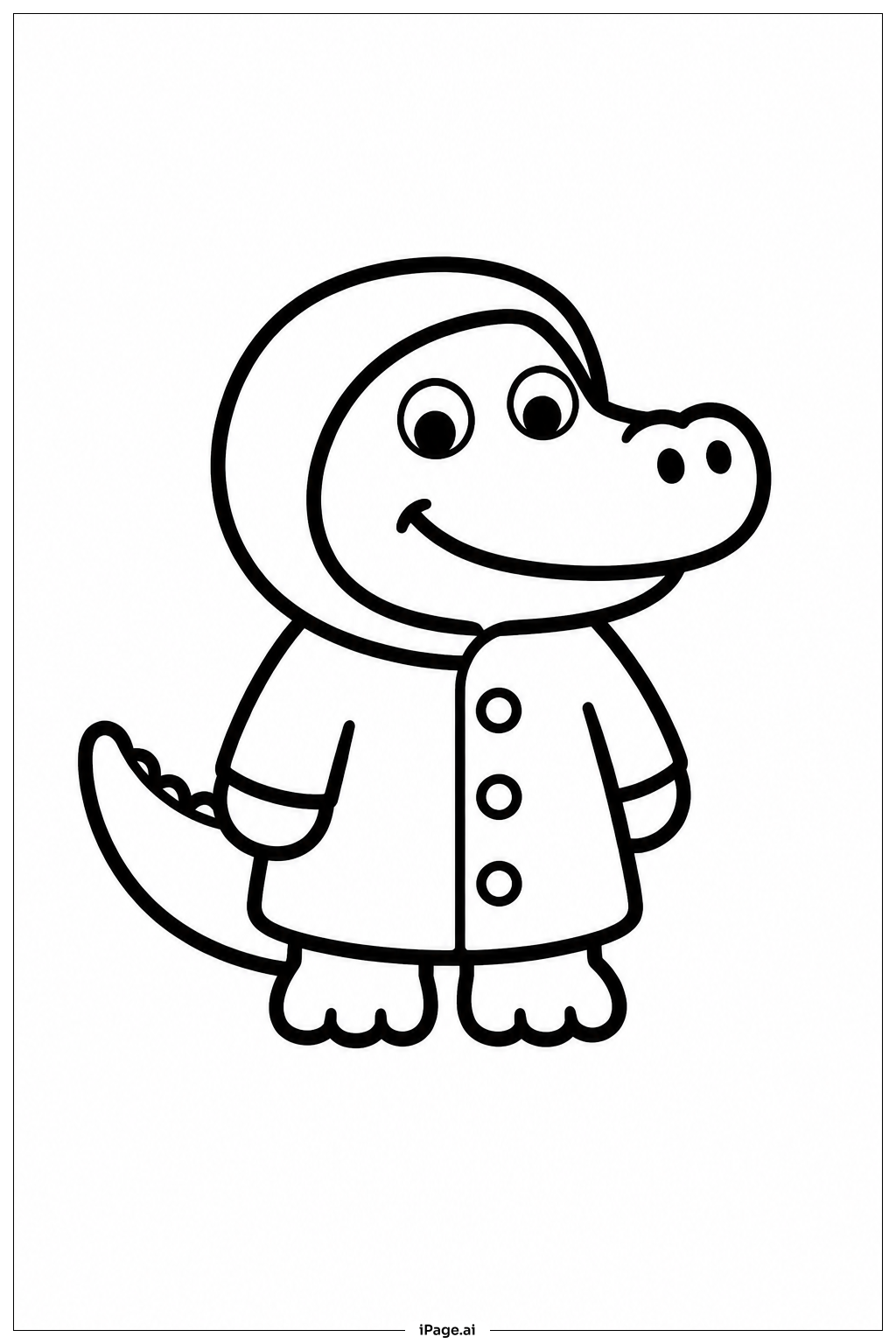
Coloring tips: How to color Alligator In Raincoat coloring page well?
Start with the alligator's skin. Use shades of green — light green for the belly and darker green for the back and scales. You can also try teal or olive green for a fun twist. For the raincoat, pick a bold, bright color like yellow, red, or blue. These colors make the coat stand out against the green skin. Use a slightly darker shade of the same color for the coat's folds and buttons to add depth. Color the buttons white or silver to make them pop. For the eyes, try bright yellow or orange with a dark pupil. If there is an umbrella, match it with the raincoat color or pick a contrasting pattern like stripes or polka dots. Use light gray or blue tones for any puddles or raindrops in the background. Keep the background simple — a pale blue sky or soft gray rainy clouds work great. Take your time with the scales on the alligator's body. Even small details make the picture look amazing.
Coloring challenges: Which parts are difficult to color and need attention for Alligator In Raincoat coloring page?
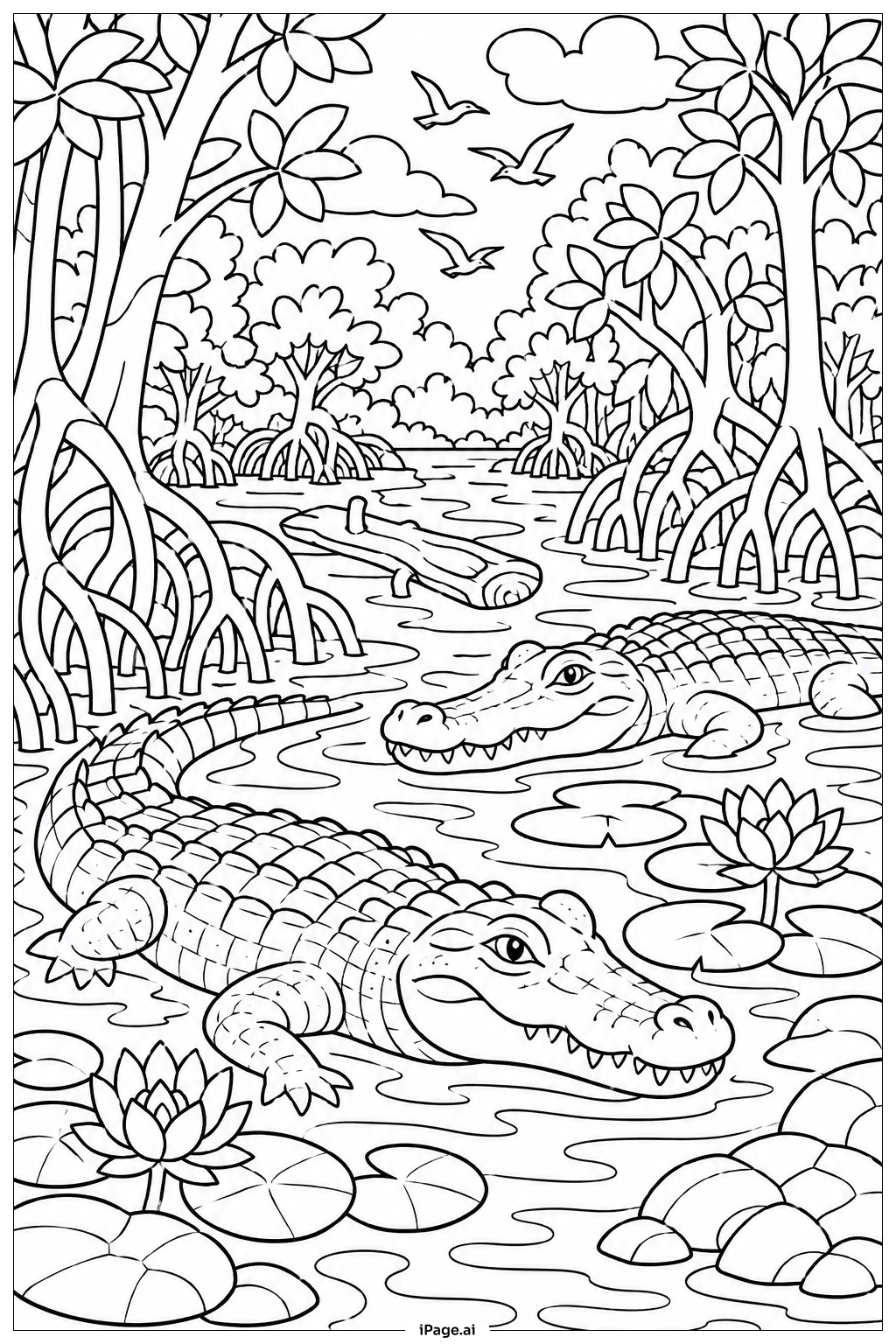
• Scale Texture Consistency: The alligator's body is covered in many small, overlapping scales. Coloring each scale individually while keeping a consistent overall tone is tricky. You need to vary the shade slightly from scale to scale to create a natural look, but not so much that the body looks patchy or uneven. This requires patience and a steady hand, especially for younger colorists.
• Raincoat Folds and Shading: A raincoat has folds, creases, and shadows where the fabric bunches together. Showing these details with color means using at least two or three shades of the same color. Lighter areas catch the light, while darker areas sit in shadow. Getting this transition smooth is a challenge, especially when working with crayons or colored pencils.
• Color Contrast Between Skin and Coat: The alligator's green skin and the raincoat sit right next to each other. If you choose a color that is too similar to green for the coat — like olive or yellow-green — the two areas will blend together and lose definition. Picking a color with strong contrast, like bright yellow or red, and keeping a clean edge between the coat and skin is important.
• Small Details Like Buttons and Eyes: The buttons on the raincoat and the alligator's eyes are small but important. Coloring tiny areas neatly without going outside the lines takes a fine-tipped tool and a careful approach. Skipping these details can make the finished image look incomplete.
• Background Balance: If the scene includes rain, puddles, or clouds, choosing background colors that complement but do not overpower the main character is a real challenge. Too dark a background can hide the alligator; too bright can make the scene feel cluttered.
Benefits of coloring books: Advantages of drawing Alligator In Raincoat coloring page
Coloring this fun image of an alligator in a raincoat brings lots of great benefits for kids and beginners alike. First, it helps improve fine motor skills. Carefully coloring inside the lines of the scales and coat buttons trains the hands and fingers for better control and coordination. This is especially helpful for younger children still developing their grip and precision.
Second, it sparks creativity. Choosing colors for the raincoat, the alligator's skin, and the background encourages kids to make their own decisions and express their personal style. There is no single right answer — every choice leads to a unique piece of art.
Third, it builds focus and patience. The detailed scale texture and small coat details require concentration. Sitting with a task and working through it step by step teaches children how to stay focused and feel proud of completing something.
Fourth, it introduces color theory in a playful way. Kids naturally start to notice which colors look good together and which clash, building an early understanding of contrast and harmony.
Finally, finishing a colorful, lively picture of a stylish alligator gives a real sense of accomplishment. It boosts confidence and makes the whole experience fun and rewarding. This image is a great choice for a relaxing, creative afternoon.