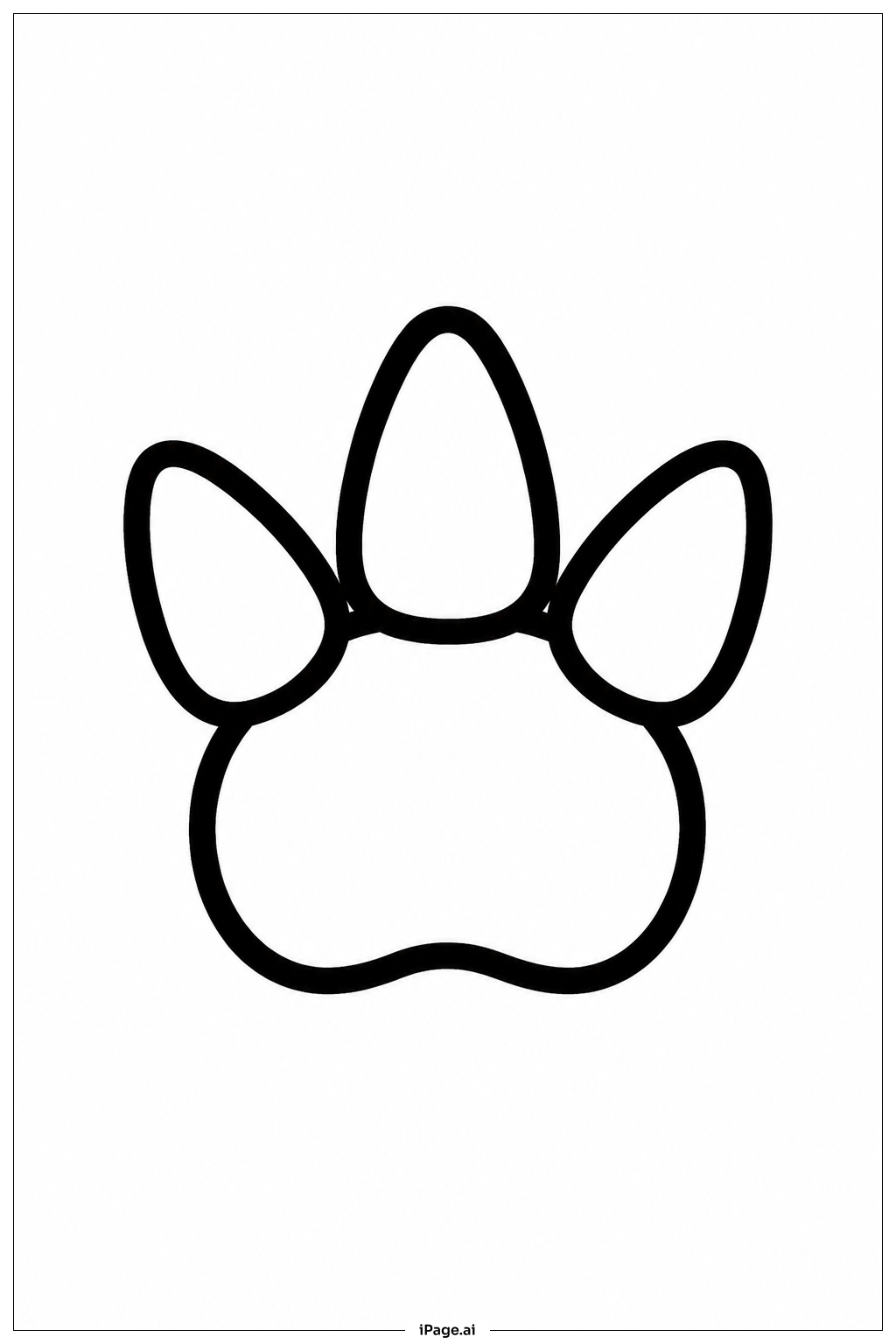
Coloring tips: How to color Alligator Footprint coloring page well?
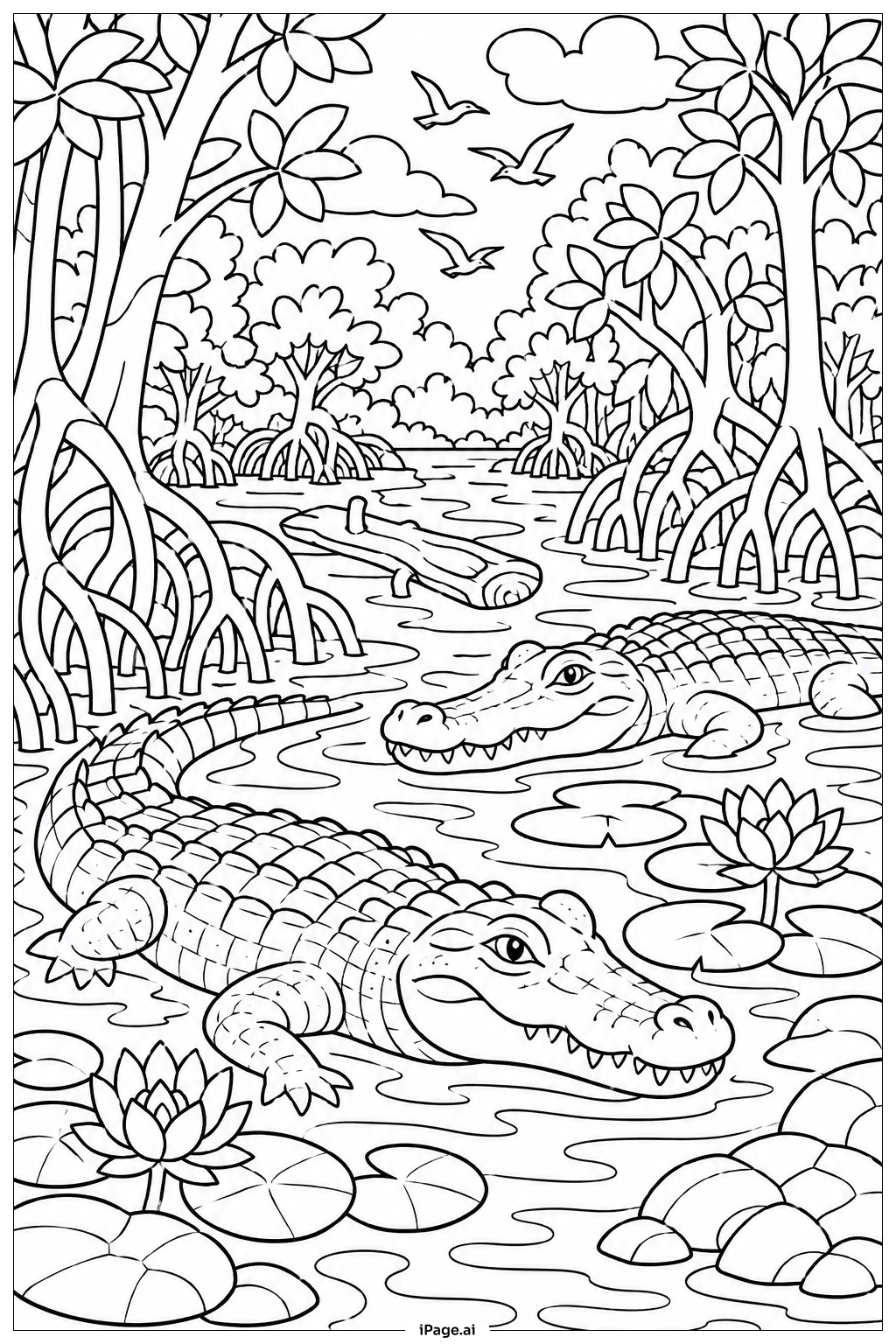
When coloring this Alligator Footprint, you can start with earthy colors to bring it to life. Use shades of brown, tan, or dark green for the footprint itself to show mud or dirt. You might want to color the claw marks a darker brown or black to make them stand out. For the background, try soft greens or blues to represent grass, water, or wetlands where alligators live. You can also add subtle shadows around the footprint with gray or darker shades to give it depth. Remember to stay inside the lines and have fun experimenting with different shades to create a realistic or imaginative look.
Coloring challenges: Which parts are difficult to color and need attention for Alligator Footprint coloring page?
• Toe Separation: Each toe is distinct and well spaced, so carefully coloring inside the spaces without overlapping can be tricky for younger children. They need to control their strokes well to keep the toes separate. • Claw Details: The claw tips are small and pointed, requiring precision to color them clearly and make them look sharp. Staying inside the narrow claw shapes can be challenging. • Texture Lines: The footprint shows subtle texture lines inside the pad area that suggest rough skin or sand. Coloring these lines evenly while maintaining their subtlety is a delicate task and requires attention to detail. • Shading Depth: Adding shadows around the footprint to create a 3D effect involves blending colors smoothly. This blending can be difficult for beginners who may not have experience with shading techniques. • Natural Look: To make the footprint appear natural, choosing the right earthy colors and applying them with varying intensity takes planning and patience. It might be difficult to decide how dark or light some areas should be.
Benefits of coloring books: Advantages of drawing Alligator Footprint coloring page
Coloring the Alligator Footprint helps children improve their fine motor skills by requiring careful hand control, especially around small claws and thin lines. It encourages attention to detail and patience since the image has texture and shading elements. This activity also boosts observation skills by allowing kids to explore natural shapes and patterns found in animals and their environments. Coloring in earthy tones creates awareness of nature and habitats, sparking curiosity about alligators and wetlands. Finally, finishing the artwork brings a sense of accomplishment and pride, motivating children to practice more and develop creativity.