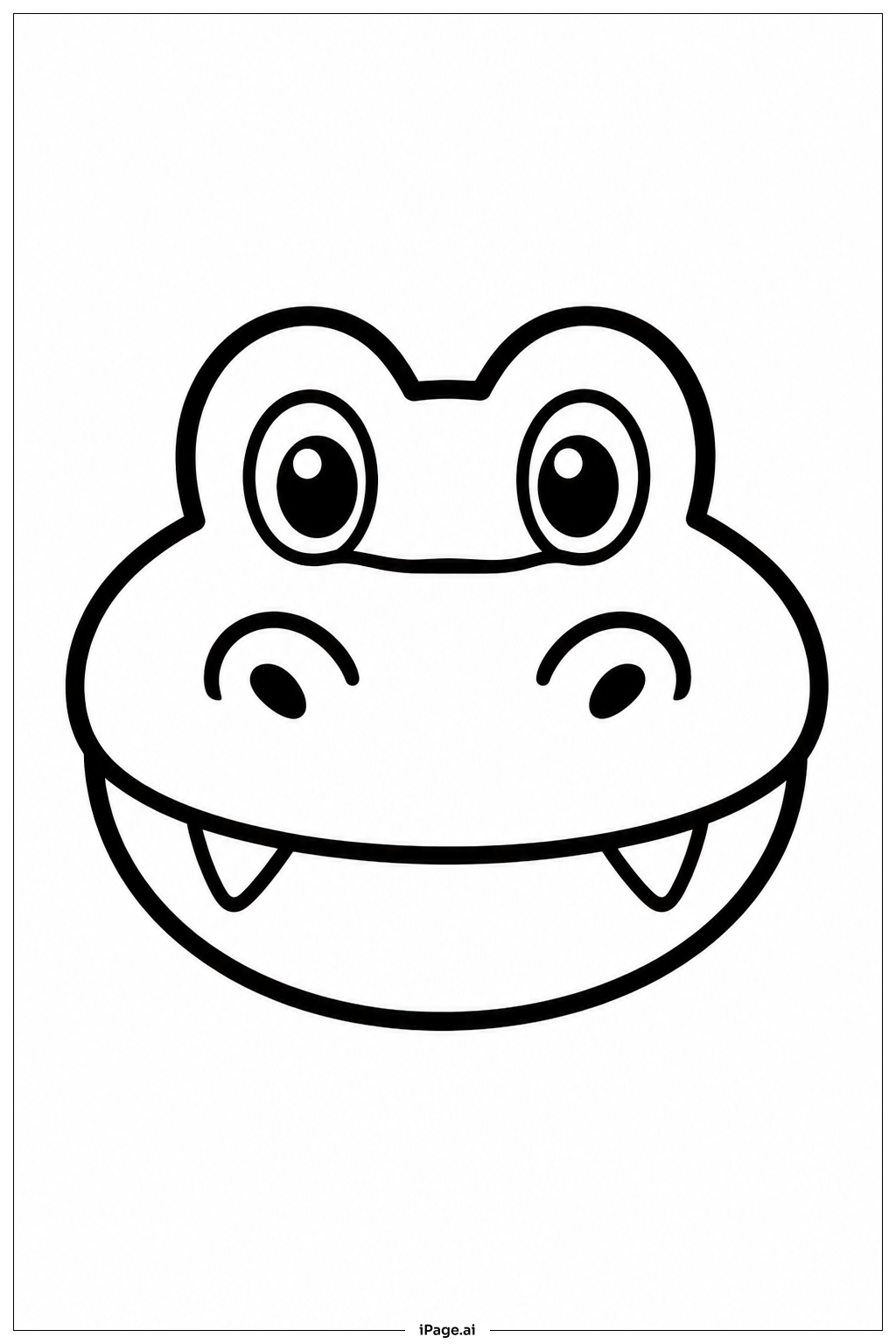
Coloring tips: How to color Alligator Face coloring page well?
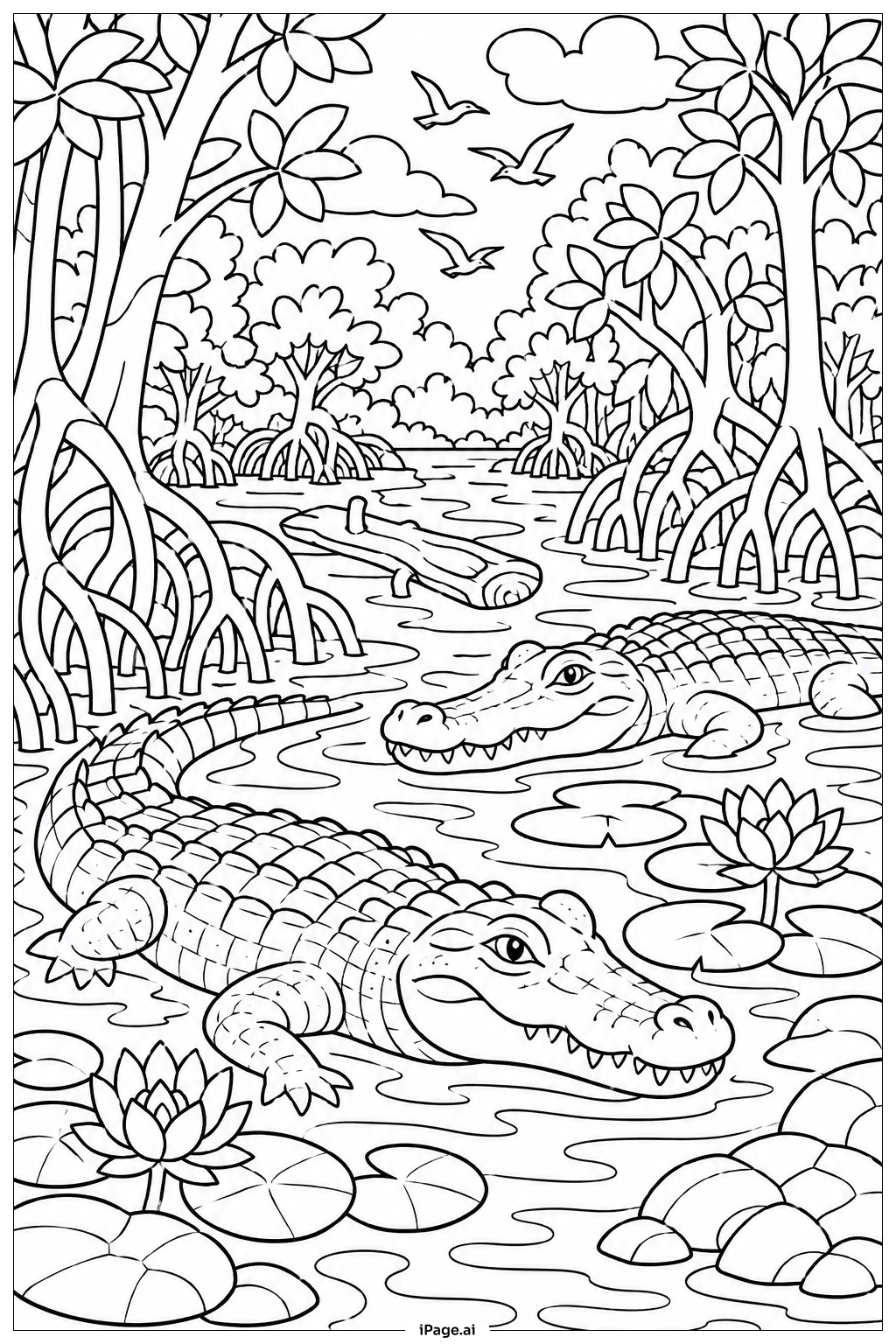
For this Alligator Face, consider using different shades of green to bring the skin to life. You can use dark green for the rough scales and lighter green or yellow-green tones for the areas around the eyes and nostrils. Add touches of brown or olive for depth in the wrinkles and texture. The eyes can be colored with bright yellow or orange to make them stand out, and the teeth should be a clean white or light gray. You might also use a little pink or red inside the mouth for a realistic effect. Feel free to add a blue or dark background to make the Alligator's face pop on the page.
Coloring challenges: Which parts are difficult to color and need attention for Alligator Face coloring page?
• Small Details: The Alligator Face has many small scales and teeth that require careful coloring to avoid going outside the lines. Staying within the thin outlines can be tricky for younger children.
• Texture Variation: Creating the rough, scaly texture of the Alligator’s skin requires blending different shades carefully, which can be hard for beginners.
• Teeth and Mouth: The sharp teeth are close together and connected to the open mouth area. Coloring these tiny spaces neatly without mixing colors can be challenging.
• Eyes and Expression: Coloring the eyes brightly while keeping them clear and expressive needs patience and a steady hand.
• Limited Large Areas: Unlike simpler images with big spaces, this face has many small compartments, so the coloring process may take longer and demands concentration.
Benefits of coloring books: Advantages of drawing Alligator Face coloring page
Coloring this Alligator Face helps improve fine motor skills, as children practice controlling their coloring tools within small spaces. It encourages attention to detail and patience due to the many scales and teeth to color carefully. Using different shades promotes color recognition and blending skills. The image also invites creativity by allowing children to experiment with realistic or imaginative colors, fostering artistic expression. Finally, focusing on the Alligator’s unique features builds an appreciation for wildlife and nature while providing a relaxing and fun activity suitable for kids and beginners alike.